5 alarming indicators for Republicans as midterm elections approach
The U.S. Capitol stands as a backdrop to a political storm brewing ahead of the midterm elections, with Republicans facing significant challenges.
As the countdown to the elections continues, the GOP is grappling with several troubling trends. President Trump's unpopularity looms large, special elections are tilting against them, and a notable number of Republican retirements signal discontent within the party ranks. Polls indicate a growing preference among voters for Democratic control of Congress.
In the House of Representatives, all members are up for election every two years. Currently, Republicans hold a slim majority of 218-214, with three vacancies. If these seats are filled by their respective parties, Republicans can only afford to lose two seats to maintain control. The Cook Political Report identifies 36 House seats as toss-ups or leaning toward one party, with 18 held by Republicans and 18 by Democrats. However, among the toss-ups, 14 are Republican-held, while only four belong to Democrats, suggesting a shift in voter sentiment.
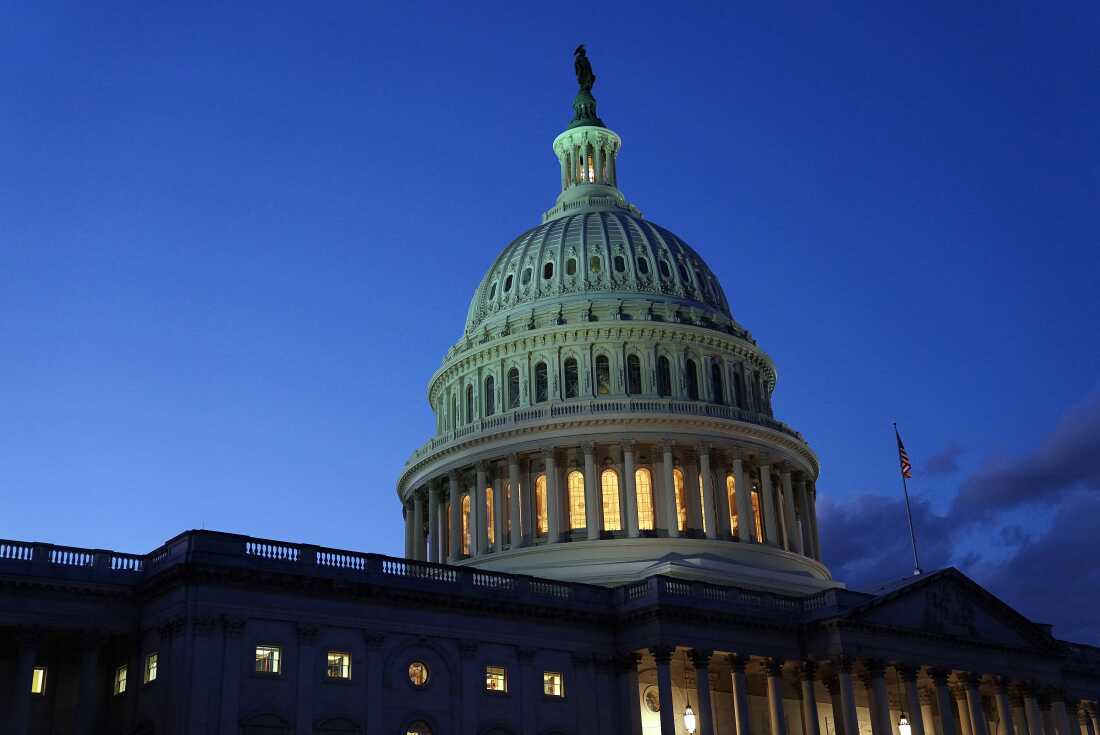
Turning to the Senate, where terms last six years, Republicans currently enjoy a three-seat advantage at 53-47. With two independents caucusing with Democrats, a net gain of four seats is necessary for Democrats to seize control. Out of 35 Senate seats up for grabs this year, only 10 are competitive, with six held by Republicans and four by Democrats. The House remains the primary battleground for Democrats seeking to regain power.
Several factors contribute to this shifting landscape:
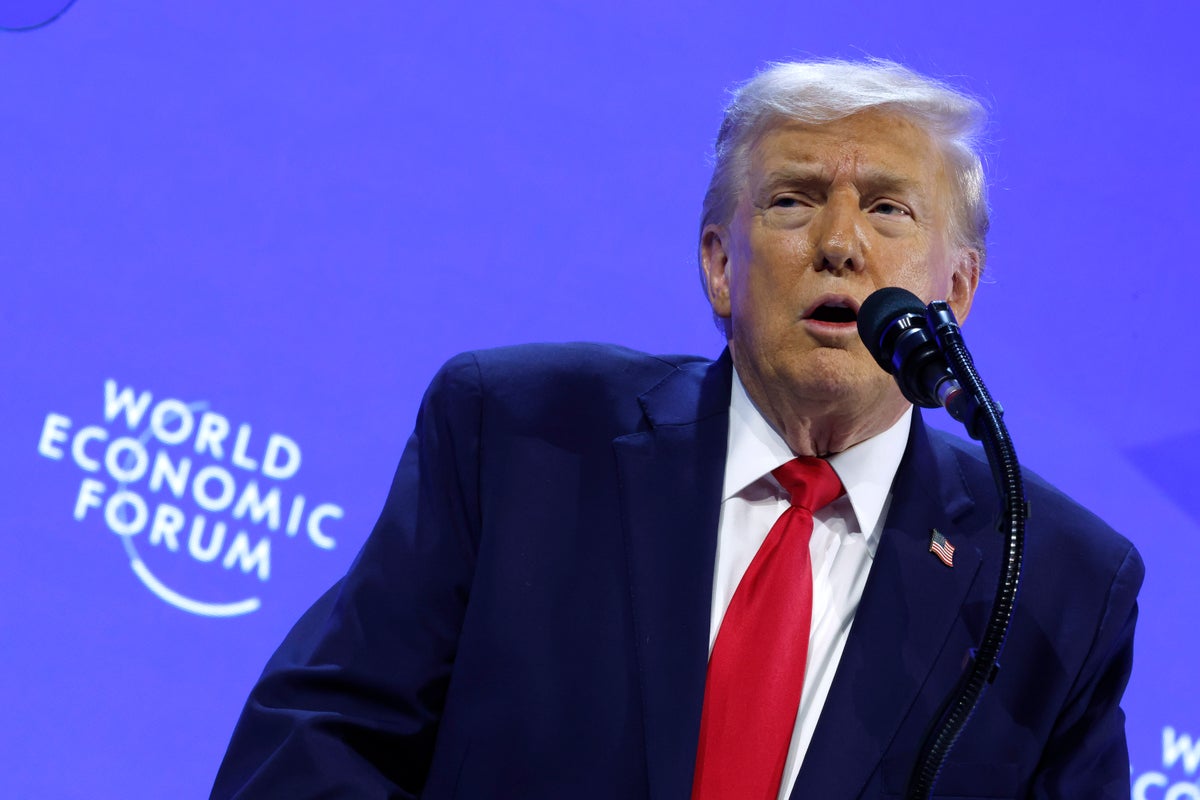
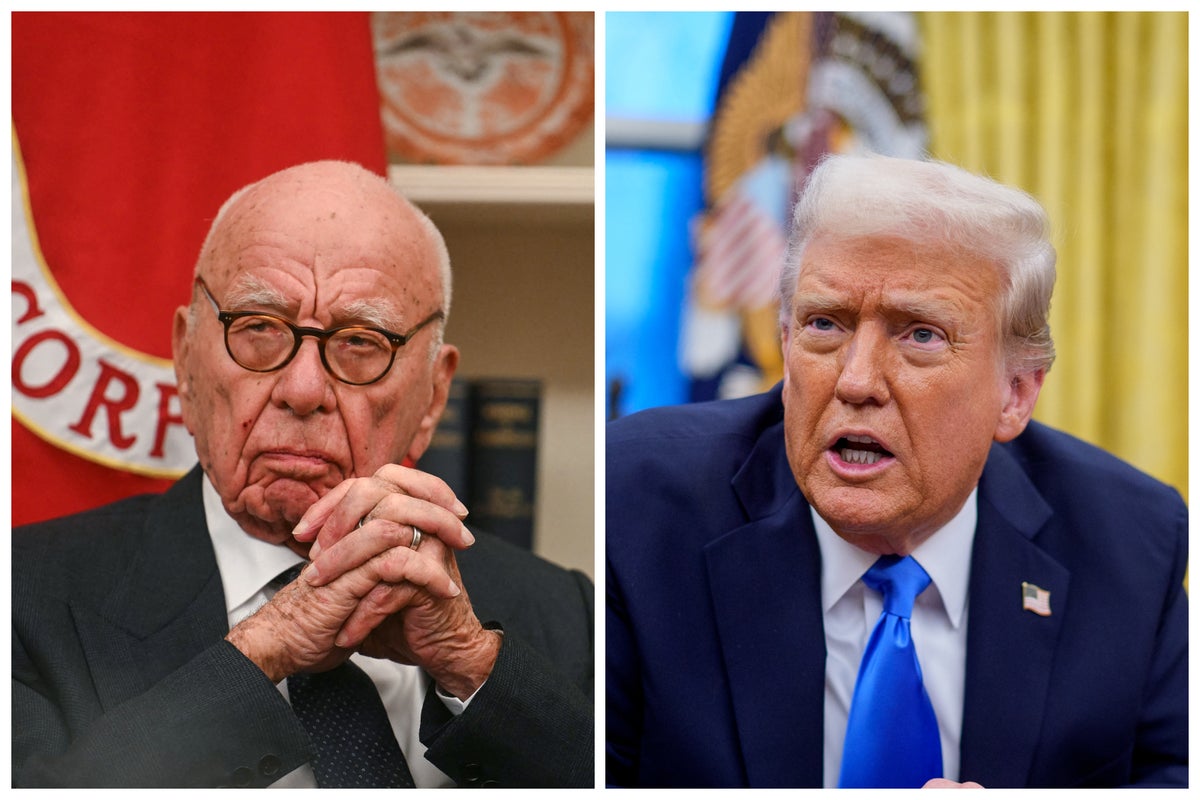
1. Trump's unpopularity is a significant concern. Historical trends show that midterm elections typically favor the opposition party, especially when the sitting president's approval rating is low. Trump has struggled to maintain a favorable rating, hovering around 39% in recent polls. His policies on immigration and tariffs have also drawn criticism, further eroding support among key demographics such as independents and younger voters.

2. Economic concerns dominate voter priorities. A recent poll revealed that 54% of respondents believe lowering prices should be Trump's top priority, while only 36% approve of his economic management. A Pew Research Center survey indicated that 72% of Americans rate the economy as "fair" or "poor," with many expecting conditions to worsen in the coming year.
3. Democrats have been outperforming expectations in special elections. A recent state Senate race in Texas saw Democrats flip a seat previously held by Trump by a significant margin, highlighting a trend of Democratic victories in areas where they were previously considered underdogs.
4. The rate of Republican retirements is accelerating. With 51 members opting not to run for reelection this cycle—30 Republicans and 21 Democrats—this trend raises alarms about the GOP's internal dynamics and overall morale.
5. Polls indicate Democrats are leading in congressional ballot tests. On average, they hold a five-point advantage over Republicans in surveys asking which party voters prefer in control of Congress. This marks a notable shift from previous years when Republicans held the lead.
While uncertainties remain and dynamics can change rapidly, current indicators suggest that Republicans face an uphill battle in the upcoming midterm elections.