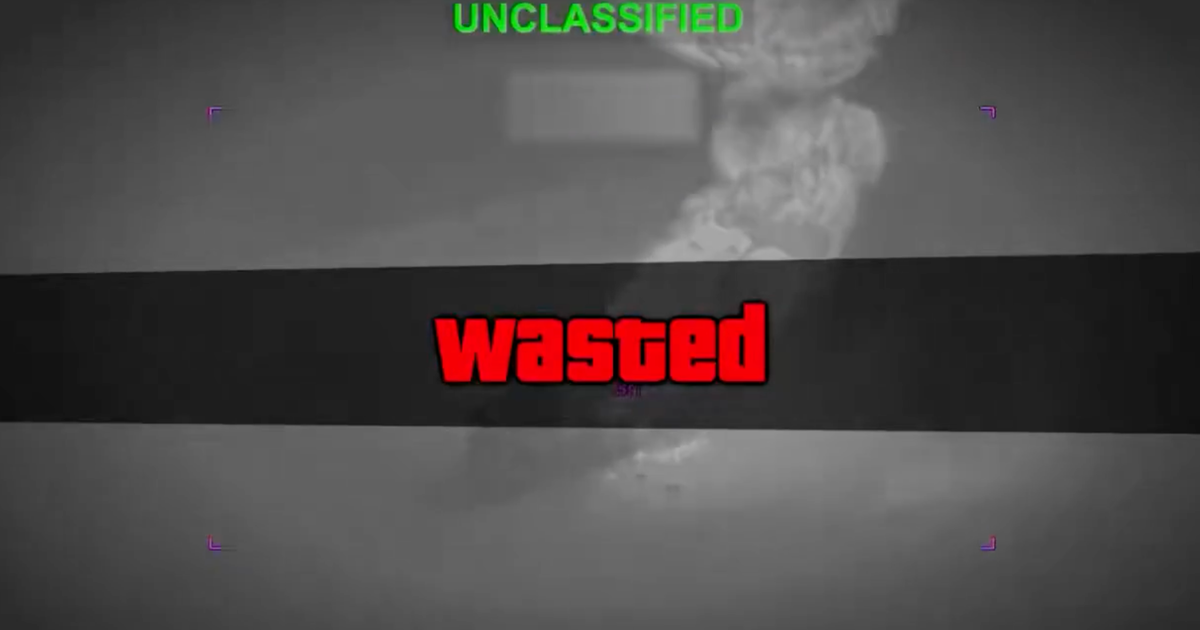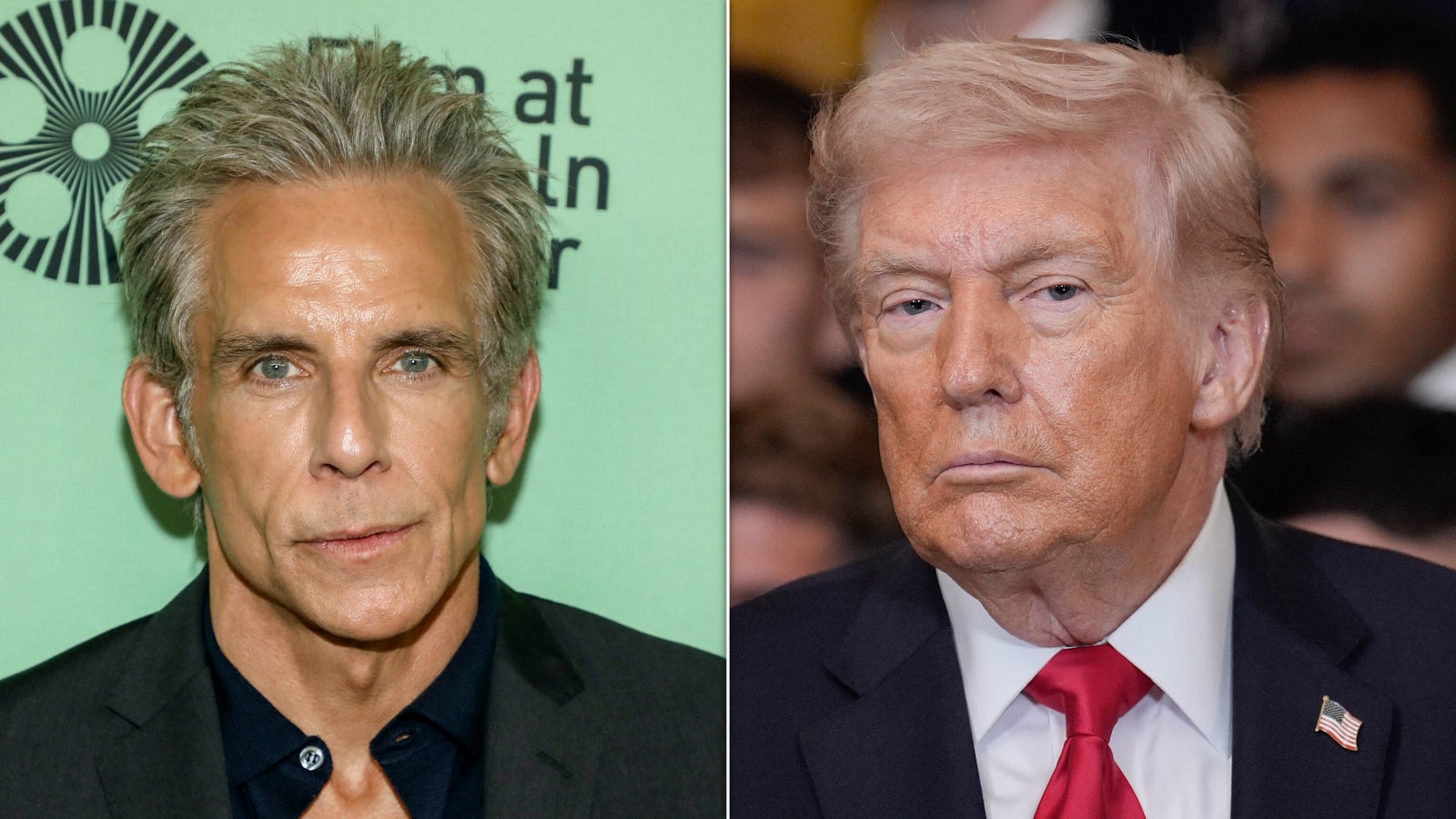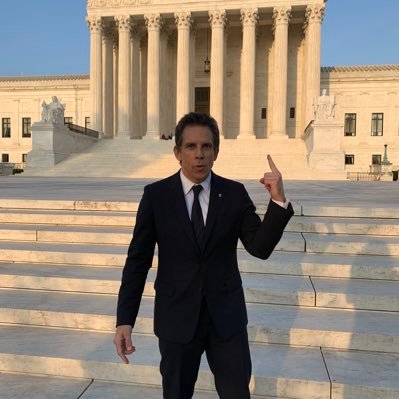
“Hey White House, please remove the Tropic Thunder clip,” Ben Stiller posted on X, expressing his discontent with the administration's recent actions. The actor's remarks came after the White House featured a segment from his 2008 film in a supercut that combined drone footage of U.S. and Israeli military strikes on Iran with various cinematic clips.
The video, which celebrated the bombings, included scenes from several action films, notably featuring Tom Cruise in roles from Minority Report and Top Gun: Maverick, culminating with Cruise’s character Les Grossman dancing in Tropic Thunder. Stiller's call for removal highlights a growing concern among Hollywood figures regarding the use of their work in political contexts.
Hey White House, please remove the Tropic Thunder clip. We never gave you permission and have no interest in being a part of your propaganda machine. War is not a movie. https://t.co/dMQqRxxVCa
— Ben Stiller (@BenStiller) March 6, 2026
In a similar vein, pop star Kesha recently criticized the administration for using her song “Blow” alongside footage labeled “Lethality,” which depicted a missile launch against what appeared to be an enemy vessel. This trend of appropriating entertainment content for political messaging raises questions about consent and artistic integrity.
Meanwhile, the geopolitical landscape shifted dramatically as Iranian state media confirmed the death of Supreme Leader Ali Khamenei following U.S. and Israeli airstrikes. Reports indicated that Khamenei died in his office during the initial wave of attacks, which also claimed the lives of numerous other Iranian leaders.
In light of these developments, Trump has suggested a prolonged military engagement, projecting a four-to-five-week conflict while asserting that the strikes are essential to dismantle Iran’s nuclear capabilities and curb its naval power. The administration maintains that these actions are necessary to prevent Iran from acquiring nuclear weapons and to ensure regional stability.
The Motion Picture Association has yet to comment on the controversial use of film clips in this context, leaving many in the industry questioning the implications of their work being co-opted for political agendas.