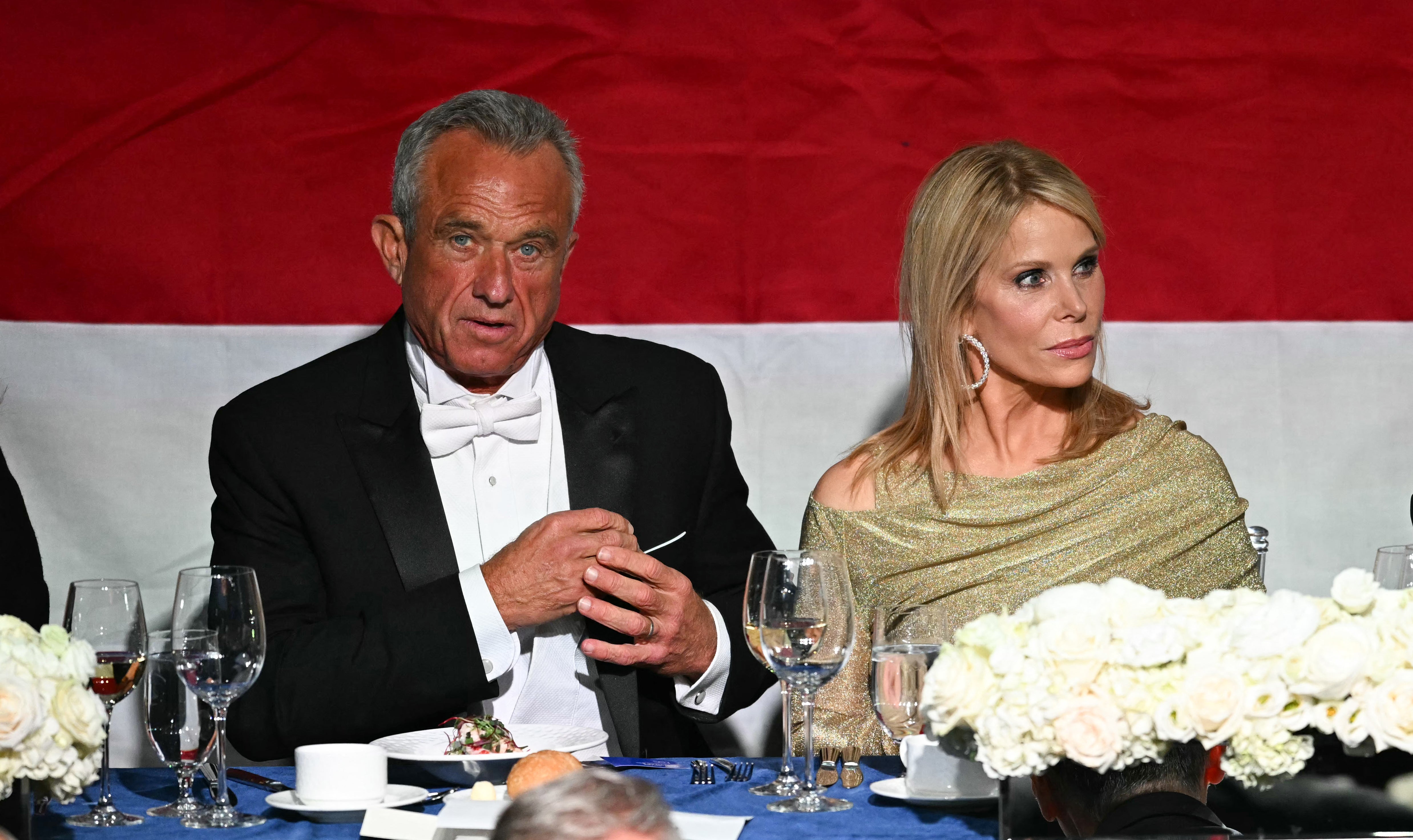
Actor Cheryl Hines took to Joe Rogan's podcast this week, passionately defending her husband, Health and Human Services Secretary Robert F. Kennedy Jr., against what she describes as a misleading media narrative. She asserted that the portrayal of Kennedy as someone who "is trying to hurt people" is fundamentally flawed.
During the interview, Hines highlighted her husband's extensive career fighting against corporate pollution, emphasizing his commitment to public health. “When people talk about Bobby and they want to paint him as somebody who is trying to hurt people… it’s like look at his career and who he is and what he’s accomplished," she stated. "He spent a lot of time suing huge corporations because they were polluting waterways, which was hurting people, killing people, and giving people cancer.”
Her remarks suggest that Kennedy's legal battles demonstrate a lifelong dedication to protecting individuals rather than harming them. “So why would he spend all of his life fighting for people, fighting for individuals, and then suddenly change and want to hurt people?” she questioned. “It just doesn’t track.”
However, the criticism of Kennedy's leadership does not solely stem from media outlets; it also comes from health experts. In October, six former Surgeons General, who served under every president since George H.W. Bush, issued a letter in The Washington Post expressing concern over Kennedy's actions. They warned that "the actions of Health and Human Services Secretary Robert F. Kennedy Jr. are endangering the health of the nation."
The Surgeons General pointed to a troubling trend where "science and expertise have taken a back seat to ideology and misinformation." They noted a decline in morale within health agencies and a loss of talent at a time when public health faces significant challenges.
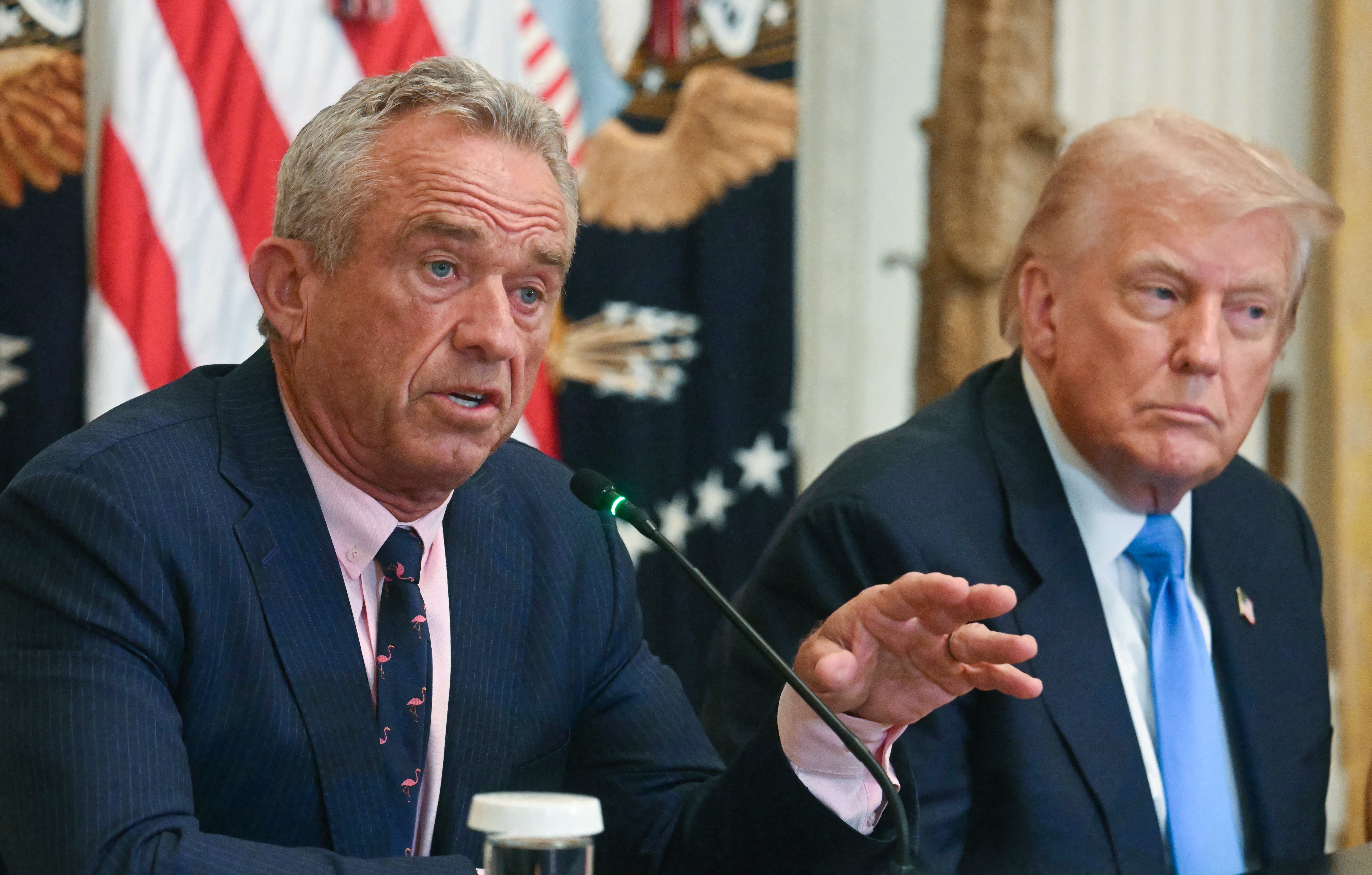
Among their criticisms was Kennedy's promotion of "dangerous and discredited claims about vaccines," including the thoroughly debunked theory linking childhood vaccines to autism. This has raised alarms among medical professionals, especially following a controversial statement made by Kennedy and Donald Trump regarding Tylenol's alleged connection to autism.
Dr. Melissa Simon from Northwestern University responded firmly to their claims, stating that avoiding Tylenol during pregnancy due to autism fears could lead to greater harm than using it for fever relief. “Having a fever and just toughing it out is unacceptable in pregnancy,” she emphasized.
In response to backlash, Kennedy later moderated his stance, describing the data linking Tylenol to autism as merely "suggestive." “We’ve all said from the beginning that the causative association between Tylenol given in pregnancy … is not sufficient to say it definitely caused autism, but it is very suggestive,” he clarified.
The impact of vaccine skepticism was starkly illustrated in Samoa, where over 5,700 people contracted measles and 83 died in 2019. The Samoan Ministry of Health attributed this crisis partly to Kennedy's visit and his anti-vaccine rhetoric, which discouraged locals from getting vaccinated.
Dr. Paul Offit remarked on the consequences of disinformation, stating, “The Samoan incident showed us how disinformation can kill.” He criticized Kennedy for fostering distrust in vaccines during a critical period.
Kennedy maintains that he is not anti-vaccine but advocates for vaccines that have undergone rigorous safety evaluations. Yet, his actions have raised eyebrows; in June, he dismissed all 17 members of the CDC's Advisory Committee on Immunization Practices, replacing them with his own selections.
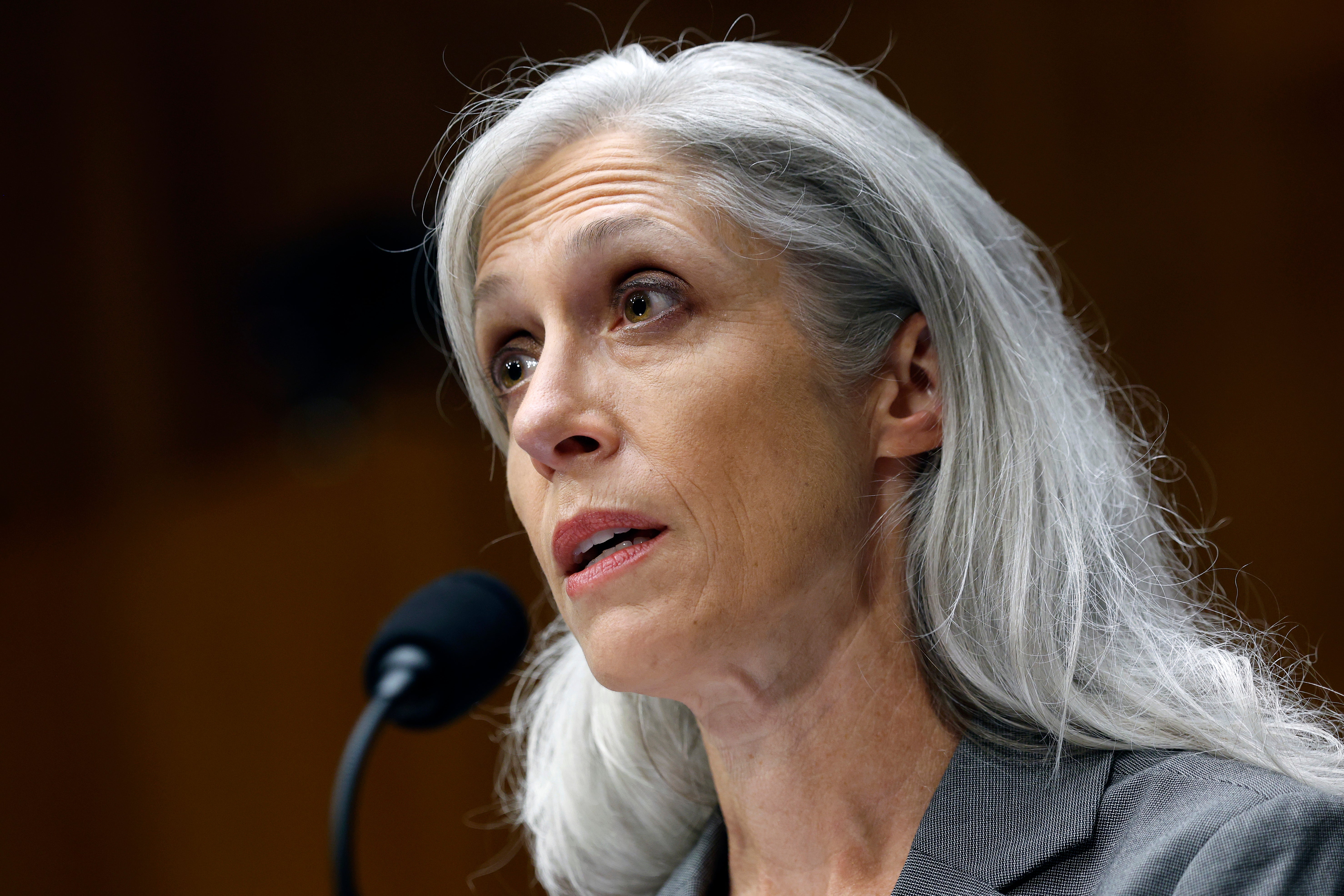
Former CDC Director Susan Monarez resigned around the same time, warning Congress that Kennedy was transforming the agency into a vehicle for his ideological agenda. Monarez and former Chief Medical Officer Debra Houry testified that under Kennedy's leadership, the CDC had become "a rubber stamp." Houry cautioned that "due to the secretary's actions, our nation is on track to see drastic increases in preventable diseases and declines in health."
The Department of Health and Human Services has been approached for comment regarding these serious allegations.