Cuba Halts Airline Refueling Amid Intensifying U.S. Energy Blockade
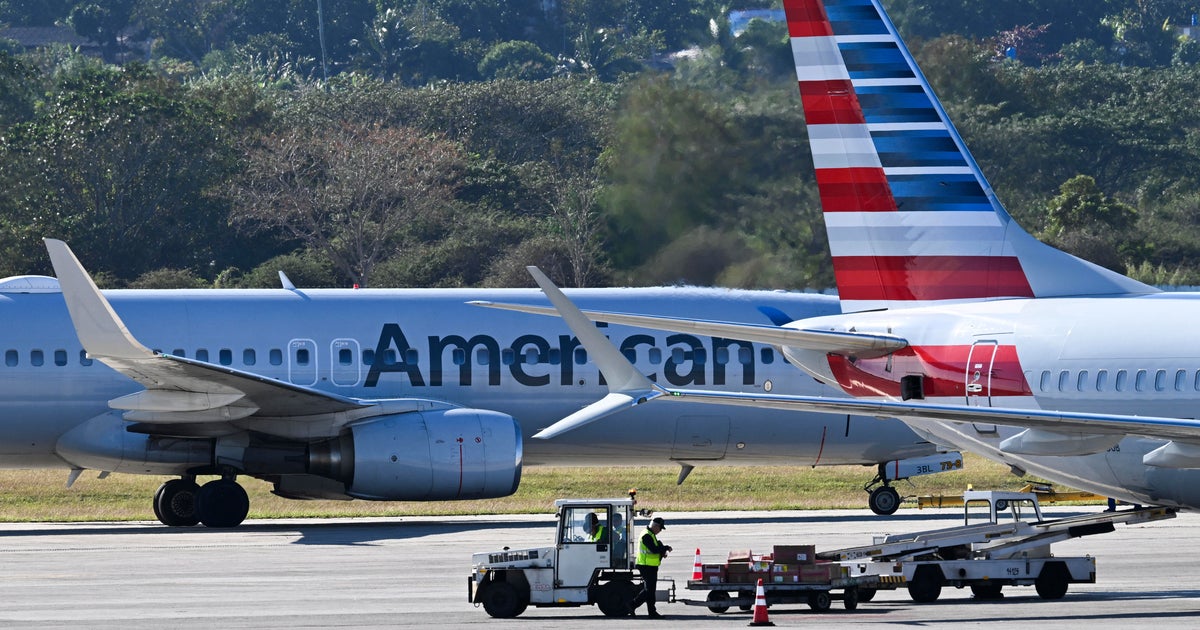
HAVANA — Airlines received alarming news from Cuban aviation authorities: effective Tuesday, jet fuel will be unavailable at nine airports, including the major José Martí International Airport in Havana, until March 11. This announcement marks a significant escalation in the island's ongoing energy crisis.
On Sunday night, the Cuban government issued notices to airlines and pilots, highlighting the dire fuel situation as the Trump administration tightens its grip on Cuba's energy resources. The political maneuvering has effectively severed the island's access to vital petroleum supplies from Venezuela and Mexico.
In a move that could further cripple the already struggling nation, President Trump signed an executive order in late January imposing tariffs on goods from countries that provide oil to Cuba. This decision compounds the challenges faced by a country grappling with a deepening energy crisis.
While short regional flights may remain unaffected, long-haul routes from countries like Russia and Canada—integral to Cuba's tourism sector—now face significant hurdles. On Monday, Air Canada announced it would suspend flights to Cuba, while other airlines reported delays and layovers in the Dominican Republic before continuing to Havana.
A pilot noted that while refueling issues are not new, the scale of this official announcement is unprecedented for an island accustomed to crises. He recalled that during similar shortages over a decade ago, flights bound for Europe were rerouted to refuel in Nassau, Bahamas. Now, regional airlines might mitigate issues by carrying extra fuel or refueling in Cancun or the Dominican Republic.
The duration of this fuel shortage remains uncertain, with no public comments from Cuban officials regarding the situation. This latest development strikes another blow to a nation heavily reliant on tourism, an industry that once generated $3 billion annually and served as a crucial economic lifeline.
In addition to the fuel crisis, Cuban officials announced reduced bank hours and the suspension of cultural events. The public bus system in Havana has nearly come to a standstill, leaving residents stranded amid ongoing power outages and lengthy fuel lines.
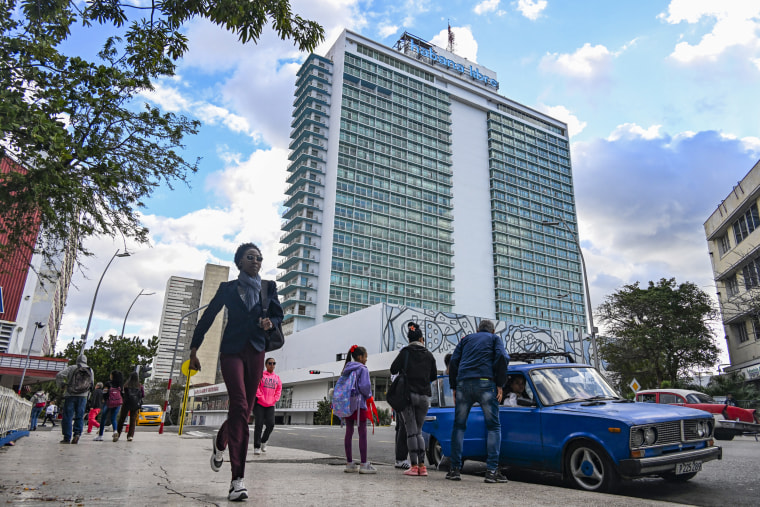
The energy emergency has led to the cancellation of significant events like the Havana International Book Fair and prompted a restructuring of the national baseball season for efficiency. Some banks have limited their operating hours, while fuel distribution companies have ceased selling gas in Cuban pesos, now only accepting dollars with a cap of 20 liters (5.28 gallons) per user.
These measures follow additional cuts announced on Friday, including reductions in bus transportation and limited train services. In a televised address on Thursday, President Miguel Díaz-Canel acknowledged the severity of the situation and warned that further measures would be implemented soon.
U.S. sanctions against Cuba have persisted for over sixty years, severely hindering the nation's economy. However, these sanctions have intensified following a U.S. military operation that ousted former Venezuelan President Nicolás Maduro, with Trump adopting an increasingly confrontational stance toward Latin America.
For many Cubans, this crisis has manifested in power outages lasting up to ten hours, fuel shortages for vehicles, and a scarcity of food and medicine—conditions reminiscent of the severe economic depression known as the Special Period in the 1990s following the withdrawal of Soviet aid.