FBI Findings Reveal Epstein's Operations Lacked Evidence of a Sex Trafficking Network
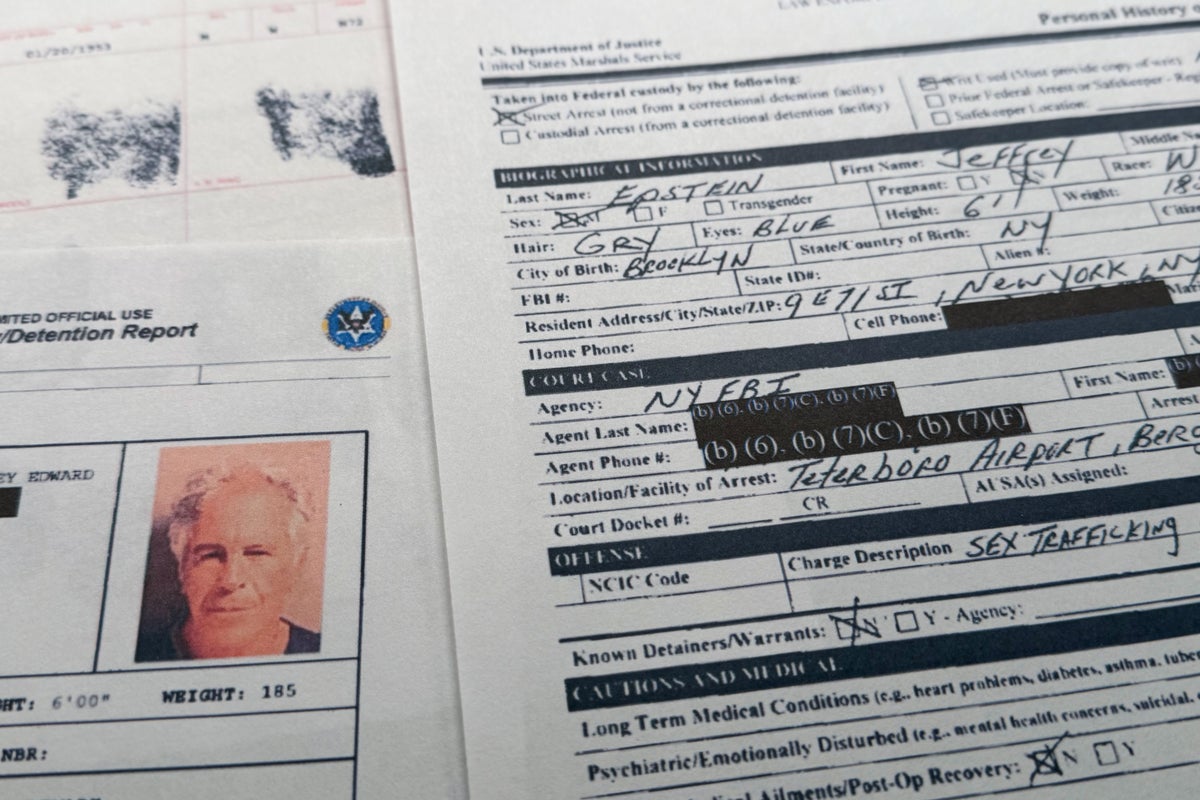
Investigators meticulously combed through Jeffrey Epstein’s financial records, emails, and properties, dedicating years to interviewing victims and scrutinizing his ties to influential individuals. Despite uncovering substantial evidence of Epstein's sexual abuse of minors, the FBI's findings, as revealed in internal Justice Department documents, suggest a lack of proof that he orchestrated a sex trafficking operation catering to elite men.
In a 2025 memo, a prosecutor noted that videos and photographs seized from Epstein’s residences in New York, Florida, and the Virgin Islands failed to show any victims being abused or implicate others in his crimes. An analysis of his financial transactions, including payments to entities associated with prominent figures in various sectors, yielded no links to illicit activities, according to a 2019 internal memo.
While one victim alleged that Epstein “lent her” to wealthy acquaintances, investigators could not corroborate this claim, nor did they find other victims supporting similar narratives. In an email summarizing the investigation last July, agents reported that “four or five” accusers mentioned other individuals who had abused them, but insufficient evidence led to referrals to local law enforcement instead of federal charges.
The release of millions of pages of previously confidential documents under the Epstein Files Transparency Act continues to unfold, potentially revealing overlooked evidence. However, the current documents—including police reports and FBI notes—paint a clearer picture of why authorities opted to close the investigation without pursuing additional charges.
The inquiry into Epstein commenced in 2005 after the parents of a 14-year-old girl reported her molestation at his Palm Beach home. Police identified at least 35 girls with similar accounts, detailing how Epstein paid high school students for sexualized messages. Following the FBI's involvement, federal prosecutors prepared indictments against Epstein and some associates. Yet, then-Miami U.S. Attorney Alexander Acosta brokered a deal allowing Epstein to plead guilty to state charges of soliciting prostitution from a minor, resulting in an 18-month sentence from which he was released by mid-2009.
In 2018, renewed media scrutiny prompted federal prosecutors in New York to reevaluate the allegations against Epstein. He was arrested in July 2019 but died by suicide in his jail cell a month later. Subsequently, Ghislaine Maxwell, a close associate of Epstein, was charged with recruiting several victims and participating in their abuse; she was convicted in 2021 and is currently serving a 20-year sentence.
Despite extensive efforts by federal agents and prosecutors to investigate potential co-conspirators, many sensational claims remained unverified. Virginia Roberts Giuffre, who accused Epstein of facilitating encounters with numerous powerful men, including Prince Andrew, was interviewed multiple times. While investigators confirmed her abuse by Epstein, inconsistencies in her accounts raised concerns. Other victims she named denied having similar experiences.
Giuffre admitted to embellishing parts of her memoir about her time with Epstein and provided varying accounts during interviews. Prosecutors sought to interview Prince Andrew, who declined cooperation. Giuffre later settled a lawsuit against him regarding allegations of sexual misconduct.
Investigators seized numerous videos and photos from Epstein’s properties but found no evidence implicating others in his crimes. The materials included images of minors but did not depict any abuse or involvement from other men. Assistant U.S. Attorney Maurene Comey stated that had such evidence existed, it would have been pursued vigorously.
In 2019, prosecutors considered charging one of Epstein’s assistants but ultimately decided against it, citing her status as a victim of his manipulation. Investigators also looked into Epstein's connections with French modeling agent Jean-Luc Brunel, who faced separate allegations of sexual assault before his death by suicide while awaiting trial.
Prosecutors explored claims against one of Epstein's girlfriends who participated in sexual acts with victims but concluded there was insufficient evidence for charges. Just days before Epstein's arrest, the FBI discussed issuing subpoenas to individuals close to him, including retail mogul Les Wexner. Wexner’s legal team asserted that he had no knowledge of Epstein’s misconduct and had severed ties after discovering financial discrepancies.
Allegations surfaced regarding women who provided massages at Epstein's residence, with one accusing investor Leon Black of inappropriate conduct during a session. The Manhattan district attorney investigated but did not file charges against Black, whose attorney maintained he had no awareness of Epstein's criminal activities.
Attorney General Pam Bondi previously claimed that a “client list” related to Epstein was available for review; however, FBI agents later confirmed that no such list existed. Inquiries into the matter revealed that investigators found no documentation supporting the existence of a client list during their investigation.
The ongoing examination of the released documents continues to shed light on the complexities surrounding Epstein’s case and the challenges faced by investigators in substantiating claims against him and his associates.