Federal Courts Overwhelmed as Trump's Immigration Policies Trigger Legal Chaos
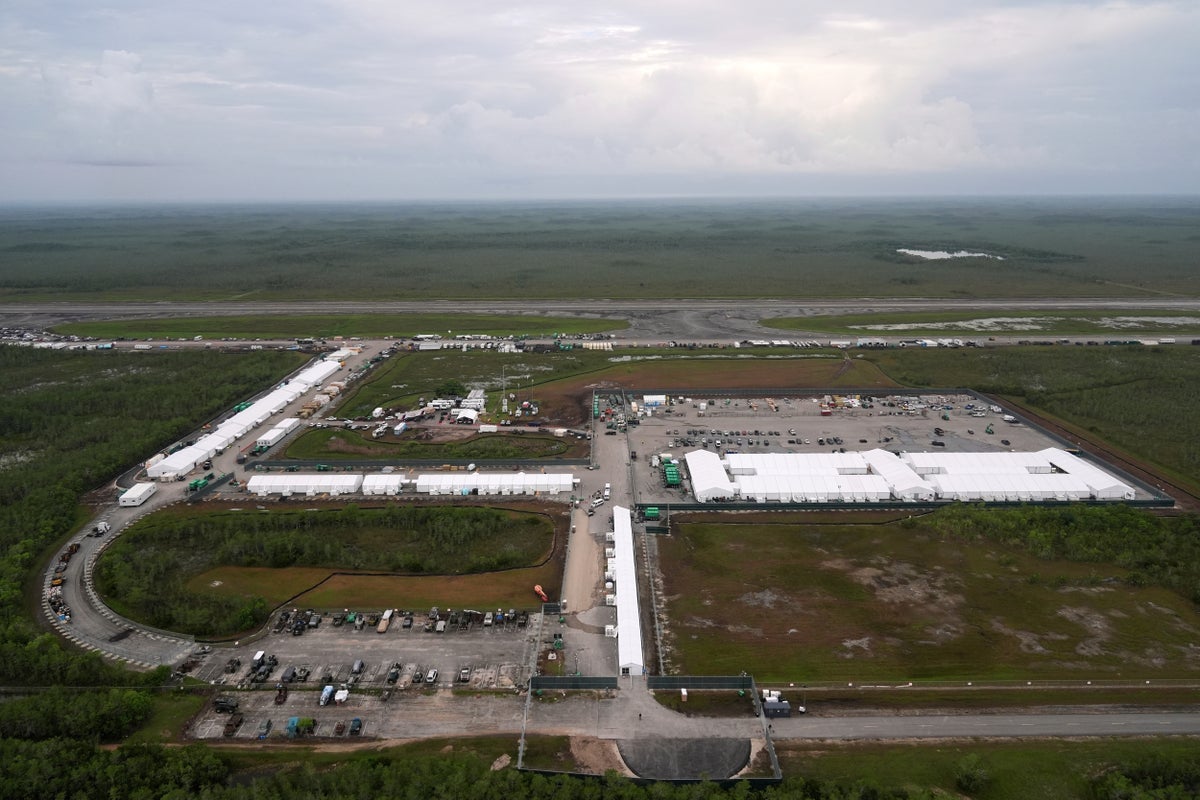
Federal judges nationwide are grappling with an unprecedented influx of lawsuits from immigrants detained under the Trump administration's aggressive deportation policies.
Historically, individuals without criminal records could request bond hearings while their immigration cases progressed, unless apprehended at the border. However, the Trump administration shifted this paradigm, instituting mandatory detention for many.
Thousands of immigrants have turned to federal courts, leveraging habeas corpus petitions as a legal recourse. Despite a significant legal win for the administration recently, the ramifications for federal courts are profound, prompting judges to take action.
Alarm bells are ringing in courtrooms
In Georgia, U.S. District Judge Clay Land described the overwhelming number of habeas petitions as creating “an administrative judicial emergency” in a court order dated January 29. He noted that the Trump administration has ignored his “clear and definitive rulings” against mandatory detention at Stewart Detention Center, compelling the court to mandate individual hearings.
Meanwhile, in Minnesota, U.S. District Chief Judge Patrick Schiltz expressed concern in a January 26 order about the lack of provisions from Trump officials to manage the hundreds of habeas petitions flooding the courts. The government reported over 400 such petitions filed in January alone.
Schiltz, also a Bush nominee, highlighted that since January, the government has repeatedly failed to comply with court orders requiring it to release or provide relief to individuals detained during Operation Metro Surge.
In New York, U.S. District Judge Arun Subramanian noted in December that his district had been “flooded” with petitions from immigrants who posed no flight risk yet remained imprisoned indefinitely. He granted a habeas petition for a 52-year-old Guinean woman, emphasizing that while the government has the right to pursue removal of undocumented individuals, “the way we treat others matters.”
The administration defends its stance
The Department of Homeland Security (DHS) asserted on Friday that it is “more than prepared” to manage the legal workload necessary to implement President Trump’s deportation agenda.
DHS and the Justice Department criticized the judiciary's handling of cases. A statement from the Justice Department claimed that if judges adhered to the law and respected the government's obligations, there would not be an overwhelming habeas caseload.
A recent ruling by a federal appeals court upheld the administration's policy of detaining immigrants without bond, marking a significant legal victory for the government against a backdrop of lower court decisions challenging this practice.
Immigration attorneys accuse the administration of ignoring judicial mandates
In November, U.S. District Judge Sunshine Sykes ruled that the mandatory detention policy was illegal and later expanded this ruling to apply nationwide. However, attorneys representing plaintiffs argue that the administration continues to deny bond hearings.
“This was a clear-cut example of blatant defiance,” said Matt Adams, lead attorney for the plaintiffs, highlighting the administration's disregard for judicial orders.
Sykes noted that the government characterized her ruling as “advisory” and instructed immigration judges—who operate under the Justice Department—to disregard it. She found this directive “troubling.”
DHS responded by accusing “activist judges” of attempting to obstruct President Trump’s mass deportation efforts.
Judges seek solutions to alleviate pressure
Judge Land in Georgia has directed fellow judges in his district to ensure that bond hearings are provided to eligible immigrants based on criteria established in prior habeas cases.
Maryland District Court Chief Judge George L. Russell III has mandated that no immediate removals occur for immigrants filing habeas petitions with his court under specific conditions. He noted an influx of petitions leading to rushed hearings.
In Tacoma, Washington, U.S. District Judge Tiffany Cartwright ordered that detained immigrants at a processing center be informed of her ruling declaring the mandatory detention policy illegal. Cartwright remarked on the significant strain that high volumes of habeas filings have placed on immigration attorneys and the court system.