

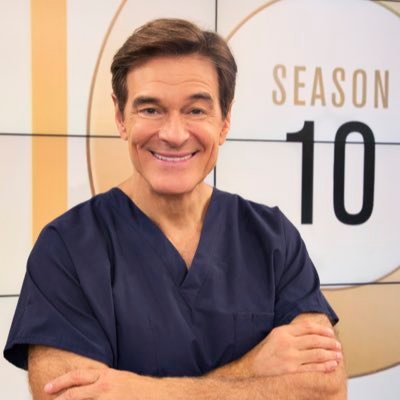
“Get vaccinated now,” declared Dr. Mehmet Oz, a prominent U.S. health official, as measles outbreaks escalate in multiple states, threatening the nation's hard-won elimination status for the disease.
Oz, who oversees the Centers for Medicare and Medicaid Services, emphasized the urgency of vaccination during a recent interview. “We have a solution for our problem,” he stated, despite ongoing skepticism surrounding vaccine safety from some political figures.
In a clear message about the necessity of measles vaccination, Oz remarked, “Not all illnesses are equally dangerous and not all people are equally susceptible to those illnesses. But measles is one you should get your vaccine.” His comments come as South Carolina reports hundreds of cases, surpassing the 2025 outbreak in Texas, with additional cases confirmed along the Utah-Arizona border.
As public distrust in vaccines rises, infectious disease experts warn that this skepticism may be fueling the resurgence of a disease once declared eradicated. “Oh, for sure,” Oz responded when asked if people should fear measles. He assured that Medicare and Medicaid will continue to cover the measles vaccine, stating, “There will never be a barrier to Americans getting access to the measles vaccine.”
Oz also noted that he has consistently advocated for measles vaccinations, referencing Kennedy’s previous statements supporting the vaccine despite his broader skepticism about vaccine recommendations. “When the first outbreak happened in Texas, he said, get your vaccines for measles,” Oz explained.
Last month, the Republican administration revised some childhood vaccine recommendations, a move attributed to a request from Trump to reassess how other nations approach vaccination guidelines. While federal mandates influence state regulations, individual states retain the authority to enforce their own vaccination requirements for schoolchildren.
Recent federal data indicates a decline in U.S. vaccination rates and an increase in children receiving exemptions. Concurrently, diseases preventable by vaccines, such as measles and whooping cough, are on the rise.
Kennedy's history of vaccine skepticism has drawn scrutiny since his nomination to lead the Department of Health and Human Services. During his Senate confirmation testimony last year, he claimed that a controversial trip to Samoa prior to a significant measles outbreak had “nothing to do with vaccines.” However, documents suggest otherwise, indicating that his visit may have bolstered anti-vaccine sentiments before the outbreak that resulted in numerous infections and fatalities among children.
Oz's remarks reflect a broader trend among administration officials who navigate conflicting narratives regarding vaccine efficacy amid shifts in public health policy. During a recent Senate hearing, Jay Bhattacharya from the National Institutes of Health reiterated that no single vaccine causes autism but acknowledged potential negative health effects from certain combinations of vaccines.
Conversely, Kennedy maintains that a definitive link between vaccines and autism has yet to be disproven. He has previously suggested that components like thimerosal could contribute to neurological disorders in children, despite most measles vaccines being thimerosal-free.
Public health officials stress the importance of rebuilding trust in health systems following the pandemic, during which vaccine policies became highly politicized. Misinformation proliferated, leading to increased interest in anti-vaccine activism.
Kennedy has faced criticism for his leadership of the anti-vaccine group Children's Health Defense and for questioning established scientific consensus on vaccines. Public health experts have also condemned unfounded claims made by political leaders regarding vaccines and their links to autism.
As the nation grapples with rising measles cases and declining vaccination rates, the call for immediate action is more pressing than ever. The implications of these outbreaks extend beyond individual health, posing significant risks to public health at large.