HUD Proposal Threatens Housing Stability for Families with Undocumented Members
The U.S. Department of Housing and Urban Development (HUD) is moving forward with a controversial proposal that would bar families with any undocumented members from accessing federally subsidized housing. This initiative also mandates local housing authorities to report tenants deemed ineligible for rental assistance to U.S. Citizenship and Immigration Services.
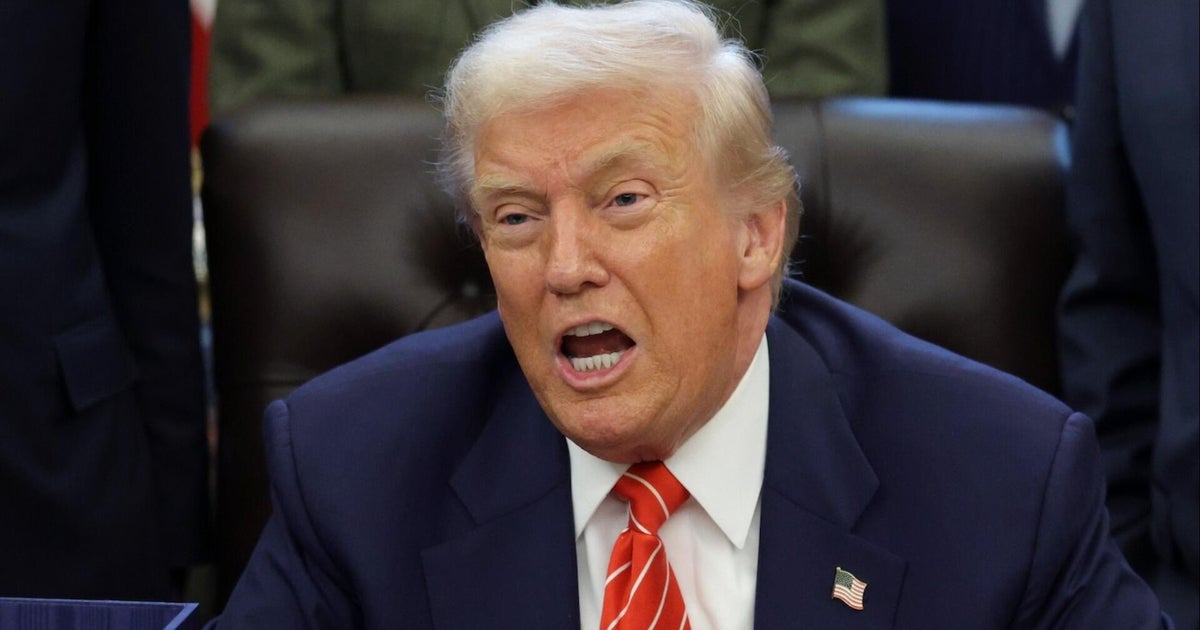
In a recent opinion piece, HUD Secretary Scott Turner emphasized the need to "end the era of illegal aliens and other ineligible noncitizens exploiting public housing resources," framing the rule as part of a broader immigration enforcement strategy under the previous administration.
While undocumented immigrants do not qualify for federal rental aid, they often reside with family members who do, including many U.S.-born children. Turner noted that approximately 24,000 individuals in HUD-subsidized housing fall into this category, arguing that their presence is unfair given the limited resources and extensive waitlists for assistance.
Should this rule be enacted, cities with significant immigrant populations, such as New York and Los Angeles, would likely experience the most substantial repercussions. Critics, including Shamus Roller from the National Housing Law Project, argue that the proposal contradicts federal law and aims to instill fear among immigrant families while diverting attention from the housing crisis.
Previous attempts to implement similar regulations faced fierce opposition from housing advocates and were ultimately abandoned as the pandemic shifted priorities. A recent analysis suggests that nearly 80,000 individuals could face eviction if the new rule is adopted, including around 37,000 U.S. citizen children.
Turner has repeatedly suggested that undocumented immigrants are exploiting public housing benefits. A recent HUD news release featured a provocative headline: "Illegals, Ineligibles and Fraudsters, Pack Your Bags," accompanied by emojis that some found inappropriate.
Local housing authorities maintain that they are adhering to longstanding policies aimed at protecting taxpayer interests. La Shelle Dozier, CEO of the Council of Large Public Housing Authorities, stated that these agencies are dedicated to providing access to housing for vulnerable families.
For families like one woman living in Los Angeles public housing—who requested anonymity due to fears of deportation—the potential changes are alarming. She and her husband immigrated from Mexico nearly thirty years ago and have been working towards legalizing their status. Their children, raised in the U.S., face uncertainty about their future should their family be forced to relocate.

Concerns about separation loom large. "They might not have a place to call home and to come back to," she expressed, highlighting the emotional toll on her teenage children who know little about their parents' homeland.
The Republican policy guide Project 2025 advocates for the mixed-status rule, asserting that HUD's primary obligation is to American citizens in need. Some conservatives argue that it is unjust to provide housing assistance to those who entered the country illegally, especially when demand far exceeds supply.
However, critics point out that mixed-status families often pay higher rents without receiving subsidies, effectively supporting others in need. Marie Claire Tran-Leung from the National Housing Law Project noted that evicting these families could exacerbate poverty and homelessness during an already challenging time for local governments.
Another resident in Los Angeles echoed similar fears about displacement. With a Mexican mother and Guatemalan father, her four U.S.-born children could face dire consequences if they lose their home. "We have to focus on saving so that we can take care of our kids," she said, emphasizing the precarious nature of her family's situation amid increased immigration enforcement.
The HUD proposal will be open for public comment for 60 days starting Friday. The agency must consider these comments before finalizing the rule. In previous discussions surrounding similar measures, overwhelming public opposition was noted, which could influence potential legal challenges ahead.