I confronted Trump over the Chagos deal – his flip-flops are perplexing
Sir Keir Starmer's tenure as prime minister has been marked by a series of notable reversals, a trend that has become increasingly apparent since he took office.
From adjustments on farmers’ inheritance tax to welfare reforms and a recent pivot regarding local elections, these U-turns have frustrated many within his party, particularly among backbenchers.
However, none of these changes can compare to the bewildering about-face exhibited by Donald Trump concerning the UK’s agreement to transfer sovereignty of the Chagos Islands to Mauritius.
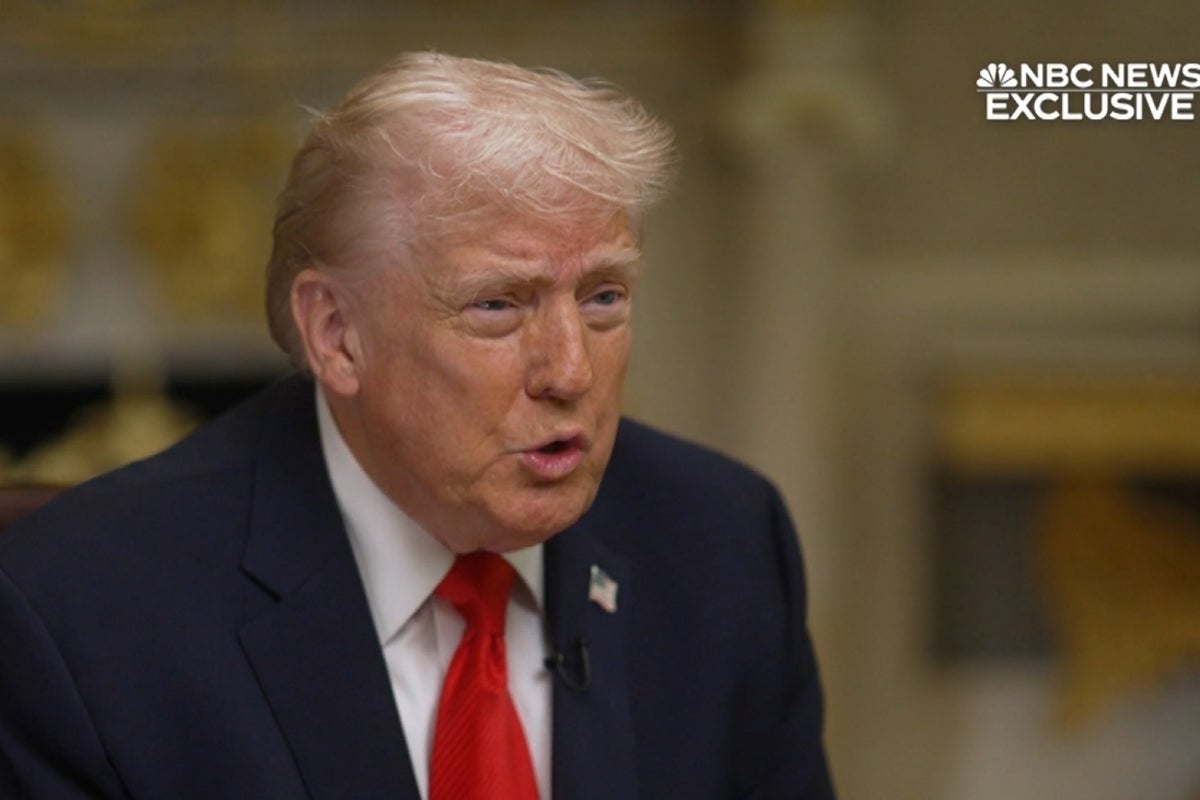
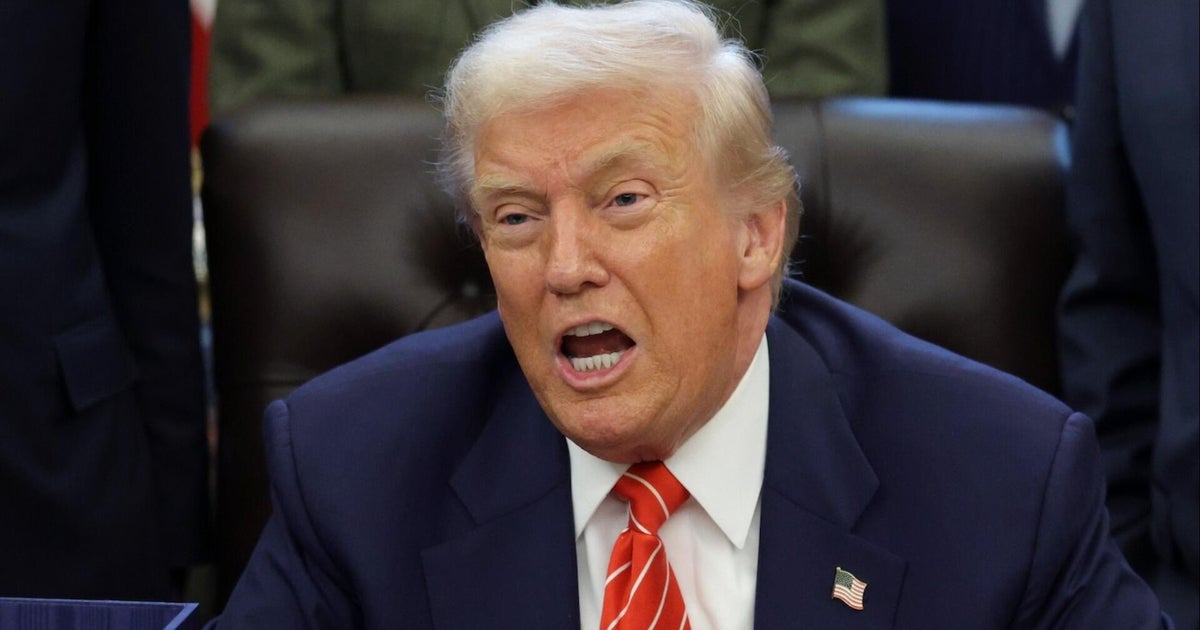
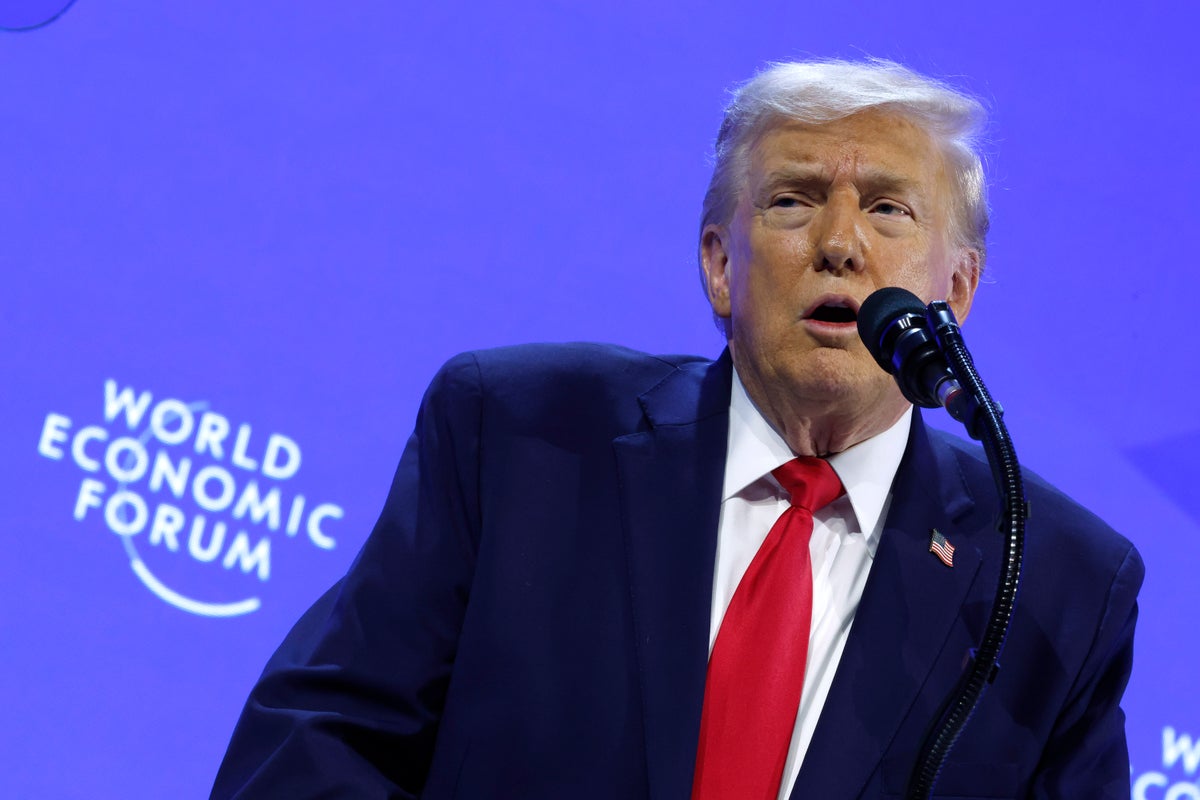
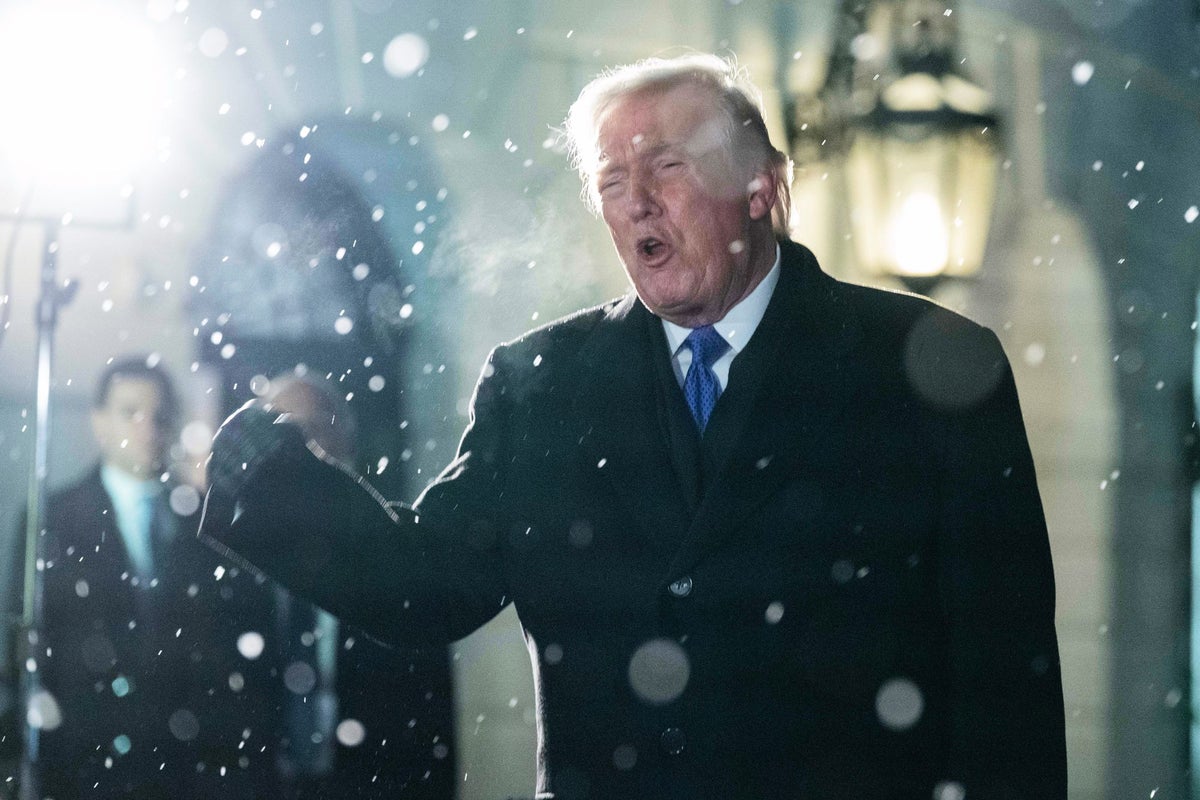
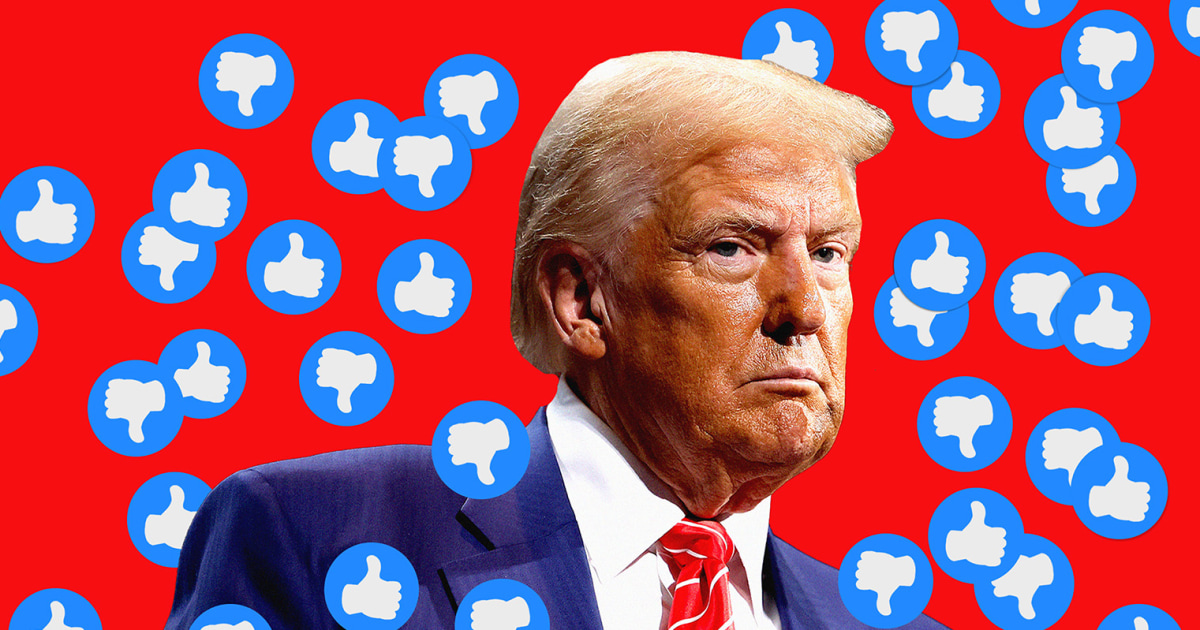
On Wednesday, Trump criticized Starmer, labeling the UK’s decision as “a big mistake.” This statement came just a day after his administration expressed support for the deal, which would return the Chagos archipelago to Mauritius. Earlier in February, he had even described Starmer’s arrangement as “the best he could make.”
This latest reversal follows a previous instance where Trump shocked officials in Downing Street by denouncing the deal as an “act of great stupidity,” coinciding with his controversial attempts to annex Greenland.
The sudden shift is particularly striking given that less than a year ago, after extensive discussions with Starmer’s team about securing the islands' future, Trump appeared fully supportive.
I was present in the Oval Office during that initial meeting between Starmer and Trump last February.
After Starmer extended an invitation from the King for a historic second state visit, Trump responded to a reporter's inquiry regarding the contentious plan to transfer Chagos to Mauritius.
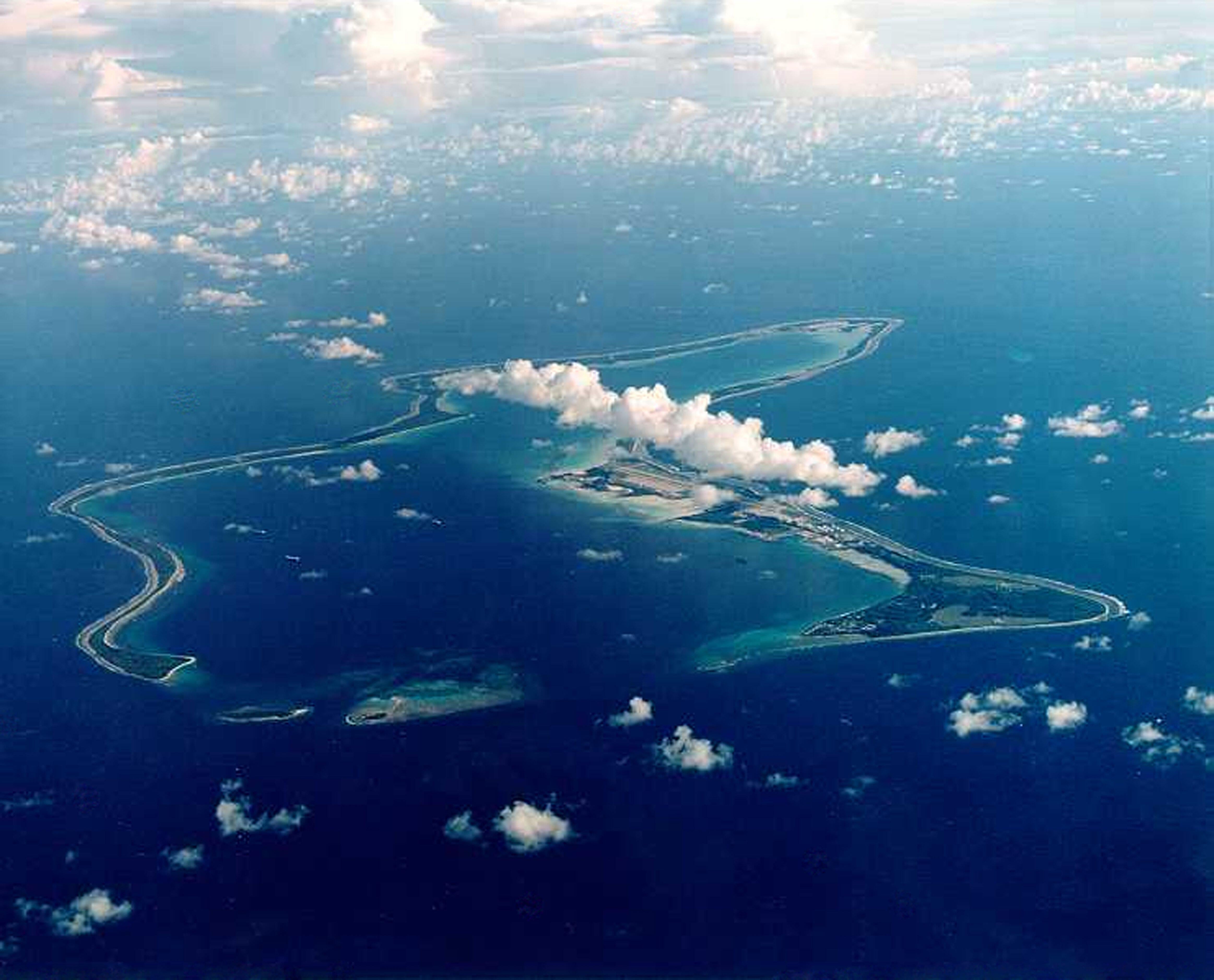
Expectations were that he would express skepticism or even reject the proposal, crucial for both the UK and US due to the Diego Garcia airbase located there.
Contrary to those expectations, Trump stated: “I have a feeling it is going to work out very well. I think we will be inclined to go along with your country.”
This came despite lobbying efforts from Nigel Farage and others urging him to veto the deal, while then Foreign Secretary David Lammy suggested that opposition from Trump would halt the handover.
That supportive statement, later reinforced by a formal agreement from Secretary of State Marco Rubio in May, facilitated Starmer’s progress on the Chagos deal.
Despite ongoing discussions, significant issues remain unresolved. The financial burden exceeding £30 billion on UK taxpayers (not US), concerns regarding the fate of Chagossians, and legislative delays continue to loom large.
So what prompted Trump’s latest U-turn?
Sources indicate that opponents of the deal have persistently lobbied Trump, urging him to intervene and halt the transfer. It appears their efforts may have resonated.
Yet, can this really compel Trump to acknowledge he was mistaken last year?
Another factor influencing his reversal could be his newfound understanding of international law regarding territorial claims. The same legal principles asserting Mauritius's rights over Chagos also apply to Denmark's ownership of Greenland. His aggressive rhetoric and tariff threats suggest a desire for US control over Greenland.
Arguments from the Labour government asserting an obligation under international law to relinquish the islands may not resonate with this administration and could exacerbate tensions regarding Greenland.
Trump's recent Truth Social post also referenced Iran amid escalating tensions, stating that “should Iran decide not to make a Deal, it may be necessary for the United States to use Diego Garcia … in order to eradicate a potential attack by a highly unstable and dangerous Regime.”
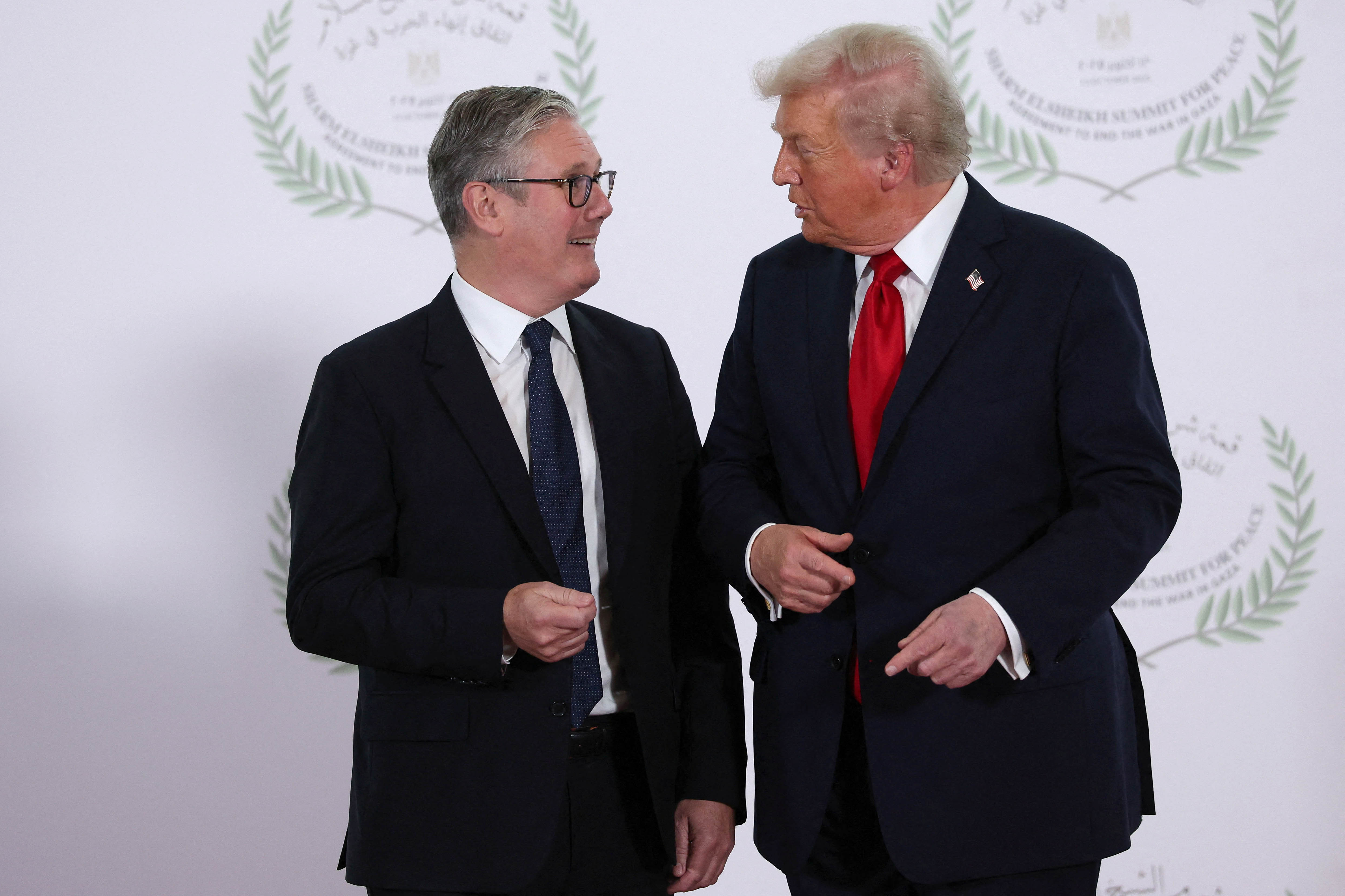
This situation raises broader concerns. Starmer has gained recognition among global leaders as “the Trump whisperer.”
He successfully negotiated various agreements with Trump, including a more favorable trade deal than that offered to the EU and the Chagos arrangement. However, this latest development suggests a deterioration in their relationship.
If Starmer's influence over the unpredictable US president is diminishing, it poses significant challenges. His foreign policy aims to bridge US-European relations; without that connection, Britain risks becoming increasingly isolated.
Starmer had maintained a cordial relationship with Trump following last year’s state visit, but even the prospect of King Charles's reciprocal visit seems insufficient to sway Trump toward reason.
During an emergency press conference yesterday, Starmer received praise for defending Denmark as a fellow NATO ally. Yet, Trump perceives this as a betrayal, and his comments on Chagos signal a new chapter in what is rapidly becoming a contentious relationship.