Iran Expands Repression, Targeting Reformist Leaders
In a stark display of authority, Iranian security forces have intensified their campaign against dissent, focusing on prominent figures within the reformist movement. Reports emerging from Dubai indicate that this crackdown follows a violent suppression of nationwide protests that resulted in thousands of deaths and detentions.
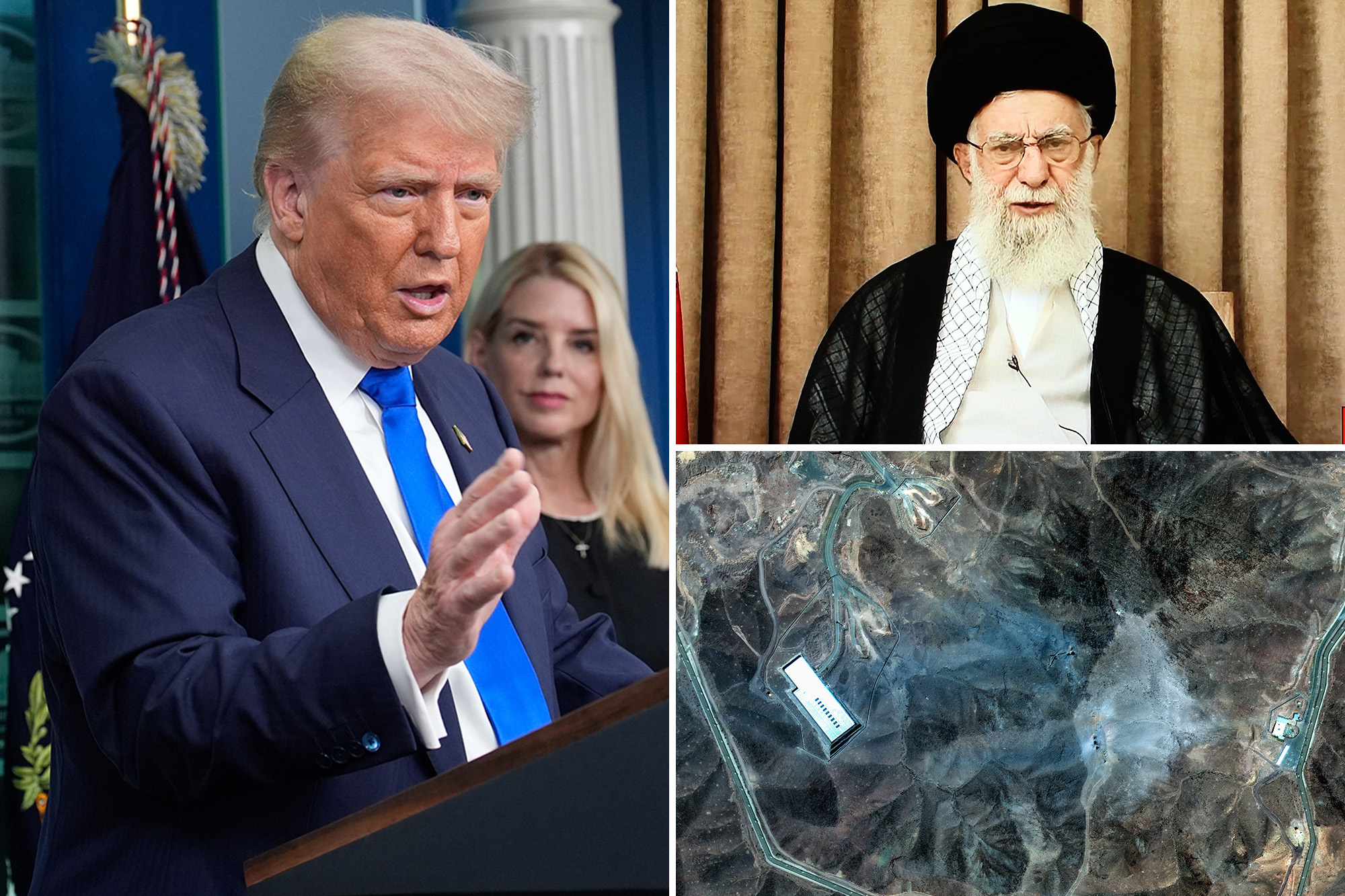
Among those targeted is Nobel Peace Prize laureate Narges Mohammadi, who has recently received an additional prison sentence exceeding seven years. This move underscores the regime's determination to silence opposition as it navigates renewed nuclear negotiations with the United States. President Trump has issued stern warnings about potential military action if diplomatic efforts fail.
At least four members of the reformist faction have been arrested, including Azar Mansouri, leader of the Reformist Front, and former diplomat Mohsen Aminzadeh, who served under President Mohammad Khatami. Ebrahim Asgharzadeh, known for his role in the 1979 U.S. Embassy takeover, is also among those detained.
The arrests appear linked to a reformist statement from January demanding the resignation of Supreme Leader Ayatollah Ali Khamenei and the establishment of a transitional governing council. Tehran's state-run IRNA news agency reported that prosecutors accused these individuals of orchestrating activities aimed at destabilizing the political landscape amid perceived military threats from the U.S. and Israel.
Ali Vaez, an expert at the International Crisis Group, remarked on the regime's shift in focus: "Having bludgeoned the streets into silence with exemplary cruelty, the regime has shifted its attention inward, fixing its stare on its loyal opposition." He noted that reformists are increasingly feeling the pressure as the government seeks to eliminate dissent before it gains momentum.
However, the extent of political support for reformists within Iran remains ambiguous. The fervent cries of "Death to Khamenei!" during recent protests suggest a broader discontent that may not distinguish between reformists and other political figures associated with the Islamic Republic.

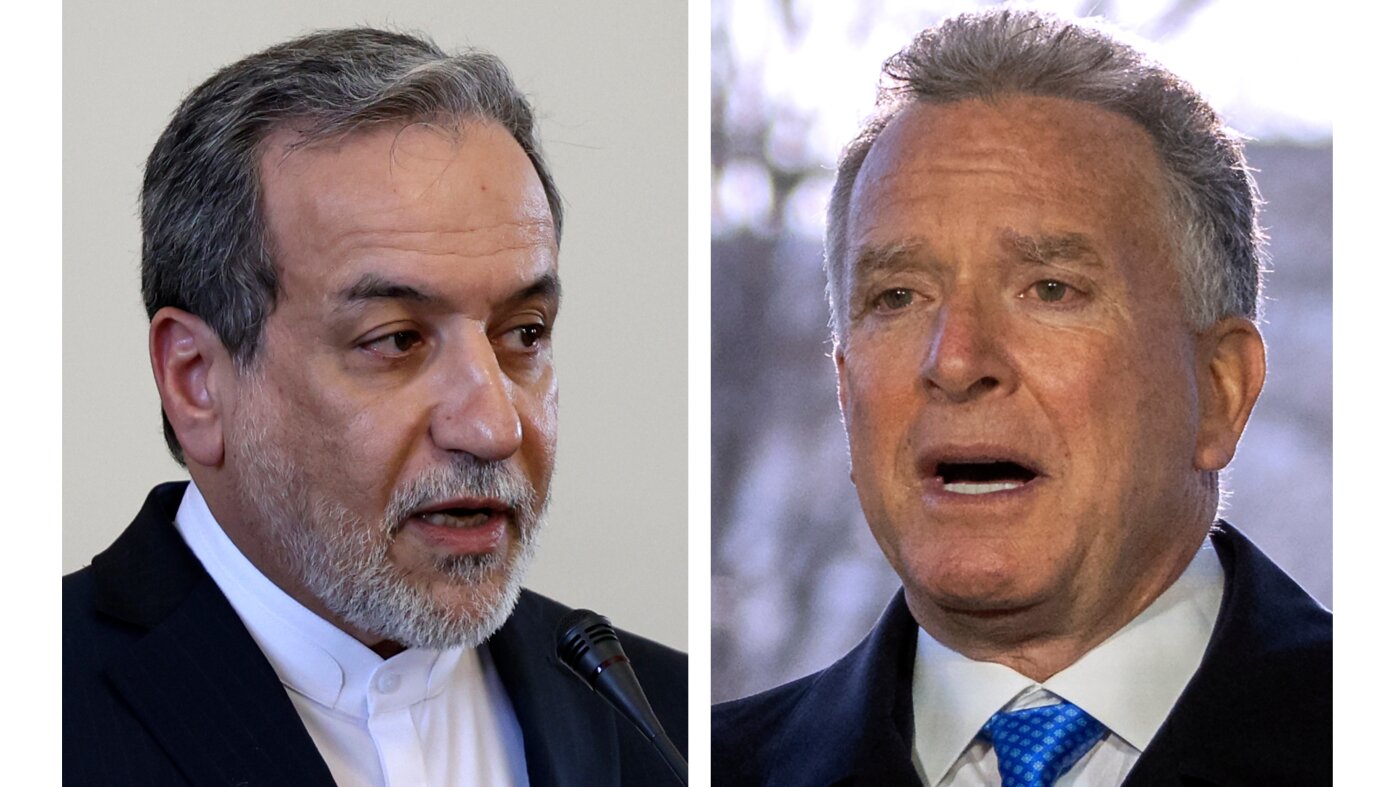
In parallel developments, Iran and the U.S. engaged in new nuclear discussions last week in Oman. Foreign Minister Abbas Araghchi reiterated Iran's stance on uranium enrichment, a contentious issue that has drawn ire from Trump, particularly following military actions against Iranian sites during recent conflicts.
Israeli Prime Minister Benjamin Netanyahu is set to visit Washington this week, with Iran expected to dominate discussions. Meanwhile, the U.S. has deployed the USS Abraham Lincoln and additional military assets to the Middle East, signaling readiness to exert pressure on Iran or respond militarily if necessary.
As tensions escalate, Iran has warned pilots of impending "rocket launches" scheduled for Monday into Tuesday over Semnan province, where the Imam Khomeini Spaceport is located. Such launches often coincide with commemorations of the 1979 Islamic Revolution.