A post from U.S. Vice President JD Vance's team, which labeled the early 20th-century mass killings of Armenians by the Ottoman Empire as 'Armenian genocide,' was promptly removed after it went live.
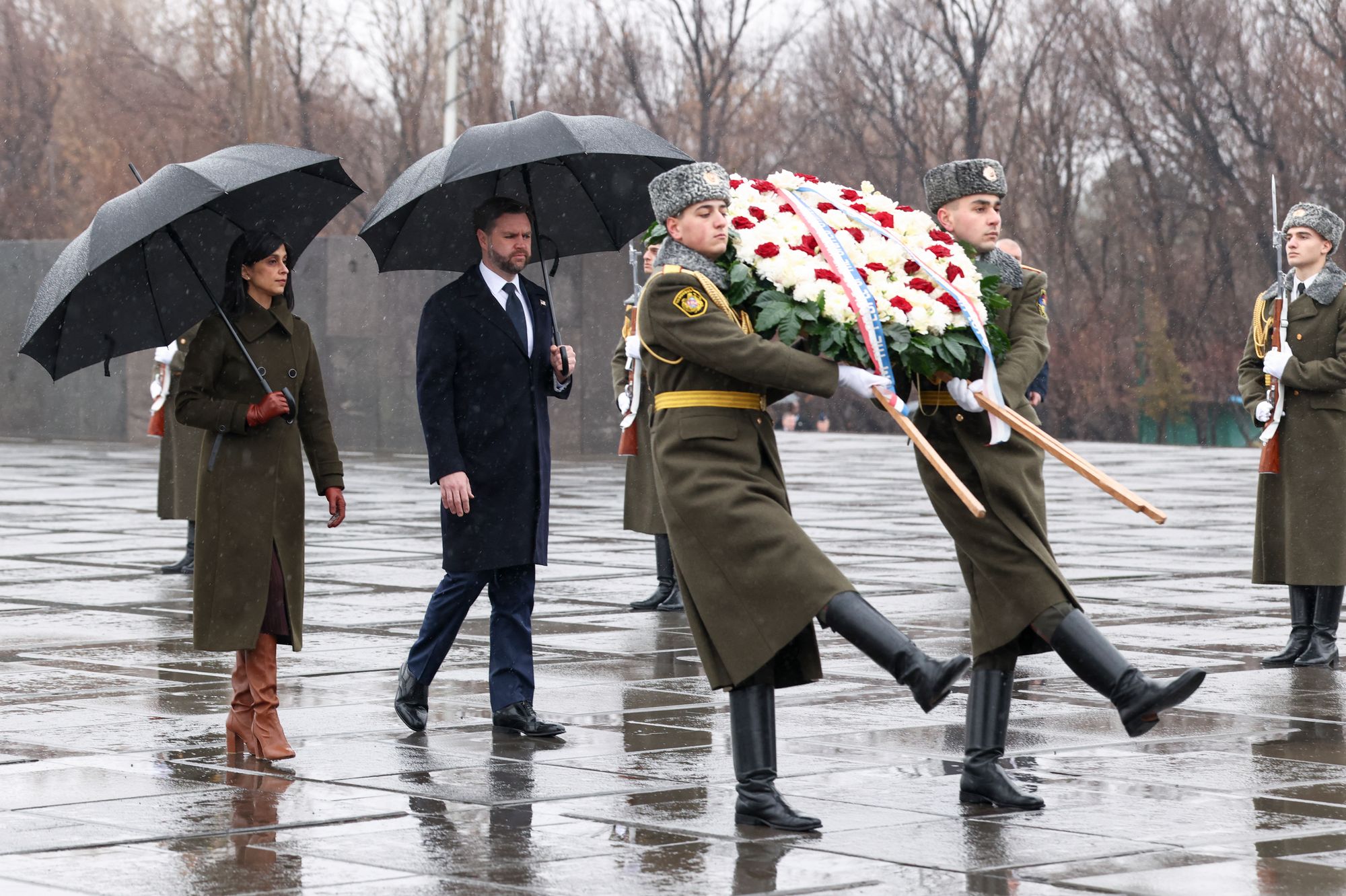
This message followed Vance's visit to the Armenian Genocide Memorial, a site dedicated to honoring the victims of these historical atrocities.
The terminology surrounding this event is particularly delicate; the U.S. government has traditionally avoided officially classifying these events as genocide.
While the Biden administration previously acknowledged the term, they later attributed this specific instance to an error made by staff.
Questions arise regarding the implications of this incident, what Vance articulated during his visit, and its significance.
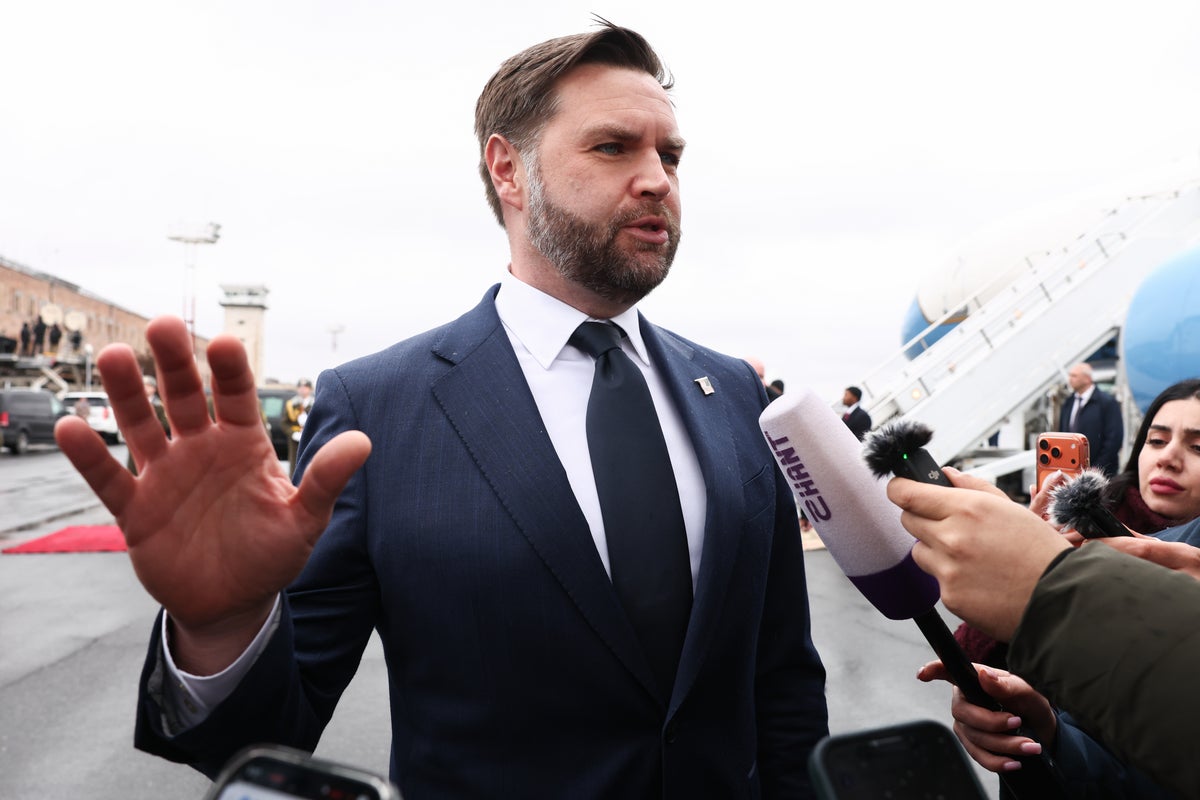
During his visit to Armenia’s national monument, Vance paid tribute to those who perished under the Ottoman Empire's oppressive regime during World War I.

His initial post on X, which stated he was there “to honor the victims of the Armenian genocide,” was quickly replaced with another that featured his guest book entry and a video of him and Usha Vance laying flowers at the memorial.
As the first U.S. vice president to visit Armenia, Vance's trip was part of a broader initiative by the Trump administration aimed at addressing a long-standing conflict between Armenia and Azerbaijan, where he traveled later that day.
The term “genocide” carries significant weight and is used with caution by governments, international organizations, and media outlets alike.
The United Nations defined genocide in 1948 as acts committed with the intent to destroy, in whole or in part, a national, ethnical, racial, or religious group, according to longstanding interpretations by the U.S. State Department.
It is well-documented that many thousands of Armenian citizens, predominantly Christians, lost their lives under the orders of the Committee of Union and Progress, which governed the Muslim leadership in Constantinople, now Istanbul.
The U.S. Holocaust Memorial Museum estimates that “at least 664,000 and possibly as many as 1.2 million” Armenians died during this period.
However, due to concerns about straining relations with Turkey—a crucial ally—the U.S. government has historically refrained from labeling these events as genocide. In 2021, President Biden formally recognized the systematic killings and deportations of Armenians by Ottoman forces as genocide.
This acknowledgment provoked a furious response from Turkey, with officials asserting they would not accept historical lessons from any external party.
Communities of Armenian descent commemorate the victims through memorials and an annual day of remembrance observed globally, including in the United States.
When asked about his visit and whether he was “recognizing” genocide, Vance sidestepped the term. He stated he attended to “pay my respects” at the invitation of Armenian Prime Minister Nikol Pashinyan and his administration.
“They indicated this is a very important site for us, and obviously I’m the first (U.S.) vice president to ever visit Armenia,” Vance remarked. “They invited us to visit the site. It’s a tragic event that occurred over a century ago and holds significant cultural importance for them.”
He emphasized that his visit was “a sign of respect for both the victims and for the Armenian government, which has been a vital partner for us in the region.”

The White House attributed the original post's removal to a staff member's oversight. This incident marks the second time within a week that an unnamed aide has been held accountable for a social media misstep. Just days prior, a controversial video shared by Trump on Truth Social depicting former President Barack Obama and First Lady Michelle Obama in a derogatory manner faced backlash before being deleted.
It remains uncertain if there will be any diplomatic fallout from this incident. Vance appeared focused on maintaining attention on his trip's primary objectives.
“I believe the president brokered an excellent peace deal. The administration is effectively implementing it,” Vance stated.
Nonetheless, there lingers a political question regarding how Armenian Americans will respond, highlighting once again the U.S.'s hesitance to use the term “genocide” in reference to events that many Armenians remember as such.