Minneapolis Immigration Enforcement Triggers Surge in Abortion Appointment Cancellations
In Minneapolis, the repercussions of the Trump administration's immigration enforcement are evident as medical providers report a troubling rise in missed appointments for abortion and reproductive health services. The crackdown may be easing, but its effects linger.
“Fear permeates the atmosphere,” stated Ruth Richardson, CEO of Planned Parenthood North Central States, during a recent interview. “Patients and staff alike are on edge.”
Data indicates that since December 1, no-show rates at Planned Parenthood clinics in Minnesota have surged by over 8 percent. Those most affected are individuals seeking family planning services, which encompass contraception, wellness visits, cancer screenings, and STI testing.
Our Justice, a local abortion fund, reported a decline in funding requests this January—82 requests compared to 131 last January. This drop reflects a broader trend of individuals avoiding necessary care.
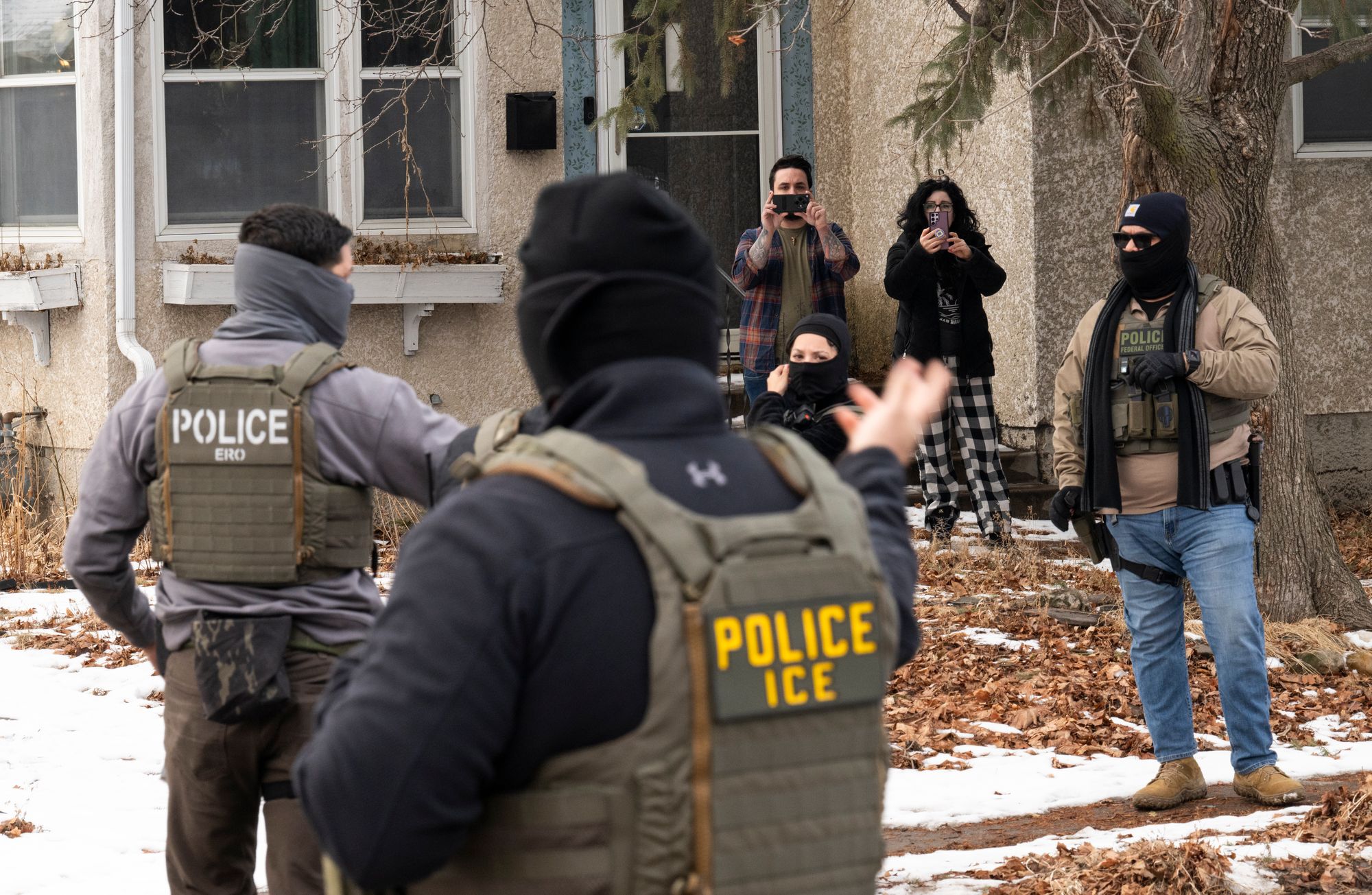
Health advocates stress that while abortion is generally safe, postponing care can lead to increased costs and health risks. Medical professionals across the Twin Cities are voicing concerns about the disruption caused by immigration enforcement.
“Our healing spaces are under attack,” remarked Dr. Roli Dwivedi, former president of the Minnesota Academy of Family Physicians, at a press conference. “In my 19 years of practice here, I’ve never witnessed such chaos and fear.”
During the press conference, physicians recounted instances of patients missing follow-up appointments or entirely avoiding care due to fears of detention. A Portland resident shared a harrowing account of ICE agents arresting her friends—a family of Venezuelan asylum seekers—while they waited for medical treatment for their child.
Concerns extend beyond individual cases; the Trump administration's policy of sharing Medicaid data with immigration officials has further deterred individuals from seeking medical assistance. “If hospitals inform patients that their Emergency Medicaid information will be disclosed to ICE, many immigrants will likely refrain from seeking emergency care,” warned Leonardo Cuello from Georgetown University’s Center for Children and Families. “This could jeopardize the health of mothers and their U.S. citizen babies.”
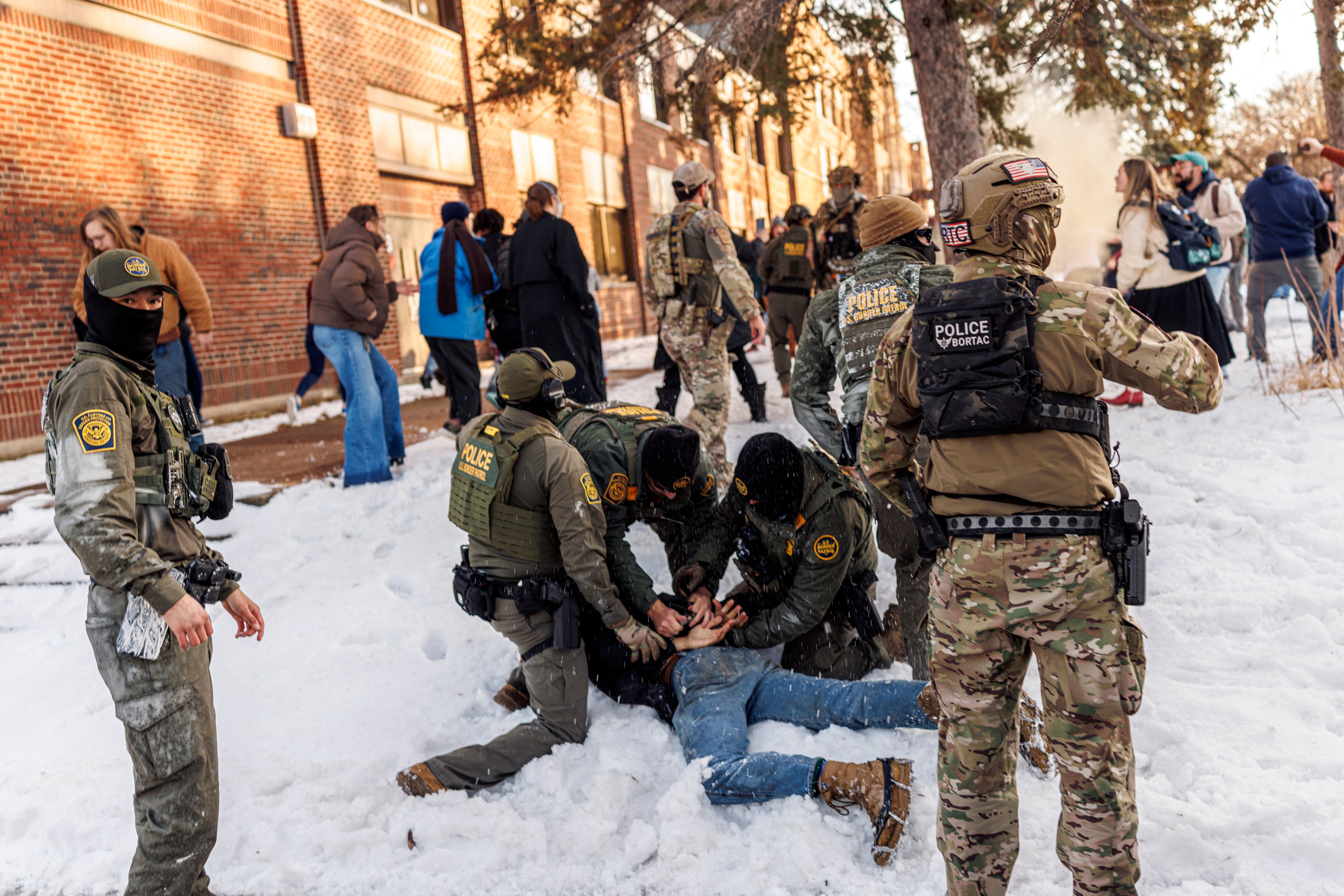
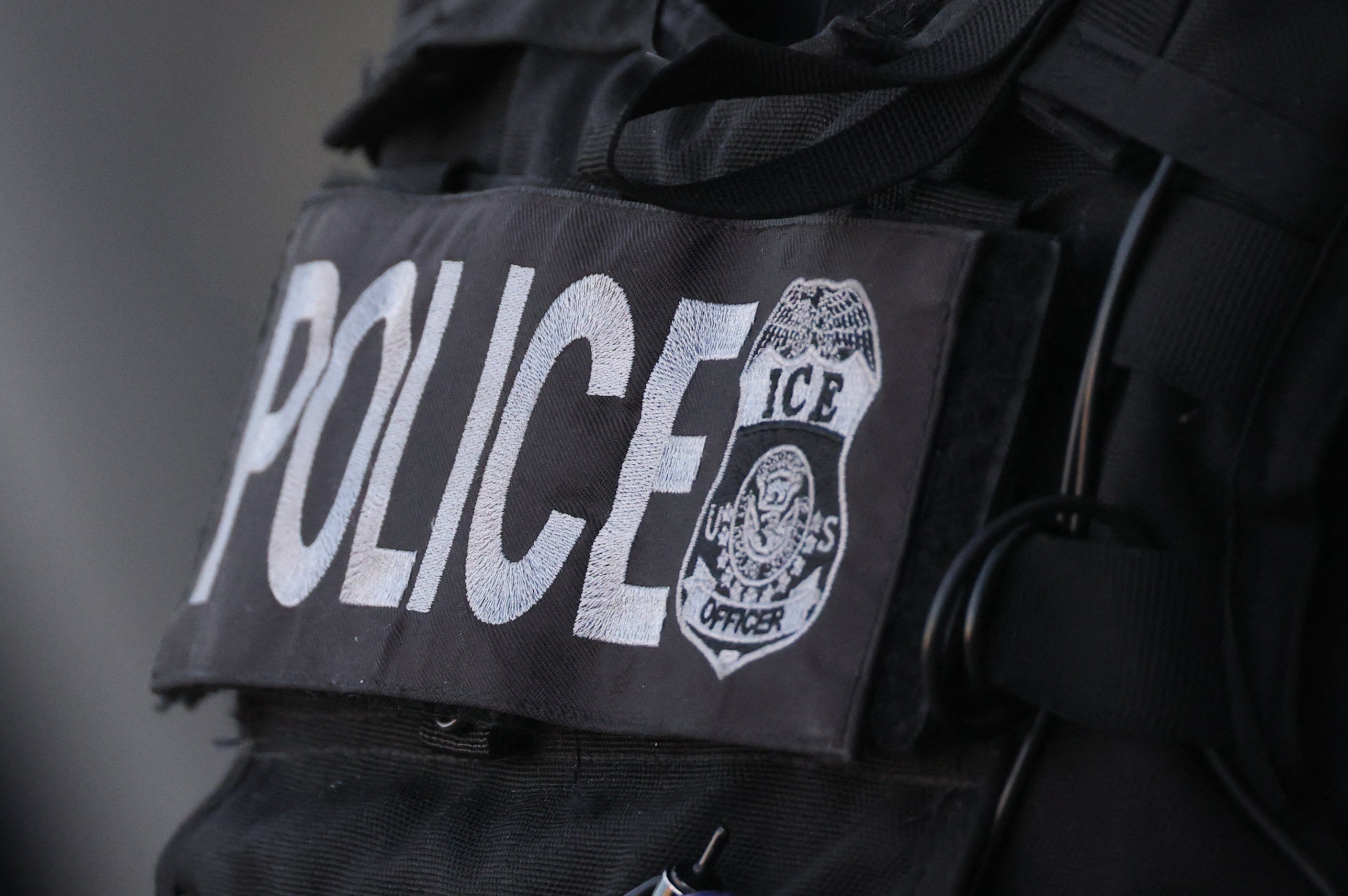
Last year marked a shift in policy, allowing immigration agencies to conduct arrests at sensitive locations like hospitals and schools, reversing a decade-long practice that protected these spaces.
“ICE does not enforce at hospitals—period,” asserted Department of Homeland Security Assistant Secretary Tricia McLaughlin. “We only enter if there’s an immediate threat to public safety.”
However, reports from other sensitive locations reveal similar anxieties. Thousands of students have skipped classes during the administration's deportation efforts, with parents facing arrests near schools across multiple states.
The administration's approach has also led to arrests of individuals attending previously sanctioned appointments at courthouses and government buildings, further exacerbating fears within immigrant communities.