NATO Transfers Two Commands to European Control Amid Trump’s Push for Increased Defense Contributions
NATO is set to transition two Joint Force Commands from U.S. oversight to European leadership, a decision influenced by President Trump's ongoing insistence that European nations bolster their defense contributions. This strategic shift is expected to unfold over the next few years.
In a statement released prior to an upcoming defense ministers' meeting, NATO emphasized that this move aims to redistribute responsibilities more equitably among member nations, allowing European allies to assume greater roles within NATO's command framework. Despite this transition, the U.S. will retain its position as the supreme allied commander Europe (SACEUR), underscoring America's commitment to NATO's command and control structure.
Last month, the Trump administration unveiled its National Defense Strategy, which highlighted the necessity for NATO allies to take primary responsibility for European defense while the U.S. shifts focus towards homeland security and countering threats from China.
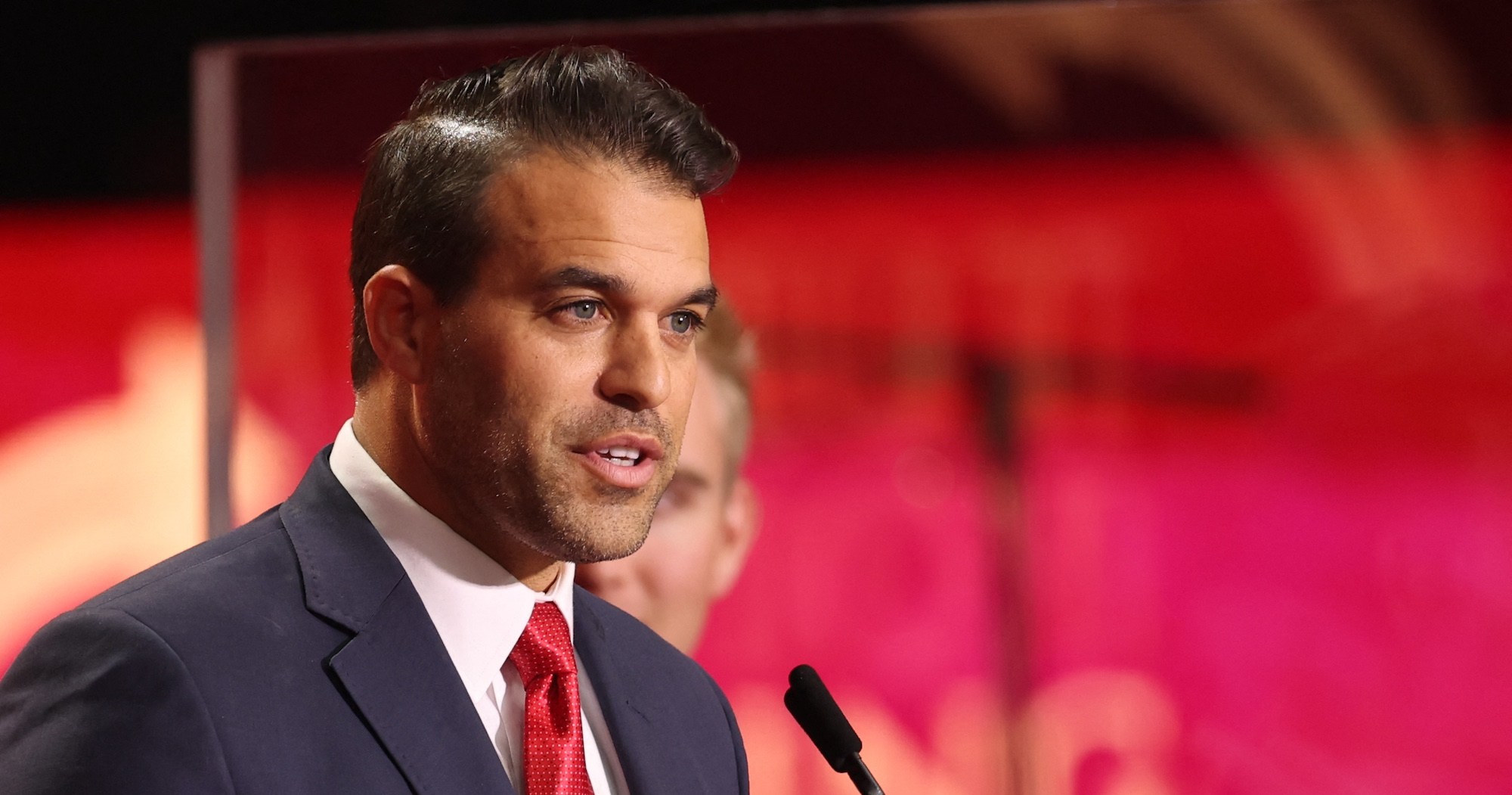
Elbridge Colby, Under Secretary of Defense for Policy and the principal author of the National Defense Strategy, is slated to represent the U.S. at this week's NATO Defense Ministerial, marking a notable absence of Defense Secretary Pete Hegseth, who has not missed a ministerial since assuming office.
The gradual transfer of command is seen as a collaborative decision among all NATO allies. A Pentagon official remarked that this change "strengthens the alliance by showcasing European leadership in defense and enhancing capabilities across the continent."
The command based in Norfolk, Virginia, will continue under U.S. Navy control even as a U.K. officer takes command. This facility is recognized as NATO's newest operational command, tasked with safeguarding the Atlantic and Arctic regions.
Italy is set to assume control of Joint Force Command Naples, while Germany and Poland will share leadership of Joint Force Command Brunssum on a rotational basis. Following these adjustments, all three Joint Force Commands responsible for crisis operations will be under European leadership.
Meanwhile, the U.S. will take charge of the Allied Maritime Command, currently led by a British vice admiral, thereby leading all three functional commands: Allied Maritime Command, Allied Land Command, and Allied Air Command.
The SACEUR position, traditionally held by an American officer, is currently occupied by Air Force Gen. Alexus G. Grynkewich, who oversees 80,000 U.S. service members in the European Command.