New Jersey's Special Election: What Lies Ahead
The political landscape in New Jersey is shifting as the special election approaches, with significant implications for both parties. The latest edition of From the Politics Desk highlights a surge of retirements in Congress, prompting discussions about the future of political representation.
Congress is witnessing an unprecedented wave of retirements, with members citing various reasons for their departures. Some lawmakers feel they have reached a suitable retirement age, while others prioritize health or family commitments. A growing number express dissatisfaction with the current political climate, leading to a record number of exits ahead of the 2026 midterm elections.
Recently, two House Republicans announced their retirements: Rep. Barry Loudermilk from Georgia and Rep. Mark Amodei from Nevada. Loudermilk expressed a desire to spend more time with family, while Amodei stated it was time for a transition in Nevada. These announcements contribute to a total of 60 members opting out of re-election this year, marking the highest rate of retirements this century.
As the number of House departures approaches the 2018 high, it’s evident that more Republicans are choosing to leave than Democrats. Factors influencing these decisions range from personal health issues to the unappealing prospect of being part of a minority party.
Among those leaving is Democratic Rep. Raja Krishnamoorthi, who is vying for an open Senate seat in Illinois. He articulated his motivation: “The chance to be in a body that would hold the president accountable... it’s too hard to pass up.” His comments reflect a broader sentiment among lawmakers regarding the challenges and frustrations of serving in Congress.
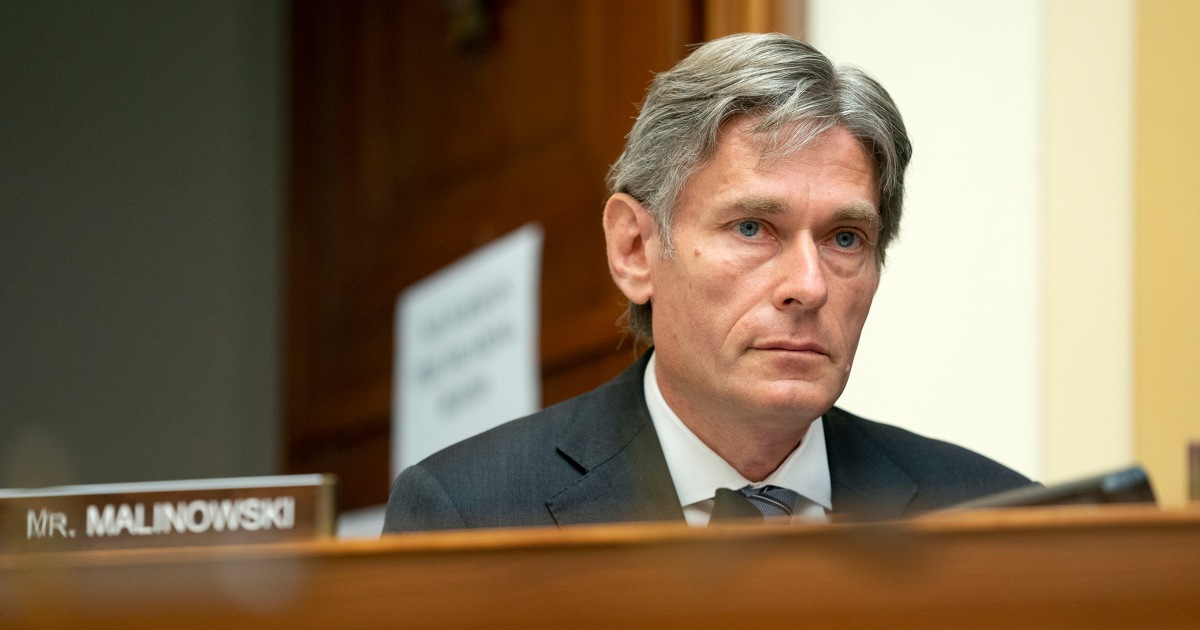
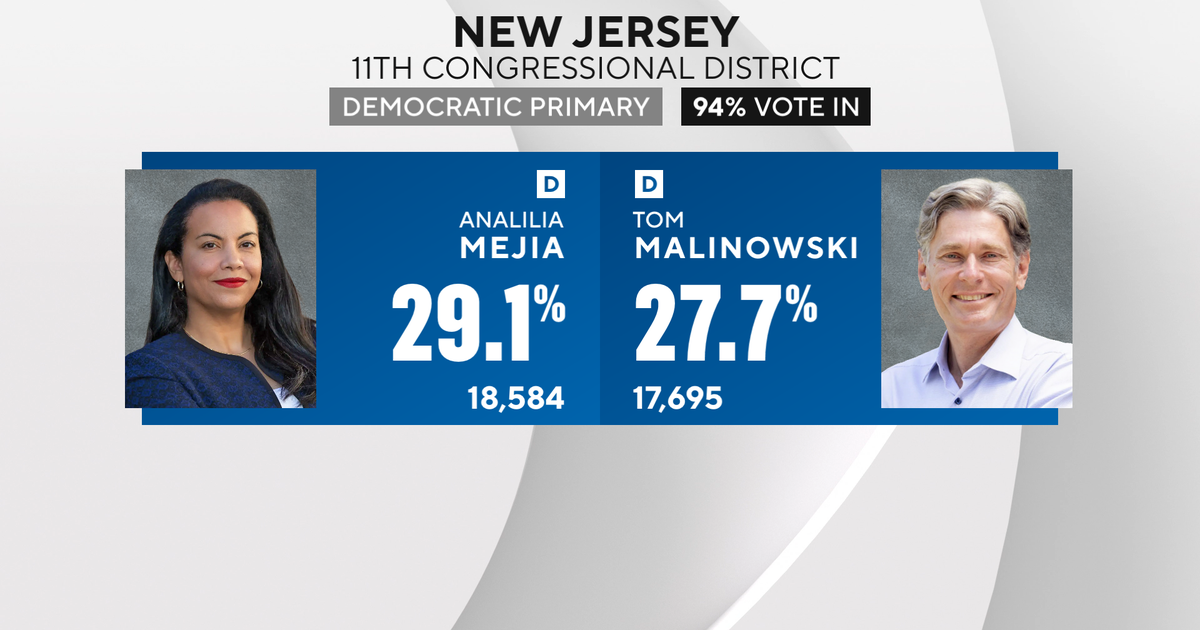
In New Jersey, former Rep. Tom Malinowski conceded to Analilia Mejia in the special Democratic primary for the 11th Congressional District, positioning Mejia as a frontrunner against Republican Joe Hathaway in the upcoming general election. Mejia, an activist backed by prominent progressive figures, has maintained a lead in the primary despite lacking traditional party support.
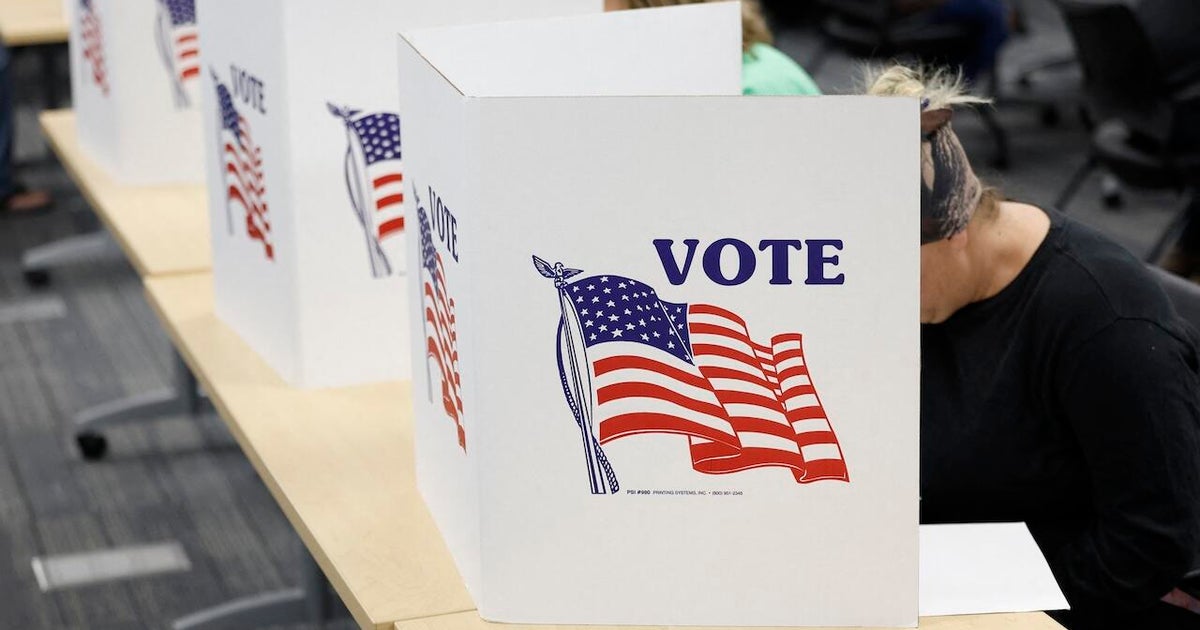
The April 16 special election will test whether Mejia’s progressive platform resonates with moderate suburban voters in a district that has historically leaned Democratic. The outcome may hinge on whether concerns about President Trump outweigh any reservations voters might have about Mejia’s policies.
Recent trends in House special elections suggest a favorable environment for Democrats, as candidates have consistently outperformed previous vote shares since Trump’s return to office. The April election will fill the remaining term of Mikie Sherrill, who vacated the seat after being elected governor.
Looking ahead, speculation surrounds potential challengers for Mejia in the June primary for a full two-year term. The pro-Israel group AIPAC and its affiliated PAC played a significant role in the recent primary, raising questions about their influence moving forward. Former Lt. Gov. Tahesha Way, who finished third in the primary, may consider another run, especially if Mejia underperforms in April.
However, internal party dynamics could complicate Way’s ambitions. As Malinowski conceded, state Democratic leaders are urging unity behind Mejia, which could bolster her position as she navigates the upcoming election cycle. Malinowski also pledged to oppose any AIPAC-backed candidate should one emerge.
This evolving political narrative underscores the complexities and uncertainties surrounding New Jersey's special election and the broader implications for congressional dynamics as retirements reshape the landscape.
For more insights and updates, stay tuned to From the Politics Desk.