
NFL Icon Chooses Kid Rock Over Bad Bunny for Halftime Show
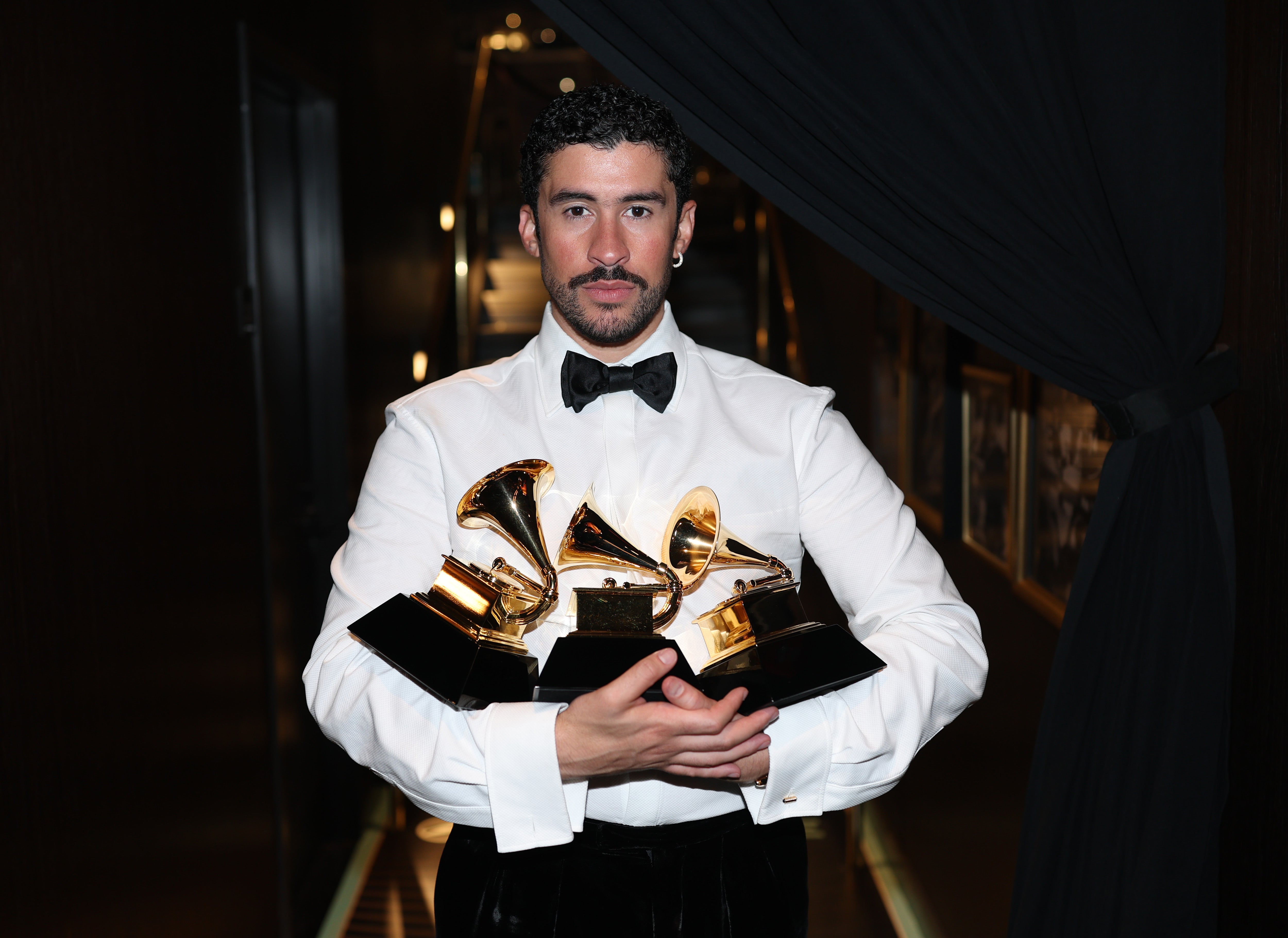
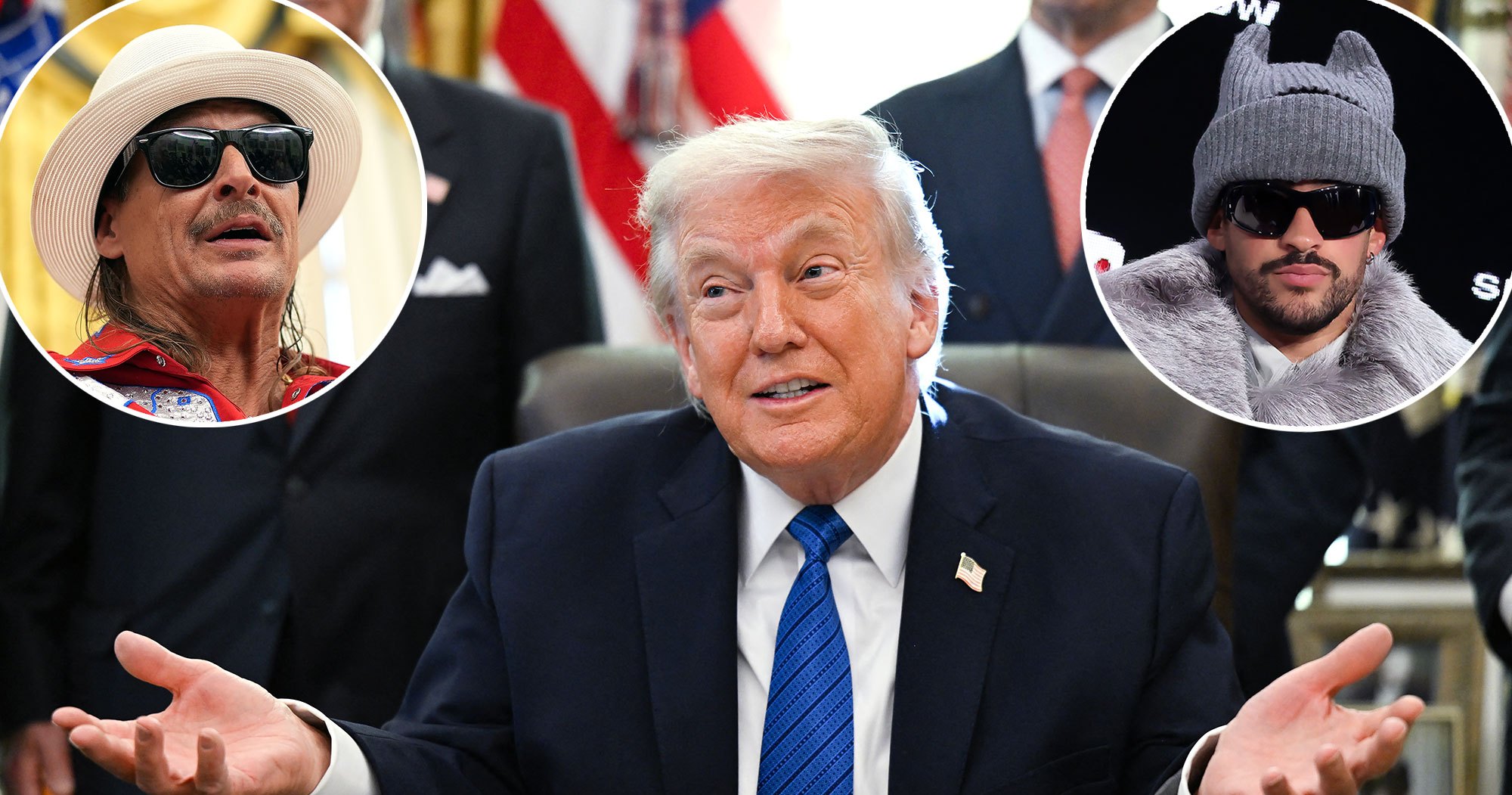
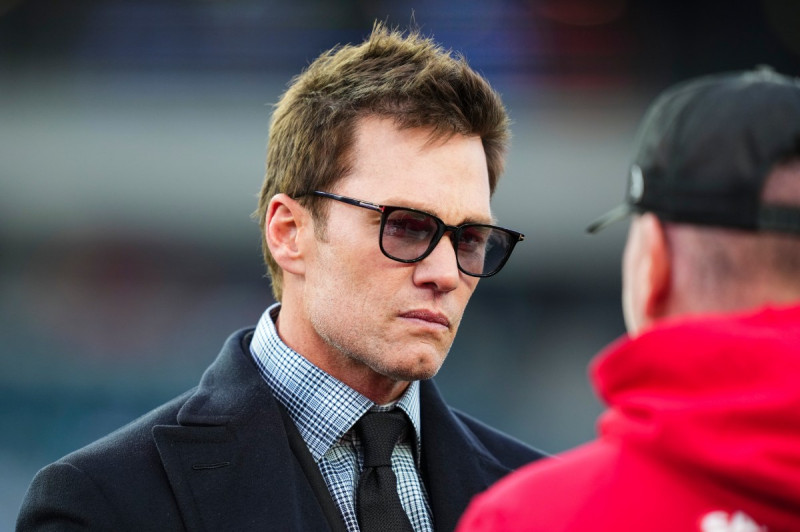
MAGA supporters are gearing up for an alternative halftime experience, dubbed the All-American Halftime Show, as a counter to the Super Bowl's mainstream musical acts. Among the notable figures expressing their allegiance is former Green Bay Packers quarterback Brett Favre, who has publicly declared his intention to tune in to Kid Rock and friends instead of Bad Bunny.
Favre took to social media, stating, “Not familiar with Bad Bunny so don’t know if his music is good or bad. I’m just going to watch what I know: Lee Brice, Kid Rock at the All-American Halftime Show.” His endorsement adds a layer of celebrity appeal to the event organized by Turning Point USA, a group founded by the late Charlie Kirk.

This alternative show is set to air simultaneously with Bad Bunny's performance during the Super Bowl, utilizing platforms like YouTube, X, and Rumble, alongside conservative networks such as OAN. The decision to host this event stems from a wave of conservative backlash against Bad Bunny’s selection as the halftime performer, particularly given his Spanish-language music and outspoken views on immigration.
Interestingly, a recent YouGov America survey indicates that more viewers are inclined to watch Bad Bunny than the TPUSA event. The poll revealed that 35 percent of respondents favor Bad Bunny’s performance, while only 28 percent expressed interest in the Kid Rock-led show. This divide highlights a significant cultural rift among audiences.
Brantley Gilbert, another artist slated to perform at the TPUSA event, articulated his motivations for participating. “I’m a songwriter who grew up in Jackson County, Georgia... I’m proud of the choice I’ve made to live in another direction,” he shared, emphasizing his commitment to American values through music.
The All-American Halftime Show is positioned as a patriotic celebration amidst criticism for its political undertones. Observers have labeled the branding as exclusionary, especially with Bad Bunny representing a more diverse cultural narrative during the official halftime show.
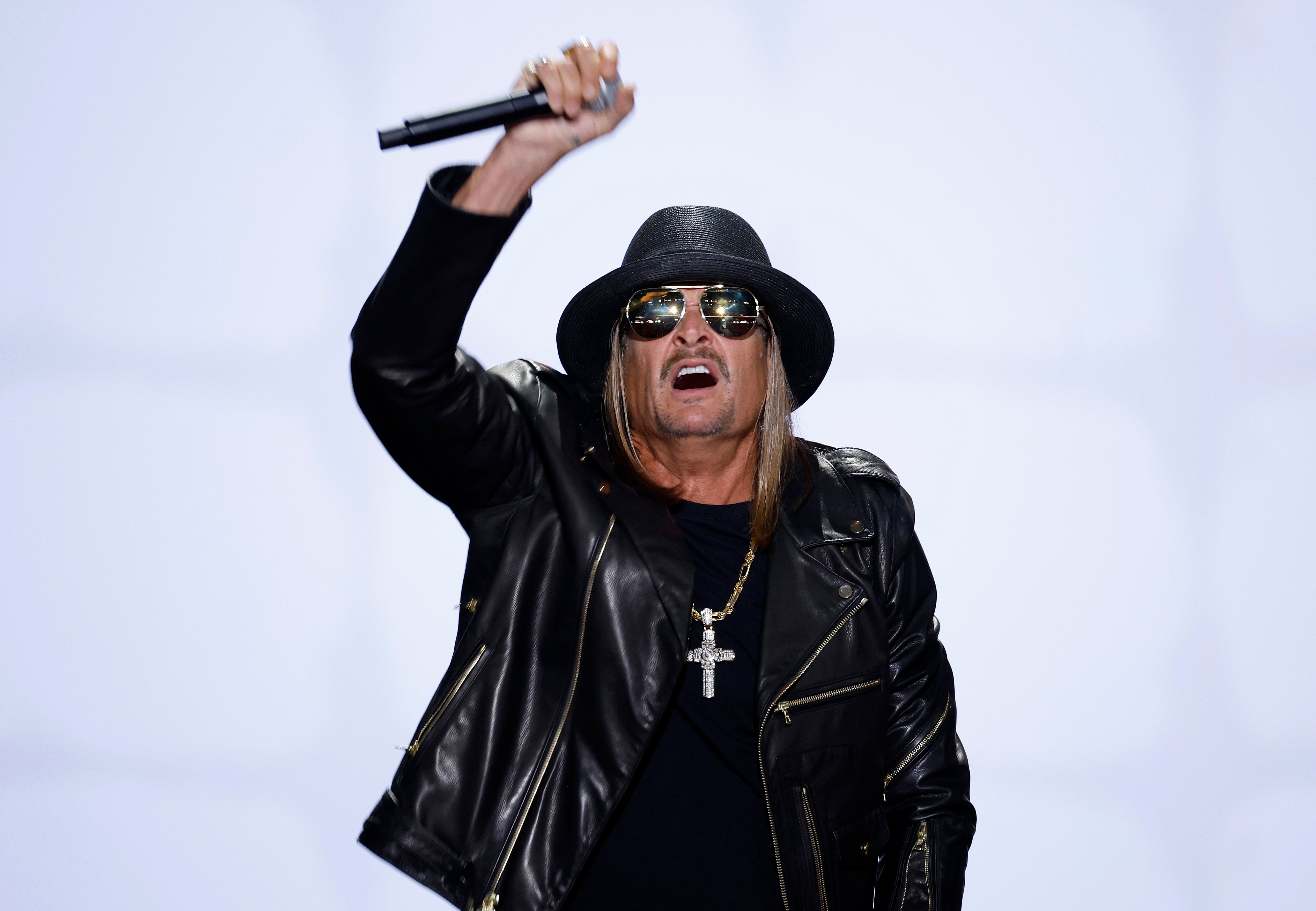
In a pointed critique of the Super Bowl lineup, former President Donald Trump has voiced his disapproval, labeling it a “terrible choice” that “sows hatred.” He cited travel concerns as his reason for not attending this year’s game, despite having participated in previous events.
Kid Rock’s involvement has not been without controversy. Past comments he made regarding underage girls resurfaced ahead of the TPUSA event, drawing ire from critics who view him as an inappropriate figurehead for a family-oriented celebration. The backlash intensified when Democrats on social media highlighted these remarks.
As the Super Bowl approaches, some Nashville bars are opting to switch their broadcasts from the official halftime show to the TPUSA event. Steve Smith, owner of several establishments in Nashville’s entertainment district, confirmed that his venues will not air the Super Bowl halftime but will instead showcase the alternative program.
Despite the controversies surrounding both events, the All-American Halftime Show promises to deliver performances from artists like Kid Rock and Brantley Gilbert while aiming to resonate with conservative audiences. The TPUSA event is set to begin at 7:30 p.m. ET, coinciding with the NFL’s halftime festivities.
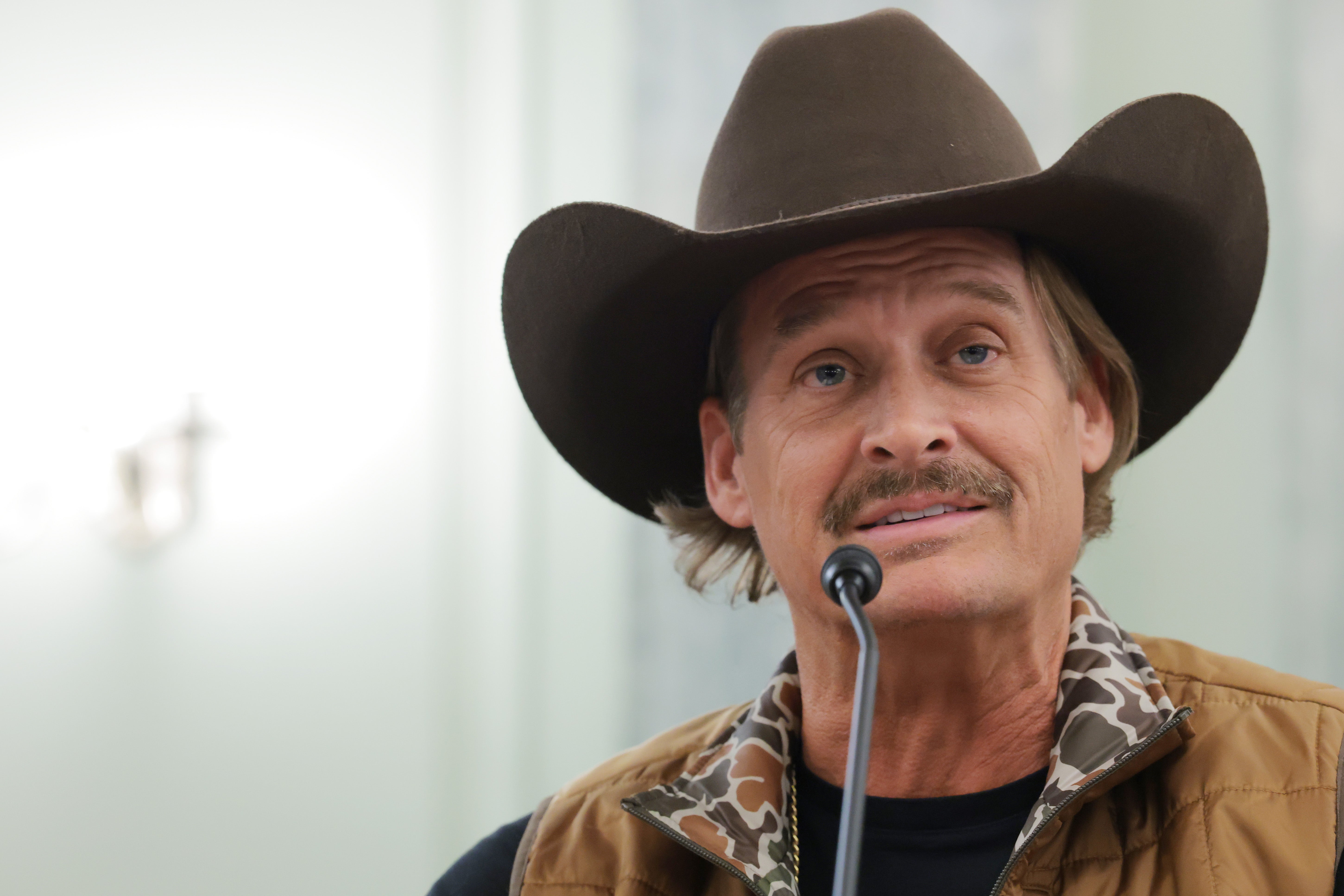
As anticipation builds for both shows, it remains to be seen how viewership will split along political lines and whether the All-American Halftime Show can capture the attention of those disenchanted with mainstream entertainment choices.
With cultural tensions at play and differing musical preferences emerging, this year's Super Bowl halftime promises to be more than just a showcase of talent; it reflects deeper societal divides and the ongoing conversation about representation in popular culture.

The TPUSA event aims to celebrate “faith, family and freedom,” positioning itself as a counter-narrative to what some perceive as an increasingly liberal entertainment landscape.
As both events unfold, they will undoubtedly serve as a litmus test for audience engagement and cultural sentiment in America today.