Oil Prices Spike as Military Action Against Iran Looms
Oil prices have surged sharply, reaching their highest levels since last summer, driven by escalating threats of U.S. military action against Iran.
On Wednesday, prices soared over 4 percent, continuing their upward trajectory into Thursday morning. The global benchmark Brent crude surpassed $71 per barrel, while U.S. oil hovered around $66. Given that Iran accounts for approximately 5 percent of global oil production, any conflict with the nation could significantly disrupt worldwide supply.
Brent crude has now hit its peak since August, with U.S. oil also reaching a six-month high on Thursday.
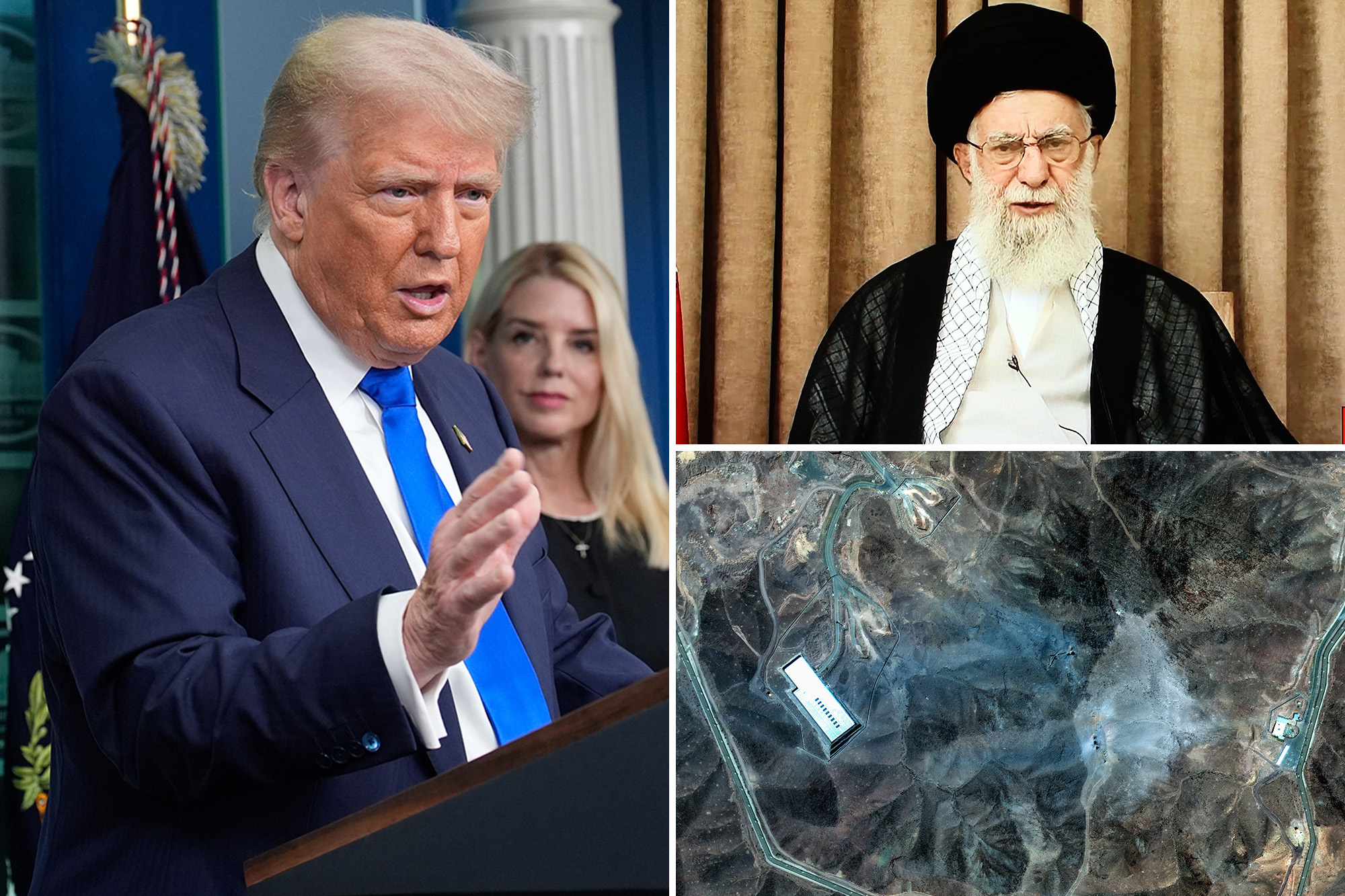
This price surge coincides with heightened tensions between the U.S. and Iran, particularly following unproductive discussions in Geneva regarding Iran’s nuclear ambitions.
“With a deal looking increasingly difficult to reach, it also means it will be more challenging to find a route to de-escalation, especially following the U.S. military build-up we have seen in the region,” analysts from a prominent finance group noted. “If de-escalation is not possible, the key question will then be what type of action the U.S. takes and how Iran responds to this.”
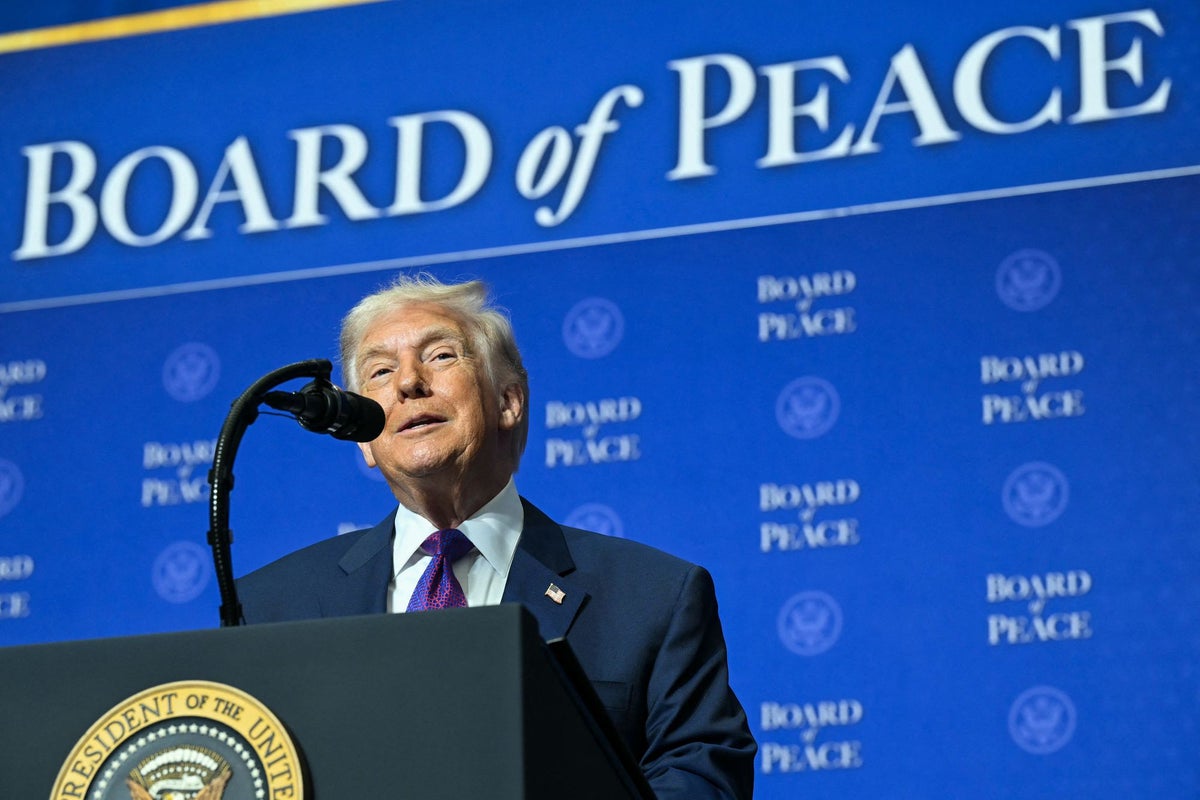
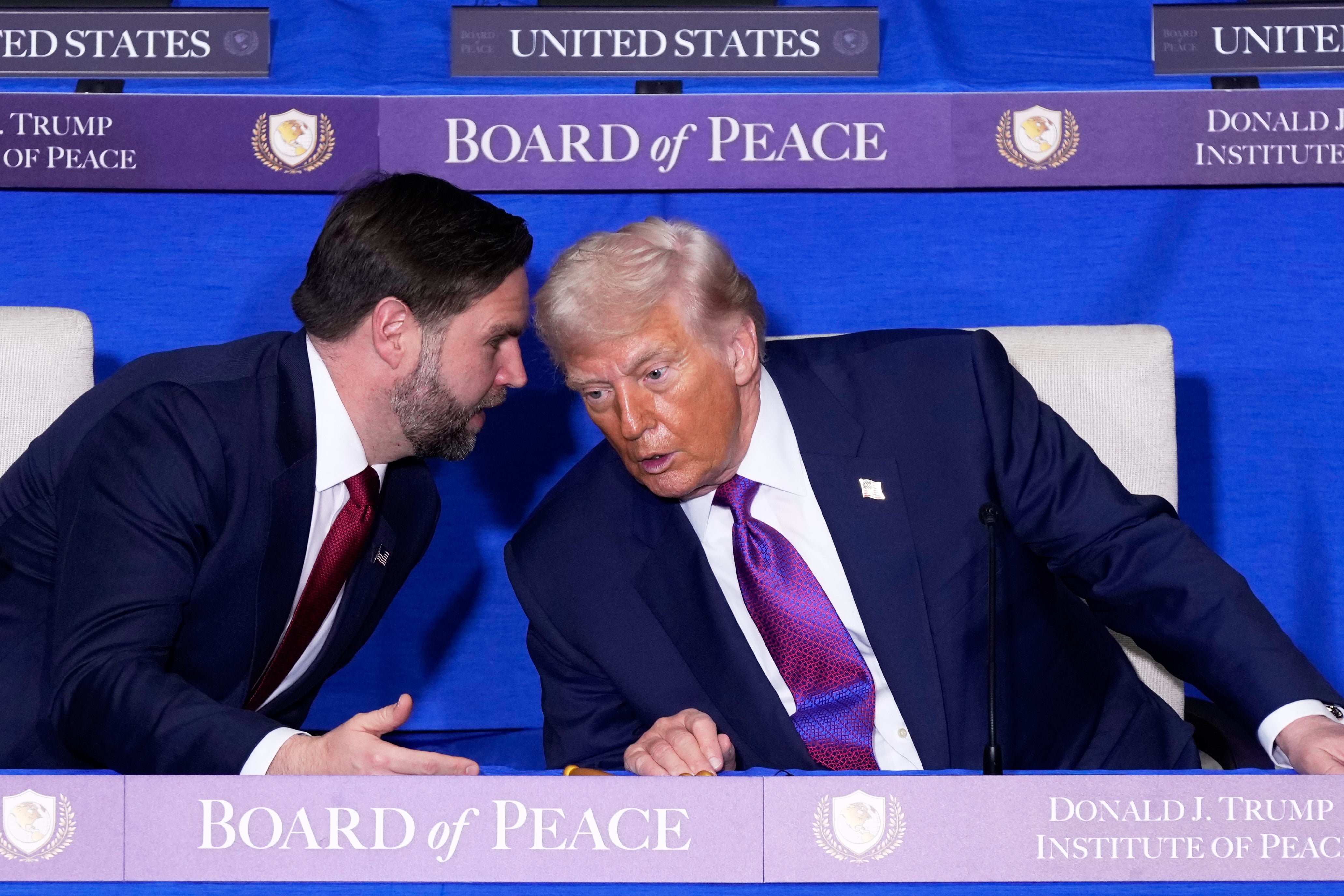
During a recent meeting of the so-called Board of Peace, President Trump warned that Iran must negotiate or face dire consequences.
“Good talks are being had. It's proven to be, over the years, not easy to make a meaningful deal with Iran. We have to make a meaningful deal, otherwise bad things happen,” Trump stated. He emphasized that Iran “cannot have a nuclear weapon,” hinting at potential developments in the coming days.
Vice President JD Vance echoed these sentiments, asserting that Iran continues to disregard Washington’s primary demands and hinted that military strikes remain a possibility.
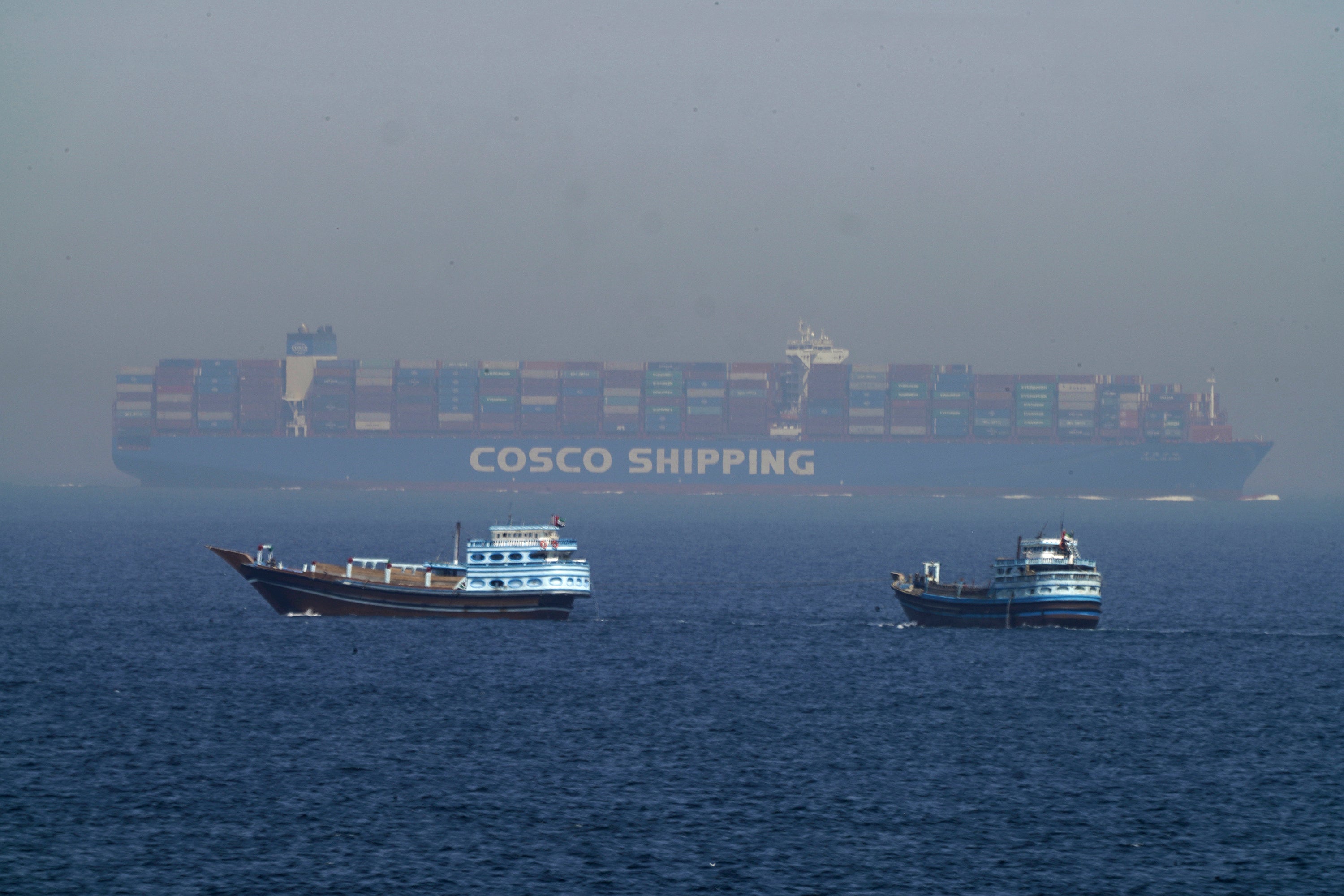
Iran currently exports about 1.5 million barrels of crude oil daily, while the total oil flow through the Strait of Hormuz reaches approximately 20 million barrels each day.
The U.S. has seen a significant increase in oil production over the past 15 years, nearly tripling its output. This surge has allowed America to rely less on imported oil and maintain lower gas prices, giving Trump leverage over nations like Venezuela and Iran without the immediate risk of rising fuel costs.
“Geopolitical issues, above all Iran, are the key bullish factor in the oil market at the moment,” remarked an energy analyst from the University of Texas-Austin.
“Otherwise there’s not a whole lot of price support toward $70 [per barrel]. The slack in this market could embolden the White House.”
However, some analysts caution that there is limited short-term capacity to replace lost barrels if conflict erupts between the U.S. and Iran.
“We continue to contend that the only meaningful spare capacity is sitting in Saudi Arabia, and if OPEC decides to increase production in the spring, the cupboard will be exceedingly bare if there are any major supply disruptions stemming from a U.S./Iran conflict,” RBC Capital Markets analysts warned in a recent note.
Despite the U.S. having a substantial oil supply due to fracking in shale formations across Texas and other states, market sources indicated that crude and gasoline inventories fell last week, contrary to expectations of a rise in crude stocks by 2.1 million barrels.
Official reports on U.S. oil inventories from the Energy Information Administration are anticipated Thursday.