Shocking moments often overshadow athletic prowess at the Olympics, where controversies ranging from doping violations to violent attacks have made headlines. The Games, while a celebration of sport, have seen their fair share of scandals that resonate far beyond the competition.

One of the most infamous incidents occurred during the 1994 Lillehammer Games when ice skater Nancy Kerrigan was brutally attacked with a baton, an act believed to be orchestrated by her rival Tonya Harding's ex-husband. Harding, accused of complicity, faced a lifetime ban from the U.S. Figure Skating Association, a saga that inspired the film "I, Tonya."

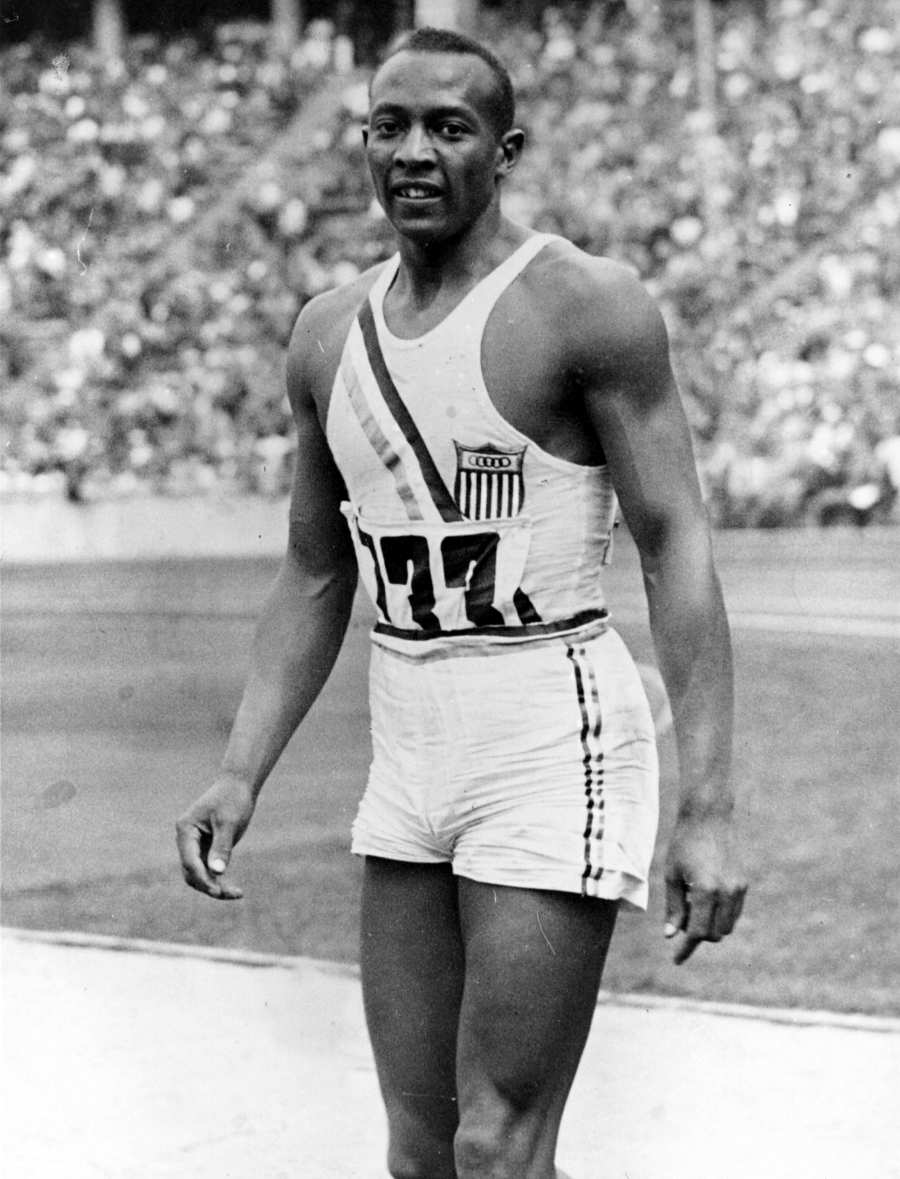
Tracing back to 1912, Jesse Owens' story illustrates how Olympic scandals have long been part of the narrative. Stripped of his gold medals for playing professional baseball prior to the Games, Owens' case highlights the strict amateurism rules that once governed Olympic participation.

Controversies have evolved over time, with some incidents leaving indelible marks on popular culture. Michael Phelps faced backlash after a photo surfaced of him smoking marijuana, while Lance Armstrong's admission of doping led to the loss of his bronze medal and a lifetime ban from competitive sports.

Fast forward to the 2026 Winter Olympics, where Norwegian biathlete Sturla Holm Laegreid made headlines not for his athletic achievements but for confessing to an affair during a live interview. "I made the biggest mistake of my life," he stated, overshadowing his bronze medal win.

In 2021, track star Sha'Carri Richardson was banned from competing after testing positive for marijuana, which she claimed she used to cope with her mother's death. Despite this setback, she returned triumphantly at the Paris 2024 Games, securing gold in the women's 4x100m relay.
Meanwhile, rumors swirled around ski jumpers at the 2026 Winter Olympics regarding alleged performance-enhancing injections. Bruno Sassi from the International Ski and Snowboard Federation dismissed these claims as "wild rumors," emphasizing the need for factual integrity in sports.
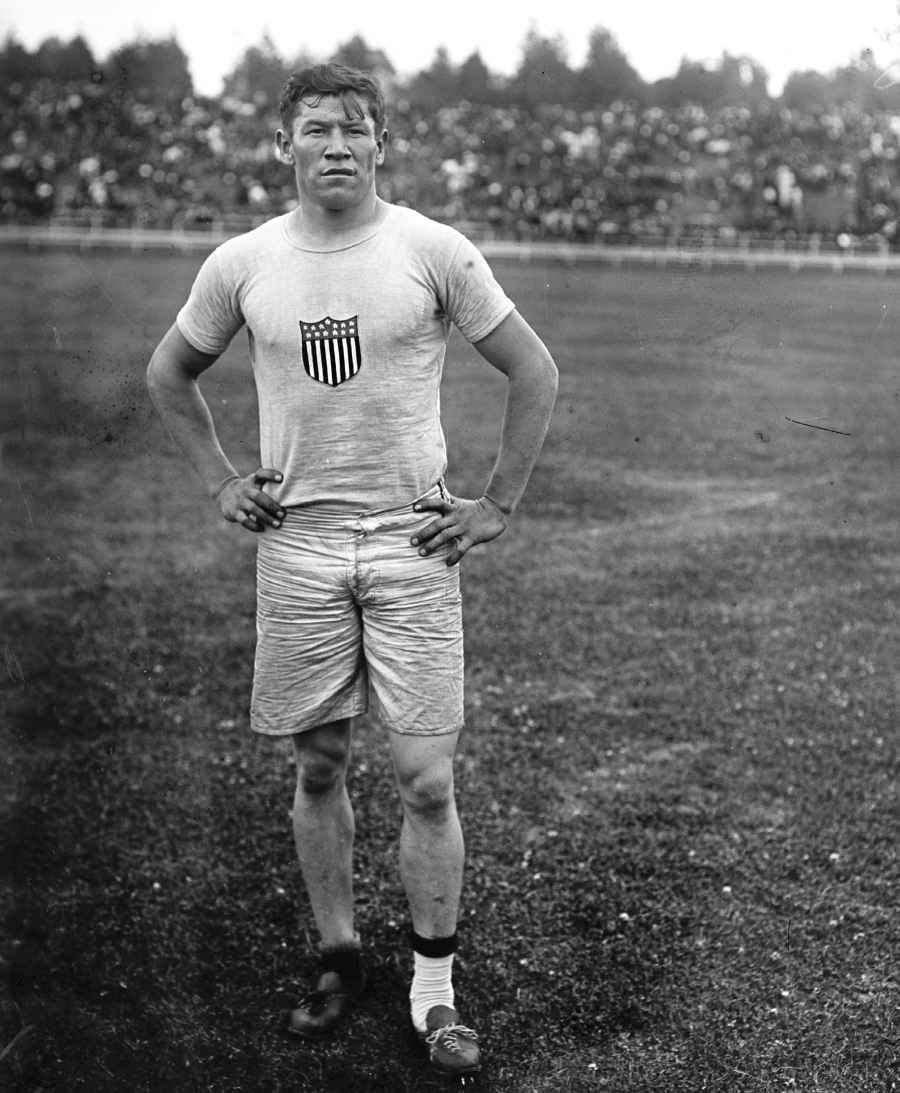
Jim Thorpe's legacy faced turmoil in 1912 when he was stripped of his medals due to prior professional play. His medals were reinstated decades later, but the incident remains a cautionary tale about the rigid rules governing amateurism.
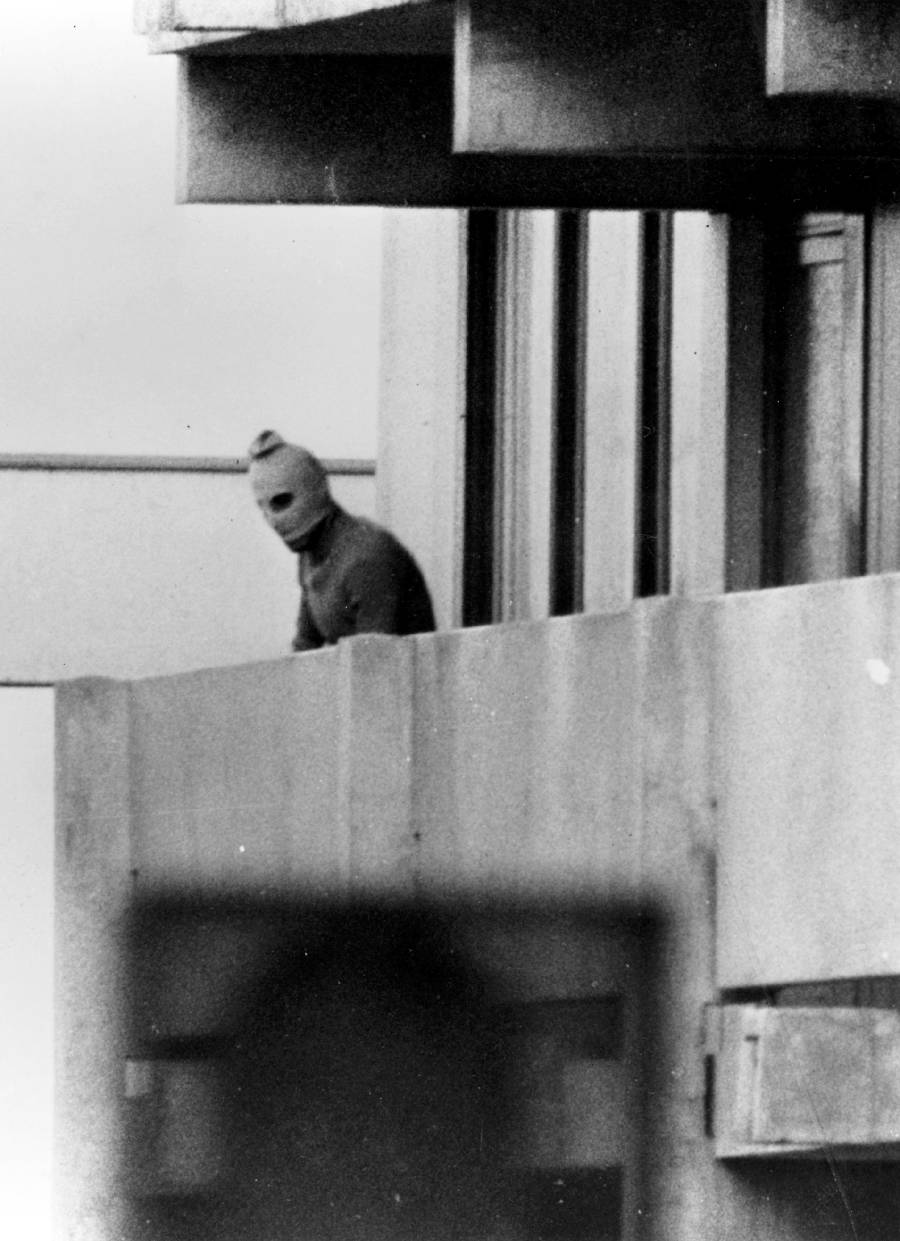
Jesse Owens' triumph in 1936 Berlin defied Nazi ideology as he won four gold medals, challenging racial prejudices head-on. However, the 1972 Munich Games were marred by tragedy when Palestinian terrorists took Israeli athletes hostage, resulting in a deadly standoff.
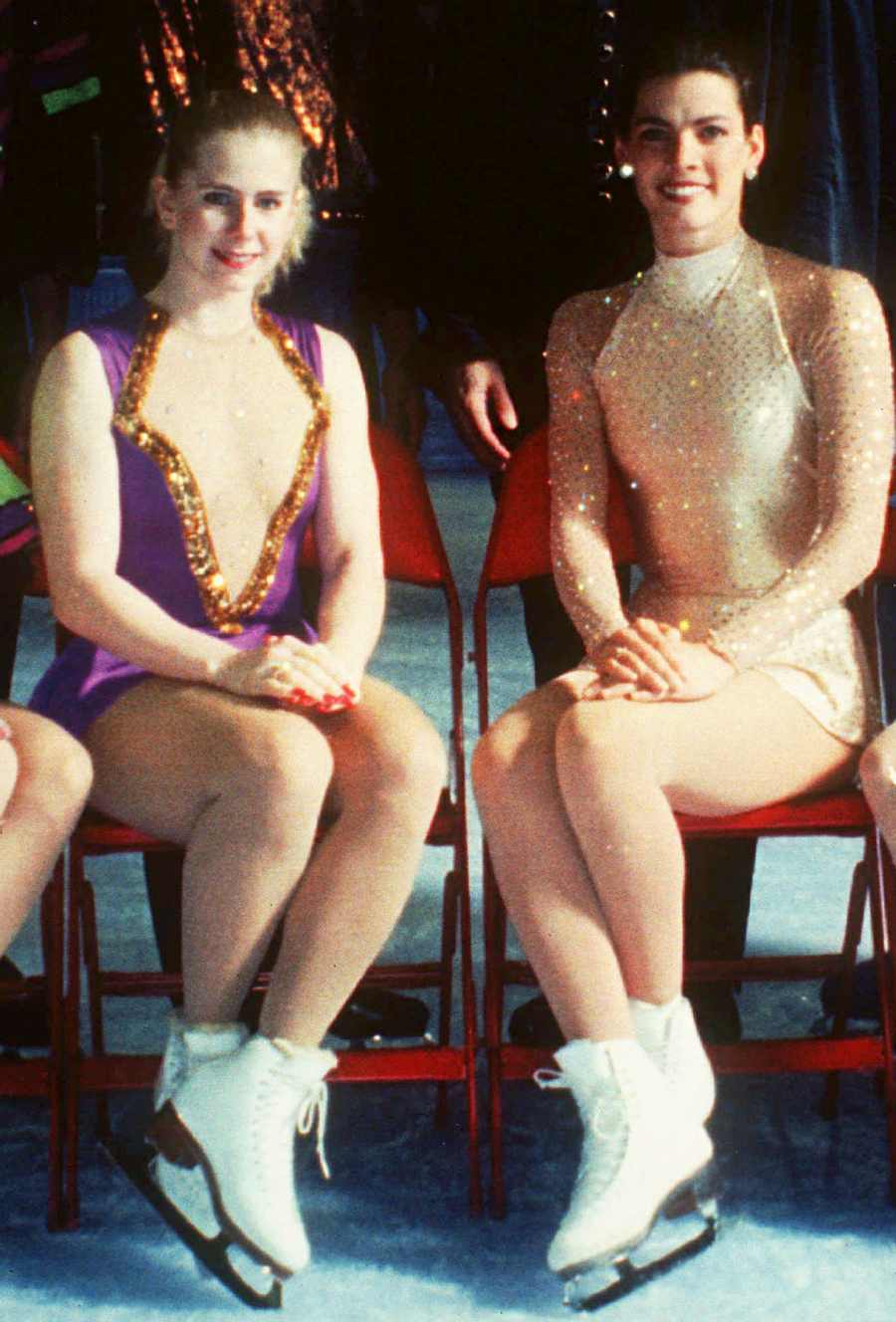
The attack on Kerrigan became known as "The Whack Heard Round the World," a phrase that encapsulates its shocking nature. The night before the U.S. Figure Skating Championships, Kerrigan was assaulted, leading to a media frenzy and public outrage.

In Atlanta 1996, Eric Robert Rudolph's bombing at Centennial Olympic Park resulted in fatalities and injuries, casting a shadow over the Games. Richard Jewell, initially suspected of wrongdoing, was later exonerated and hailed as a hero for his quick actions.
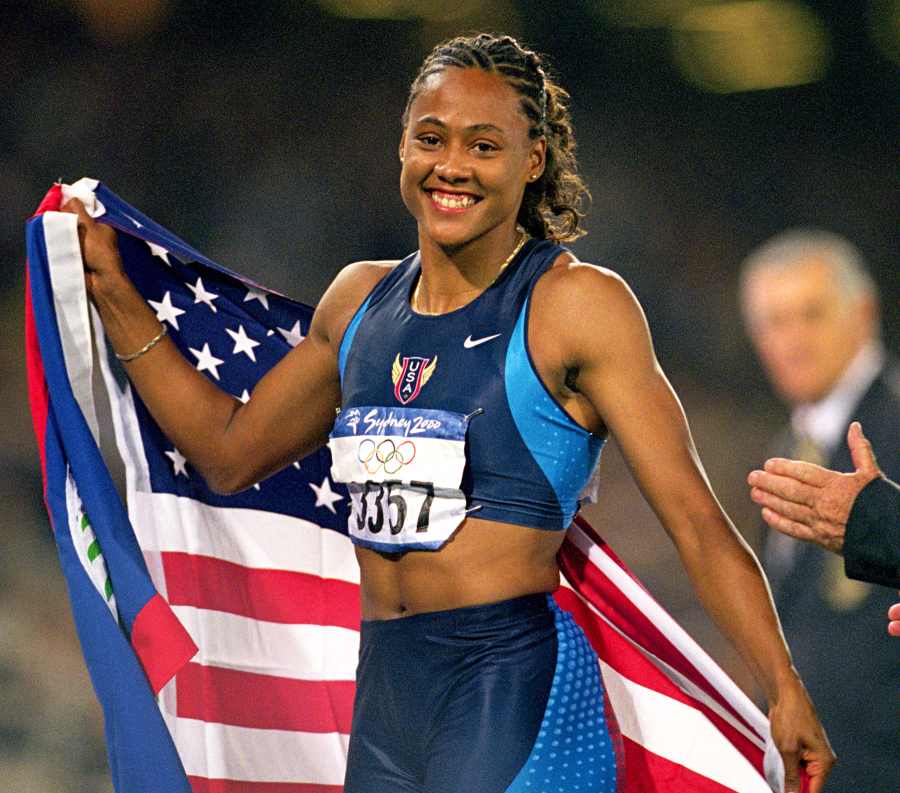
Marion Jones' admission of doping in 2007 led to her being stripped of five medals from the Sydney 2000 Olympics, marking a significant moment in Olympic history regarding performance-enhancing drugs.
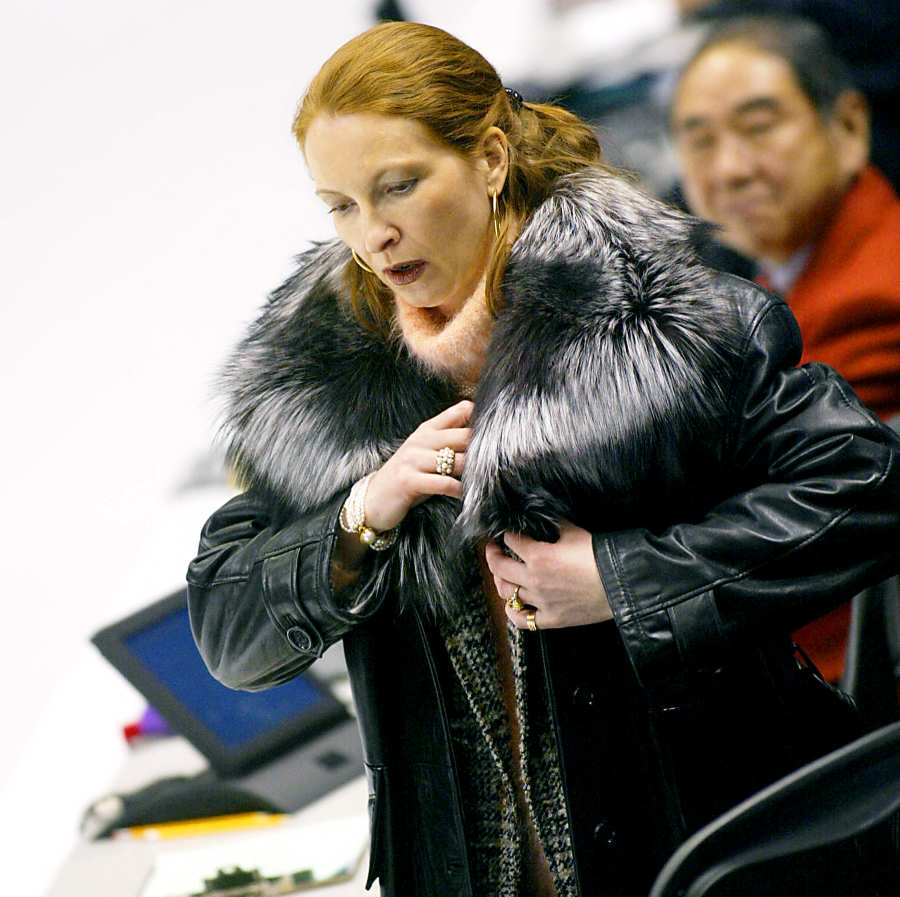
The 2002 Winter Olympics saw controversy when Russian figure skaters were awarded gold amid allegations of judging bias. French judge Marie-Reine Le Gougne's emotional breakdown added fuel to the fire of suspicion surrounding the event.
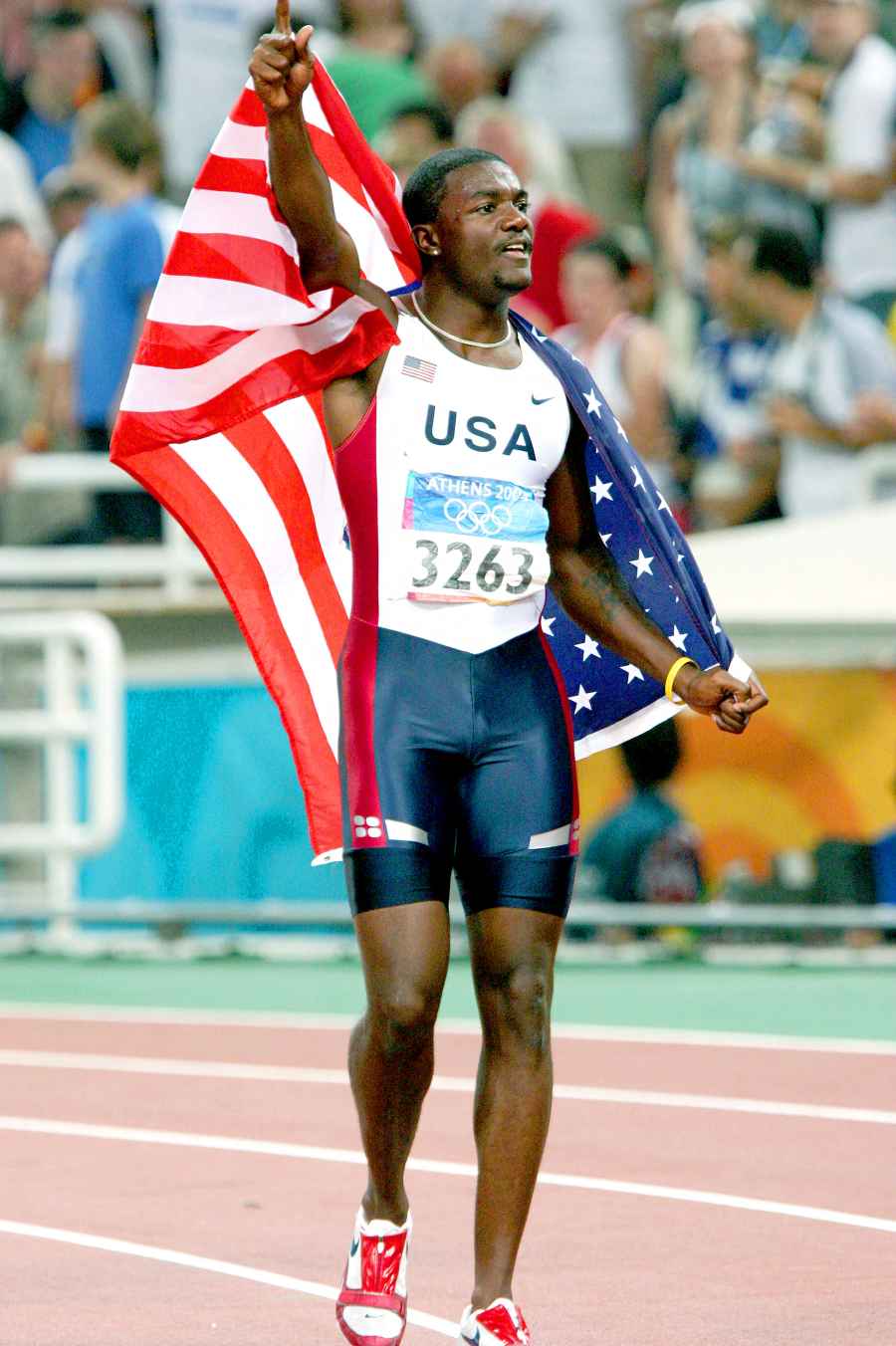
Justin Gatlin's doping scandal in 2006 resulted in an eight-year ban after testing positive for testosterone. His claims of sabotage by a massage therapist were met with skepticism, yet he returned to win multiple medals post-ban.
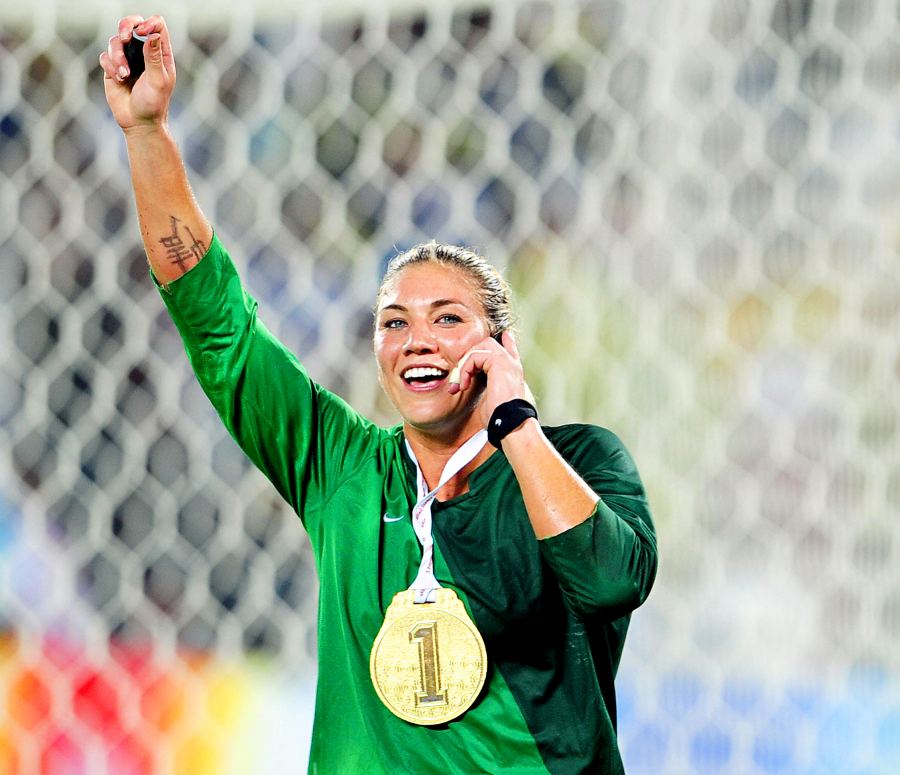
The U.S. women's soccer team's goalie candidly admitted to being intoxicated during a live appearance after their Olympic victory in 2008, showcasing how personal indiscretions can intertwine with athletic success.
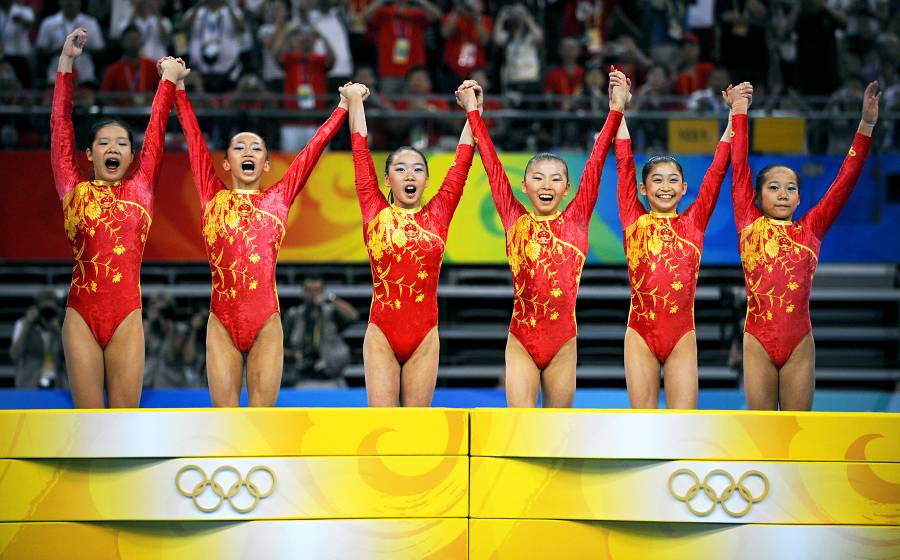
In 2008, questions arose about the ages of Chinese gymnasts competing in Beijing. The International Olympic Committee ultimately cleared them of wrongdoing after reviewing documentation.
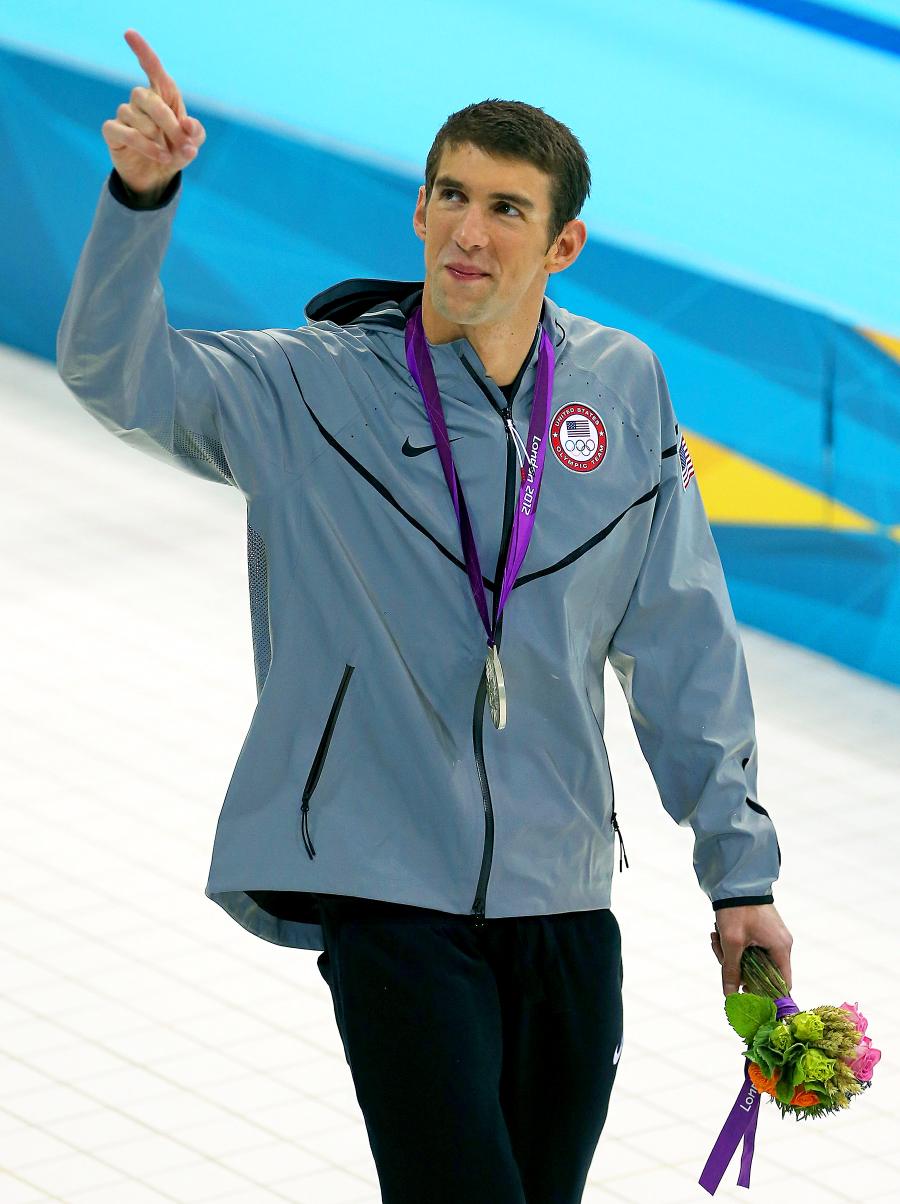
Michael Phelps faced scrutiny after being photographed smoking marijuana post-Olympics, but he rebounded at the London 2012 Games with impressive performances that restored his reputation.
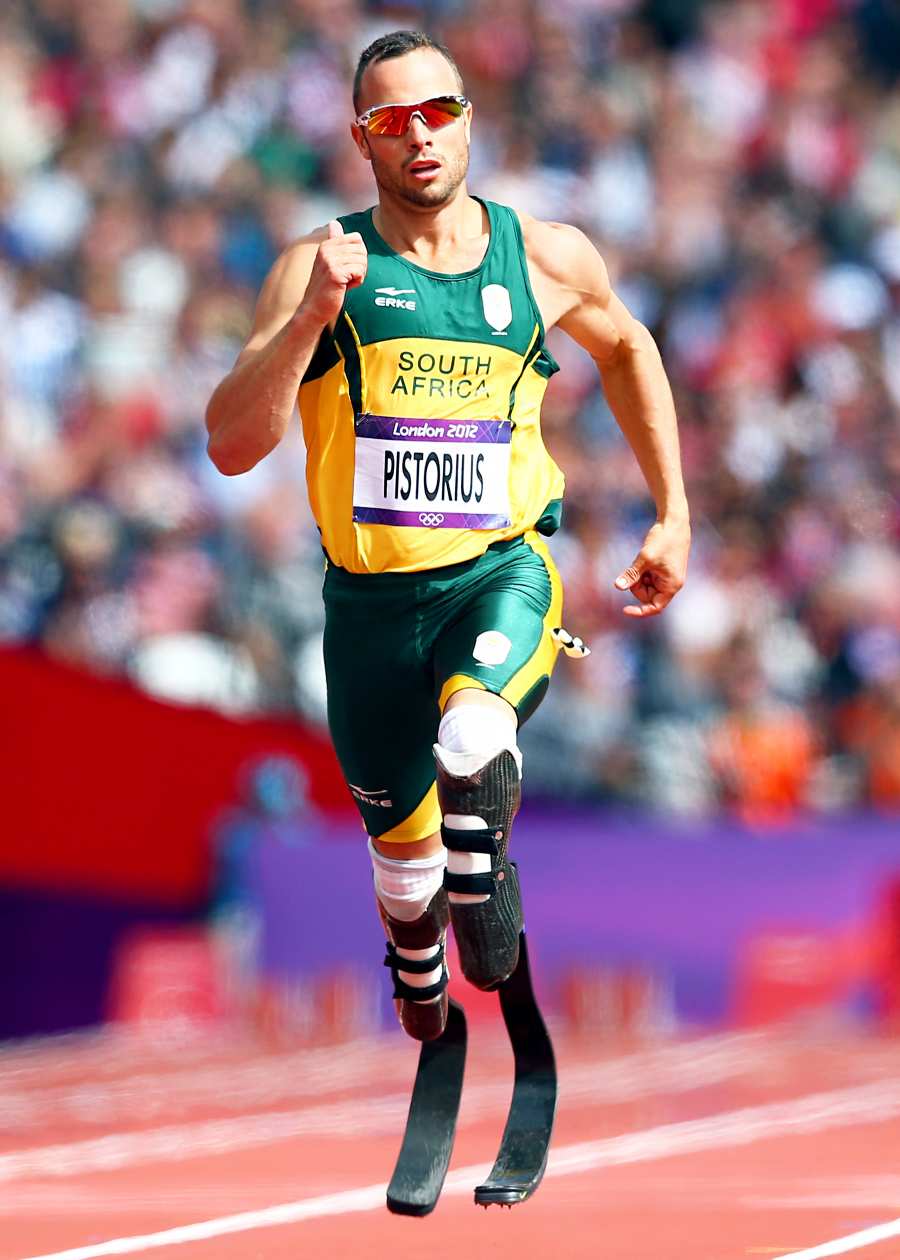
Oscar Pistorius' inspiring journey as a double amputee sprinter took a dark turn when he was charged with murdering his girlfriend in 2013. His legal battles captivated global audiences and raised questions about fame and accountability.
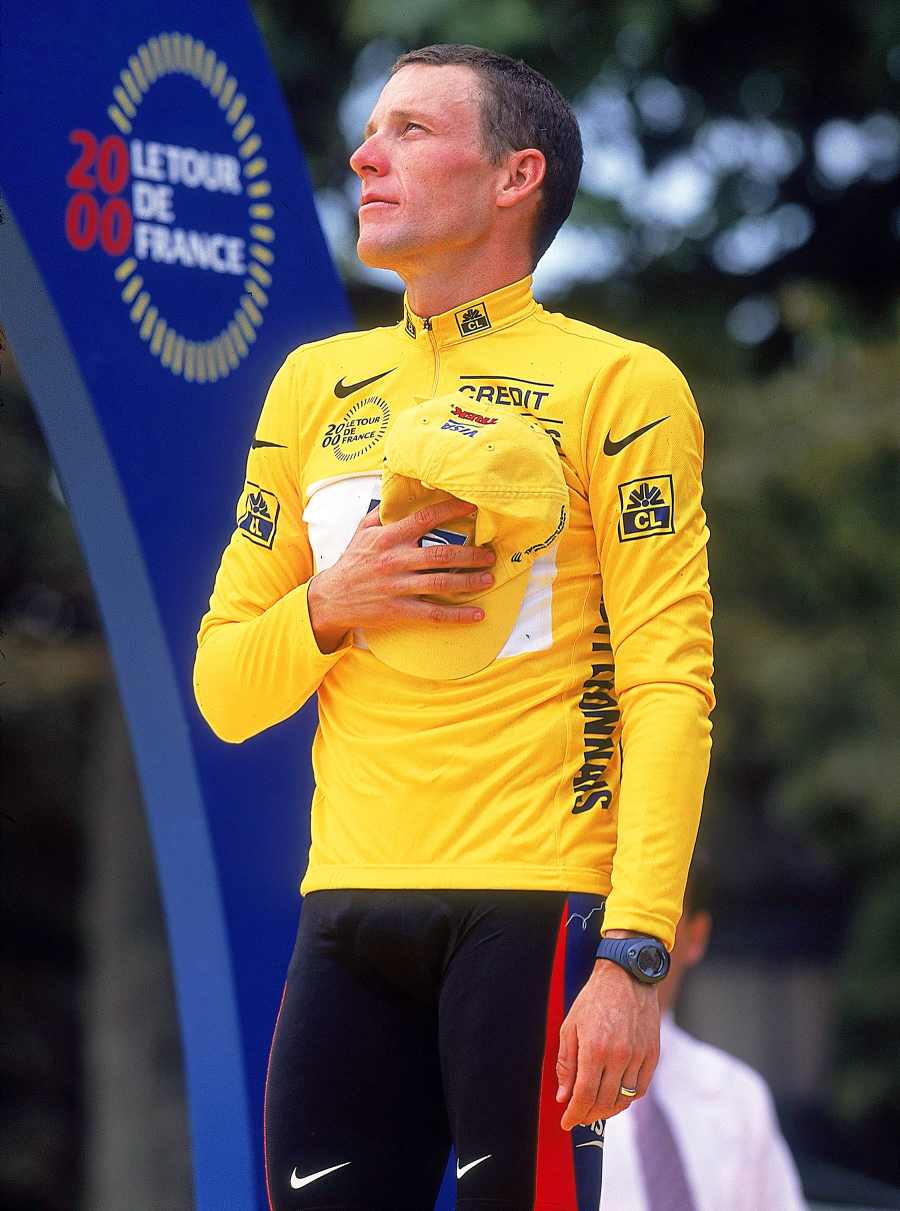
Lance Armstrong's admission of doping led to significant repercussions, including losing his Olympic bronze medal and facing a lifetime ban from sports governed by anti-doping regulations.
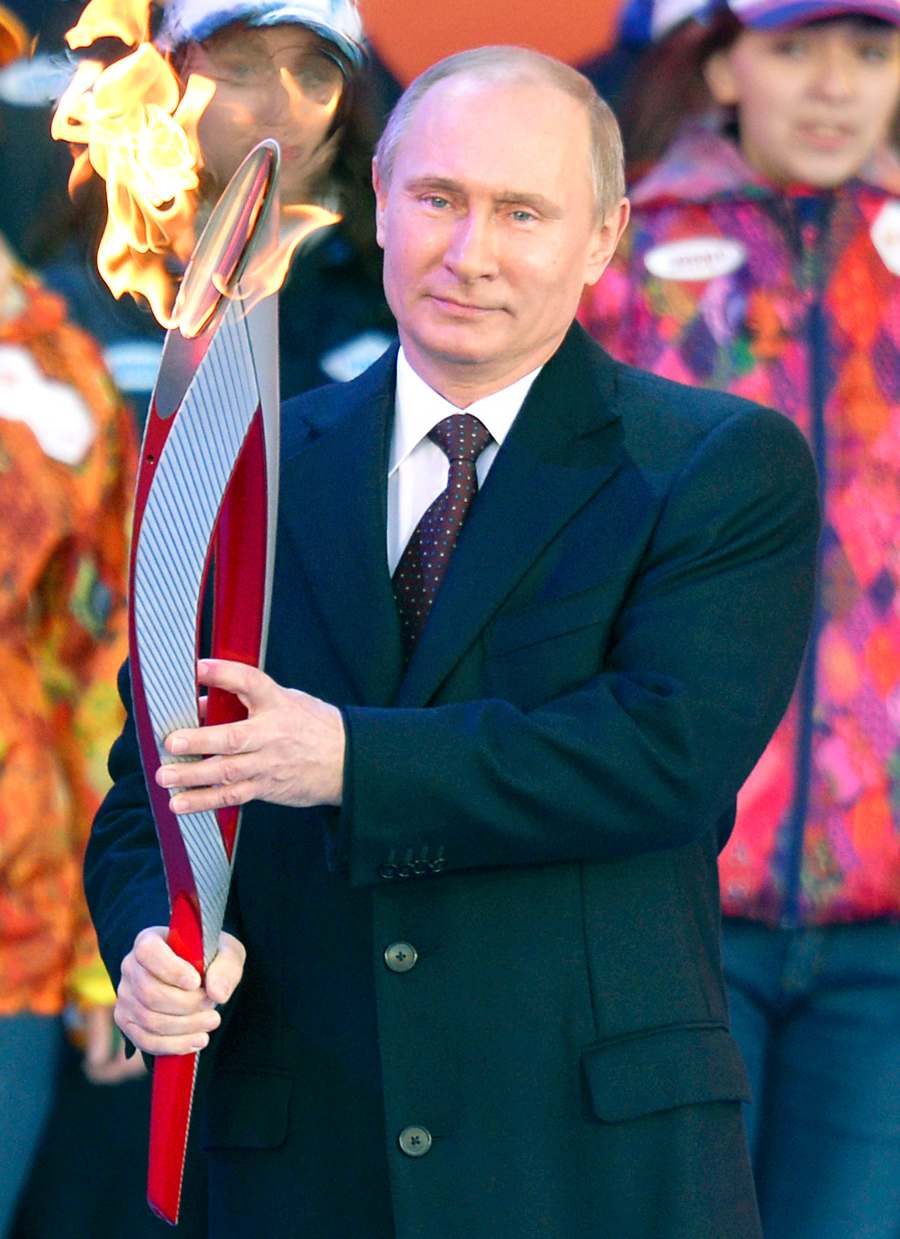
The controversial location of the Sochi 2014 Winter Olympics drew criticism due to Russia's anti-LGBTQ+ laws and remarks from President Putin regarding gay visitors.
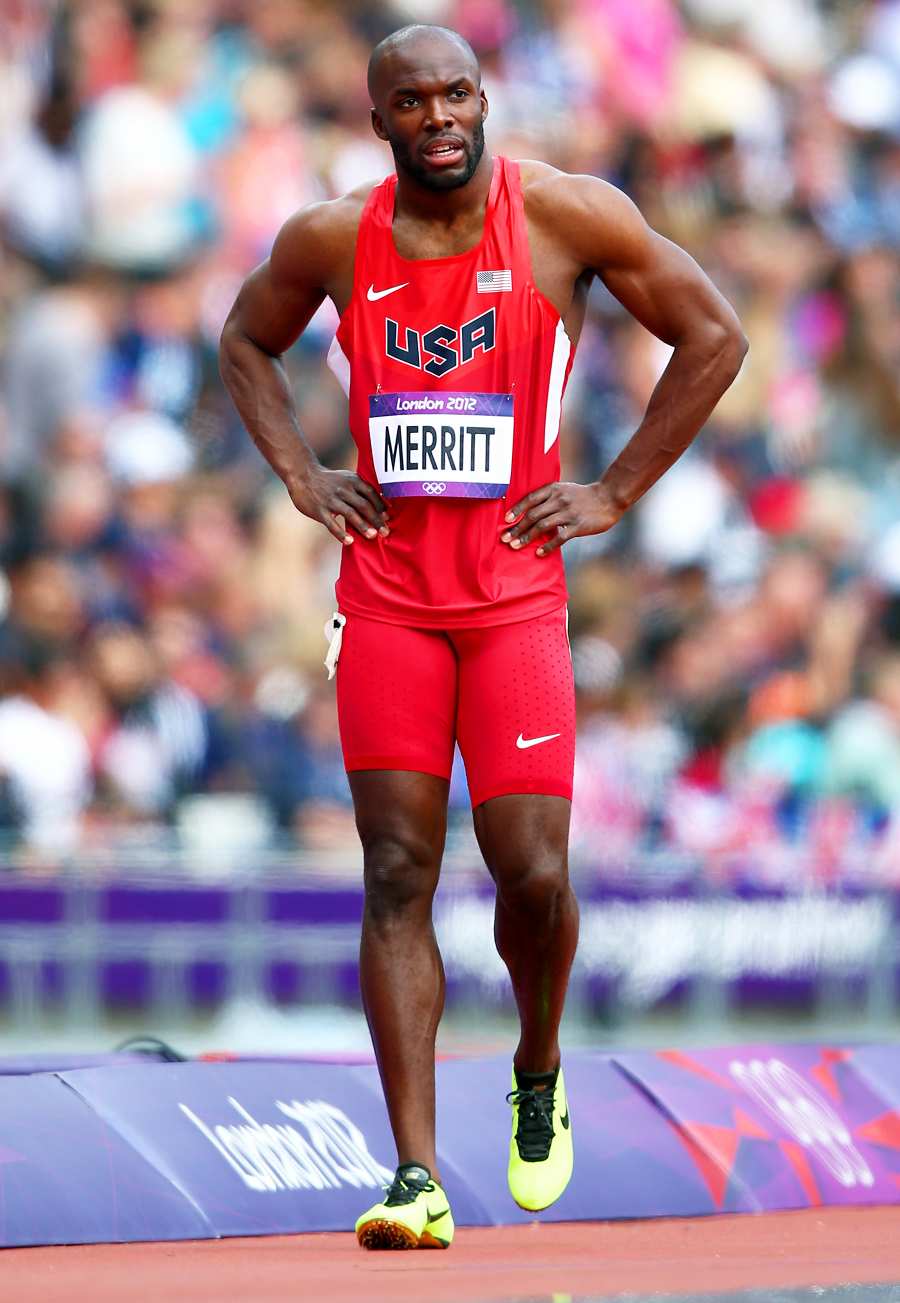
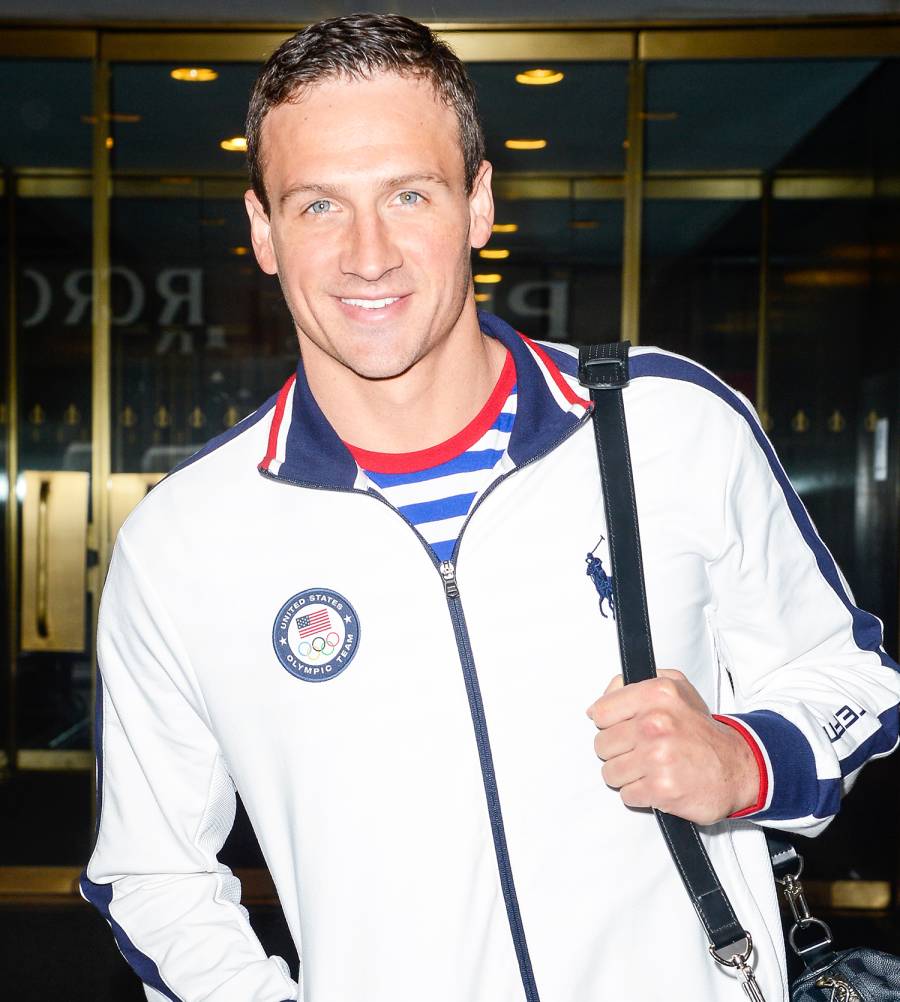
In Rio de Janeiro 2016, U.S. swimmers Lochte and his teammates fabricated a robbery story after vandalizing a gas station bathroom. Lochte's subsequent admission of exaggeration resulted in a suspension from USA Swimming.
Following a doping scandal in 2019, Russia faced a four-year ban from international competitions, later reduced to two years upon appeal. The fallout continues to affect athletes and events alike.
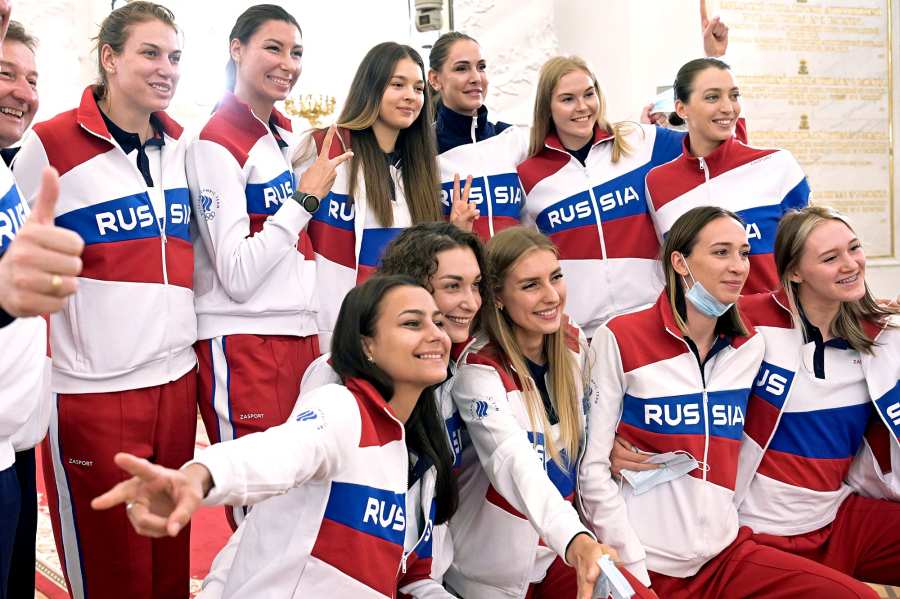
During the 2022 Winter Olympics, figure skater Kamila Valieva tested positive for a banned substance but was allowed to compete due to her status as a minor. The controversy surrounding her case sparked debates about fairness and ethics in sports.

Days after Jordan Chiles earned a bronze medal at the Paris 2024 Olympics, she was informed that her score had been adjusted due to a judging error. The International Olympic Committee ruled in favor of Team Romania, leading to an appeal from Team USA.