Rep. Khanna Exposes Six Names Redacted from Epstein Files; DOJ Claims No Ties
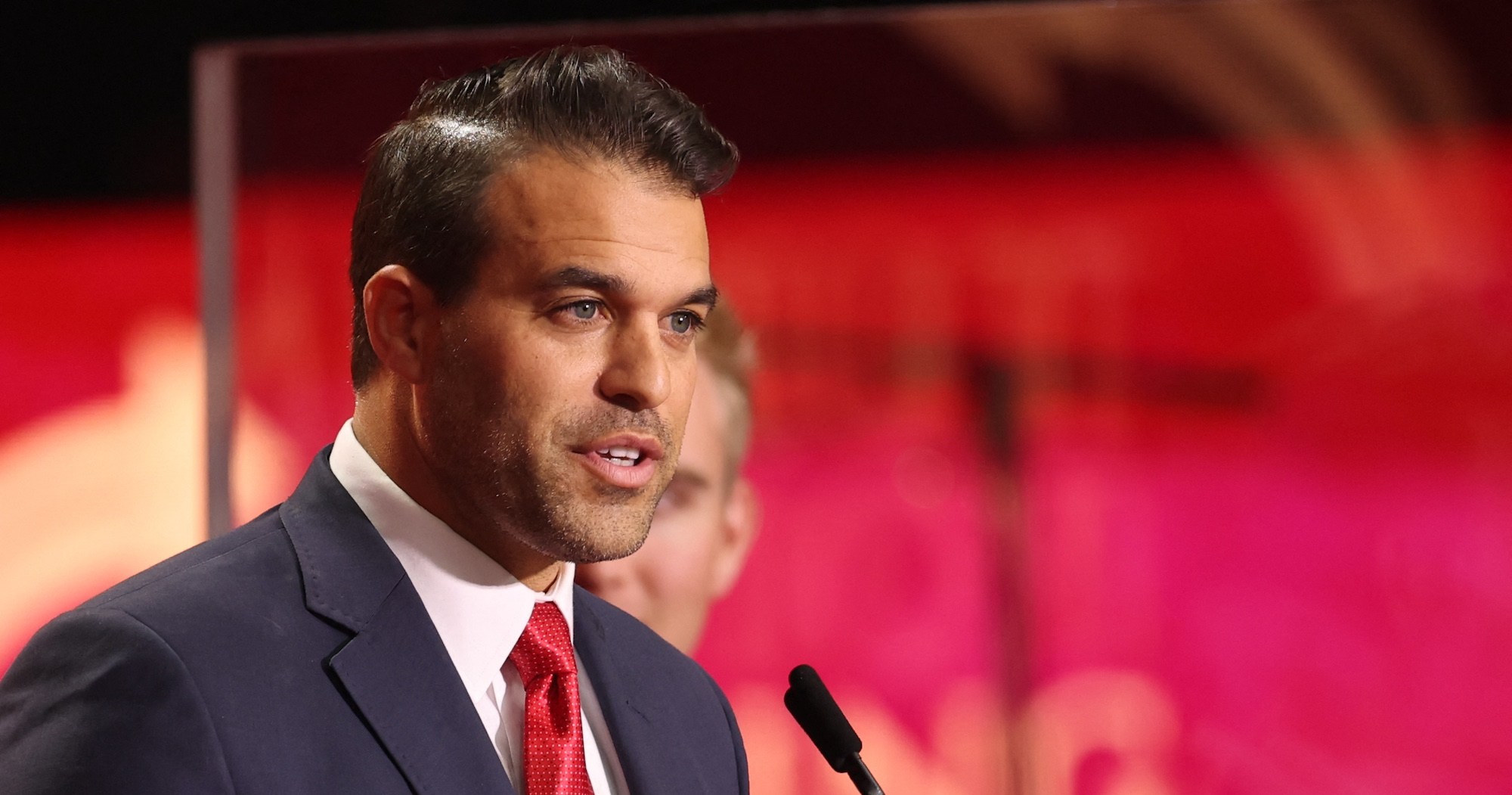
On Tuesday, Democratic Representative Ro Khanna stood before the House, unveiling the names of six individuals whose identities were previously concealed in the Justice Department's files concerning Jeffrey Epstein, the notorious sex offender. The Justice Department later clarified that many of these names were "completely random" and had no ties to Epstein.
The documents, which Khanna referenced and that have now been partially un-redacted, do not directly implicate these men in any criminal activities. Notably, Khanna refrained from accusing them of any specific wrongdoing.
However, the California congressman criticized the Justice Department for what he described as a failure to disclose the identities of "wealthy, powerful" individuals without justification when releasing millions of documents related to Epstein.
Among the six individuals named by Khanna was billionaire Leslie Wexner, former head of Victoria's Secret, who had previously employed Epstein to manage his finances. Also mentioned was Sultan Ahmed bin Sulayem, ex-CEO of DP World, alongside four lesser-known figures: Salvatore Nuara, Zurab Mikeladze, Leonic Leonov, and Nicola Caputo.
Khanna discovered these names during a visit to a Justice Department office on Monday, where he reviewed unredacted versions of the Epstein files with Republican Representative Thomas Massie from Kentucky. The bipartisan pair had co-sponsored legislation last year mandating the release of nearly all investigative files on Epstein, allowing redactions only to protect survivors' identities and under specific circumstances.
After their visit, Khanna and Massie informed reporters that they stumbled upon the names after sifting through documents for a few hours. They expressed belief that more names could be hidden within the extensive files.
"If we found six men that they were hiding in two hours, imagine how many men they are covering up for in those 3 million files," Khanna asserted on the House floor.
Following Massie's identification of documents containing the six names, the Justice Department partially un-redacted those files late Monday. These included a 2019 FBI document labeling Wexner as a "co-conspirator," an email exchange between Epstein and bin Sulayem, and a list of 20 names featuring the four other men—though the context of this list remains ambiguous and lacks any allegations.
Deputy Attorney General Todd Blanche stated in a social media post that some individuals were merely "random people selected years ago for an FBI lineup." This comment likely pertained to the four men listed among the 20 names, which appeared alongside redacted photographs.
"These individuals have NOTHING to do with Epstein or [associate Ghislaine] Maxwell," Blanche added, criticizing Khanna and Massie for their push to reveal these names.
In response, Khanna emphasized on social media that the public deserves clarity regarding individuals included in the files for reasons unrelated to Epstein.
"If the other men are genuinely not connected to Epstein's crimes that too should be reported," he stated.
A legal representative for Wexner informed that a federal prosecutor had previously indicated in 2019 that Wexner was viewed as a source of information about Epstein and not a target. Wexner has consistently maintained that he severed ties with Epstein following the revelation of his crimes and has not faced any charges.
Efforts to reach bin Sulayem for comment are ongoing, as well as attempts to contact the other four individuals named by Khanna.
In a series of posts on social media, Blanche accused Massie of "grandstanding," asserting that the Justice Department is "hiding nothing."
A spokesperson for the Justice Department defended its handling of the files, noting that with 3.5 million pages involved, there may have been inadvertent redactions or oversights regarding unredacted individuals.
The spokesperson also pointed out that four of the six names mentioned by Khanna appear only once in this particular document, while Wexner is referenced nearly two hundred times across the files, and Sultan bin Sulayem appears over 4,700 times.
Since the signing of the Epstein Files Transparency Act by President Trump in November, the Justice Department has released a significant volume of records concerning Epstein and Maxwell. These documents include details on sex trafficking investigations and new insights into influential figures connected to Epstein—though mere inclusion does not imply wrongdoing.
Nonetheless, criticism from congressional Democrats regarding the redaction process persists. Some observers have accused the department of excessive redaction while attorneys representing Epstein survivors claim that their clients' names were inadequately protected before publication in a government database.
The department has stated that hundreds of lawyers have meticulously reviewed these documents to safeguard survivors' identities—a monumental task given the sheer volume of records. In certain instances, files have been temporarily removed for further redaction of overlooked names.
Concerns about redactions continued to arise after lawmakers were permitted to view unredacted versions of the files in person. Democratic Representative Jamie Raskin from Maryland remarked that he encountered numerous names redacted for "mysterious or baffling or inscrutable reasons."