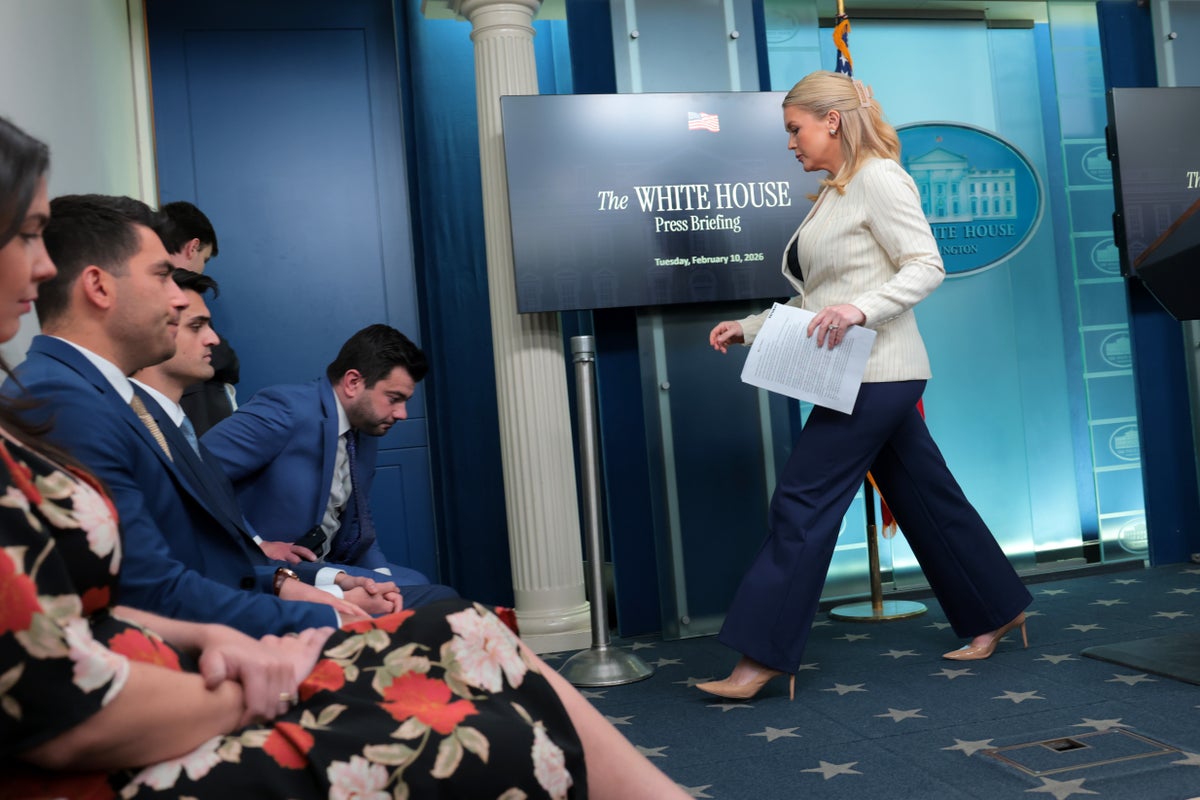
Rubio May Confer with Zelensky as European Leaders Assemble in Munich
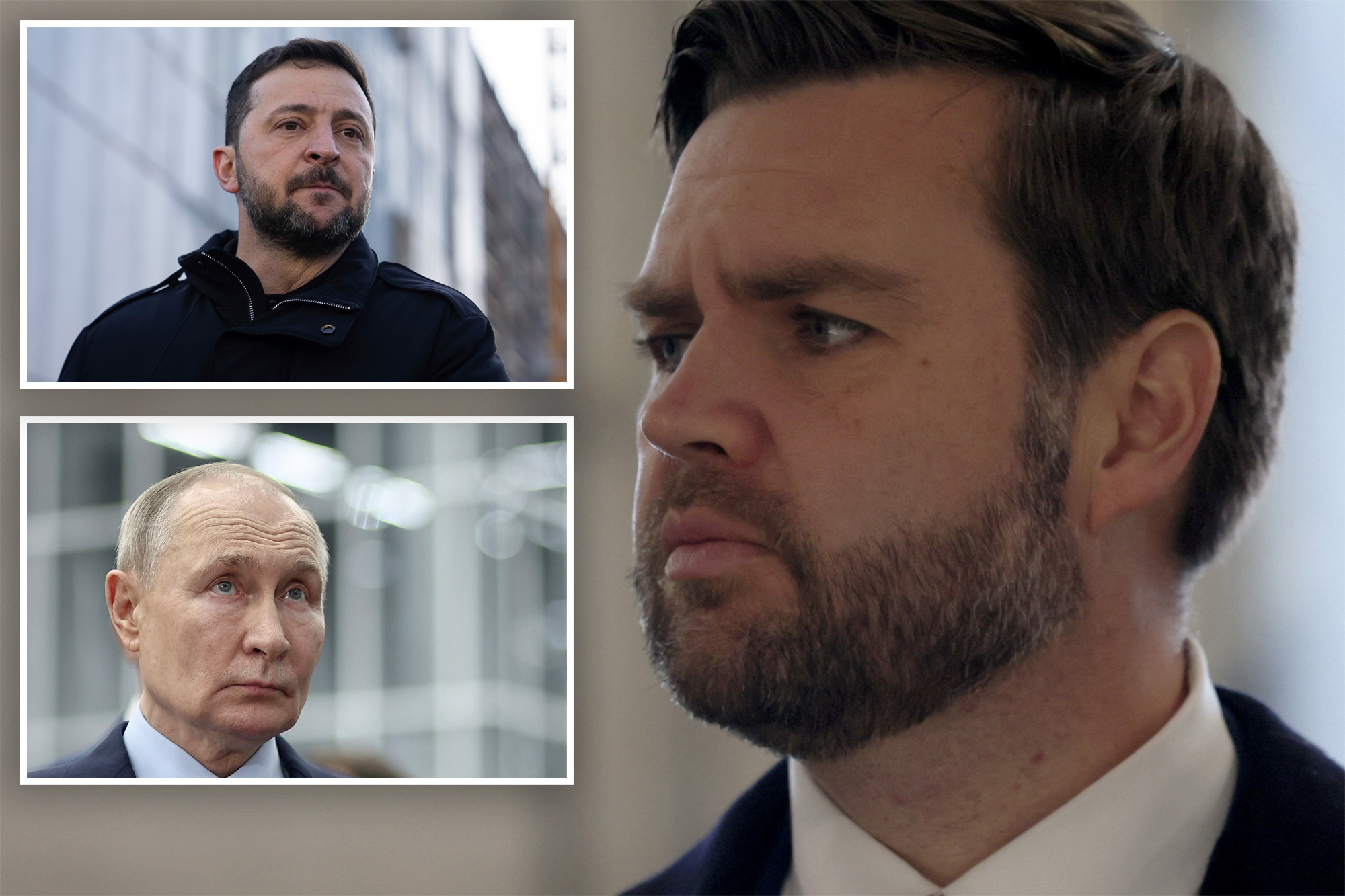
US Secretary of State Marco Rubio indicated a possible meeting with Ukrainian President Volodymyr Zelensky at the Munich Security Conference, which begins Friday. This gathering of European leaders aims to address uncertainties surrounding US President Donald Trump’s fluctuating foreign policy and its implications for transatlantic relations.
In a show of solidarity, Zelensky thanked Sir Keir and Sir John Healey for a £500 million air defense package. “Russian attacks on our people, energy, and other life-sustaining infrastructure continue unabated,” he stated, highlighting the dire situation as many Ukrainians face severe winter conditions without heat or power due to recent assaults on the energy grid.
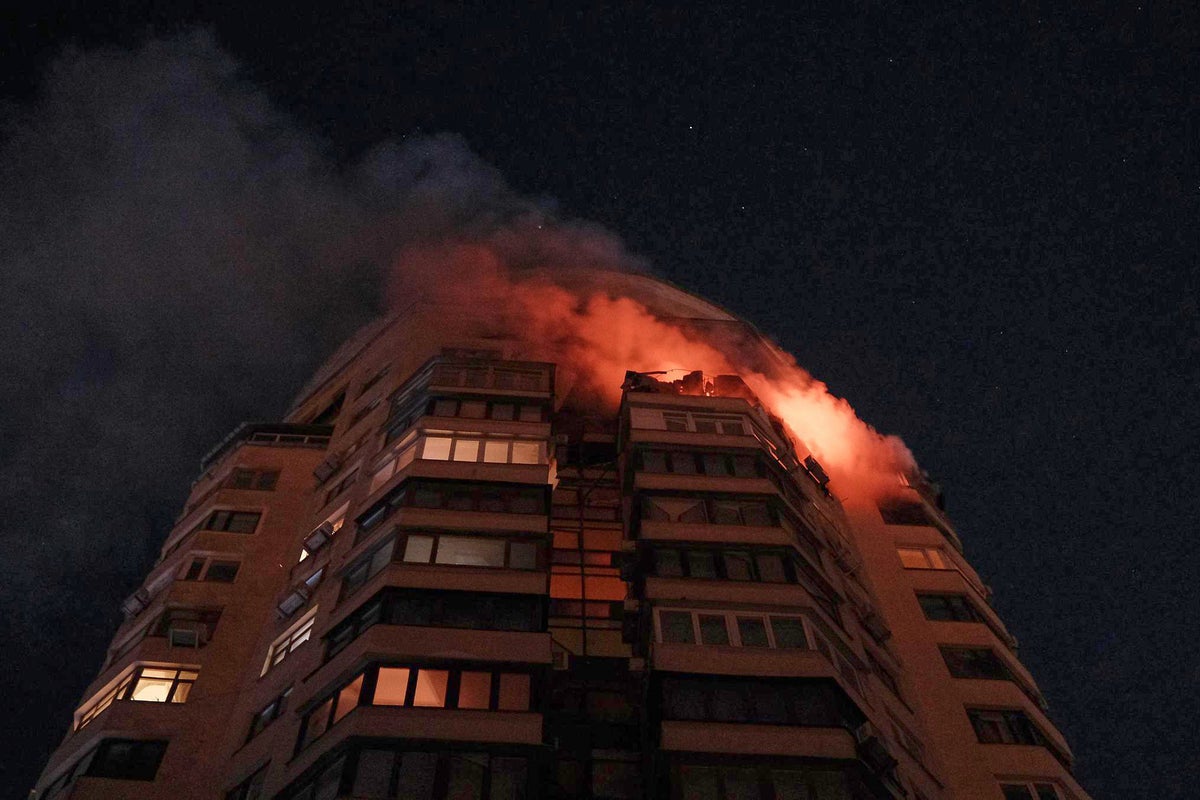
Kyiv's mayor, Vitali Klitschko, reported that approximately 3,500 apartment buildings were left without heating following the latest strikes, compounding the struggles of nearly 2,600 high-rises already affected by previous attacks.
.jpg?trim=0,68,0,68&width=1200&height=800&crop=1200:800)
Rubio reiterated his potential meeting with Zelensky just before departing Washington for Munich. Meanwhile, the Kremlin announced expectations for upcoming peace talks, suggesting a trilateral meeting could occur in Miami early next week.
Kremlin spokesman Dmitry Peskov noted, “We have a certain understanding (of the details), and we will keep you informed,” as discussions about the timing and location of these talks progress.
In another development, Ukraine's DTEK reported significant damage to its thermal power plant from a Russian attack, marking the eleventh major assault on its facilities since October 2025.
Ukrainian short track speed skater Oleh Handei revealed he was instructed to cover an inspirational message on his helmet at the Olympics due to its perceived connection to the ongoing conflict. This follows the disqualification of skeleton racer Vladyslav Heraskevych for wearing a helmet honoring athletes lost since Russia's invasion.
Russia has warned Ukraine that hostilities will persist until Kyiv makes what the Kremlin deems appropriate decisions to resolve the conflict. The first day of peace talks concluded Wednesday, with two-day trilateral discussions continuing in Abu Dhabi.
US special envoy Steve Witkoff and Jared Kushner led the American delegation, while Ukraine was represented by Rustem Umerov and Russia by military intelligence chief Igor Kostyukov.
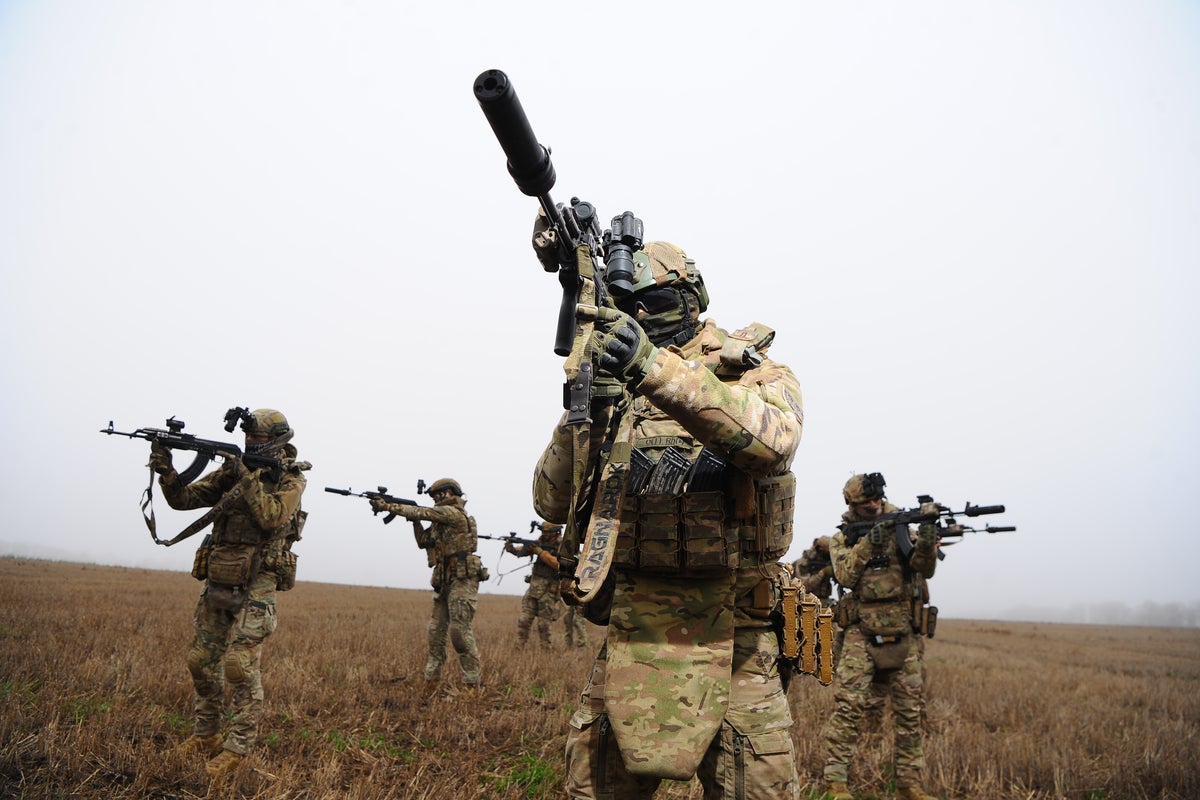
As European leaders gather in Munich, there is a pressing question: can they detach from US security dependence and effectively counter Russia’s aggression? World affairs editor Sam Kiley suggests this week’s events may determine Europe’s future stance.
As the fourth anniversary of Putin’s invasion approaches, Ukrainians share their grim realities. With peace talks stalling, many are struggling to feed their families amid relentless Russian attacks on energy infrastructure.
This winter is particularly harsh, with temperatures plummeting to -26C. Many Ukrainians lack power to cook meals as Russian forces intensify their strikes.

Germany plans to send five additional PAC-3 missile interceptors to Ukraine contingent upon contributions from other nations. German Defence Minister Boris Pistorius emphasized the urgency: “It’s a matter of days and not weeks or months.”
Zelensky expressed outrage over the disqualification of a Ukrainian athlete for wearing a helmet featuring images of fallen athletes. He criticized the International Olympic Committee for not upholding the principles of fairness and peace in sports.
In a related incident, over 220,000 residents in Russia's Belgorod region lost electricity due to a Ukrainian attack on a substation. Governor Vyacheslav Gladkov reported that emergency crews are working to restore power within four hours.