Somalia Intensifies US-Supported Offensive Against Al-Shabab: The Stakes Are High
U.S.-backed airstrikes and expanded ground operations are reshaping the battlefield in Somalia, as the government claims significant victories against the al-Qaida-linked militant group, Al-Shabab. These developments include reclaiming territory and targeting the group's leadership and bomb-making capabilities.
This shift occurs at a crucial time: as African Union peacekeeping forces begin to withdraw, Somalia is stepping up to take charge of its security, nearly two decades after Al-Shabab rose to prominence as a formidable insurgent force.
Understanding the trajectory of this conflict reveals a complex history. Al-Shabab emerged in the mid-2000s as the military arm of the now-defunct Islamic Courts Union, later aligning with al-Qaida. At its zenith, it controlled vast areas of southern and central Somalia, including parts of Mogadishu.
In 2011, African Union troops expelled Al-Shabab from Mogadishu, but the group adapted quickly, resorting to guerrilla tactics, suicide bombings, and targeted killings. According to U.N. monitors, it continues to generate millions through taxation and extortion.
The U.S. has conducted airstrikes in Somalia for over a decade. In 2020, President Trump ordered a significant troop withdrawal, but by 2022, President Biden authorized the redeployment of U.S. forces, reinstating a more robust advisory and counterterrorism role.
Recent reports indicate that Somali forces have regained control of territories in Lower Shabelle, Hiiraan, Middle Shabelle, and parts of Jubbaland that had been under Al-Shabab's influence for years. Omar Ali Abdi, Somalia’s state minister for defense, confirmed that key locations like Jilib Marka and Gendershe are now secured.
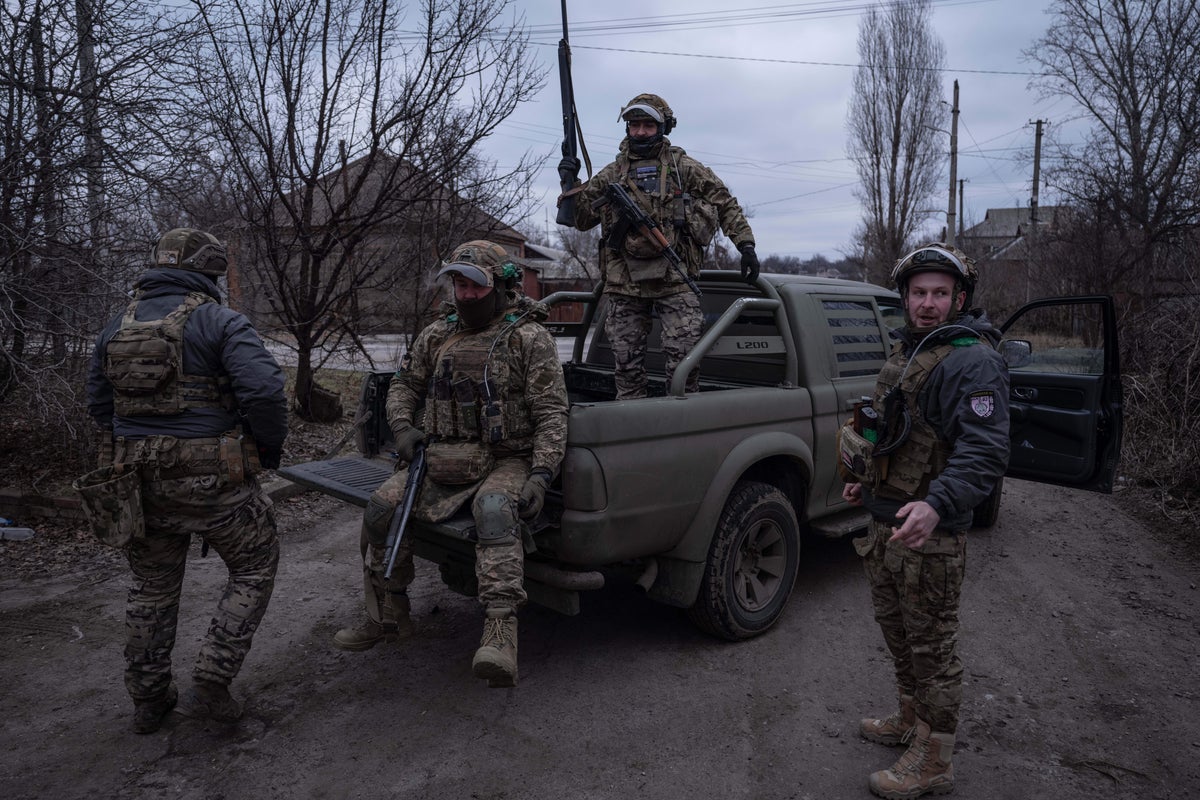
Abdi also highlighted successes in Hiiraan and operations near Masjid Ali Gaduud in Middle Shabelle. In Jubbaland's Kudhaa area, joint efforts with regional Darawiish forces and U.S.-trained Danab special forces have reportedly resulted in numerous militant casualties and the seizure of vehicles.
Al-Shabab has not acknowledged these losses, and access to many contested regions complicates independent verification.
The U.S. plays a pivotal role in this conflict through airstrikes coordinated with Somalia’s federal government, targeting Al-Shabab leaders and training facilities. Abdi noted that recent air operations have successfully destroyed IED manufacturing sites and neutralized explosive-laden vehicles before deployment.
AFRICOM emphasizes precision in its strikes while assessing potential civilian harm. Past U.S. operations have faced scrutiny from human rights organizations due to civilian casualties, with AFRICOM acknowledging some incidents and committing to investigations.
Mogadishu-based security analyst Abdullahi Ahmed Ali remarked that enhanced aerial surveillance has transformed the dynamics of the conflict. Previously evenly matched in ground weaponry, government forces lacked sustained air support and surveillance capabilities.
With expanded drone coverage, Somali forces can now identify Al-Shabab's hidden locations and supply routes that were once elusive. Targeting these sites from the air has facilitated ground advances by government troops.
As the offensive unfolds, it coincides with the gradual transition from African Union troops to Somali forces taking greater control. Analysts stress that this makes air support and intelligence collaboration with international partners increasingly vital.
However, Somalia grapples with multiple challenges: climate-induced droughts, political strife between federal and regional authorities, and funding shortages impacting security and humanitarian efforts.
Experts caution that any territorial gains against Al-Shabab must be solidified through effective governance and service provision. Previous offensives have seen Al-Shabab reestablish control after government withdrawals or failures to maintain a presence.
Somali officials assert that thousands of Al-Shabab fighters have been killed since the campaign escalated, including significant losses in Kudhaa. Yet these figures remain unverified independently.
Despite apparent territorial expansions by government forces, Al-Shabab retains access to extensive regions in central and southern Somalia. Authorities plan to continue operations in collaboration with international partners, integrating ground offensives with intelligence gathering and reconstruction efforts in reclaimed areas.
According to Abdi, rebuilding homes and providing aid in newly captured regions is essential to prevent Al-Shabab from regaining control. Nevertheless, despite reported advances by the government, Al-Shabab remains one of Africa’s most resilient militant groups and a persistent threat.
The onus now lies on the Somali government to convert battlefield gains into lasting stability while navigating the complexities of governance as international peacekeeping forces reduce their involvement.