Texas Voting Kicks Off as Republican Senator Leans on Trump to Secure His Position
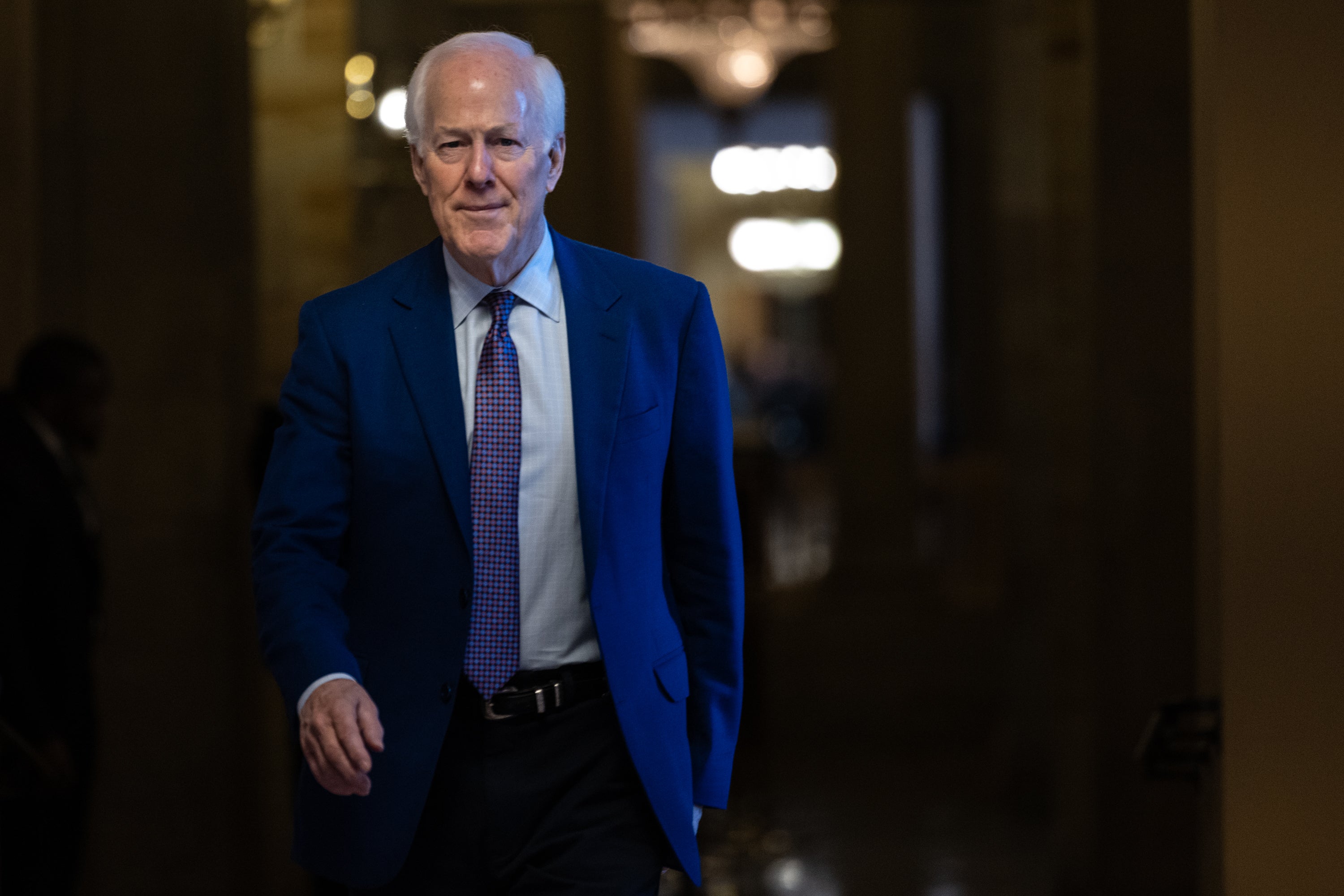
Voters in Texas flocked to the polls on Tuesday, marking the start of early voting in a pivotal primary that could reshape the political landscape. The stakes are high for Republican Senator John Cornyn, who finds himself in a precarious position as he seeks to retain his seat amidst a challenging political climate.
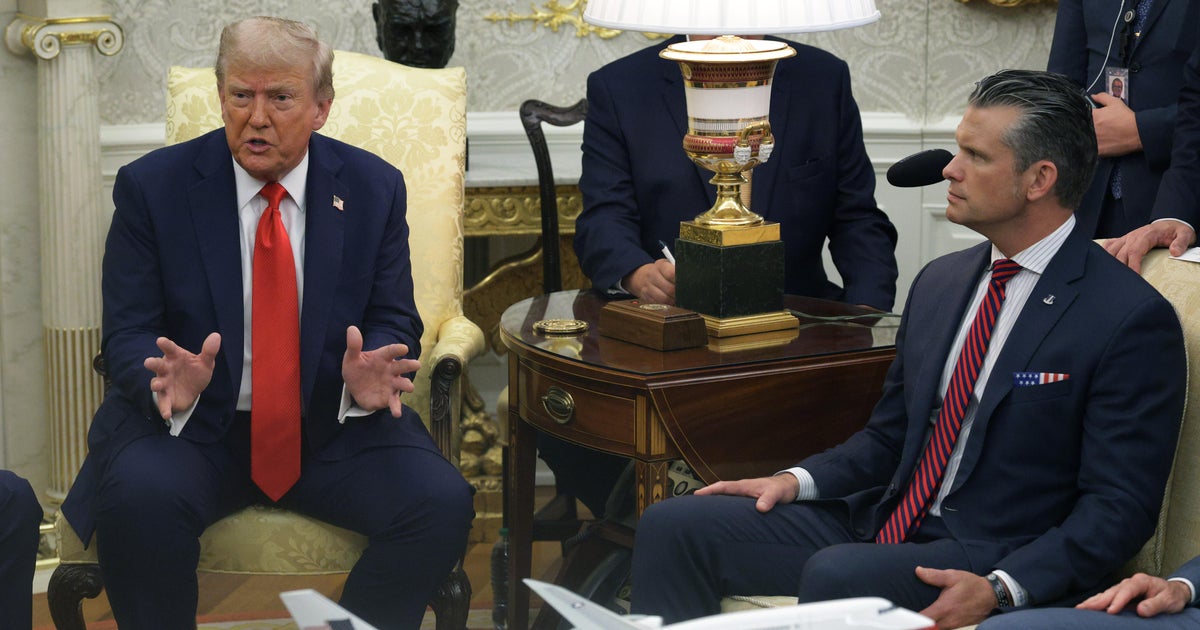
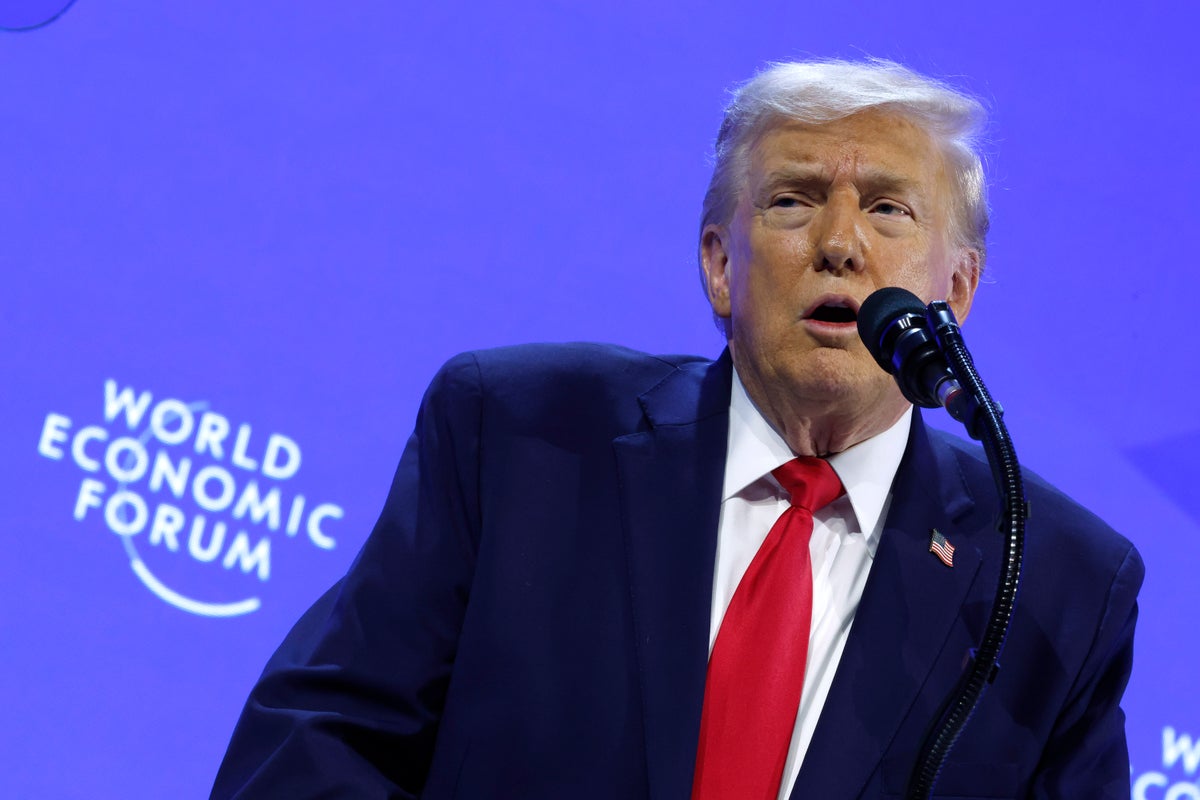
At the heart of Cornyn's struggle is the influence of Donald Trump. As the MAGA brand faces scrutiny, particularly following the events of January 6, loyalty to Trump remains a crucial factor in Texas politics. Cornyn is not just battling two Republican challengers; he is also contending with the expectations of a pro-Trump electorate that demands unwavering allegiance.
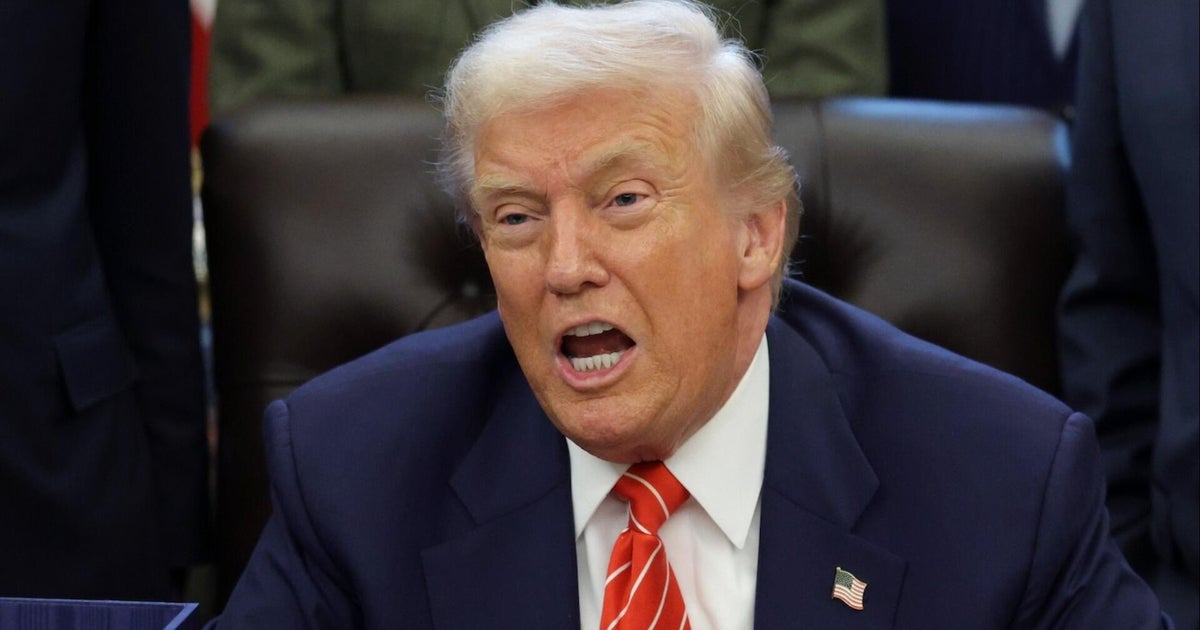
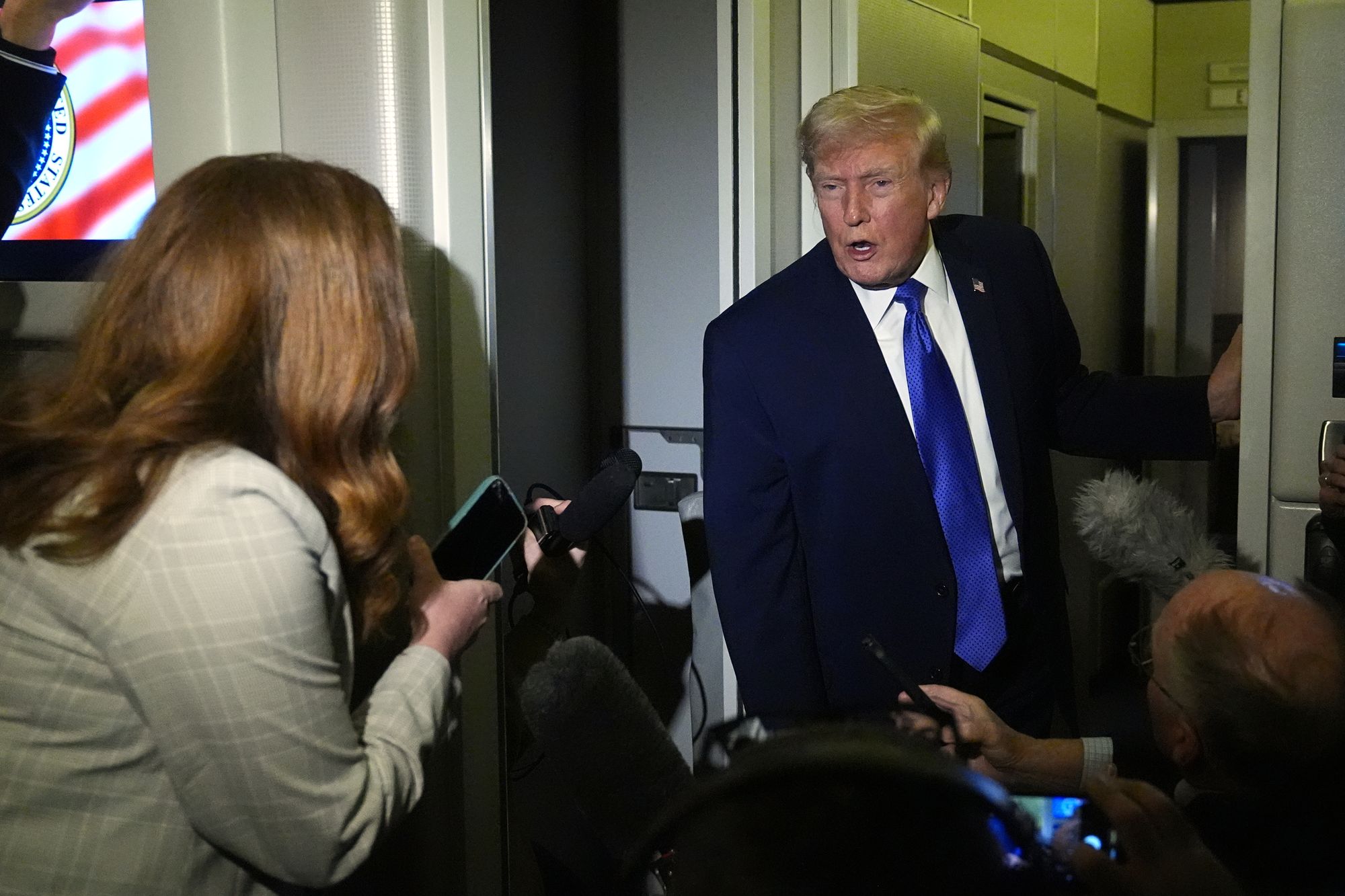
On Sunday, Trump added to the uncertainty by refraining from endorsing any candidate ahead of the March 3 election. This decision was particularly detrimental for Cornyn, who had actively sought Trump's backing to bolster his standing among voters. The absence of an endorsement leaves Cornyn vulnerable as he navigates a competitive primary.
If no candidate secures 50 percent of the vote on March 3, a runoff will ensue in May, extending the campaign and allowing both sides to intensify their fundraising efforts. The Republican race has already seen significant financial backing, dwarfing Democratic expenditures, but the potential for a runoff could further strain resources.
Recent polling indicates that Cornyn is trailing Texas Attorney General Ken Paxton by as much as nine points, raising alarms within his campaign. Democrats are keenly aware of this shift, viewing Paxton's potential victory as an opportunity to flip the seat in November. Memos from GOP strategists reflect a growing concern about the implications of a contentious primary.
The Democratic Senatorial Campaign Committee (DSCC) has publicly criticized Cornyn, labeling him a weak incumbent and suggesting that the GOP is in “panic” mode over the costly intra-party battle. Joshua Blank from the Texas Politics Project described this primary as “the biggest fight of Cornyn’s political life,” underscoring the gravity of the situation.
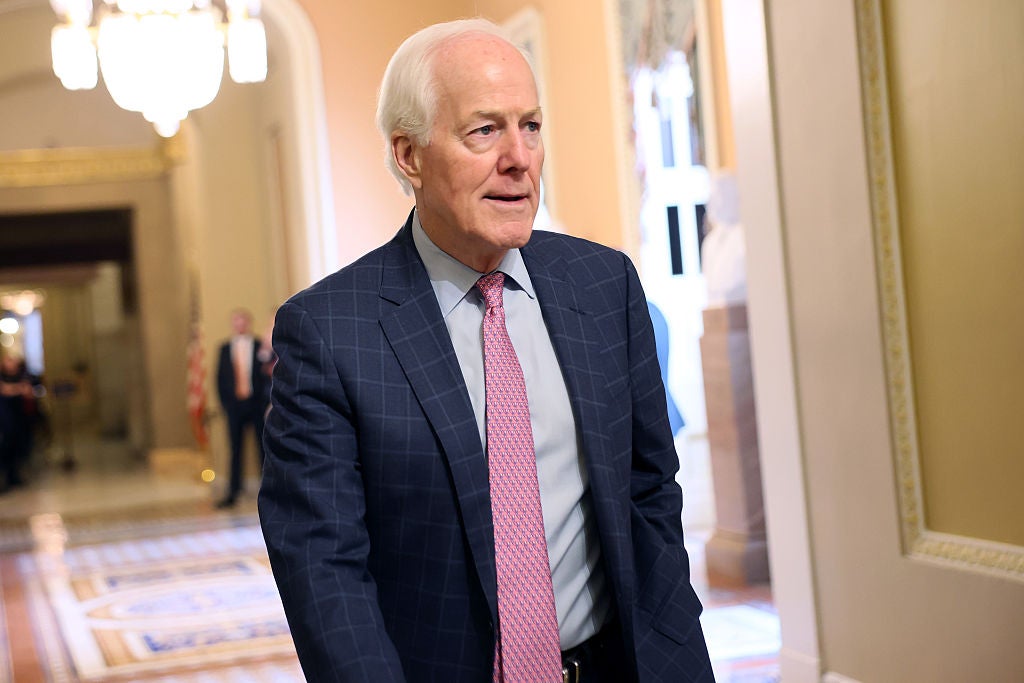
Despite the turmoil, Cornyn's campaign touts its financial strength, claiming over $10 million in cash reserves. Former Governor Rick Perry, a prominent Trump ally, joined Cornyn on the campaign trail, emphasizing support from influential figures within the state. However, attack ads targeting Cornyn flood Texas airwaves, complicating his efforts to solidify voter support.
As the race heats up, spending is expected to escalate. Alex Latcham from the Senate Leadership Fund urged wealthy donors to invest now to secure Cornyn's nomination and avoid exorbitant costs later in the general election. The financial stakes are high, with estimates suggesting that up to $150 million may be needed if Cornyn faces a tough November battle.
Paxton's campaign strategy has resonated with pro-Trump voters, as he leverages his office to investigate local school districts and promote initiatives aimed at combating perceived electoral fraud. His tactics mirror Trump's combative style, which has proven effective in rallying support despite controversies surrounding his tenure as attorney general.

Political analysts note that Paxton's past controversies have not hindered his electoral success. Bill Miller, a political consultant, remarked on Paxton's resilience in maintaining a polling advantage despite ongoing scrutiny. This dynamic poses a significant challenge for Cornyn as he attempts to navigate a divided Republican base.
Texas is emerging as a battleground for Republicans, with implications that extend beyond this primary. Even if Democrats fail to capture the seat, the resources expended and challenges posed signal a shift in political dynamics. Trump's influence continues to shape these contests, often complicating matters for traditional Republican candidates.
The unfolding events in Texas highlight not only the immediate stakes for Cornyn but also the broader implications for Republican strategies nationwide as they grapple with internal divisions and external pressures.