Trump Assembles Global Peace Board Amidst International Hesitation
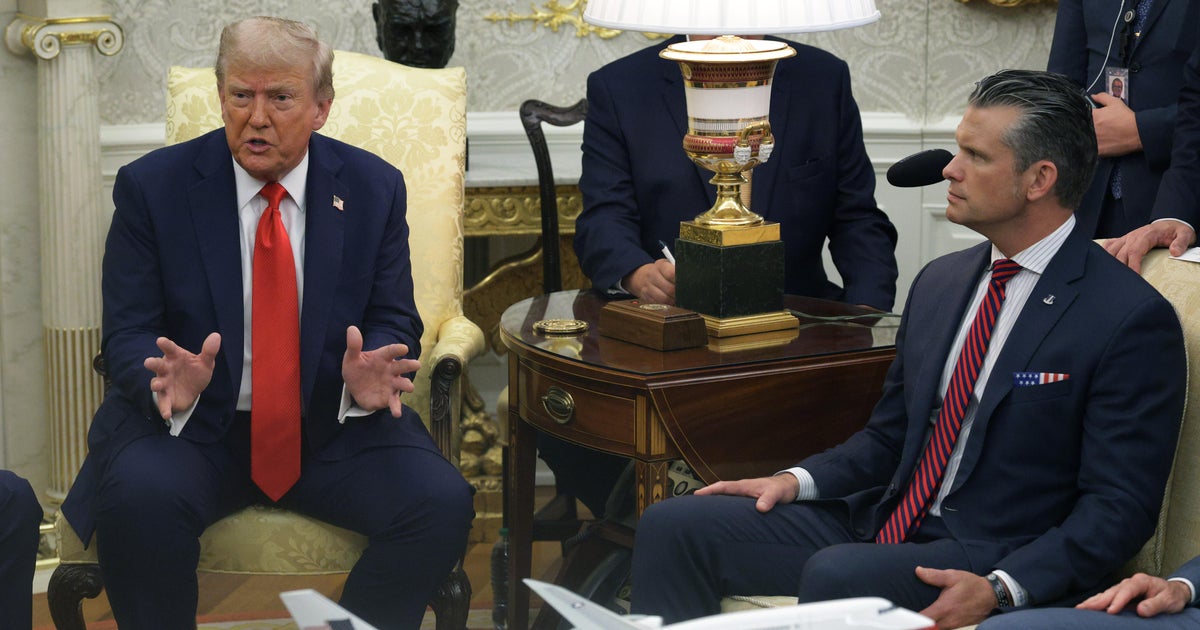
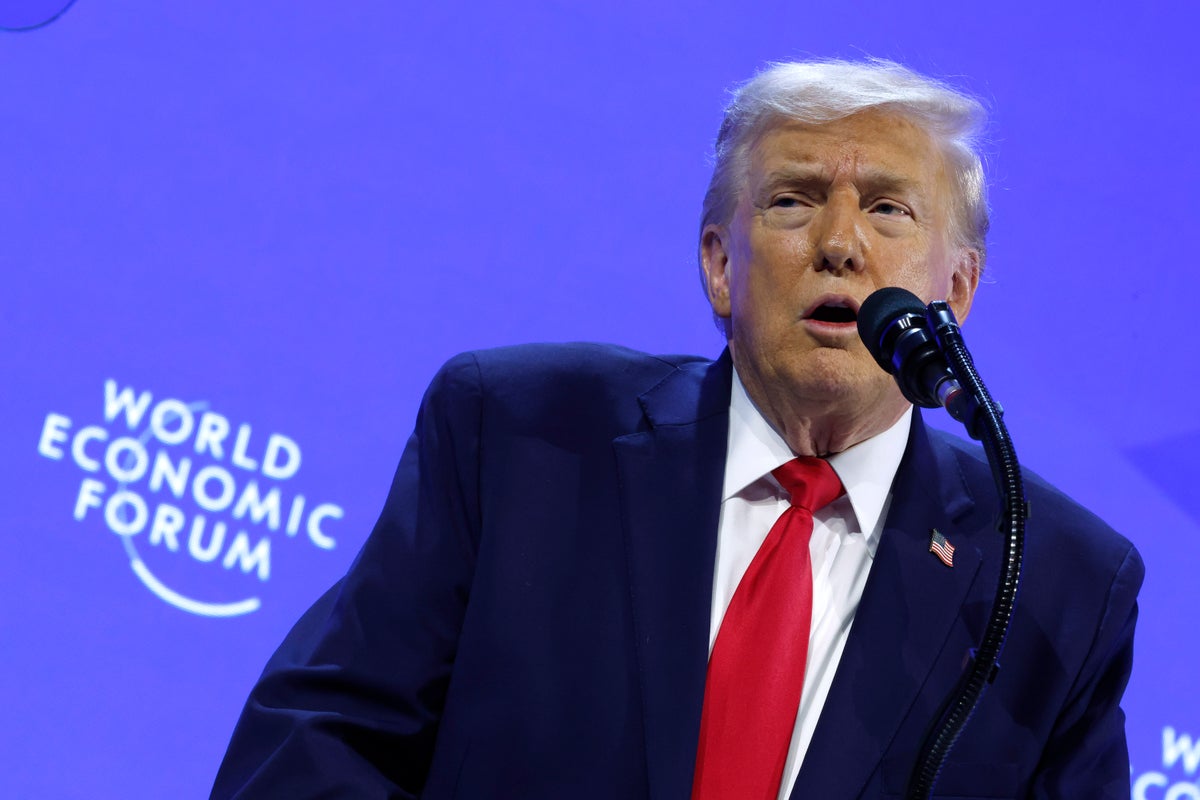
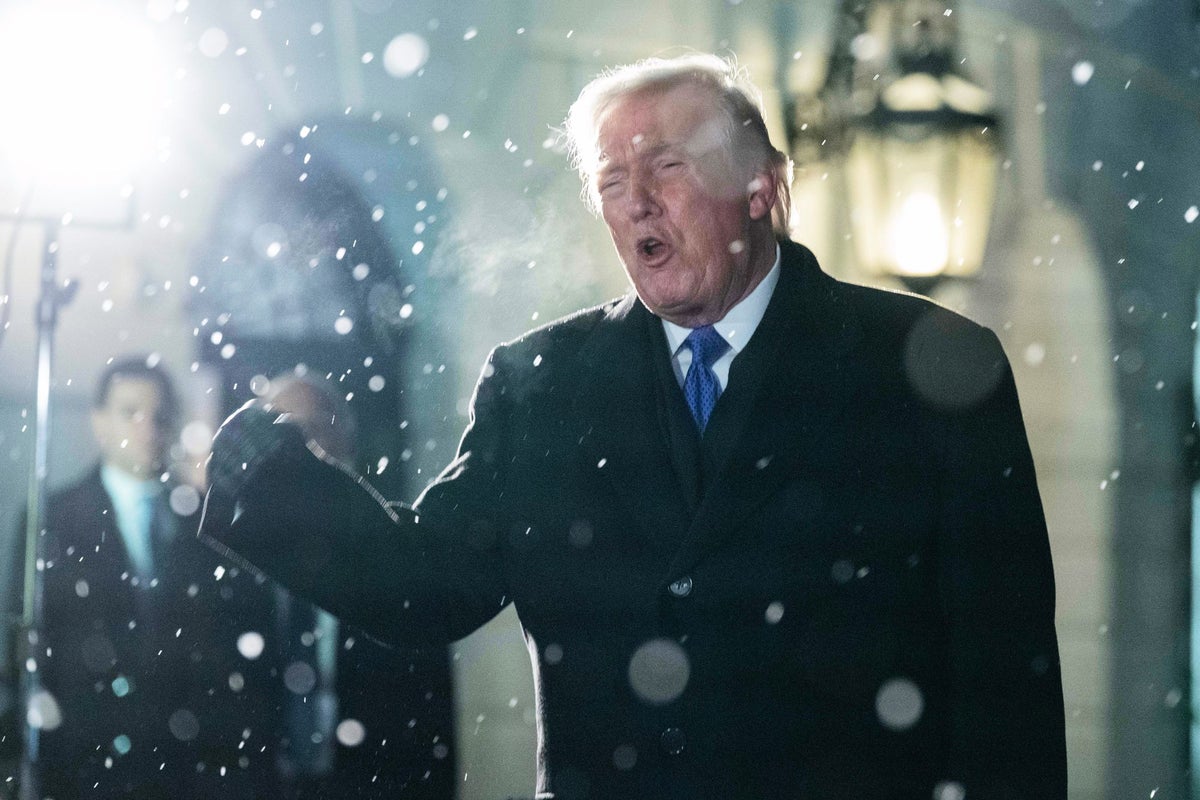
President Donald Trump convenes representatives from over two dozen nations Thursday for the inaugural meeting of his Board of Peace, aimed at addressing reconstruction efforts in Gaza, where a tenuous ceasefire remains in place.
With a pledge of $5 billion from board members, the funding falls significantly short of the estimated $70 billion required to rebuild the war-torn region. Attendees are anticipated to announce commitments of personnel for international stabilization and policing efforts.
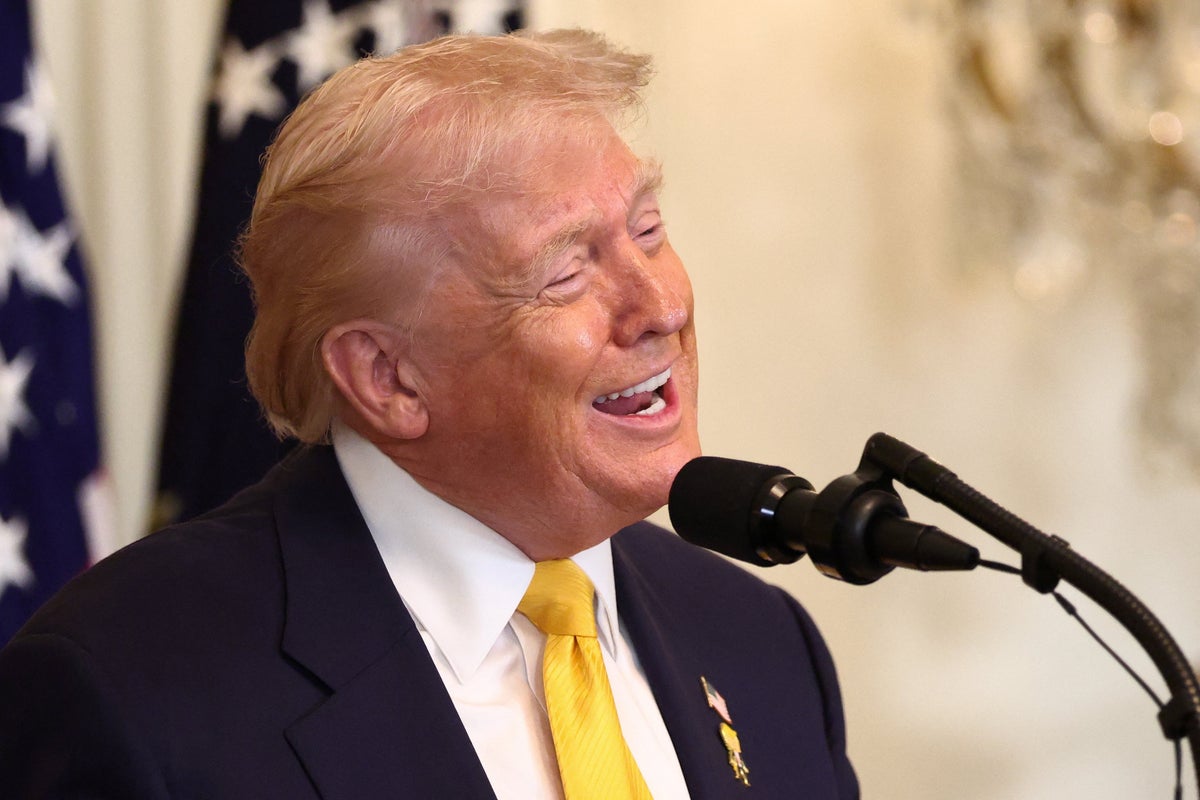
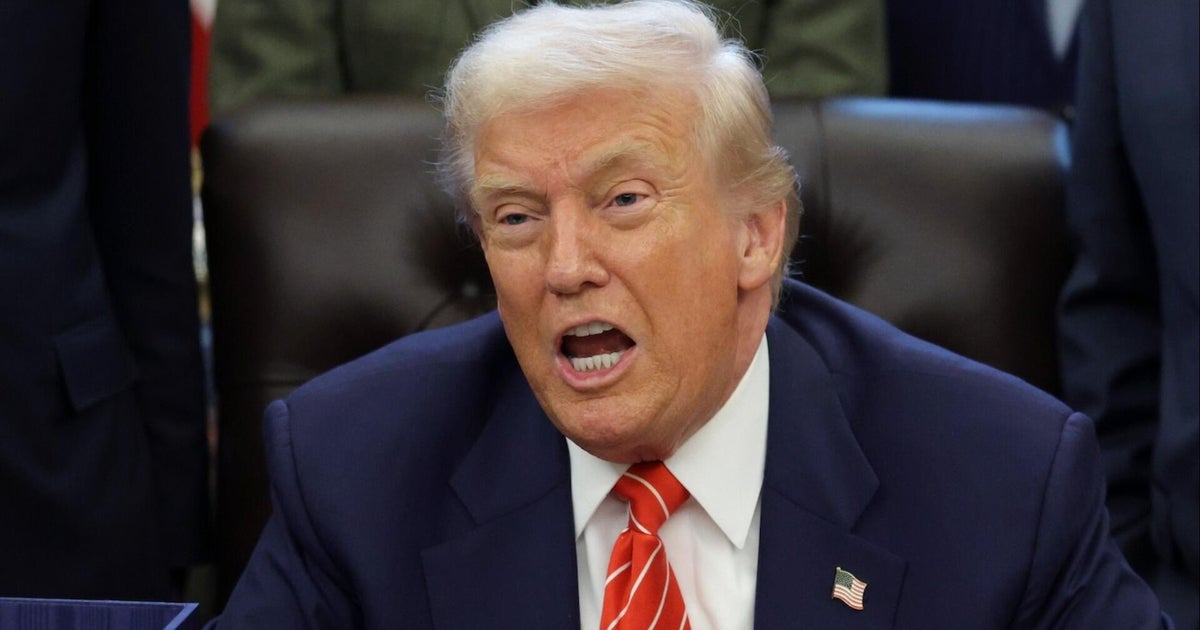
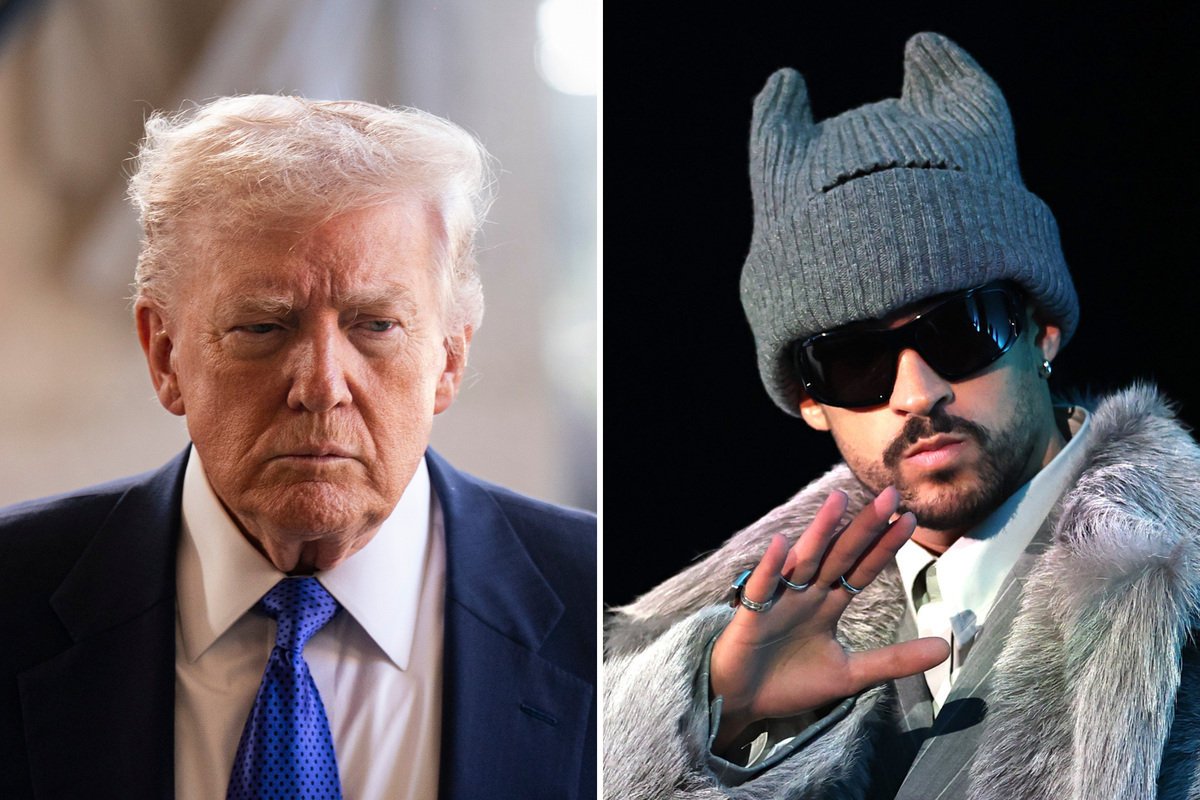
"We have the greatest leaders in the world joining the Board of Peace," Trump stated earlier this week, asserting its potential to be "the most consequential board ever assembled."
Initially part of a 20-point peace plan, Trump's vision for the board has evolved. He now envisions it not only as a means to foster peace between Israel and Hamas but also as a platform to address global conflicts.
However, the fragile nature of the Gaza ceasefire raises concerns. Critics fear that Trump's ambitions may position the board as a rival to the United Nations. Earlier this week, he expressed hopes that the board would motivate the U.N. to "get on the ball."
"The United Nations has great potential," he remarked, "but they haven't lived up to it."
More than 40 countries and the European Union have confirmed attendance at Thursday's meeting. Notably, Germany, Italy, Norway, and Switzerland, while not members of the board, are expected to observe.
The U.N. Security Council held a high-level meeting Wednesday regarding the ceasefire and Israel's actions in the West Bank. Originally scheduled for Thursday, this session was moved up due to potential conflicts with Trump's meeting.
Vatican Secretary of State Cardinal Pietro Parolin emphasized that crisis management should primarily fall under U.N. jurisdiction. The Trump administration responded firmly to these concerns.
"This president has a very bold and ambitious plan and vision to rebuild Gaza," White House press secretary Karoline Leavitt asserted. "This is a legitimate organization with numerous member countries from around the world."
U.S. Ambassador to the U.N., Mike Waltz, countered skepticism from allies, stating that the board is "not talking, it is doing."
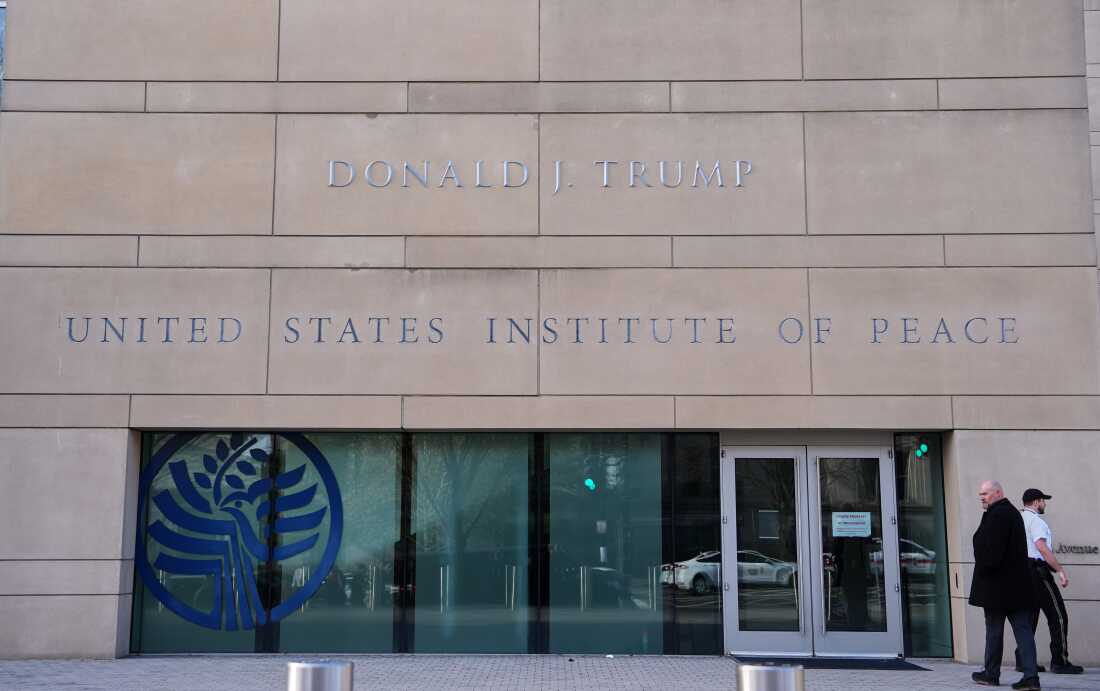
"We are hearing criticism about the board's structure being unconventional," Waltz noted. "But the old ways were not working."
Central to discussions will be establishing an armed international stabilization force tasked with ensuring security and disarming Hamas—a key demand from Israel.
So far, only Indonesia has committed to contributing to this proposed force, while Hamas has shown little willingness to disarm. The administration acknowledges the challenges ahead but remains optimistic based on feedback from mediators.
Indonesian President Prabowo Subianto expressed his commitment to collaborating with other Islamic nations invited by Trump to pursue lasting peace in Palestine.
"We recognize there are still obstacles," he stated at a U.S. Chamber of Commerce event. "But we must try and do our best."
Updates from the Gaza Executive Board regarding efforts to establish governance and services in the territory are expected during Thursday's meeting.
In addition to Trump, speakers will include Secretary of State Marco Rubio, special envoy Steve Witkoff, Jared Kushner, former British Prime Minister Tony Blair, executive board representative Nickolay Mladenov, and Waltz.
Michael Hanna from the International Crisis Group highlighted that skepticism from U.S. allies is understandable given the lack of clear authorization for expanding the board's mandate beyond Gaza.
"Many states invested in Gaza's future have opted to focus U.S. attention on leveraging influence with Israel," Hanna remarked.