Trump Labels U.S.-Iran Talks in Oman as 'Very Positive' with Upcoming Meeting
President Donald Trump expressed optimism on Friday regarding the recent discussions between the United States and Iran held in Oman, declaring them "very good." He confirmed that both parties would reconvene next week, although specifics about the upcoming meeting remain undisclosed.
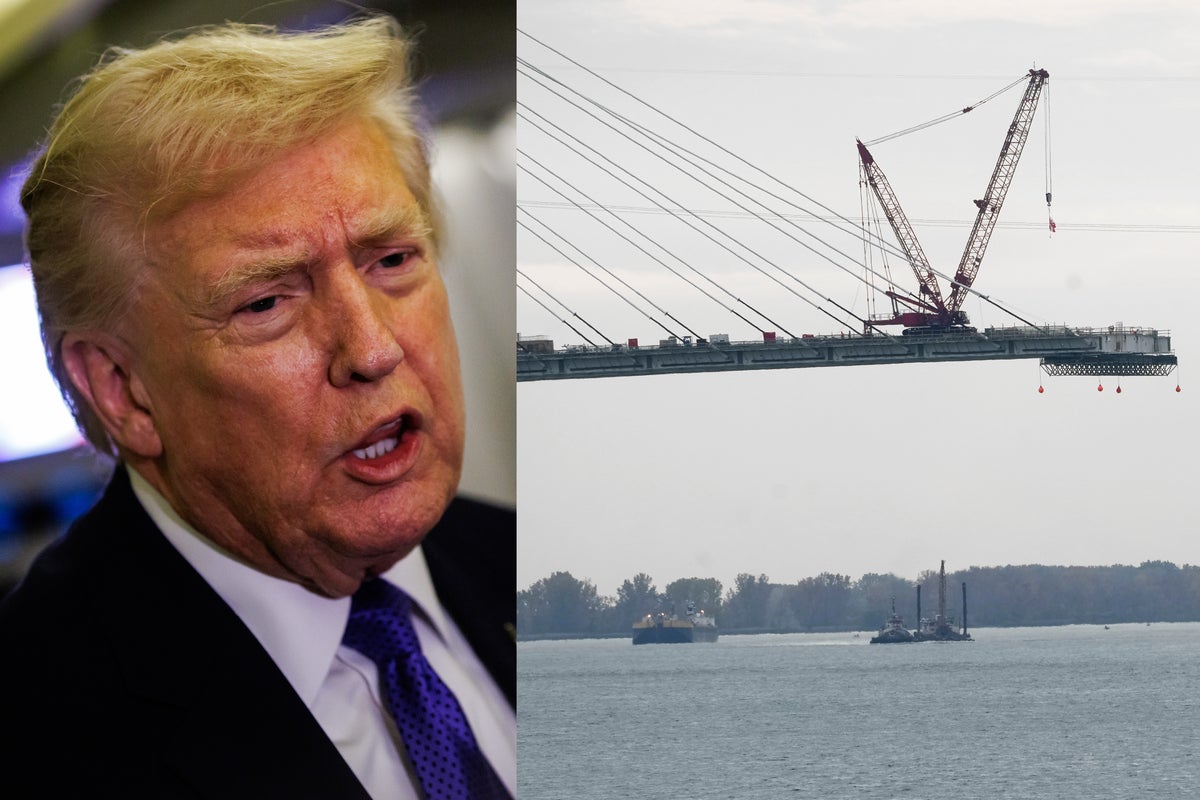
“They had a very good meeting with a very high representative of Iran, and we’ll see how it all turns out,” Trump stated while addressing reporters aboard Air Force One. He reiterated that any agreement must prevent Iran from acquiring nuclear weapons.
“We’re going to meet again early next week, and they want to make a deal, Iran, as they should want to make a deal,” he continued. “They know the consequences if they don’t. If they don’t make a deal, the consequences are very steep. So we’ll see what happens.”
While U.S. and Iranian officials did not engage directly, they communicated their positions through Omani intermediaries, according to a U.S. official.
Amid rising tensions, Trump has consistently warned of potential military action against Iran. The U.S. military's posture was underscored on Friday when Navy Adm. Brad Cooper, head of Central Command, attended the talks in uniform.
Key figures in the negotiations included Special Envoy Steve Witkoff and Jared Kushner, Trump’s son-in-law. Iran’s Foreign Minister Abbas Araghchi, who led the Iranian delegation, conveyed a positive outlook on the discussions via a mass text message sent to citizens in Iran. “It was a good start. How the talks move on depends on consultations with the capitals,” he noted. “There was almost a consensus on the continuation of talks and it was agreed they would continue.”
This method of communication has historical precedence; similar mass texts were utilized during Iran’s 12-day conflict with Israel last June, which also involved U.S. military participation.
The U.S. has been bolstering its military presence in the Middle East, with reports indicating that the USS Abraham Lincoln aircraft carrier is nearing striking distance of Tehran. This heightened military readiness was further emphasized when a fighter jet from the carrier shot down an Iranian drone that approached aggressively in the Arabian Sea.
Despite leaving open the possibility of regime change in Iran, two U.S. officials indicated that Trump has yet to define specific objectives for any potential military action. There remains no clear strategy or consensus within the administration regarding the U.S.'s role following any such operation.
Iran’s Supreme Leader Ayatollah Ali Khamenei cautioned on Sunday that any U.S. attack could trigger a regional conflict.
Simultaneously, the Trump administration has intensified pressure on Iran through sanctions. On Friday, the State Department announced new measures targeting “15 entities, two individuals, and 14 shadow fleet vessels connected to the illicit trade in Iranian petroleum, petroleum products, and petrochemical products,” as stated in an official release.
“Time and time again, the Iranian government has prioritized its destabilizing behavior over the safety and security of its own citizens,” the statement read, referencing the regime's violent suppression of peaceful protests.
Mass protests erupted in late December due to economic hardships as the rial currency plummeted and inflation surged. These protests evolved into one of the most significant challenges faced by the Iranian regime in its 47-year history, with thousands taking to the streets against the ruling clergy.
The subsequent crackdown was described as unprecedented in modern Iranian history. The U.S.-based Human Rights Activists News Agency reported on Friday that it had verified 6,955 deaths during these protests, with over 50,000 arrests documented by their network of activists on the ground.