Trump's $400 Million Ballroom Project Gains Momentum Amid Controversy
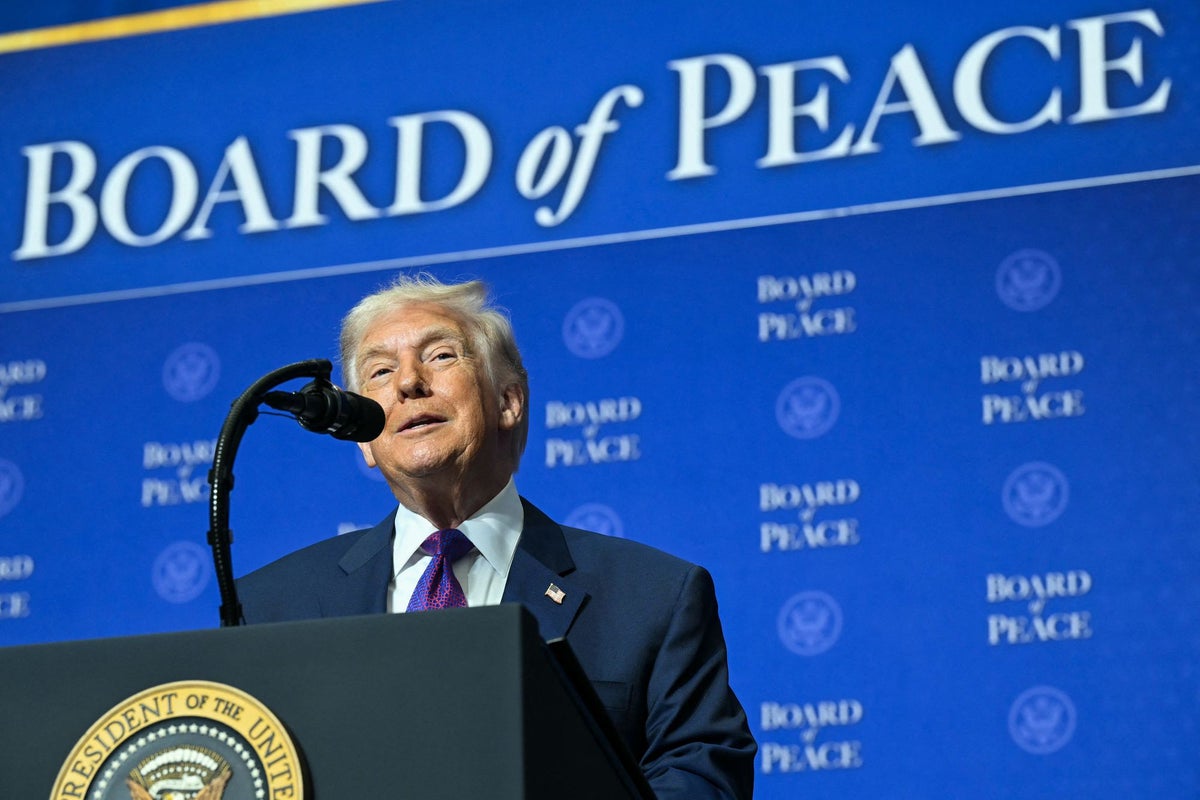
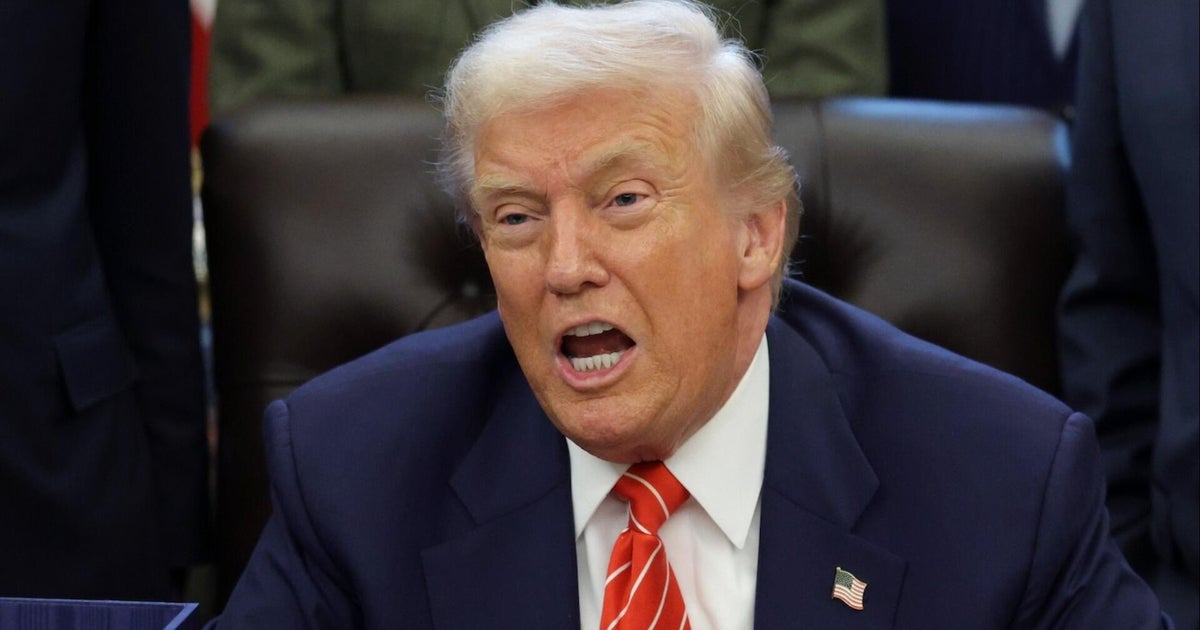
On Thursday, the U.S. Commission of Fine Arts greenlit President Donald Trump’s ambitious $400 million ballroom project, marking a significant step forward in a plan that has drawn both fervent support and intense criticism. This approval comes after Trump replaced board members with allies, a move that has raised eyebrows among lawmakers and citizens alike.
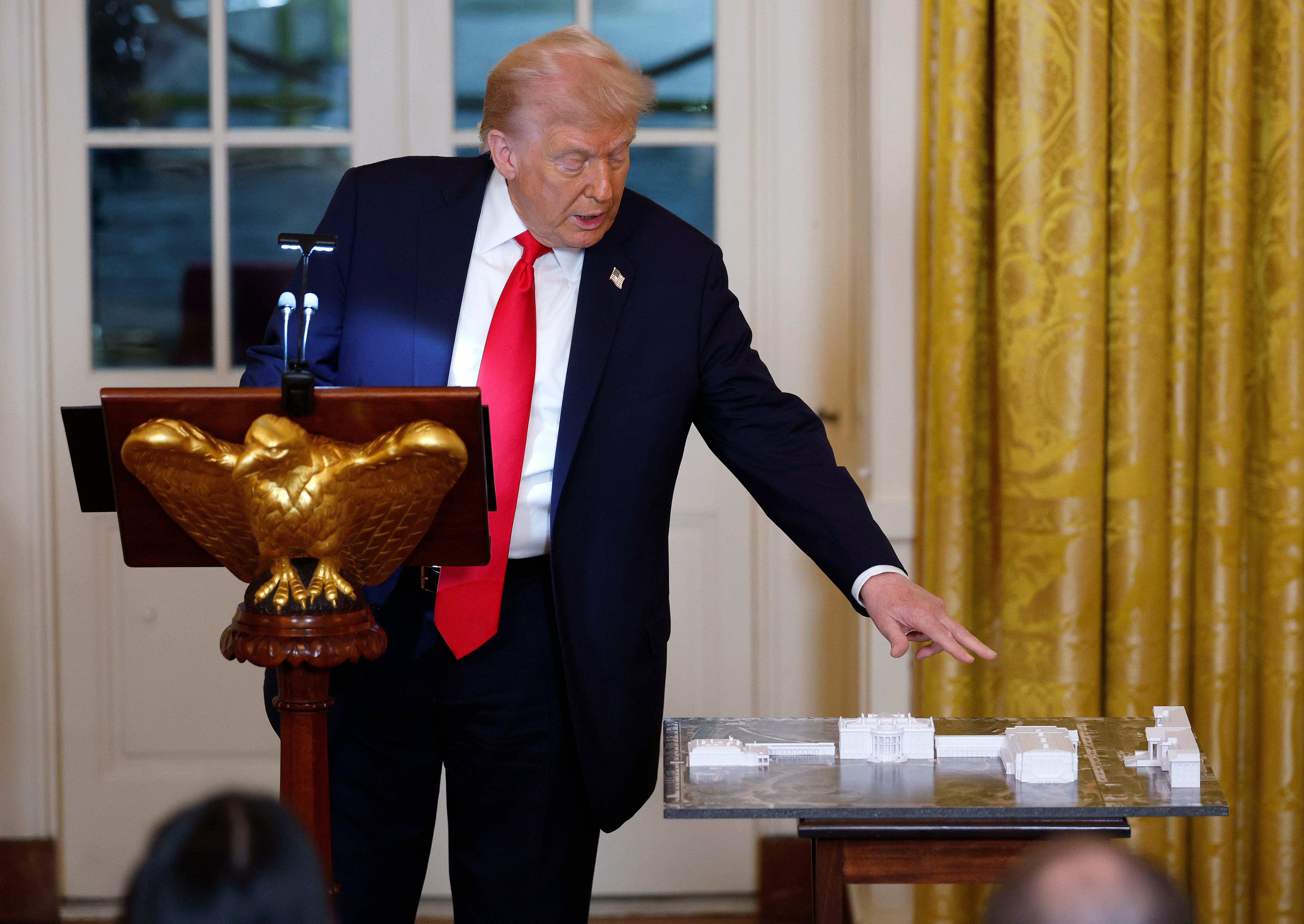
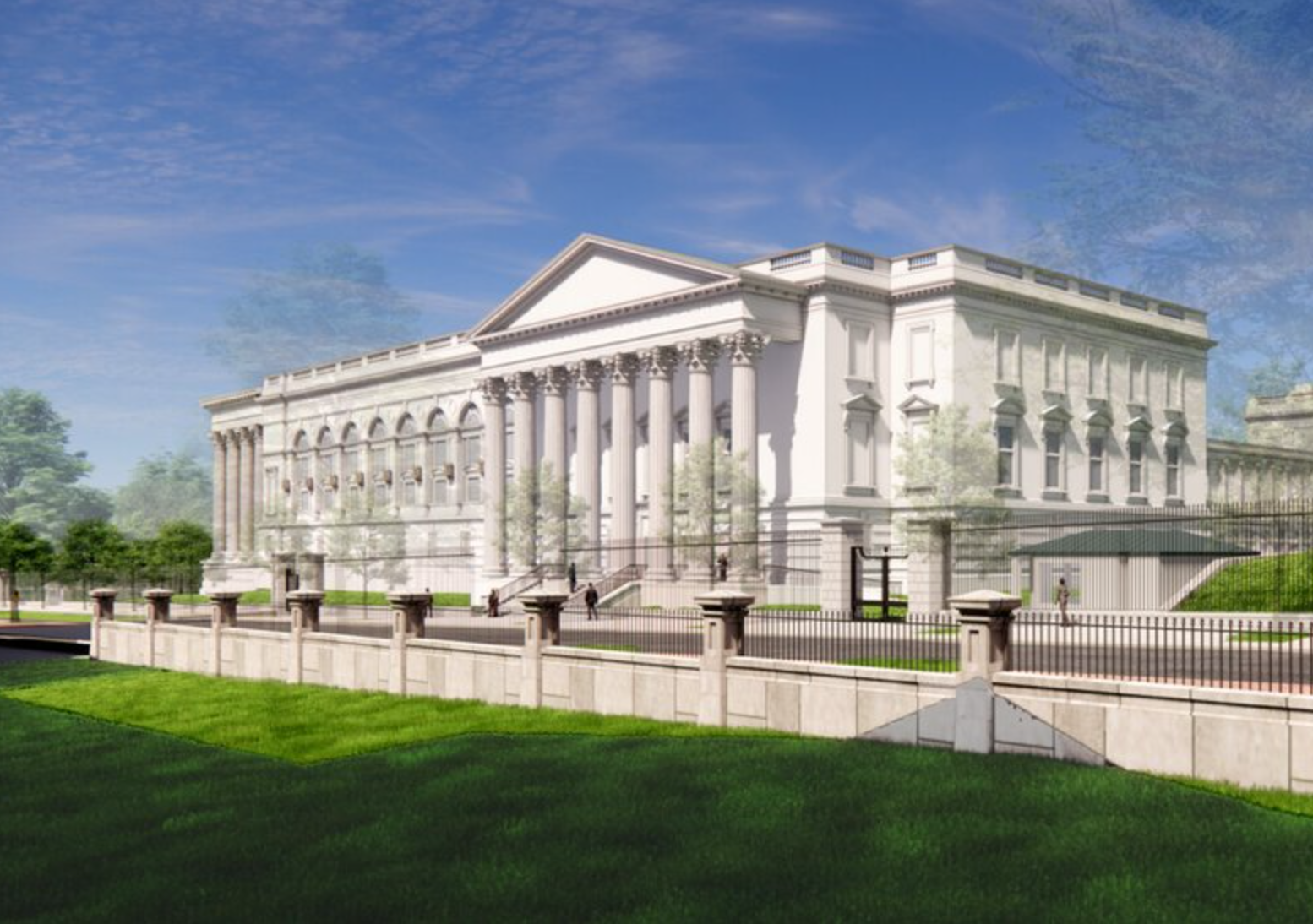
Despite widespread public opposition, a panel of six commissioners, handpicked by Trump, praised the design as a “beautiful structure.” The ballroom, envisioned to span 90,000 square feet, is nearly the size of the White House residence and West Wing combined, reflecting Trump’s desire for a grand venue for formal events.
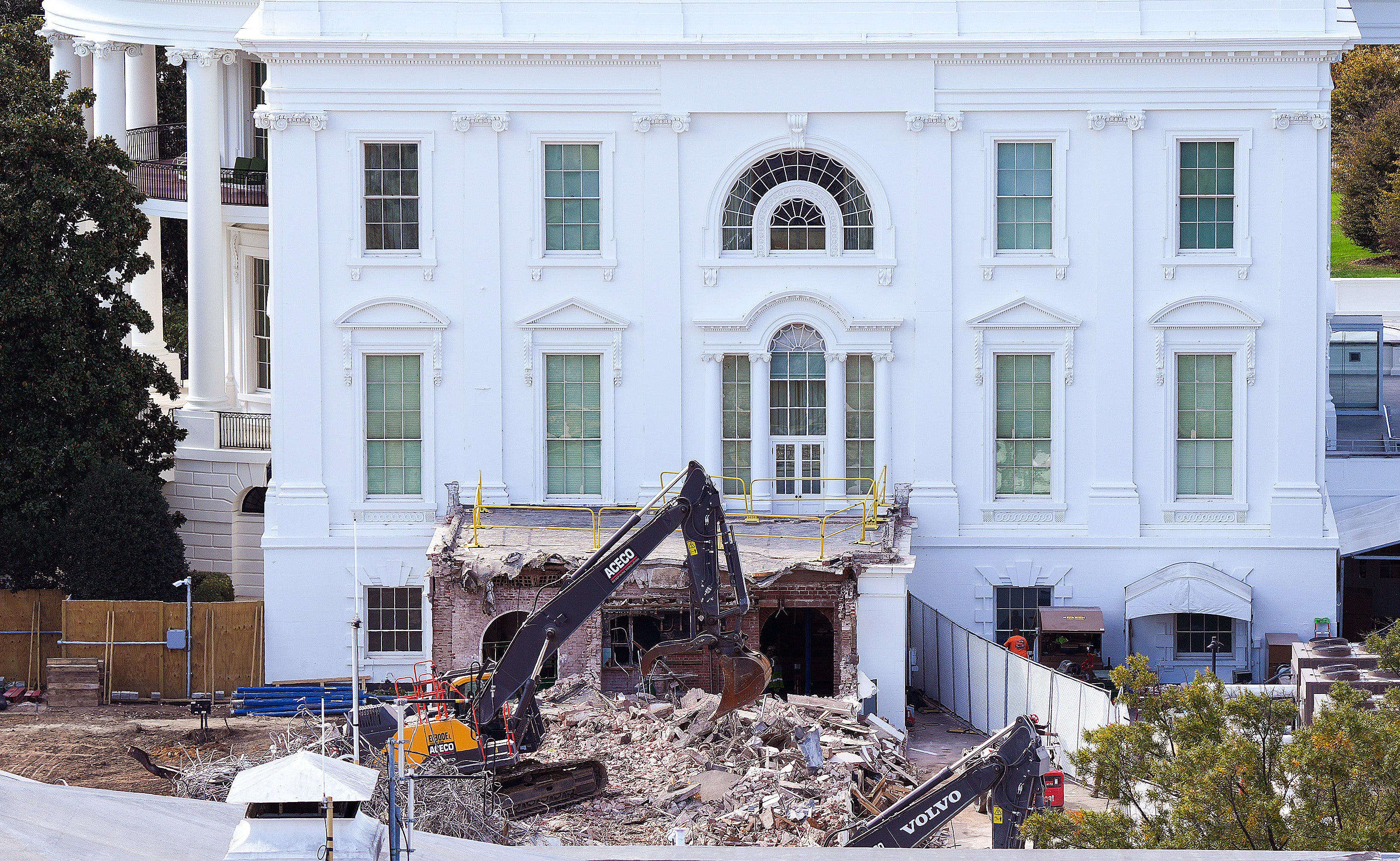
In a swift move, Trump initiated the demolition of the historic East Wing, altering initial cost estimates and reshaping the oversight boards responsible for reviewing construction plans. This demolition began in October, shocking many who had been assured that the new ballroom would not disrupt the original building.

White House officials defended the decision, claiming that architects found it more cost-effective and structurally sound to demolish rather than renovate. However, critics argue that Trump is bypassing traditional protocols by neglecting to seek necessary approvals from the National Capital Planning Commission and Congress.
The National Trust for Historic Preservation has filed a lawsuit against the administration in an attempt to halt construction. While the East Wing has already been demolished, the court has yet to rule on the new construction plans.
In a controversial shake-up, Trump dismissed all six members of the U.S. Commission of Fine Arts in October, replacing them with individuals he deemed more aligned with his policies. This panel typically comprises experts in art and architecture; however, Trump’s new appointees include individuals with varied backgrounds, some lacking any formal experience in the arts.
Among these new members is 26-year-old Chamberlain Harris, who serves as deputy director of Oval Office operations. “This is sort of like the greatest country in the world. It’s the greatest house in the world. And we sort of want it to be the greatest ballroom in the world,” Harris stated during a recent meeting.
James McCrery II, initially hired as the architect for the ballroom, now serves as vice-chairman of the commission but has not participated in any reviews or votes regarding the project since stepping down in December. The commission is chaired by Rodney Mims Cook Jr., who has lauded Trump’s vision for promoting world peace through this new addition.
Cook remarked, “No president has really stepped up to the plate to require that this be corrected until President Trump,” referring to the need for a dedicated ballroom for formal events.
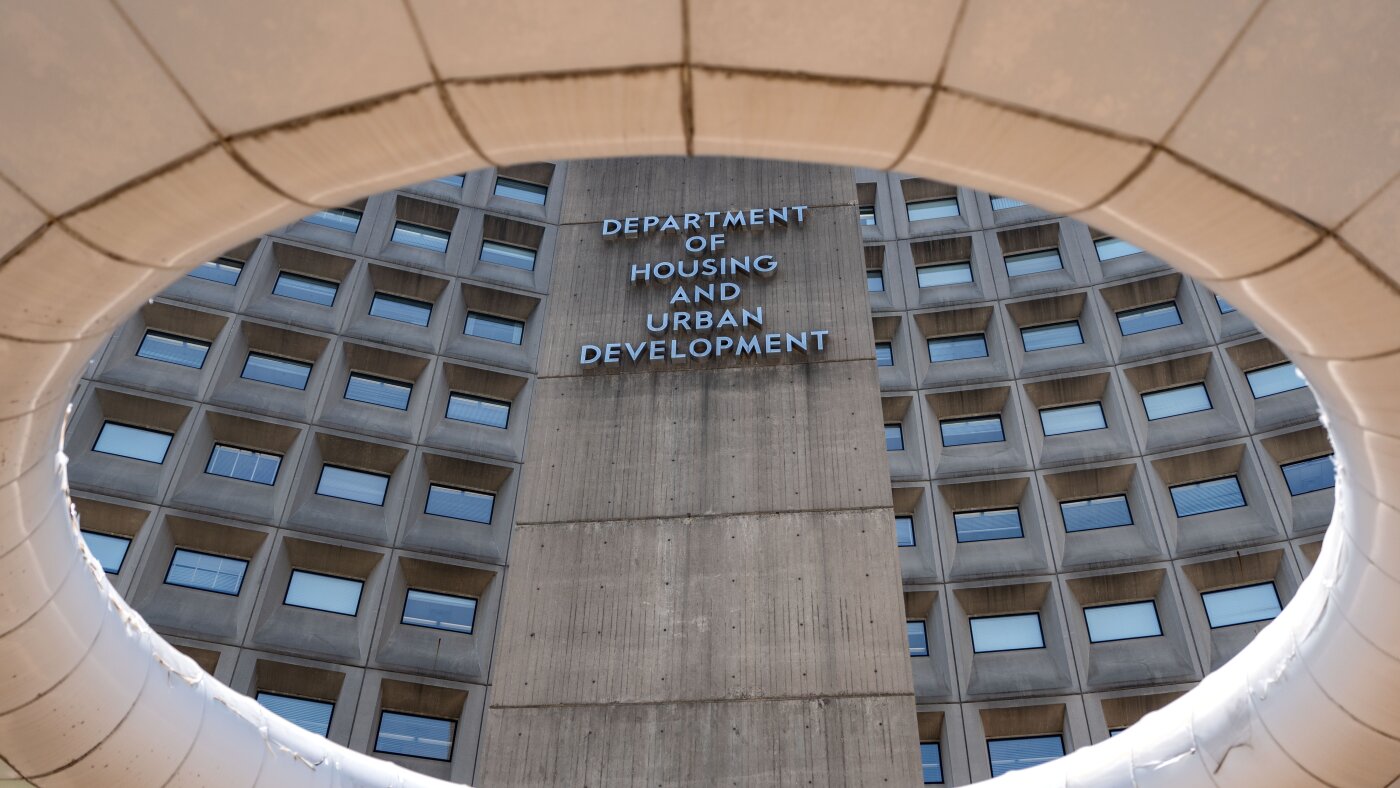
The commission also includes Roger Kimball, a conservative commentator; Mary Anne Carter, chairwoman of the National Endowment for the Arts; Pam Patenaude, a former HUD official; and Matthew Taylor, a conceptual artist with ties to Rudy Giuliani.
A federal judge recently urged the government to adhere to its commitment to submit plans to both the Commission of Fine Arts and the National Capital Planning Commission for review. In preparation for this submission, Trump appointed his former personal lawyer Will Scharf as chairman of the commission.
James “Michael” Blair and Stuart Levenbach have also been appointed to key positions within the commission. The National Capital Planning Commission is set to review design plans on March 5.
Initially estimated at $200 million, the ballroom’s cost has now ballooned to $400 million, necessitating donations from private entities including tech giants like Amazon and Apple. Concerns about potential corruption have been raised by watchdog groups such as Citizens for Responsibility and Ethics in Washington.
Noah Bookbinder, president of CREW, expressed apprehension about how these donations could influence presidential decision-making: “All of this money that they’re giving for something that’s important to the president could influence his decision-making.”
Trump and his supporters argue that a new ballroom is essential due to insufficient space for large events at the White House. Currently, outdoor tents are being utilized to accommodate gatherings, which have sparked security concerns.
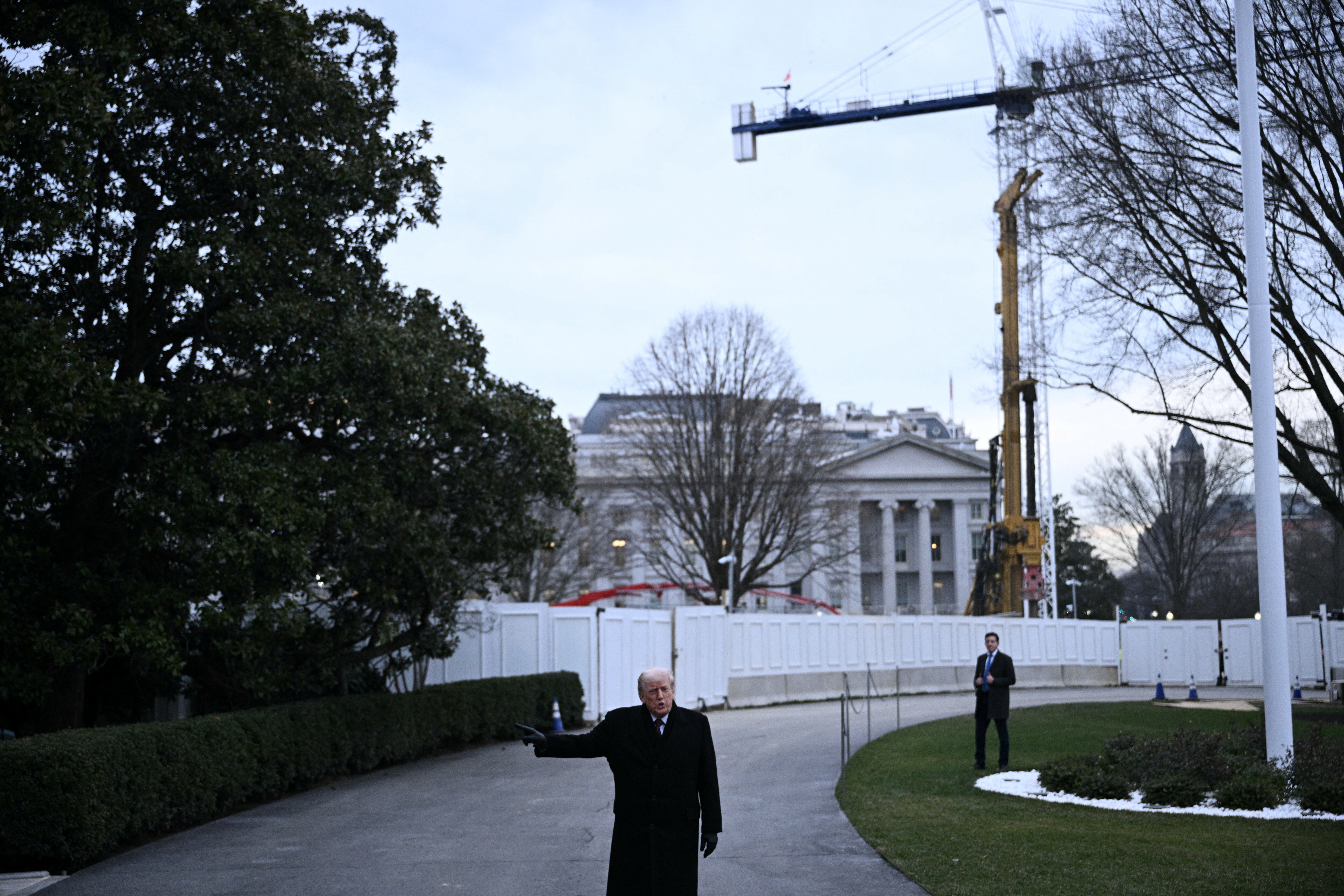
The president aims to have the ballroom completed and ready for guests by summer 2028, providing builders with approximately 18 months to finalize this ambitious project.