Trump's EPA to Erase Climate Protections, Igniting Global Outrage
Donald Trump’s Environmental Protection Agency (EPA) is poised to eliminate crucial climate regulations, a decision that critics are calling a “betrayal” of global efforts to address the climate crisis, particularly impacting poorer nations.
The agency plans to rescind the 2009 “endangerment finding,” a pivotal scientific assessment that established greenhouse gases as a threat to public health and welfare. This finding serves as the backbone for federal regulations on emissions, including those from vehicles, methane, and power plants. Without it, the EPA's ability to regulate carbon dioxide and other harmful gases would be significantly weakened.
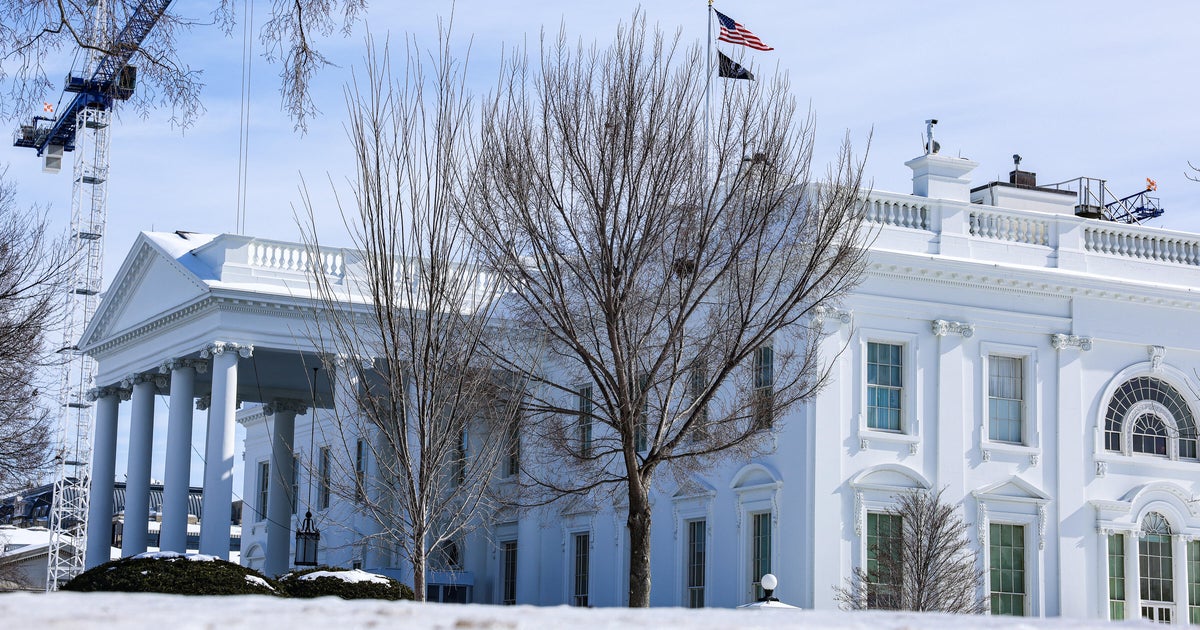
Describing the repeal as “the largest deregulatory action in American history,” the White House has positioned this move as a major victory for its agenda. Press secretary Karoline Leavitt stated that the repeal, set for announcement on Thursday, would eliminate “$1.3 trillion in crushing regulations.” Meanwhile, EPA press secretary Brigit Hirsch labeled the Obama-era rule as “one of the most damaging decisions in modern history,” asserting that the agency is committed to delivering a historic action for Americans.
The endangerment finding emerged from the Supreme Court’s 2007 ruling in Massachusetts v. EPA, which mandated that greenhouse gases be regulated if they pose risks to public health. Since its inception in 2009, federal courts have consistently upheld this determination against various legal challenges.
Following last year’s proposal to repeal the finding, the National Academies of Sciences, Engineering and Medicine reaffirmed its validity, stating that the original determination remains “accurate” and is now supported by even more compelling evidence. The panel emphasized that the dangers posed by human-caused greenhouse gases are indisputable.
New vehicle standards finalized for 2024 were based on this finding, aiming to reduce passenger vehicle emissions by nearly 50% by 2032 compared to projected levels for 2027. The EPA previously estimated these standards would yield net benefits of $99 billion annually through 2055, including reduced fuel and maintenance costs for drivers.
Harjeet Singh, a climate activist and strategic advisor to the Fossil Fuel Treaty Initiative, warned that this rollback would have repercussions extending far beyond U.S. borders. “This betrayal doesn't just doom its own citizens; it also condemns millions in developing nations who contribute the least to this crisis yet will suffer the most from intensified storms and droughts,” he stated.
Toneýhn Verkitus, Executive Director of Physicians for Social Responsibility Pennsylvania, condemned the rescission as a “government-sanctioned crime against public health and the environment.” He criticized the current administration’s dismissal of overwhelming scientific evidence as a blatant disregard for planetary wellbeing, prioritizing corporate interests over human life. “Without these protections, our fundamental right to clean air and clean water is sacrificed at the altar of greed,” he added.
The United States stands as the largest historical emitter of greenhouse gases and ranks second annually after China. Developing nations, especially small island states and least developed countries, have long contended that affluent nations bear primary responsibility for the climate crisis.
Singh further remarked, “This is not a 'regulatory win,' but a catastrophic abdication of duty. By giving the fossil fuel industry a free pass, the U.S. is willfully pouring gasoline on a burning planet.”
Andreas Sieber, head of political strategy at 350.org, expressed concern that this repeal would diminish America’s economic standing as other countries advance their clean energy transitions. “By dismantling the legal backbone of climate and pollution protections, the administration is trading public health and economic competitiveness for short-term fossil-fuel interests,” he said.
“While other countries scale up renewables and electric vehicles, this decision signals retreat and isolation,” Sieber added.
Dan Becker, director of the Center for Biological Diversity’s Safe Climate Transport Campaign, stated that this repeal undermines one of the most significant climate measures ever adopted by any nation. “The EPA is killing the biggest single step any nation has taken to save oil, save consumers money at the pump, and combat global warming,” he asserted.
Gretchen Goldman, president of the Union of Concerned Scientists, emphasized that the science linking global warming emissions to harm was clear in 2009 and has only become more evident since then. “EPA has a legal obligation to regulate this pollution under the Clean Air Act. The American public deserves a government that will confront the climate crisis with proven policy solutions rather than exacerbate it for fossil fuel profits,” she stated.
This repeal is anticipated to provoke new legal challenges from environmental groups and states that have defended the endangerment finding for over a decade. Previous court rulings have consistently upheld the agency’s authority to regulate greenhouse gases contingent upon the endangerment determination being in place.