U.S. Engages in Indirect Negotiations with Iran, Military Commander Joins Talks
MUSCAT, Oman — Indirect negotiations between Iran and the United States unfolded in Oman on Friday, marking a return to foundational discussions regarding Tehran's nuclear ambitions. Notably, U.S. Navy Adm. Brad Cooper, the commander of Central Command, attended the talks, a first that underscored the military's significant role amid rising tensions.
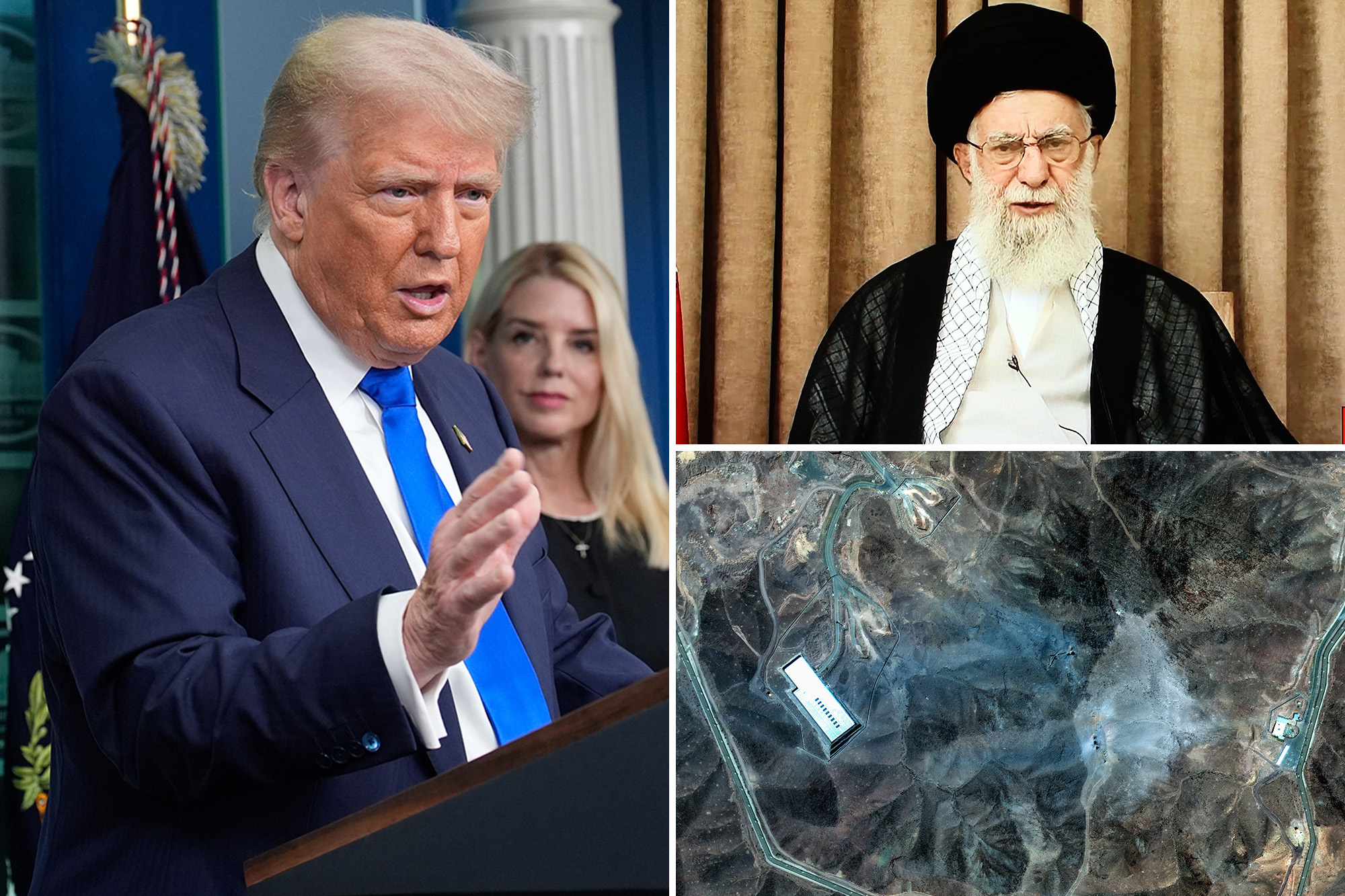
Cooper's presence in his dress uniform served as a stark reminder of the USS Abraham Lincoln and its accompanying warships stationed off Iran's coast in the Arabian Sea. This military posture coincided with President Trump's assertion that discussions had been "very good," while simultaneously warning of severe consequences should Iran fail to reach an agreement on its nuclear program.
Trump's rhetoric has included threats of military action, particularly following Iran's violent suppression of protests that resulted in numerous casualties and mass detentions. Gulf Arab nations are increasingly anxious that any conflict could escalate into a broader regional war.
Recent incidents have heightened these fears; U.S. forces intercepted an Iranian drone near the Lincoln, and Iran attempted to seize a U.S.-flagged vessel in the Strait of Hormuz just days prior to the negotiations.
"Nuclear discussions must occur in a calm environment, free from threats," Iranian Foreign Minister Abbas Araghchi stated post-talks, emphasizing the need for a non-confrontational approach. He reiterated that dialogue hinges on the cessation of pressure tactics.
The U.S. delegation, which included special envoy Steve Witkoff and Jared Kushner, did not provide immediate comments following the discussions. Araghchi indicated that diplomats would return to their respective capitals, signaling the conclusion of this round of talks.
In a show of military strength, the U.S. released images of the Lincoln carrier group operating in the Arabian Sea, accompanied by the slogan "Peace through Strength!" This naval presence has been a response to Iran's actions against protesters.

Araghchi expressed cautious optimism during a live interview from Muscat, describing the talks as multi-faceted and focused on establishing a framework for future negotiations. "We will consult with our capitals regarding next steps," he noted.
However, he acknowledged that deep-seated mistrust poses a significant hurdle to progress. "Addressing this issue is essential before advancing to subsequent negotiations," he added.
Omani Foreign Minister Badr al-Busaidi characterized the discussions as beneficial for clarifying both Iranian and American perspectives and identifying potential areas for advancement. Yet, Oman framed these talks as foundational rather than a direct pathway to a nuclear agreement or de-escalation of tensions.
Initially, these discussions were expected to occur in Turkey and involve regional stakeholders, addressing broader issues such as Iran's ballistic missile program—an aspect Tehran reportedly rejected in favor of focusing solely on its nuclear agenda.
Prior to the June conflict, Iran had been enriching uranium to 60% purity, dangerously close to weapons-grade levels. The International Atomic Energy Agency (IAEA) has noted that Iran is unique in its enrichment activities among non-nuclear-armed states.
Iran has resisted IAEA requests for inspections of sites affected by the June conflict, raising alarms among nonproliferation experts. Restrictions on IAEA inspections have been in place since Trump's withdrawal from the 2015 nuclear deal.
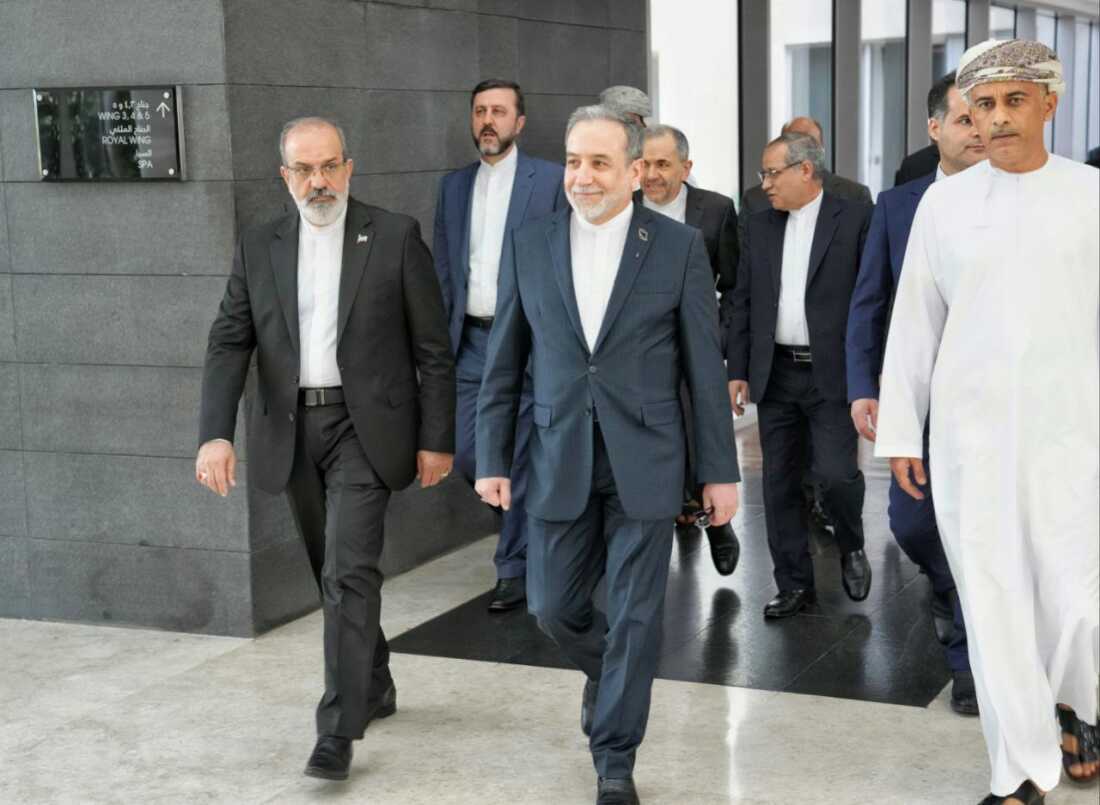
The negotiations took place at a palace near Muscat's international airport, previously utilized for earlier U.S.-Iran talks in 2025. Observers noted Iranian officials arriving first at the venue before American representatives followed separately.
The specifics of what Iran is willing to negotiate remain ambiguous. Tehran insists that discussions will focus exclusively on its nuclear program. However, reports suggest that diplomats from Egypt, Turkey, and Qatar proposed a plan requiring Iran to halt enrichment for three years and export its highly enriched uranium—conditions Iran has deemed unacceptable.
U.S. Secretary of State Marco Rubio emphasized that all relevant issues must be included in negotiations. "I'm not sure you can reach a deal with these guys, but we're going to try to find out," he remarked.
Following Friday's discussions, the U.S. Treasury and State Department announced new sanctions targeting Iran's energy sector, penalizing 14 oil tankers allegedly involved in evading sanctions and imposing restrictions on 15 trading firms and two executives.
"The Iranian government consistently prioritizes destabilizing actions over the safety of its citizens," stated the State Department. "The U.S. will persist in countering networks involved in transporting Iranian crude oil and related products, which are vital to the regime's income."
In recent weeks, sanctions have also been imposed on key Iranian officials linked to the violent crackdown on protests.