U.S. Military Targets Another Suspected Drug Vessel; Search Underway for Survivor
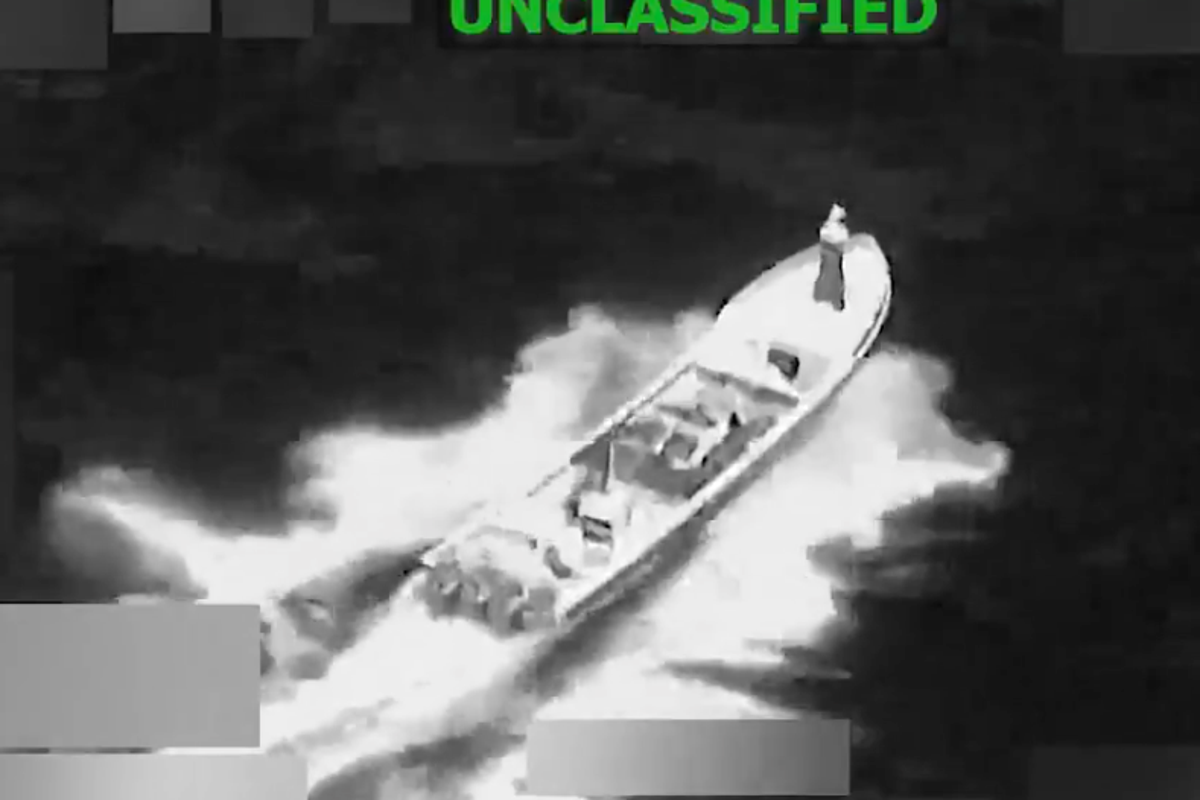
On Monday, the U.S. military executed a strike on its 39th suspected drug-laden vessel, resulting in the deaths of two individuals and leaving one survivor, who is now the target of an active search-and-rescue operation.
According to a statement from the military's Southern Command on X, the vessel was "operated by Designated Terrorist Organizations" involved in narco-trafficking. While the specific group behind the operation remains unnamed, several Latin American drug cartels have been designated as foreign terrorist organizations by the previous administration.
A spokesperson from the U.S. Coast Guard confirmed that Southern Command alerted them about a "person in distress," prompting the Maritime Rescue Coordination Center Ecuador to coordinate the search efforts.
On February 9, under the direction of #SOUTHCOM commander Gen. Francis L. Donovan, Joint Task Force Southern Spear carried out a lethal strike on a vessel linked to these organizations. Intelligence indicated that the boat was navigating through known narco-trafficking routes.
Since the military began targeting alleged drug vessels in the Caribbean Sea and Eastern Pacific Ocean last September, approximately 130 individuals have lost their lives. The frequency of these strikes has decreased since January 3, following the capture of Venezuelan President Nicolás Maduro, with Monday's incident marking the third known strike since that date.
Survivors have emerged in at least five instances, leading to search and rescue operations in most cases. However, several searches have been called off. Notably, during an operation in October, two survivors were successfully retrieved by a Navy helicopter and returned to their home countries of Ecuador and Colombia.
The military's approach to handling survivors has faced significant scrutiny. In the initial strike on September 2, two individuals survived but were subsequently killed in a follow-up attack, raising allegations that this second strike could be classified as a war crime. Democratic lawmakers who reviewed footage of the September operation expressed strong disapproval. The Defense Department and some congressional Republicans defended the follow-up strike, arguing that the survivors may have still posed a threat.
The previous administration has justified these strikes as essential for combating narcotics trafficking, labeling the alleged maritime drug traffickers as "unlawful combatants" and asserting that the U.S. is engaged in a "non-international armed conflict" with these cartels.
In contrast, many Democratic lawmakers have criticized the military actions, contending that there is insufficient evidence to support claims that these vessels were transporting drugs to the U.S. They also argue that the administration has not secured proper congressional authorization for this military campaign. Attempts by congressional Democrats to impose restrictions on these boat strikes have consistently failed in both the House and Senate.