Unraveling the Escalating Threats Against Public Officials: "It's Overwhelming"
Washington — Over a span of eight days in July, a series of 15 comments emerged online, each cloaked in pseudonyms reminiscent of notorious mass shooters from U.S. history, including those from Sandy Hook and Aurora.
One comment read, "That POS Judge… MUST have her life ENDED Immediately! Get it done, Patriots!!" targeting a federal judge in California.
Another post boasted about using firearms against members of Congress: "This is GREAT! Now I can use a high-powered firearm to take care of [four members of Congress], and the Squad members… for starters! Wish me Luck."
The posts aimed at a Supreme Court justice, seven federal judges, and 11 lawmakers, laced with what prosecutors described as "thinly veiled racial epithets."
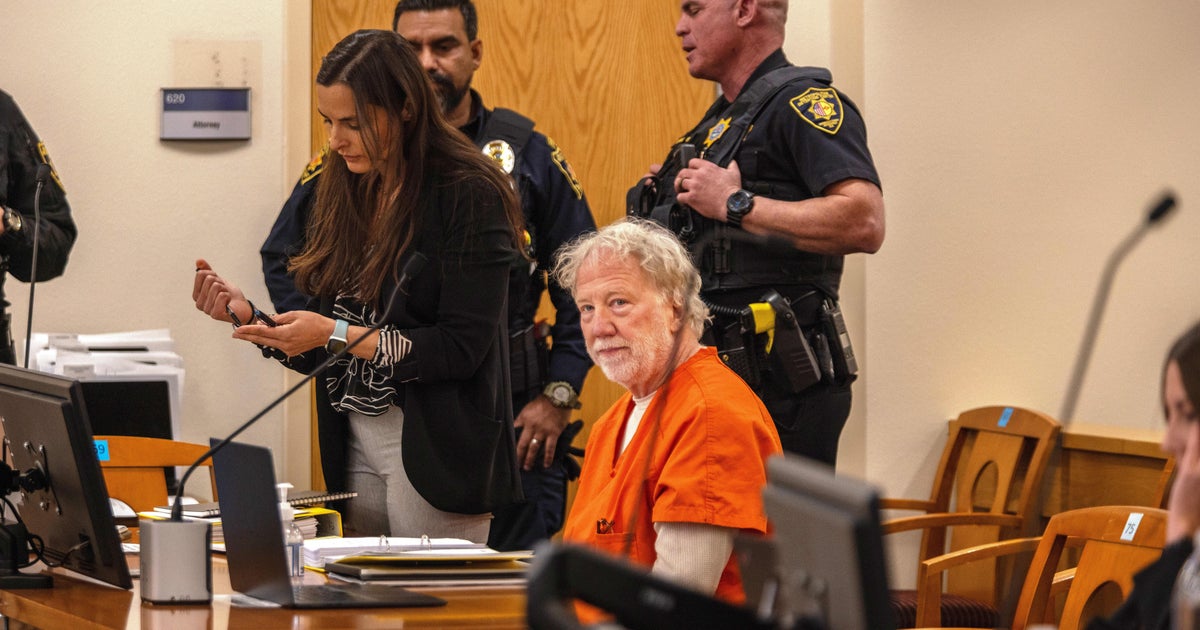
These comments traced back to Jeffrey Petersen, a Minnesota resident who confessed to the FBI about his involvement, admitting that things "got out of hand," according to court filings. Initially indicted on 20 counts last October, Petersen has pleaded not guilty.
His defense attorney argues for dismissal of the charges, claiming Petersen's comments fall under First Amendment protections. While the remarks expressed violent wishes, they lacked any indication of actual intent to harm, the lawyer contended.
Petersen is among 126 individuals charged last year for threatening federal and state officials, as revealed by an analysis of court records across all 94 federal judicial districts. This analysis focused on cases involving threats against the president and other high-ranking officials.
The National Counterterrorism Innovation, Technology, and Education Center at the University of Nebraska at Omaha contributed data to this alarming trend.
Threats have not spared any branch of government; they have been directed at judges, Congress members, law enforcement officers, and even former presidents. The volume of such threats has surged dramatically, with federal prosecutions related to threats against public officials tripling over the past decade.
In fact, 2025 has already surpassed 2024 in terms of threats-related cases, highlighting a troubling environment for those in public service. Officials now face a relentless barrage of threats via social media, voicemails, and emails, with incidents of swatting and doxxing becoming increasingly common.
"If I were in my 30s or 40s with young children at home and thinking about going on the federal bench, one of the factors [to consider] is that we may be exposing ourselves to possible violence," U.S. District Judge John Coughenour remarked.
Coughenour, appointed by President Reagan in 1981, noted that while he has had security details in response to threats before, the recent surge in explicit threats is unprecedented.
He recounted being swatted—an illegal act where false emergency calls are made to dispatch SWAT teams to public figures' homes—and receiving bomb threats. Hundreds of threatening voicemails have also flooded his office.
Last year, Coughenour blocked an executive order from Trump regarding birthright citizenship, labeling it "blatantly unconstitutional." Trump's reference to Coughenour's decision in the Oval Office further fueled hostility towards him.
"In my previous 40 years on the bench, criticism was expected," Coughenour stated. "But never before have I seen such hypercritical comments from the president and his staff labeling judges as monsters."
According to U.S. Marshals Service data, threats against judges rose from 509 in fiscal year 2024 to 564 last year. Chief Justice John Roberts reported that threats targeting judges have tripled over the past decade.
"Civility and respect for the rule of law have markedly declined," a Trump-appointed federal judge shared anonymously. "When individuals disagree with court decisions, they attack the institution through personal attacks on judges."
This judge has faced death threats directed at his spouse and accusations of corruption on social media.
Of the 126 prosecutions last year, 12 involved threats against judges. Additionally, 41 cases targeted Trump and former Presidents Biden and Obama; 29 involved threats against federal law enforcement agents; and 21 cases cited threats against Congress members.
Seamus Hughes from NCITE noted a significant increase in threats against law enforcement agents over the past year. This uptick likely correlates with heightened media coverage surrounding Trump's deportation policies.
"Federal prosecutions indicate a commitment to addressing this issue," Hughes explained.
During the COVID-19 pandemic, threats against education and public health officials surged. In 2020 alone, numerous cases were filed against those intimidating election officials.
The sheer volume of concerning statements directed at public servants is staggering. The U.S. Capitol Police reported investigating nearly 15,000 concerning communications aimed at lawmakers last year—a sharp increase from previous years.
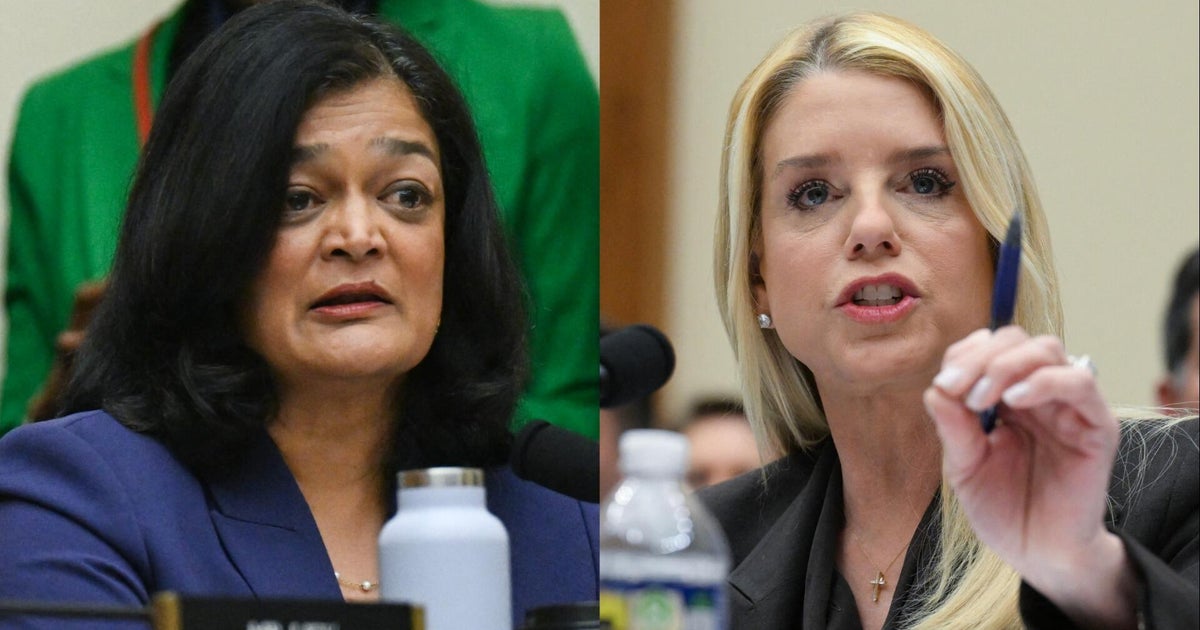
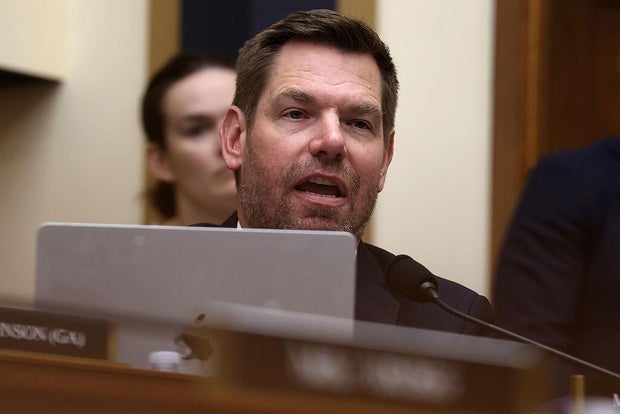
During a House Judiciary Committee hearing, Rep. Eric Swalwell recounted violent messages he received and expressed frustration over prosecutors' reluctance to pursue charges against offenders.
"The president can come after me; I'm in the arena," Swalwell stated. "But we never expected the Department of Justice would not seek accountability for those threatening us."
Attorney General Pam Bondi acknowledged that no official should face threats and assured ongoing investigations into such matters.
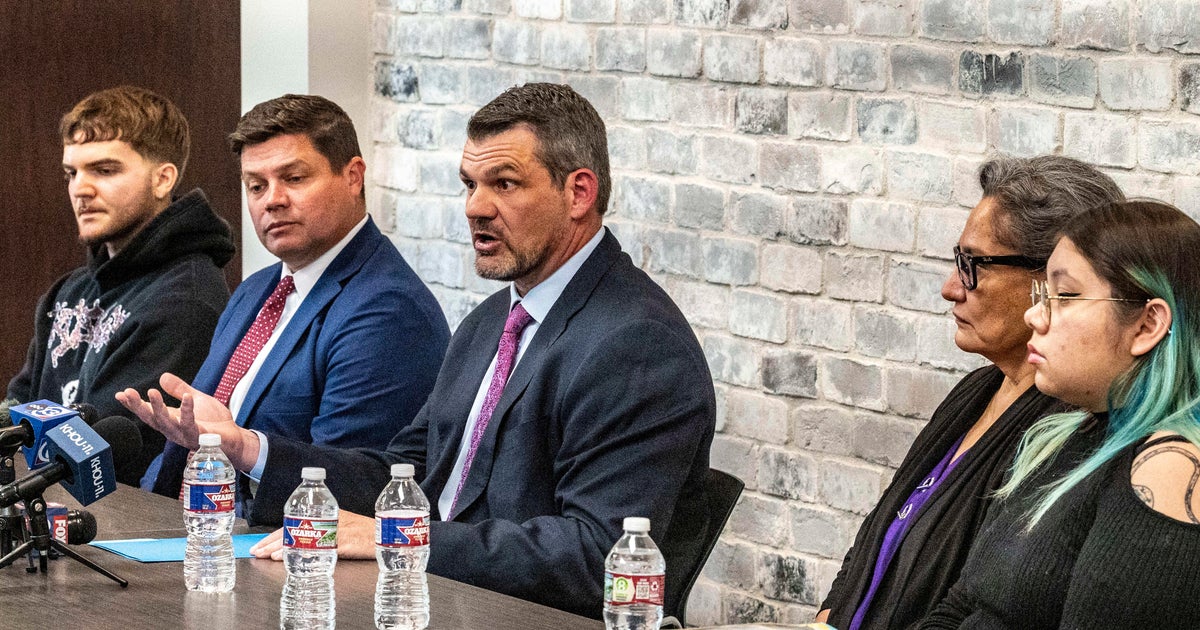
"We must prosecute these cases to protect victims," U.S. Attorney Gregory Kehoe emphasized. "Threats made recklessly are crimes that we take seriously."
Kehoe's jurisdiction covers a vast area in Florida where his office prosecuted at least 17 cases involving threats against government officials last year—the highest number among all judicial districts.
Kehoe highlighted the need for awareness regarding these issues: "If we don't prosecute these actions, it sends a message that such behavior is acceptable."
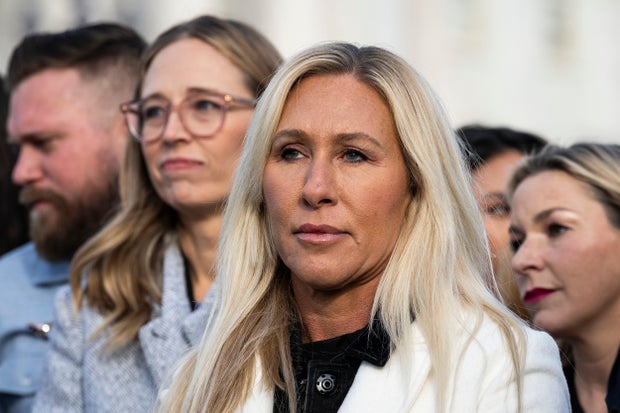
Former Rep. Marjorie Taylor Greene described an alarming rise in violent rhetoric directed at Congress members and their families. She detailed several instances where individuals were convicted for threatening her life.
"It's overwhelming," Greene lamented. "This isn't why people run for office."
A Maryland man was charged last July for making multiple threatening calls to Greene's office over a span of 15 months. His threats escalated to voicemails warning her that she was "as good as dead."
The caller told Greene to prepare her will because "we are coming after you." He pleaded guilty in December and awaits sentencing.
Greene expressed concern over the time between a guilty plea and when defendants begin serving their sentences: "You can't feel safe even after someone admits guilt."
Congress members are taking measures to protect themselves by installing security systems or hiring personal security. Last November, Congress allocated $203.5 million for enhanced security measures for lawmakers and their families.
Shannon Hiller from Princeton University attributed the current threat climate to social media's rise and pandemic lockdowns that intensified vitriolic messages.
"Threats have become normalized in politics," Hiller stated. "This creates an environment where officials fear speaking out."
The consequences could deter individuals from public service or lead to increased risks during public engagements.
"The ongoing hostility in politics sets the stage for potential violence," Hiller warned.
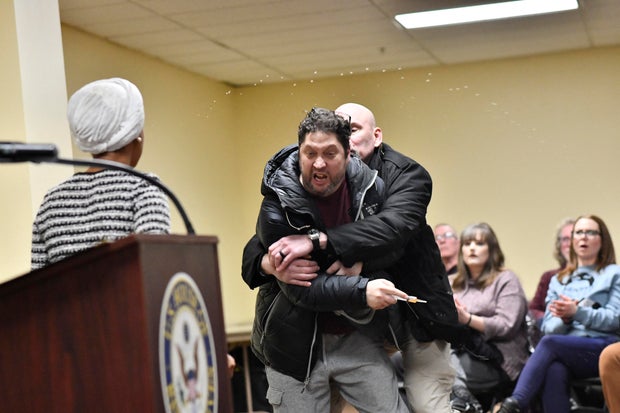
This reality manifested recently when Minnesota Rep. Ilhan Omar was assaulted during a town hall meeting by a man wielding a syringe filled with apple cider vinegar.
The assailant faces federal assault charges but has yet to enter a plea.
Omar noted that death threats against her have surged following Trump's derogatory remarks about her over the years.
"It could happen to anyone in Congress," Greene remarked regarding Omar's attack. "Toxic politics are fueling fear and anger."
Threats against jurists and political figures have escalated into violence as well. Trump faced two assassination attempts last year alone.
In 2022, an individual armed with weapons was arrested outside Justice Kavanaugh's home after planning to kill him. The defendant received a lengthy prison sentence for attempting to murder a Supreme Court justice.
In another tragic incident two years prior, Judge Esther Salas's son was killed by a disgruntled lawyer who had stalked their family.
"Threats create an atmosphere of concern," Hughes noted. "They can incite individuals to take action."
The name of Salas's son has been invoked by perpetrators engaging in hoaxes targeting judges through unsolicited pizza deliveries—an act Salas described as "psychological warfare."
To combat rising political violence, Hiller advocates for improved