Unveiling the Controversies: Highlights from "Face the Nation" on February 8, 2026
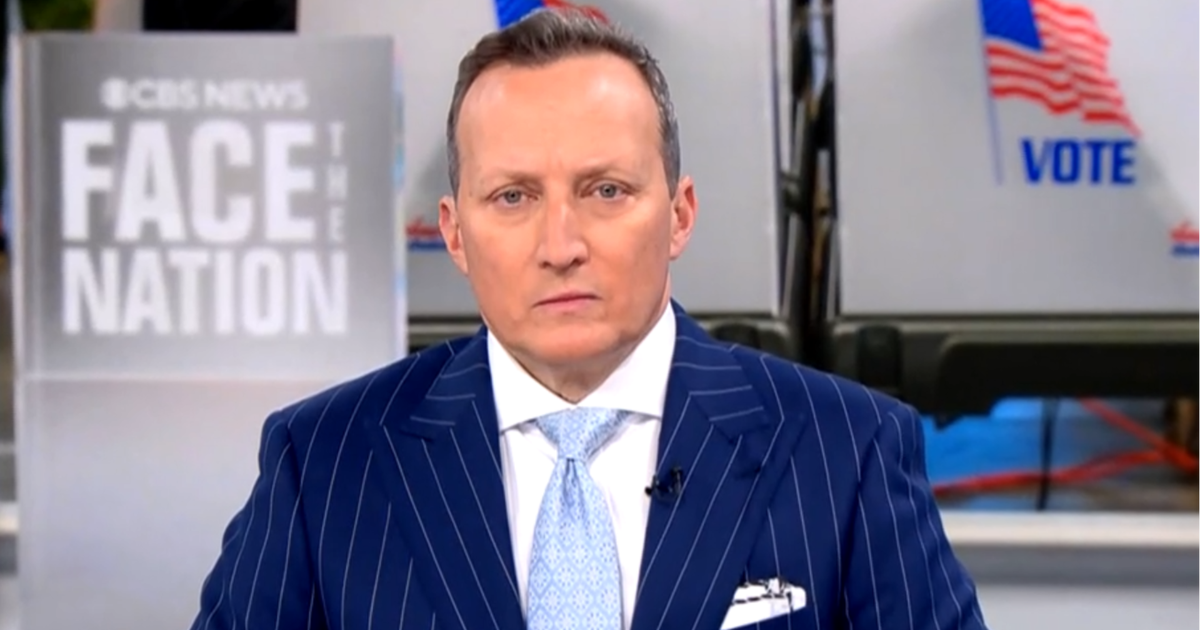
On February 8, 2026, "Face the Nation" featured a range of pressing topics moderated by Margaret Brennan. The broadcast opened with a focus on the Trump administration's shifting stance on deportations as midterm elections loom.
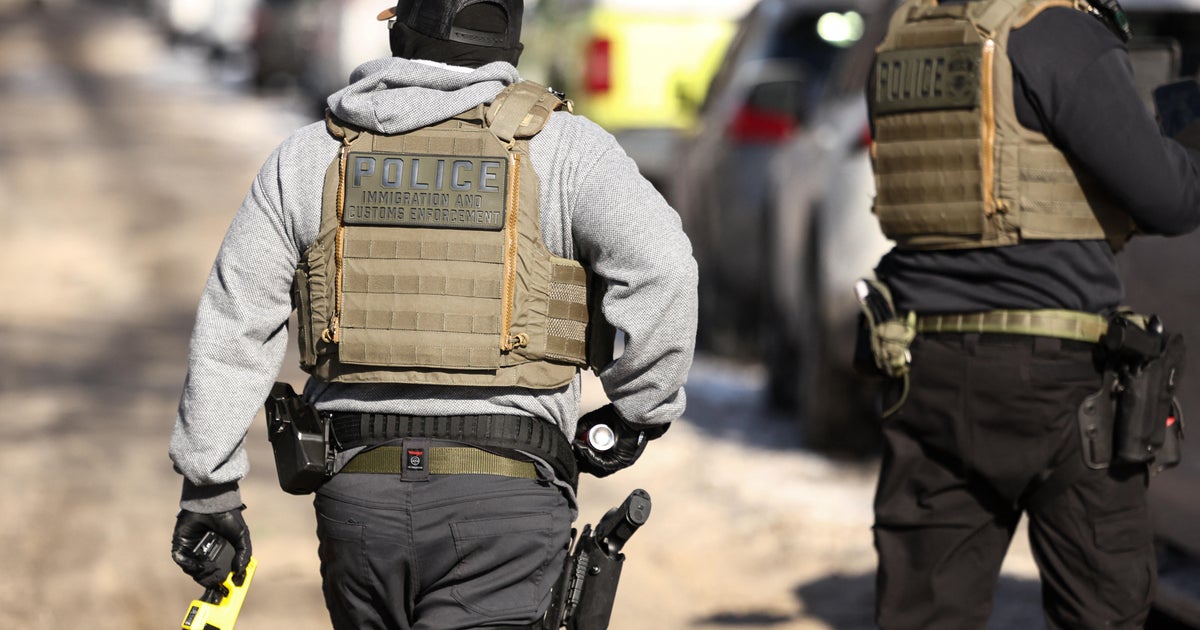
In light of recent tragedies involving Minnesota residents Renee Good and Alex Pretti, President Trump acknowledged potential lessons learned regarding deportation tactics in Minneapolis. “I learned that maybe we can use a little bit of a softer touch, but you still have to be tough,” he stated, emphasizing the need for a firm approach against what he termed “really hard criminals.”
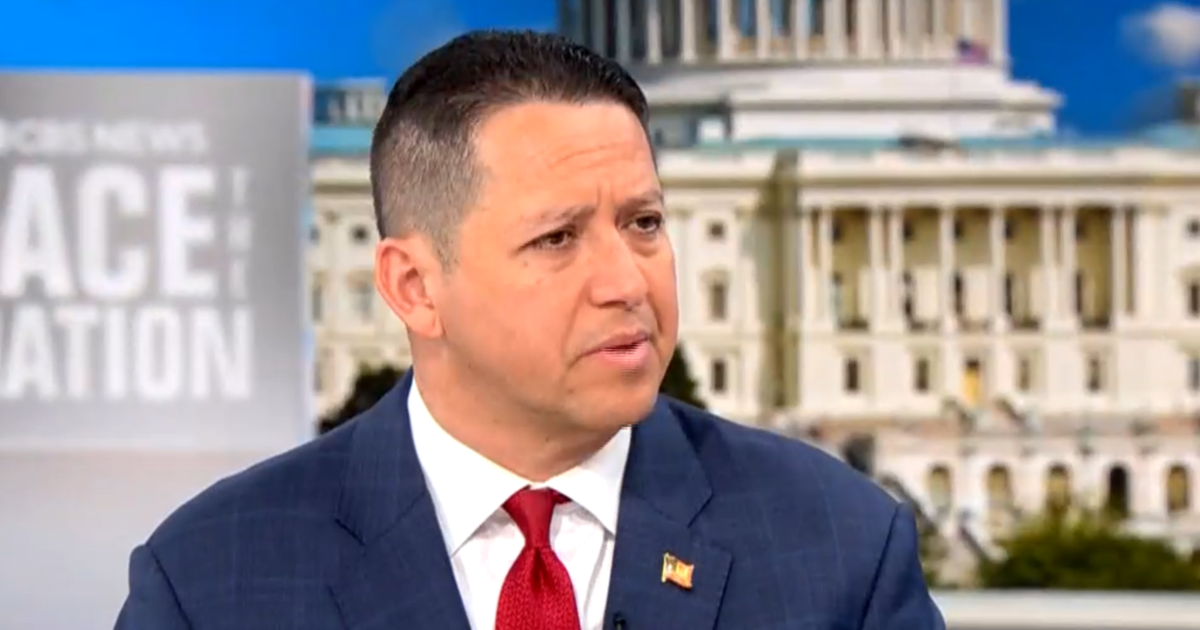
As congressional negotiations over Department of Homeland Security funding remain stalled, Texas Congressman Tony Gonzales joined the discussion. His district is home to a family detention facility that recently housed a five-year-old boy and his father. The conversation shifted to Trump's push for nationalized voting, which has sparked backlash from Democrats and state officials.
Amidst these discussions, the FBI's recent seizure of 2020 election records from Fulton County, Georgia, raised eyebrows. Senator Mark Warner, the top Democrat on the Senate Intelligence Committee, expressed concerns about the implications of such actions. “It almost seems Nixonian,” he remarked, questioning the legality of the Director of National Intelligence's involvement in what appears to be a domestic political investigation.
Warner highlighted a lack of communication from intelligence agencies regarding these developments. “We have asked,” he noted, indicating that Congress was not informed about prior actions taken by the DNI in Puerto Rico or Georgia. The senator's apprehension stems from a belief that Trump’s obsession with the 2020 election results could lead to interference in future elections.
As Brennan pressed for clarity on the situation, Warner reiterated that there has been no evidence of foreign interference in the 2020 election. He emphasized that reforms established during Trump's first term to protect election integrity have been dismantled, raising alarms about potential vulnerabilities.
The conversation then pivoted to immigration policy, with Gonzales discussing the impending expiration of Homeland Security funding. He addressed demands from Democrats for judicial warrants for ICE operations and other reforms aimed at protecting civil liberties. “There are some things that make sense,” he acknowledged, while firmly opposing amnesty for undocumented immigrants.
Gonzales also reflected on the recent electoral shifts in Texas, where Latino voters have increasingly leaned Democratic. He attributed this change to anxieties surrounding immigration enforcement and emphasized the need for better communication between federal agencies and local communities.
In a separate segment, former FDA Commissioner Dr. Scott Gottlieb discussed the alarming rise of measles cases across the U.S., attributing it to declining vaccination rates. He warned that without significant improvements in public health messaging and vaccine uptake, outbreaks could escalate further.
As the program concluded, Brennan highlighted the complexities surrounding immigration enforcement and public health issues, underscoring the need for ongoing dialogue and reform in these critical areas.
Stay tuned for more updates and insights as these stories continue to unfold.