Warren and Hawley Unite to Dismantle "Big Medicine" in Bold Legislative Move
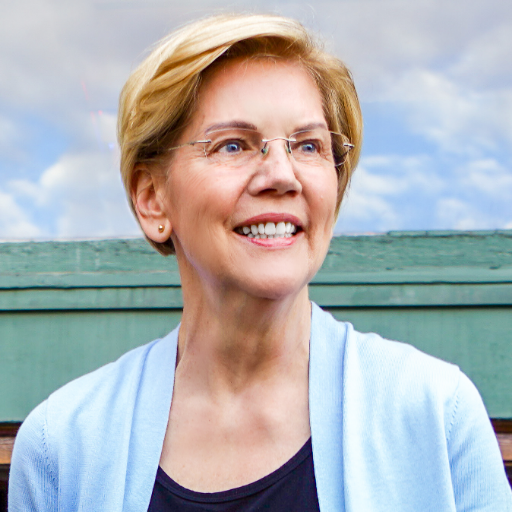
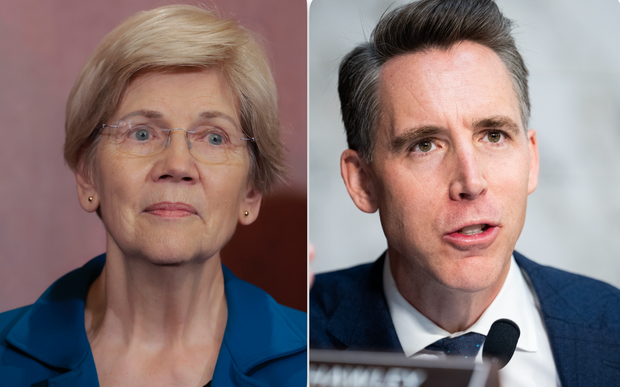
Senators Elizabeth Warren and Josh Hawley are joining forces, a surprising alliance between a progressive Democrat from Massachusetts and a conservative Republican from Missouri. Their mission? To tackle the escalating issues of healthcare costs and accessibility as the midterm elections approach.
On Tuesday, they will unveil a bill aimed at dismantling what they term "Big Medicine," targeting large healthcare conglomerates accused of manipulating the system to inflate prescription drug prices and suppress competition.
"Massive health care companies have created layers of complexity to jack up the price of everything from prescription drugs to a visit to the doctor," Warren stated, emphasizing the need for reform. "The only way to make health care more affordable is to break up these health care conglomerates. Our bill would be a monumental step towards ending the stranglehold that corporate giants have on our broken health care system."
Hawley echoed her sentiments, asserting, "Americans are paying more and more for healthcare while the quality of care gets worse and worse. In their quest to put profits over people, Big Pharma and the insurance companies continue to gobble up every independent healthcare provider and pharmacy they can find. Working Americans deserve better."
The proposed legislation specifically targets major health companies like UnitedHealthcare and CVS Health, which dominate various segments of the healthcare supply chain—from physicians' offices to pharmacies and Pharmacy Benefit Managers (PBMs). The bill aims to prevent any healthcare company from owning both sides of a transaction, a move likened to the historical Glass-Steagall Act that separated commercial and investment banking.
For instance, UnitedHealthcare owns Optum Rx, a PBM that negotiates drug benefits, while CVS Health controls both CVS Caremark and Aetna. These three PBMs—Optum, Caremark, and ExpressScripts—manage nearly 80% of prescription drug claims, according to KFF, an independent health research firm. Each of these entities is linked to a parent company that also operates its own health insurance, medical practices, and pharmacies.
The senators argue that this dual control allows these companies to manipulate pricing and steer business towards their own services, undermining independent pharmacies and evading regulations designed to curb corporate greed.
The legislation proposes strict measures: it would prohibit a parent company from owning both a medical provider or management services organization alongside a PBM or insurer. Additionally, it would impose financial penalties and empower federal agencies like the FTC, HHS, and Justice Department to pursue legal action against non-compliant entities.
Industry leaders have contested this portrayal of market concentration. CVS Health Group president David Joyner countered during a recent House hearing, stating, "No, I wouldn't agree that it's market concentration. I would suggest it's a model that works really well for the consumer."
PBMs have faced bipartisan scrutiny, with new regulations included in the latest appropriations package signed into law recently. The administration has also taken steps to address prescription drug pricing through executive orders aimed at reevaluating the role of middlemen in the healthcare system.
This isn't the first time Warren and Hawley have collaborated on PBM legislation; however, this expanded bill comes at a critical juncture as both parties seek solutions to rising healthcare costs ahead of an election that could pivot on economic conditions and consumer sentiment.
Both senators have carved out populist niches within their respective parties, often crossing party lines on various issues. Recently, Warren partnered with Senator Tim Sheehy on right-to-repair legislation endorsed by the administration. Last month, President Trump reached out to Warren following her economic speech to discuss capping credit card interest rates. Meanwhile, Hawley has previously introduced legislation with Democratic Senator Peter Welch aimed at raising the federal minimum wage to $15 an hour—a stance traditionally opposed by conservatives.