


Canadian Separatists Engage with Trump on Secession, Igniting Political Firestorm
Donald Trump’s recent interactions have sparked accusations of U.S. interference in Canadian affairs, as relations between Ottawa and Washington reach a boiling point.
With trade disputes and aggressive posturing over Greenland dominating headlines, the U.S.-Canada relationship has soured significantly. In January, the U.S. ambassador to Canada issued a stark warning: if Canada reneged on purchasing F-35s, the U.S. might reconsider its NORAD commitments and even deploy military aircraft into Canadian airspace.
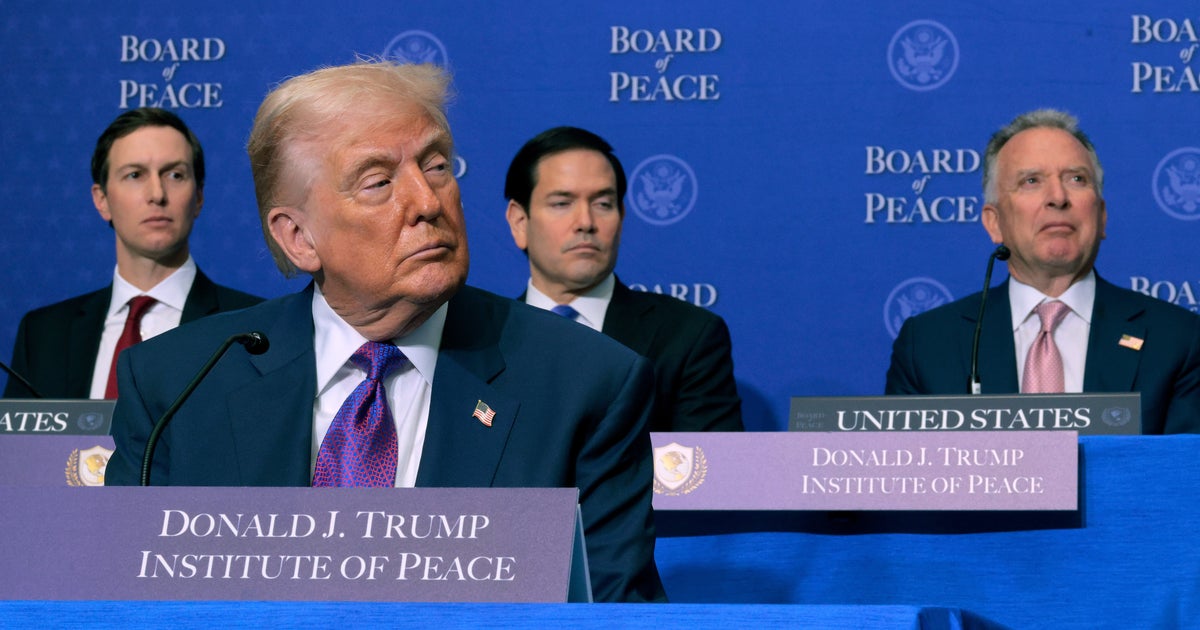
Now, a new controversy threatens to further complicate the already tense dynamic between Trump and Canadian Prime Minister Mark Carney. Reports surfaced that members of Trump’s administration have been in discussions with far-right separatists in Alberta, who are advocating for the province's secession from Canada—a move Trump has previously suggested could make Alberta the “51st state.”
This revelation has sent shockwaves through Canadian political circles, with accusations of “treason” directed at the separatist group by prominent figures such as British Columbia Premier David Eby.
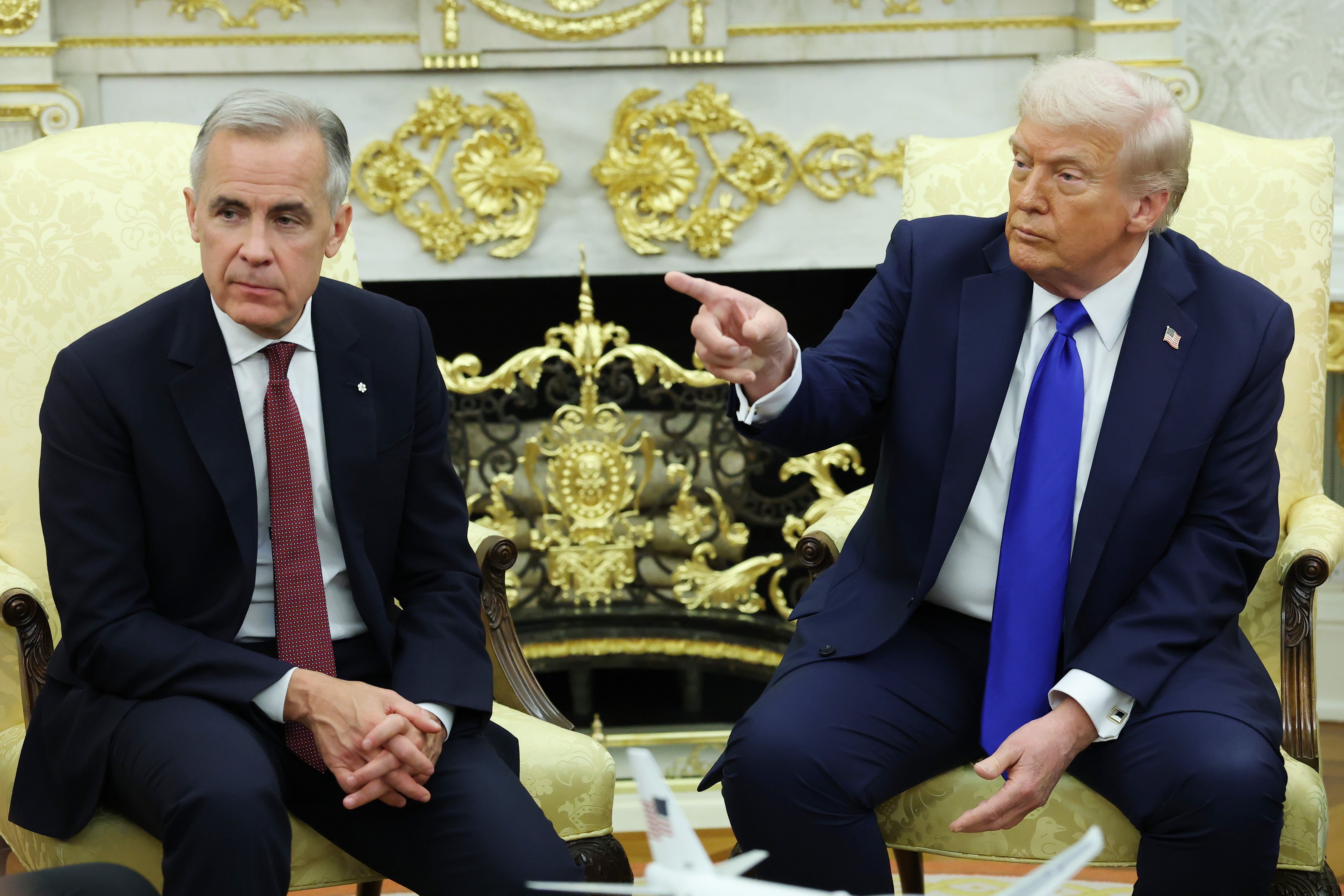
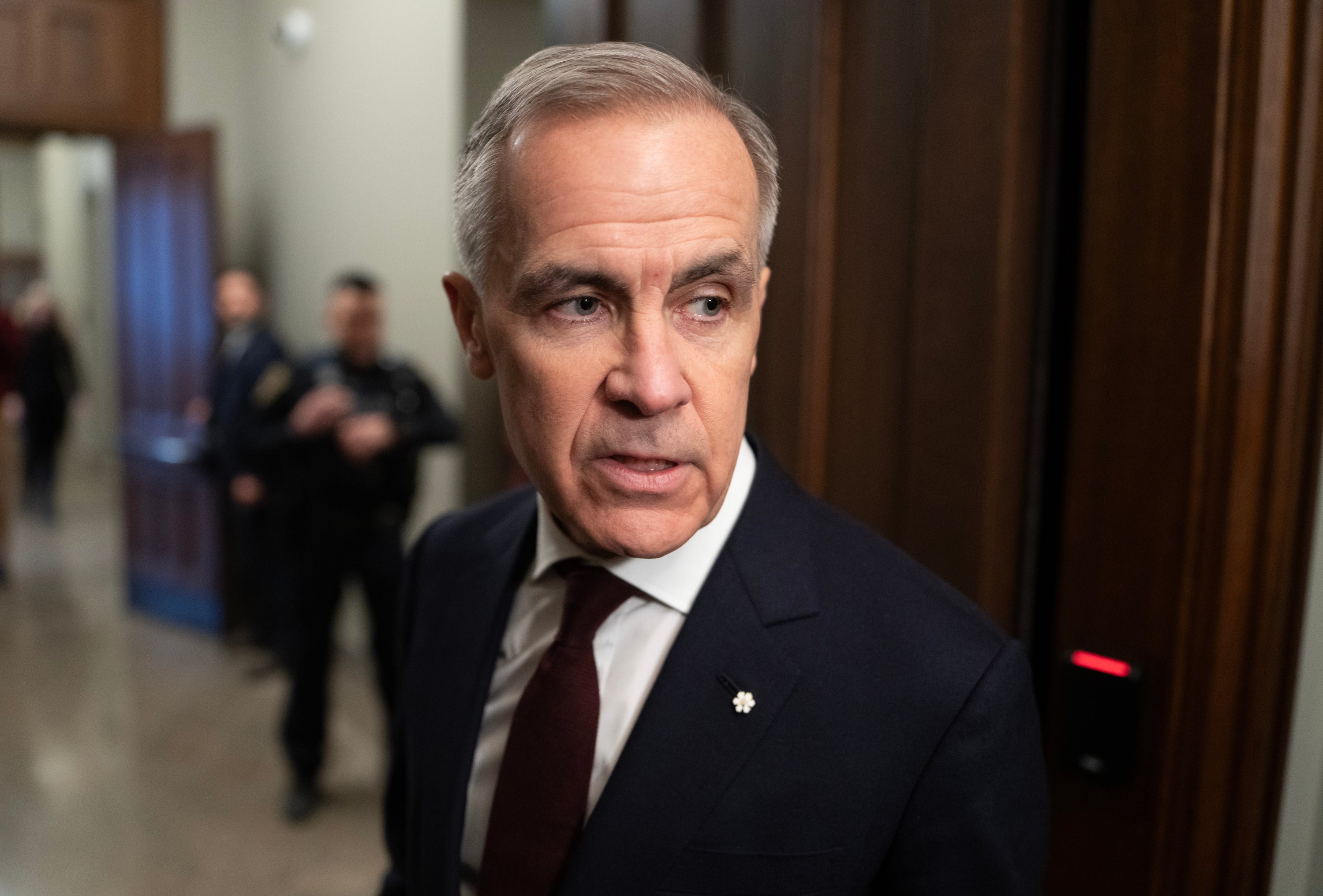
Carney swiftly condemned the developments, asserting that the U.S. should refrain from meddling in Alberta's independence aspirations. “I expect the U.S. administration to respect Canadian sovereignty,” he stated emphatically during a recent press conference.
Eby echoed these sentiments in an interview, declaring, “If you are crossing a border to seek the support of a foreign government to break up our country... that is the definition of treason.”
Meetings between U.S. State Department officials and representatives of the Alberta Prosperity Project (APP), a right-wing group pushing for separation, have reportedly taken place throughout 2025. A Financial Times report indicated that the APP plans to pursue a $500 billion line of credit from the U.S. Treasury following an upcoming independence referendum.
While both State Department and White House officials confirmed these meetings occurred, they emphasized that no commitments were made. The APP, however, contends that reports of these discussions have been exaggerated and mischaracterized by opponents aiming to paint them as a bid to join the U.S., rather than seeking true independence.

Mitch Sylvestre, CEO of the APP, spoke with media outlets following the revelations, denying any discussions regarding a $500 billion credit line and asserting that his group has not overstepped its bounds. He criticized Carney and the Liberal Party for damaging relations with the U.S.
“You can discuss money; we're not in a position to discuss money with the U.S. Treasury,” Sylvestre clarified. “That’s what they’re using to say we would become the 51st state.”
He accused Carney’s party and other detractors of spreading misinformation to instill fear about losing autonomy to the U.S., referencing Carney’s decisive victory in last April’s elections as evidence of this tactic's effectiveness.
The APP’s agenda resonates with themes familiar to Trump’s base, focusing on Alberta’s oil and gas sectors and advocating for local control over resources they claim are being stifled by federal policies. Their messaging also criticizes what they perceive as government endorsement of “wokeness” and other cultural issues.
In contrast to Trump’s more extreme immigration rhetoric, Sylvestre’s proposals for citizenship restrictions are less severe, suggesting limits on citizenship grants to those born in Alberta—an approach that diverges from current U.S. debates on birthright citizenship.
Despite their differences, both the APP and Trump share concerns about Canada’s growing ties with China amid deteriorating U.S.-Canada trade relations. This context may explain why discussions with the APP occurred at what Eby described as “the worst possible time.”
Trump has publicly opposed any new trade agreements between Canada and China, threatening significant tariffs if such deals are finalized. Sylvestre and his group express skepticism about deepening ties with China at the expense of U.S. relations.
“Why would you not partner with the biggest economy in the world?” Sylvestre questioned, emphasizing shared values and cultural ties with the U.S.
For Trump’s team, engaging with the APP was primarily about gathering information on legal pathways to secession as they approach a May 6 deadline for referendum signatures. These signatures will be submitted to Alberta’s premier for consideration of a referendum.
This initiative appears to be part of a broader strategy by the U.S. to pressure Carney on various fronts, including trade negotiations and territorial ambitions regarding Greenland—issues that have strained relations not only with Canada but also with NATO allies like Denmark.
As Trump continues to reshape foreign policy norms, Canada finds itself navigating a complex landscape shaped by its proximity to an increasingly unpredictable neighbor.