CIA Scraps Reports on White Nationalism and LGBT+ Activism
The Central Intelligence Agency has pulled back over a dozen intelligence reports, including those addressing LGBT+ activism and white nationalism. This decision comes as part of a broader review of the agency's analytical output.
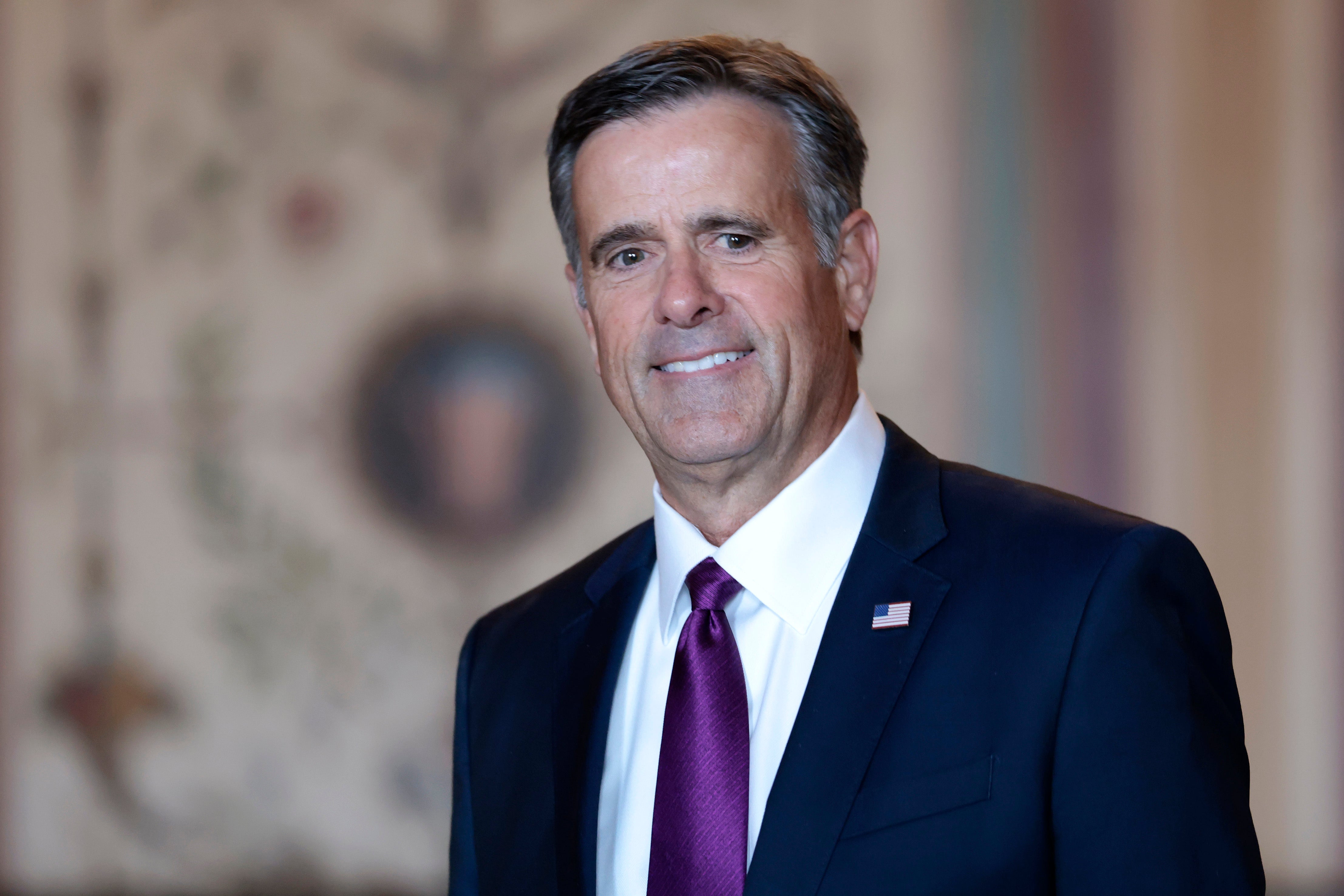
Director John Ratcliffe mandated the “official retraction or substantive revision” of 19 reports deemed to have “failed to meet” the standards expected of the intelligence community. The agency stated that these documents were influenced by political considerations, a claim made public on Friday.
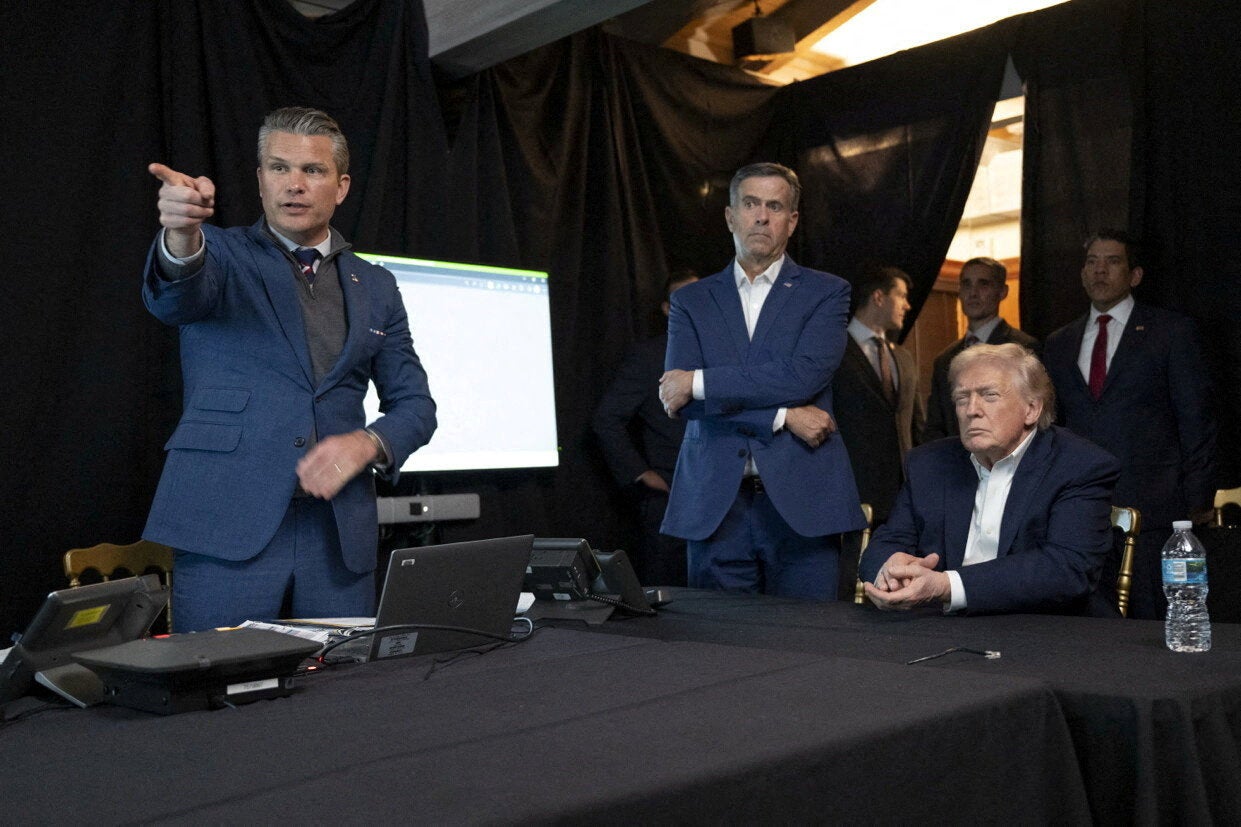
Identified by the President’s Intelligence Advisory Board, these reports underwent scrutiny after a review of hundreds of documents produced over the last decade. The CIA has fully retracted 17 of these reports, which were published prior to Trump’s second term, while two others are undergoing revisions, as reported by various sources.
Among the retracted documents is one titled “Women Advancing White Racially and Ethnically Motivated Violent Extremist Radicalization and Recruitment,” released in October 2021 during Biden’s presidency. This report highlighted racially motivated violent extremism as a significant security concern during both Biden's and Trump’s first terms.
In contrast, Trump’s second administration has shifted focus towards left-wing movements, labeling groups like antifa as domestic terrorist organizations. The White House previously asserted that “radical left violence” has increasingly affected the nation.
Another notable report, “Middle East-North Africa: LGBT Activists Under Pressure,” was published under Obama in January 2015. Additionally, a report titled “Worldwide: Pandemic-Related Contraceptive Shortfalls Threaten Economic Development” was issued in July 2020 during Trump’s first term.
The CIA emphasized that these documents did not align with the expectation that its workforce remains free from specific agendas or political viewpoints. A senior official, speaking anonymously, indicated that some reports covered inappropriate topics for the agency and relied on biased sources.
“The intelligence products we released to the American people today — produced before my tenure as [CIA director] — fall short of the high standards of impartiality that CIA must uphold,” Ratcliffe stated. He further asserted that there is “absolutely no room for bias” in their work and acknowledged the responsibility to correct any compromised analytic rigor.
Criticism arose from Democratic Senator Mark Warner, vice-chair of the Senate Intelligence Committee, who expressed concern over the implications of this move. He stated, “The President’s Intelligence Advisory Board plays an important advisory role, but it is not a substitute for the independent analytic judgment of the CIA.”
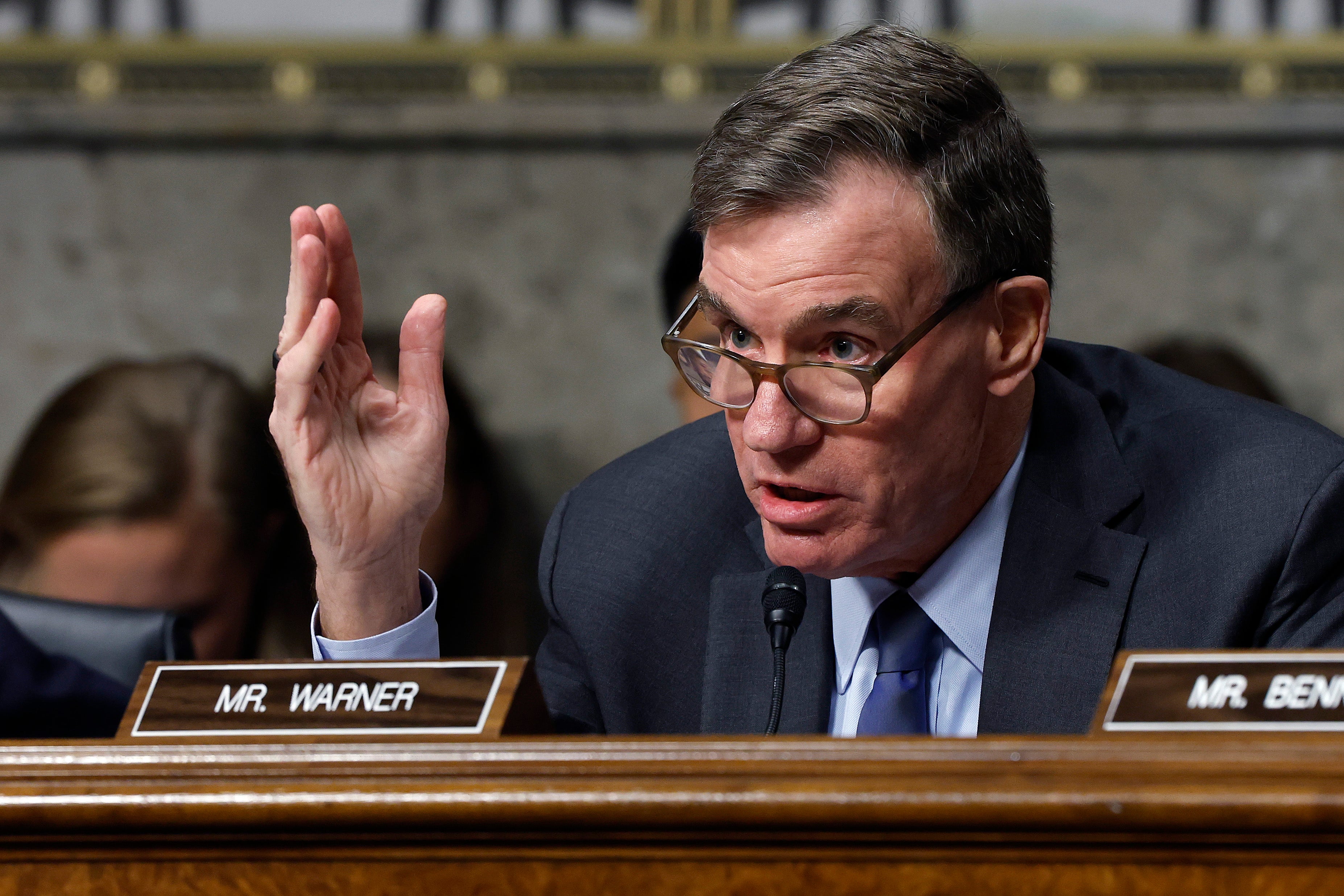
Warner cautioned that allowing a politically appointed body to dictate acceptable analysis could undermine confidence in the objectivity of intelligence operations.
Conversely, Republican Senator Tom Cotton, chair of the Senate Intelligence Committee, commended Ratcliffe’s actions. He noted that he has long returned similar reports to the CIA, criticizing their lack of substantive intelligence. “Our intelligence agencies have too often missed critical national-security developments to waste time on, for instance, how ‘pandemic-related contraceptive shortfalls threaten economic development,’” Cotton remarked on social media.