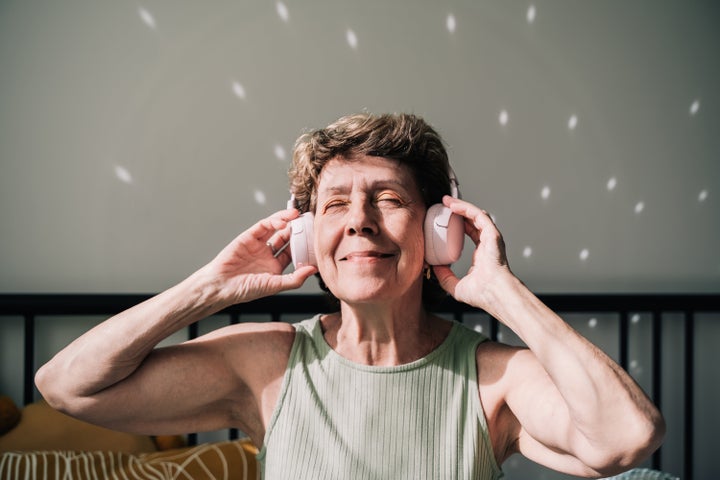
Daily Headphone Use Won’t Harm Your Ears — But This Common Practice Could
Headphones have become a staple in daily life, with many individuals seen wearing them while commuting, working, or exercising. This ubiquitous accessory allows for a personal audio experience, but does it come with risks to our hearing health?
Experts weigh in on the implications of prolonged headphone use. Catherine V. Palmer, an audiologist at the University of Pittsburgh Medical Center, emphasizes that sound exposure is harmful regardless of its source. “Our ears don’t differentiate where sound originates,” she explains. “Whether it’s from headphones or speakers, the potential for damage remains consistent.”
Dr. Kenny Lin, an otolaryngologist at Houston Methodist, concurs, stating that the real concern lies in volume and duration. “It’s not the headphones themselves that are dangerous; it’s how loud and how long you listen,” he notes. “At reasonable volumes, headphones are no more harmful than any other sound source.”
However, there are specific scenarios where headphones can pose a greater risk. Lin points out that having the sound source directly next to the ear can amplify potential damage. “If you crank up the volume on your device before plugging in your headphones, the impact can be significant,” he warns.
Anna Bixler, an audiologist at Jefferson Balance and Hearing Center, highlights another common issue: competing with background noise. “In quieter environments, people tend to keep their volume low,” she says. “But in noisy settings like trains or busy streets, there’s a tendency to increase the volume to drown out external sounds.”
To mitigate this risk, Bixler recommends utilizing noise-canceling features on headphones. “This can help maintain lower volume levels,” she adds. “When external noise is minimized, there’s less temptation to turn up the sound.”
Palmer notes that sound-induced hearing loss is the most prevalent cause of hearing impairment in adults. “The ‘dose’ of sound—its loudness and duration—determines its potential for harm,” she explains. “The louder and longer the exposure, the higher the risk of permanent damage.”
Prolonged exposure to loud sounds can also lead to tinnitus, a condition characterized by ringing in the ears. According to the National Institutes of Health, sounds at or below 70 decibels are generally safe; this level is comparable to normal conversation or a washing machine.
In occupational settings, exposure to noise levels of 85 decibels or higher necessitates hearing protection. But how can one gauge the decibel level of their audio? Many smartphones and smartwatches now feature alerts for unsafe volume levels, and various apps can measure sound intensity.
Bixler suggests that visiting an audiologist is the most reliable method for assessing sound levels from headphones. “We can measure sound levels directly in the ear canal,” she states. “This helps establish safe listening limits.”
Many devices also offer parental controls to set maximum volume levels, which Bixler encourages users to utilize. “Setting limits on your streaming devices can be a proactive step toward protecting your hearing,” she advises.
It’s important to note that sound-induced hearing loss is gradual rather than immediate. Palmer identifies key signs of potential hearing loss: a sensation of fullness in the ears, persistent ringing, and reduced hearing ability. “These symptoms indicate noise-induced hearing loss,” she cautions, urging individuals to manage their exposure and seek baseline hearing tests.
An audiologist can provide strategies for reducing noise exposure and safeguarding hearing health over time. “Being proactive about your sound exposure is crucial,” Palmer concludes.
While using headphones isn’t inherently more damaging than listening through speakers, excessive volume or prolonged exposure can lead to significant harm.