El Mencho's Demise Will Only Cause 'Momentary Disruption' in Jalisco Cartel's Network, Analysis Suggests
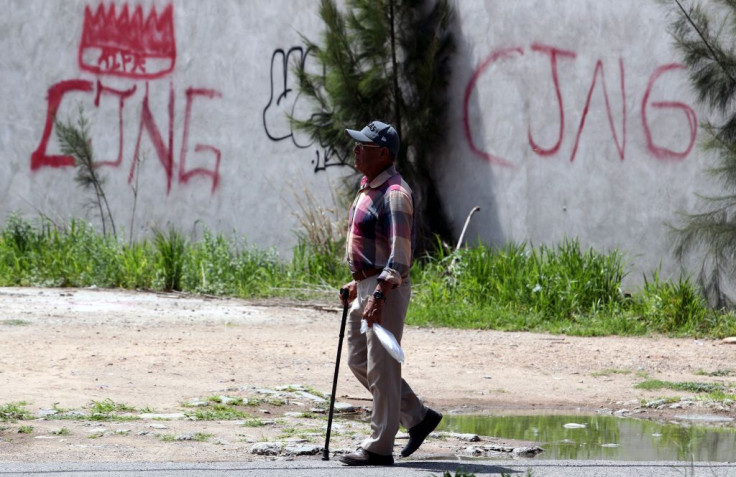
The assassination of Nemesio Oseguera Cervantes, widely recognized as "El Mencho," is not expected to significantly hinder cocaine trafficking routes to Central America and the United States. This assertion comes from an analysis by InSight Crime, which highlights the Jalisco New Generation Cartel's (CJNG) reliance on a web of regional partnerships rather than a fixed international presence.
While the report indicates that CJNG lacks a solidified base outside of Mexico, it emphasizes the cartel's established collaborations with criminal organizations in Colombia, Ecuador, and Guatemala. These alliances are crucial for facilitating the flow of cocaine into Mexico and subsequently to the U.S.
According to InSight Crime, the cartel manages these relationships through emissaries who negotiate shipments, oversee production quality, and coordinate trafficking routes. Even amidst potential instability in CJNG's leadership, the report suggests that the alliances supporting these supply chains would likely experience only "temporary" disruptions.
In Colombia, for instance, CJNG's involvement has shifted from merely negotiating shipments to a more hands-on role following the 2016 disbandment of the FARC, which previously controlled coca cultivation and cocaine production in significant regions.
Gerson Arias, an associate researcher at Fundación Ideas para la Paz in Colombia, noted that earlier connections were primarily focused on "shipments" negotiated with emissaries visiting from Mexico, particularly through Pacific routes. This shift reflects CJNG's evolving strategy in Colombia.
A recent report from El País detailed Colombian security assessments indicating that CJNG has operated cocaine laboratories through rental agreements with FARC dissidents in Catatumbo. The cartel has also maintained connections with groups like Clan del Golfo and the ELN. A judicial source mentioned that CJNG compensates these local factions with monthly fees for operations and labor while Mexican operatives dictate shipment volumes and logistics, alongside additional "taxes" for local transport.
In Ecuador, InSight Crime points out that CJNG's adaptable model—collaborating with local partners instead of establishing a rigid structure—diminishes the repercussions of losing leadership figures. Former police investigations director Freddy Sarzosa explained that CJNG collaborates with factions associated with Los Choneros, including Los Lobos, to manage shipments, characterizing it as a "strategic" criminal alliance.
Ecuadoran security analyst Luis Córdova Alarcón remarked that changes in leadership are more likely to occur following the arrests of local leaders rather than as a direct consequence of El Mencho's death.
Security analyst David Saucedo stated that some CJNG cells seem to be in a "complete retreat," potentially regrouping as the organization seeks to consolidate its command structure. He added that there is already "a replacement" within the cartel's leadership hierarchy, indicating that preparations for succession were underway prior to Oseguera's demise.