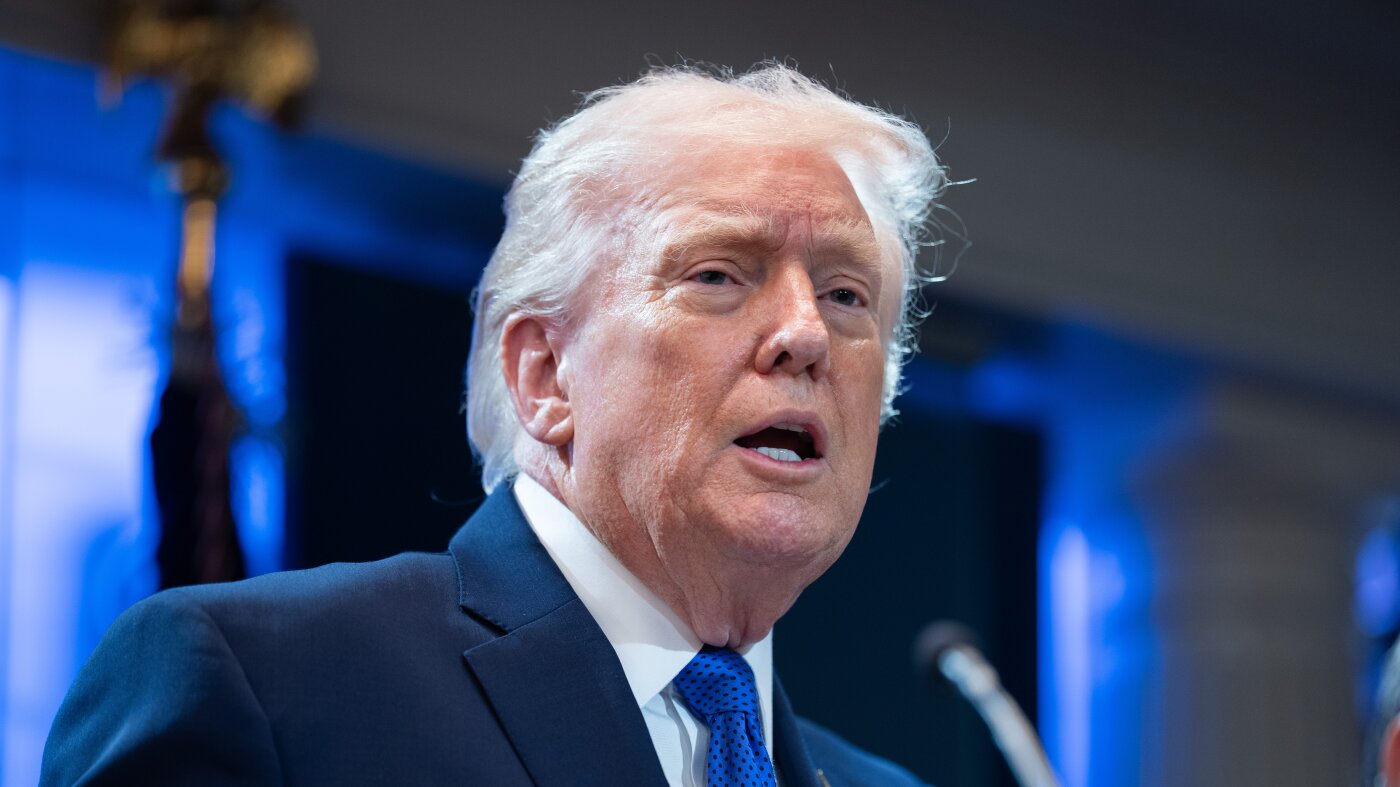
Fitness Expert Slams Trump for Endorsing Controversial Pesticides
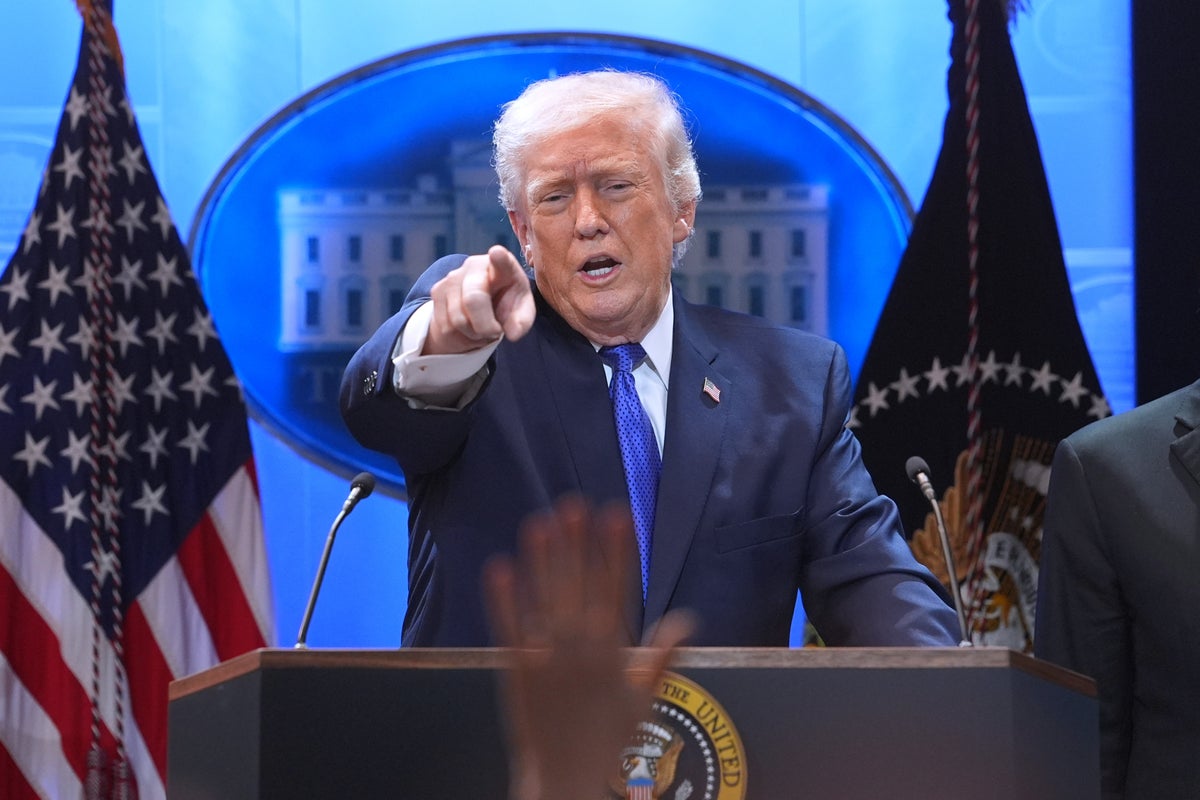
A prominent health advocate has sharply criticized President Donald Trump’s recent endorsement of contentious pesticides, labeling the move as “actually devastating.” Jillian Michaels, a supporter of Robert F. Kennedy Jr.’s Make America Healthy Again initiative, voiced her concerns during an appearance on NewsNation’s “The Hill” program.
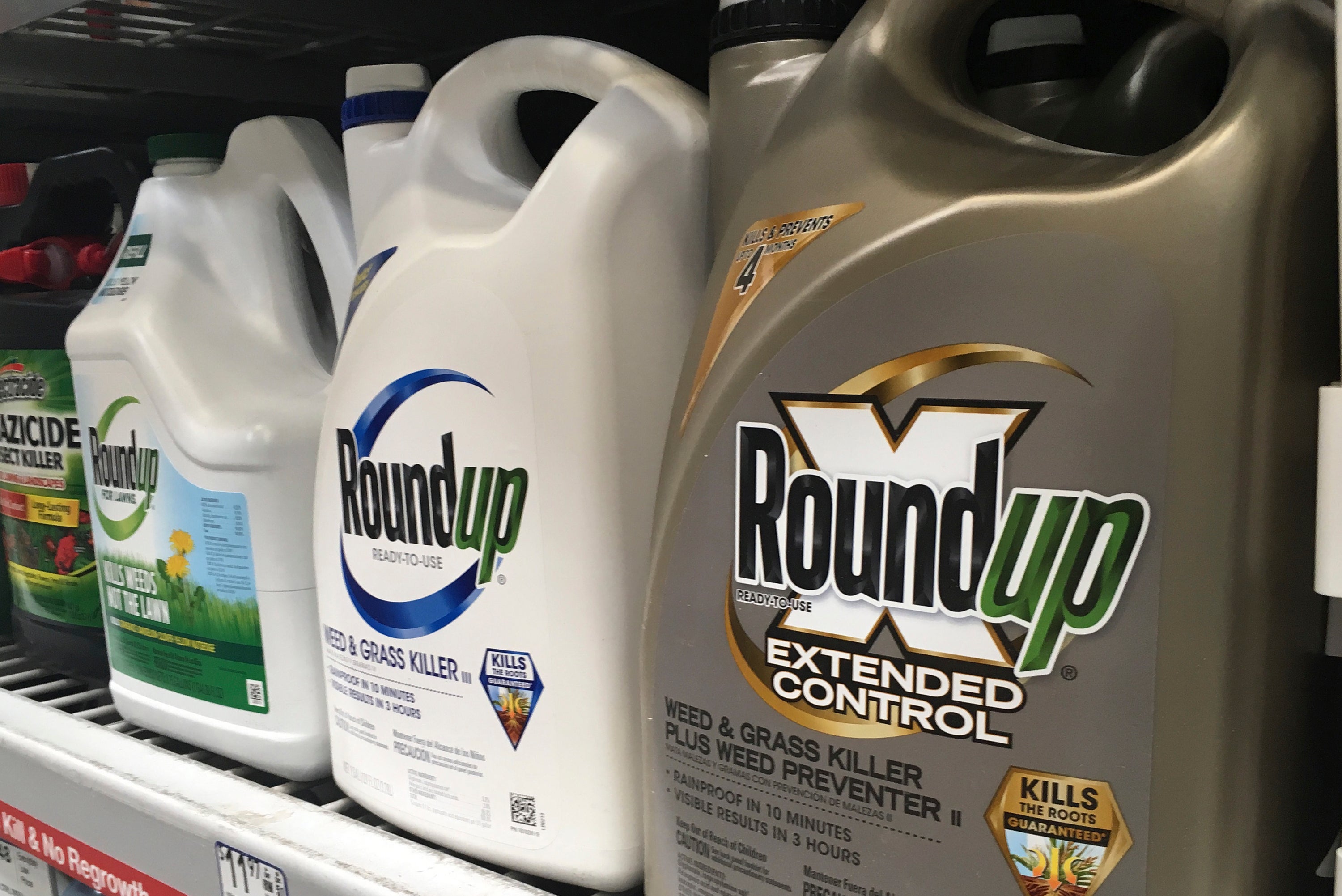
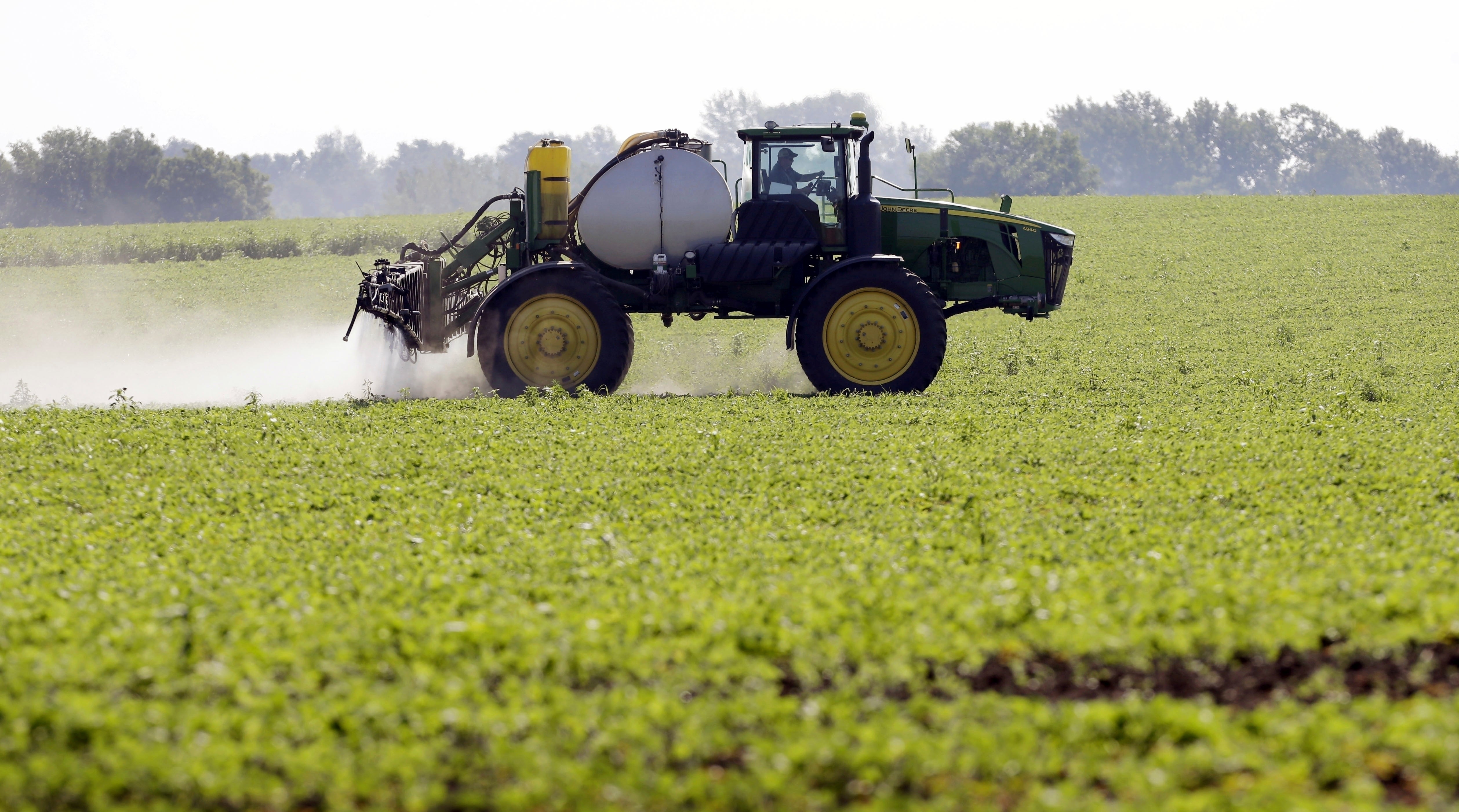
“It is not a conspiracy theory that glyphosate is linked to cancer,” Michaels asserted. “There are hundreds of studies that have illustrated how it increases risk significantly for non-Hodgkin’s lymphoma.” Her comments come in light of Trump’s executive order last week, which aimed to bolster protections for glyphosate, a chemical prevalent in many herbicides.
“We also know through whistleblowers and numerous lawsuits—over 170,000—that the chemical company was aware of the risks and attempted to suppress this information,” she continued. “They targeted independent researchers and created misleading studies to alter the narrative. Now, they face a $7.25 billion payout to victims.”
Despite previous criticisms, Kennedy has supported Trump’s decision, arguing it would revitalize U.S. agricultural chemical production and reduce dependence on foreign nations. The Department of Health and Human Services has been approached for comments regarding Kennedy's endorsement of the executive order.
The Environmental Protection Agency maintains that glyphosate is unlikely to pose a carcinogenic risk to humans when used as directed. In his order, Trump emphasized the herbicide's importance to agricultural supply chains, warning that restrictions could adversely affect farmers' ability to meet food demands.
“I don’t buy that,” Michaels countered. “We have an abundance of ultra-processed crops like corn, soy, and wheat; there’s no shortage due to hundreds of billions in subsidies.”
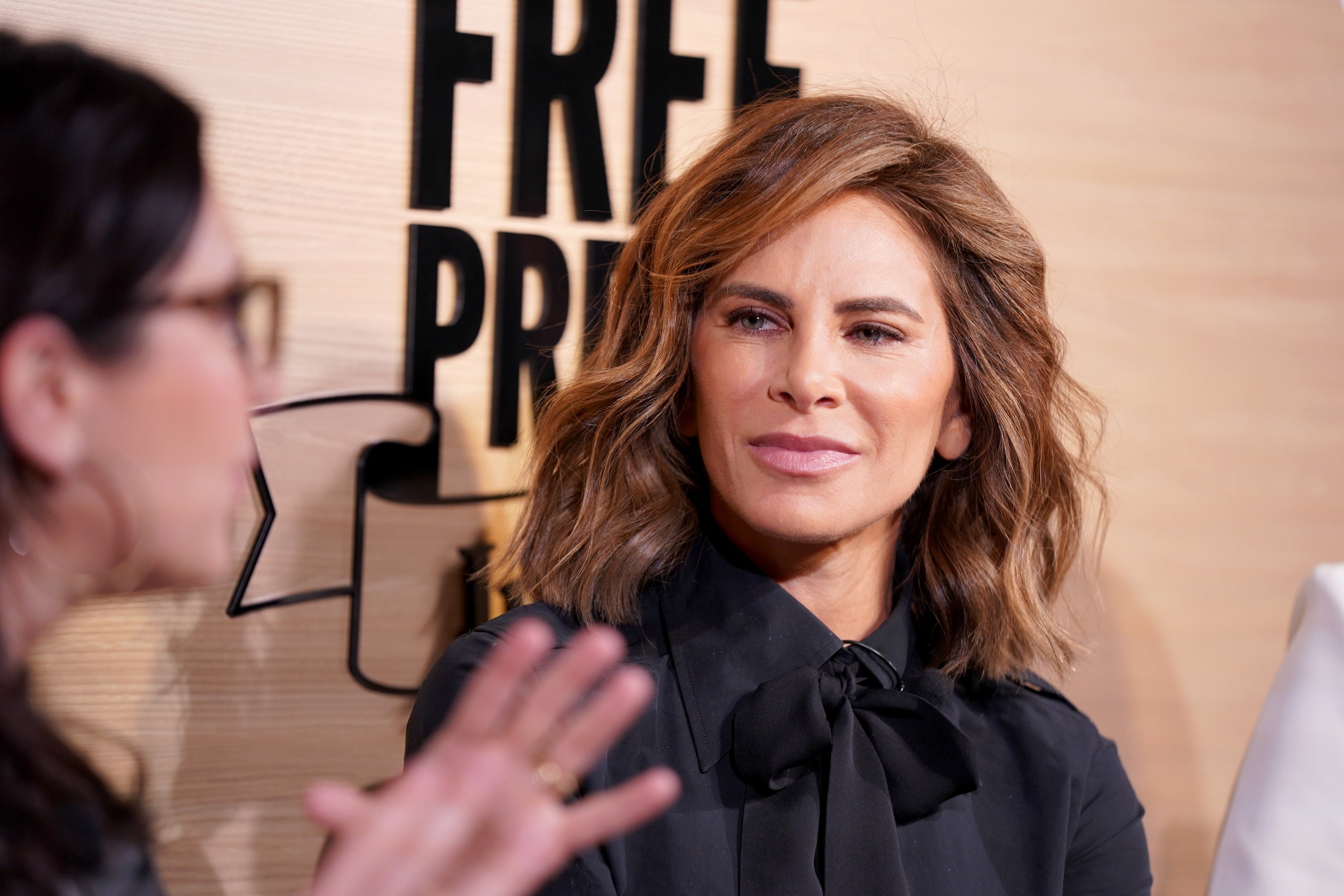
She expressed skepticism about the motivations behind the executive order, suggesting that powerful interests intervened after Bayer’s substantial financial settlement related to Roundup lawsuits. “I think that somebody powerful called up someone else powerful after paying out $7.25 billion and essentially said this is an existential threat we need to call in this favor,” she added.
Bayer, which acquired Monsanto in 2018, has disputed claims linking glyphosate to non-Hodgkin’s lymphoma but acknowledged that ongoing legal challenges threaten its market presence in the U.S. “Litigation uncertainty has plagued the company for years, and this settlement gives the company a road to closure,” Bayer CEO Bill Anderson stated.