

‘I’m Praying Against It’: Marjorie Taylor Greene Blasts Donald Trump Over Religious Imagery
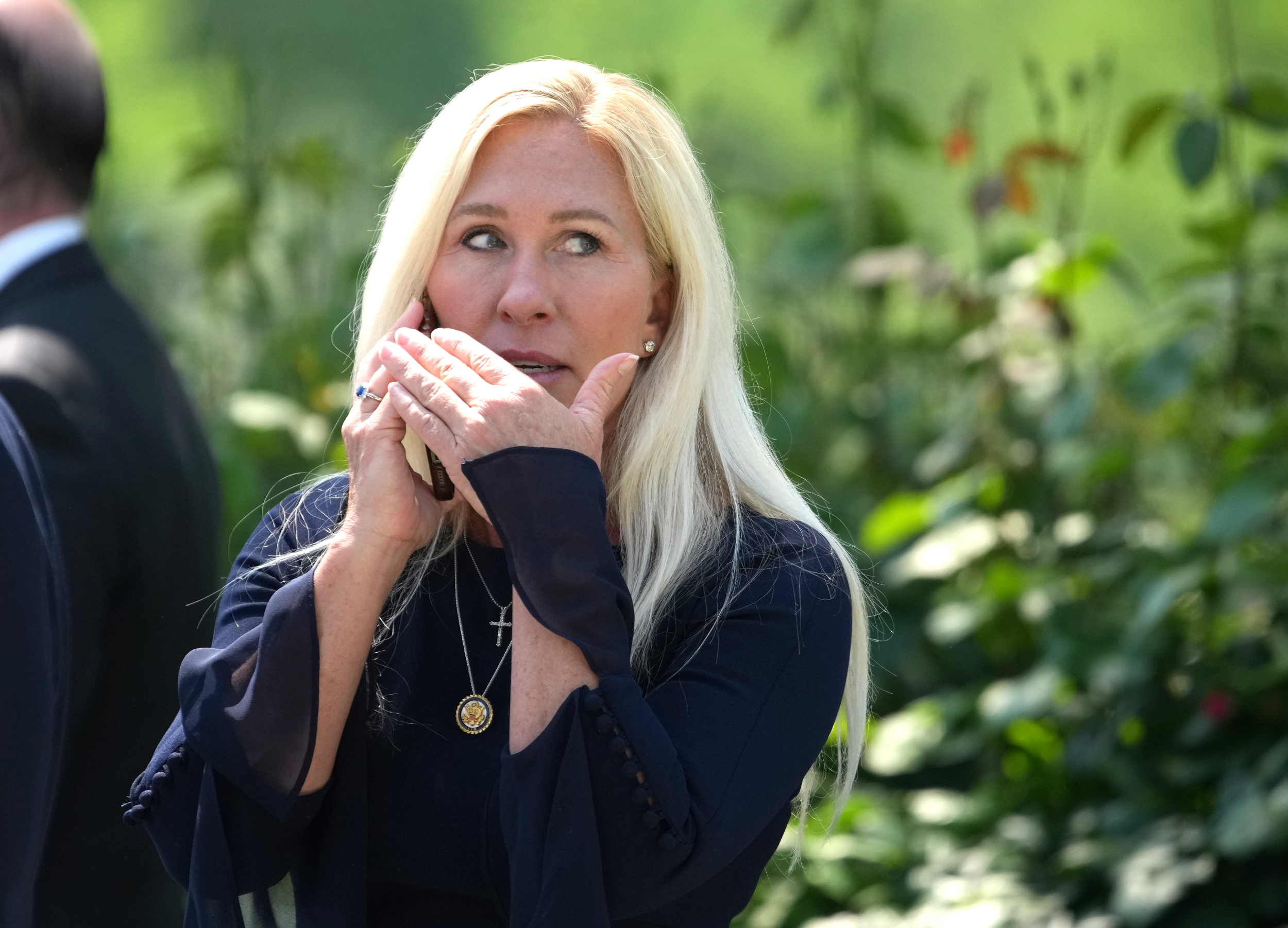
Marjorie Taylor Greene has intensified her public break with Donald Trump, condemning his recent use of religious imagery as "more than blasphemy" and suggesting it embodies "an Antichrist spirit." This sharp rebuke highlights the significant deterioration in their relationship since Greene distanced herself from Trump's political sphere months ago.
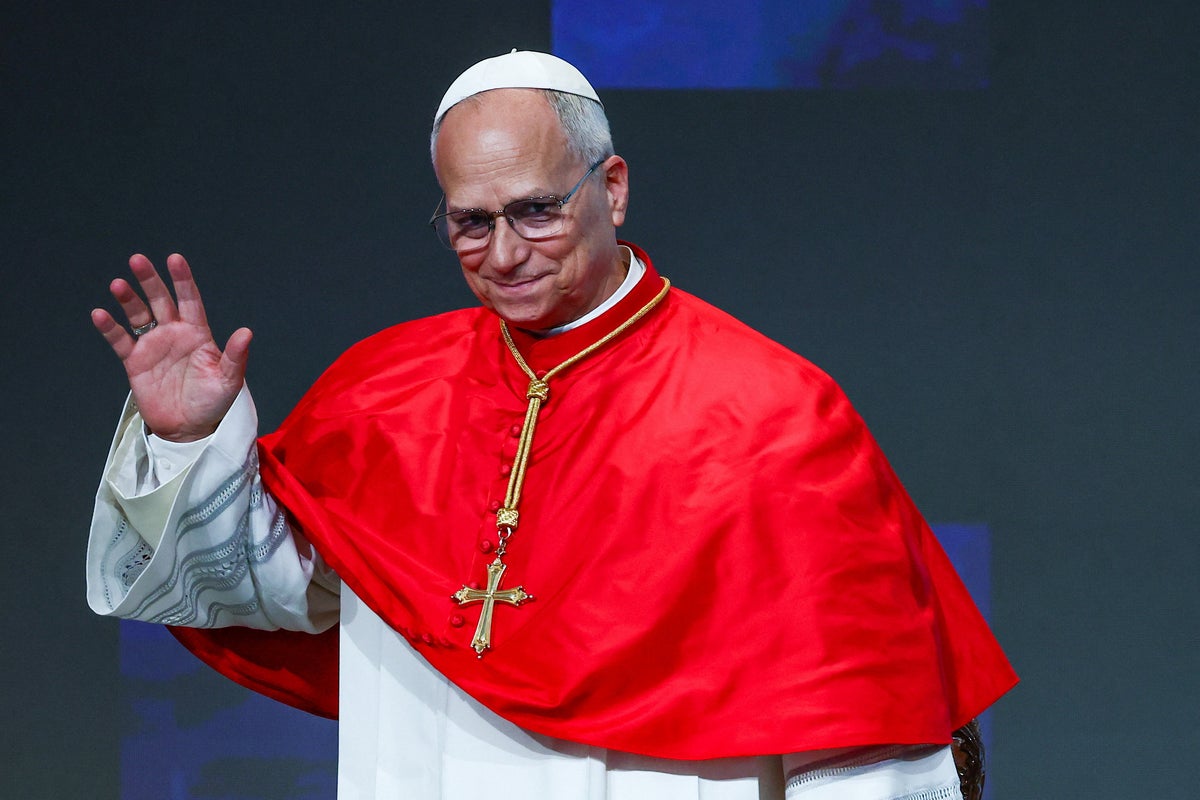
In a post on X, Greene expressed her outrage over Trump's actions during Orthodox Easter, accusing him of attacking Pope Leo XIV for opposing his stance on Iran. She remarked, "He posted this picture of himself as if he were replacing Jesus," adding emphatically, "I completely denounce this, and I'm praying against it!!!"
This statement followed a Sunday where Trump escalated his feud with the Pope, first through social media and later in comments to reporters upon returning to Washington from Florida. Reports indicated that Trump labeled the pontiff "weak on crime" and criticized his foreign policy after Leo condemned threats against Iran and addressed the treatment of migrants.

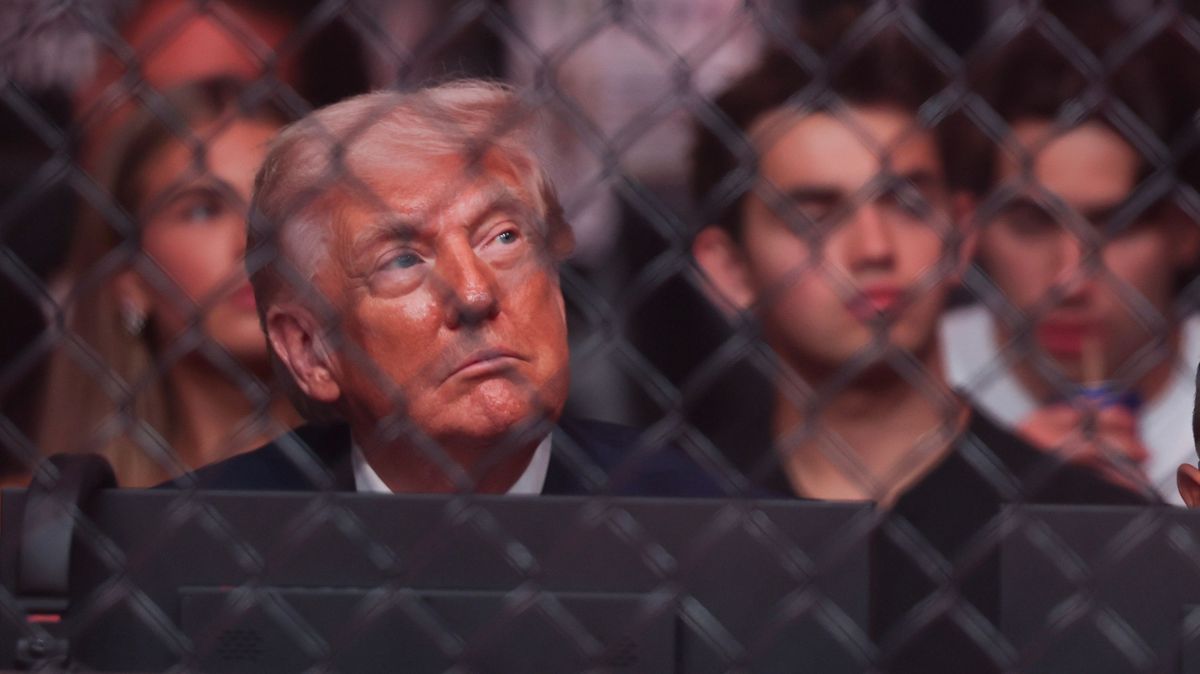
The situation escalated further when Trump shared a stylized image portraying himself in a quasi-messianic light, which drew backlash from critics who deemed it sacrilegious and politically charged.
Greene's denunciation marks a significant shift in her relationship with Trump, who she once supported fervently during his election campaigns. By April 2026, their alliance had been fraying for months, primarily due to disagreements over foreign policy and Trump's increasingly aggressive stance abroad. Greene had previously resigned her House seat following a fallout with Trump over these issues.
In November 2025, Trump publicly stated that Greene had "lost her way" after she criticized his focus on foreign policy at the expense of domestic issues like inflation and healthcare. The tensions reached a boiling point with the onset of the Iran War, where Greene emerged as a vocal critic from the nationalist right, arguing that Trump's approach jeopardized the anti-interventionist principles that once galvanized his base.
Trump's threats toward Iran on April 7, which included a warning that "a whole civilization will die tonight," alarmed allies and drew criticism from various quarters, including Greene and other conservative commentators, as well as Pope Leo, who deemed such threats "truly unacceptable."
In this context, Greene's condemnation of Trump carries both political and theological weight. Her choice of words positions Trump not merely as reckless but as someone who has crossed a significant spiritual threshold. For a former loyalist who once viewed her support for Trump as integral to her political identity, this represents a remarkable evolution in her stance.
As the political landscape continues to shift, Greene's remarks may resonate with constituents who share her concerns about Trump's direction. The implications of this rift could extend beyond personal animosity, potentially influencing broader political dynamics within their party.
With both figures navigating their respective paths amid growing tensions, the future of their relationship remains uncertain. Greene's bold statements may signal a new chapter in her political journey, one that diverges sharply from the path she once walked alongside Trump.