ICE Plans to Invest Over $38 Billion to Transform Warehouses into Immigrant Detention Centers
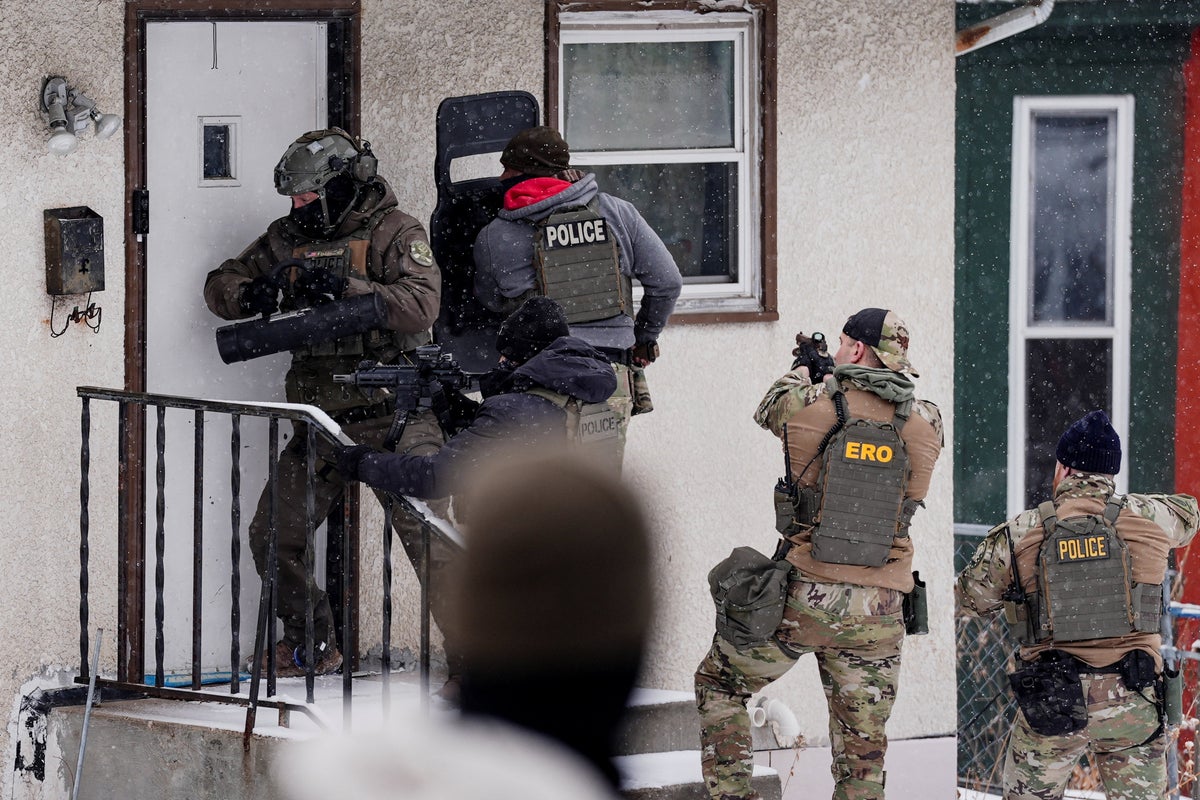
Plans are underway for a staggering investment of nearly $40 billion by the federal government to convert warehouses into detention centers for immigrants. This initiative, spearheaded by the Trump administration, seeks to detain tens of thousands of individuals in facilities that many communities are actively resisting.
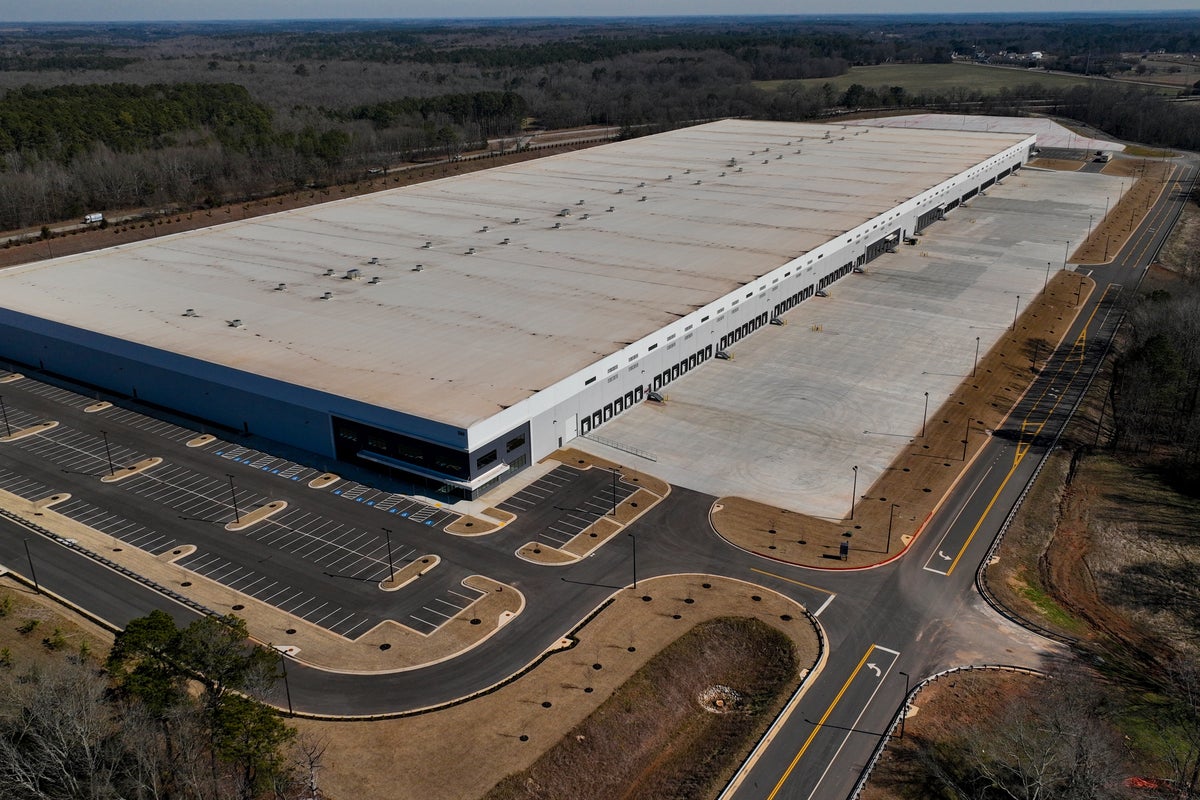
Recent documents from New Hampshire provide a detailed overview of Immigration and Customs Enforcement's (ICE) strategy to enhance its operations, which already sees over 60,000 immigrants detained at any given moment. The agency intends to acquire 16 buildings, each capable of temporarily housing up to 1,500 immigrants before they are transferred to larger facilities.
In addition, eight larger warehouses are planned to accommodate as many as 10,000 individuals simultaneously, serving as primary sites for deportation. This expansion adds to an existing network of more than 200 detention facilities, predominantly managed by private companies, in a nation with one of the highest incarceration rates globally.
Resistance is mounting against these plans, even from regions that previously supported Trump. Mississippi Senator Roger Wicker recently expressed concerns about a proposed facility in Marshall County during a conversation with Homeland Security Secretary Kristi Noem. “I conveyed the local opposition and economic development issues,” he stated, appreciating her willingness to consider alternative locations.
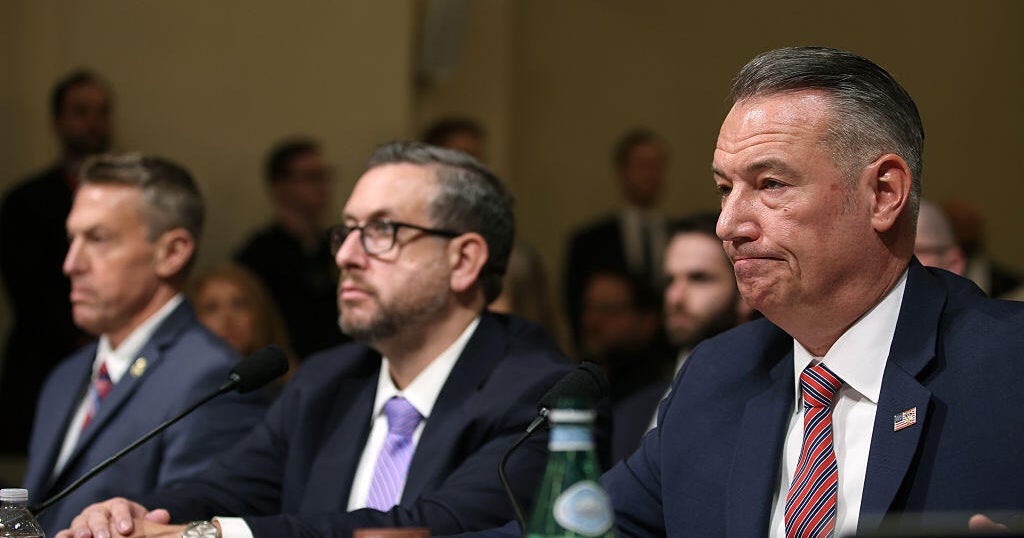
In New Hampshire, Democratic Senator Maggie Hassan confronted ICE’s acting director Todd Lyons regarding the facility in her state. “The leadership in Merrimack does not want this ICE facility,” she asserted. “I hope for the same consideration as Senator Wicker received.” Lyons, however, remained firm in his response: “No, ma’am.”
Governor Kelly Ayotte of New Hampshire noted that her office received the documents on the same day, contradicting Lyons's claims of prior communication regarding an economic impact summary.
ICE has earmarked $158 million for retrofitting a warehouse in Merrimack. Similar initiatives are being pursued across the country, with nearly $700 million already spent on acquiring warehouses in states like Arizona and Texas. Recently, ICE announced the purchase of a former warehouse in Chester, New York, despite bipartisan opposition from local officials.
This facility, located about 60 miles from New York City, is expected to hold up to 1,500 detainees. “Every American should be alarmed,” stated New York Representative Alexandria Ocasio-Cortez. “They are constructing a system that effectively erases individuals from existence.”

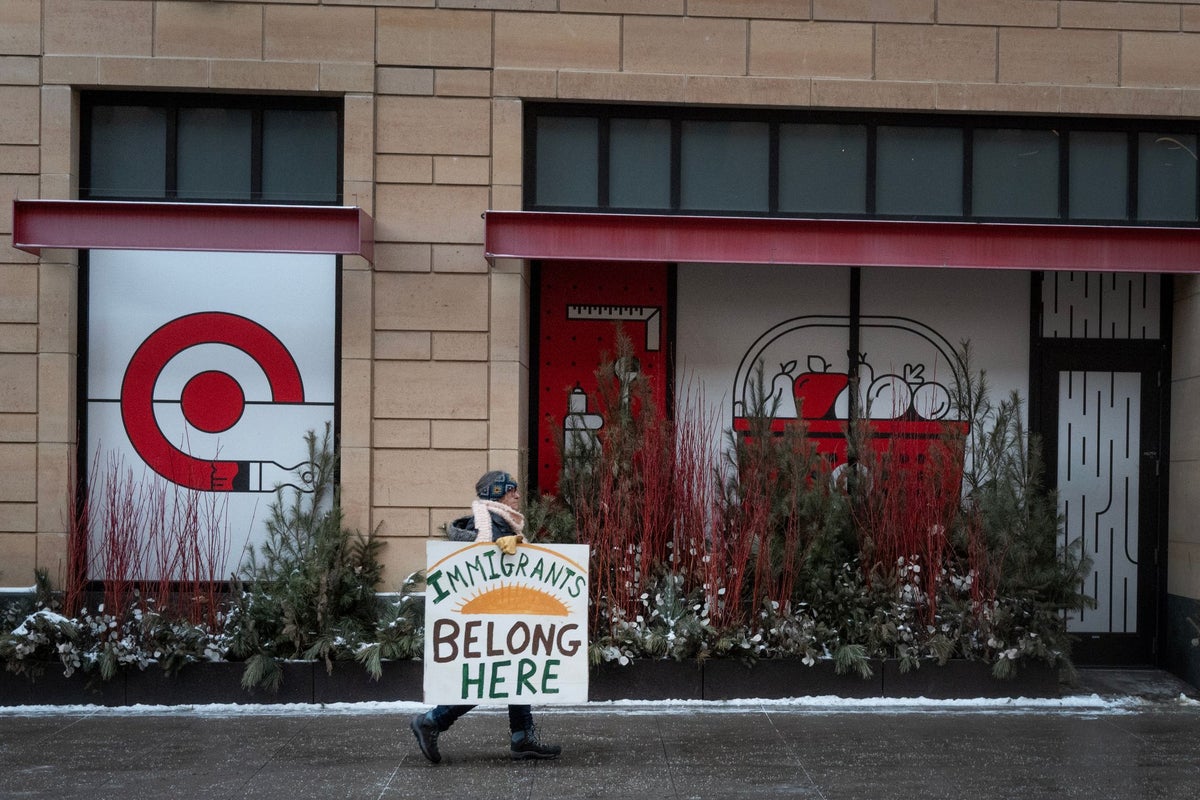
Murad Awawdeh, president of the New York Immigration Coalition, emphasized that ICE's actions highlight the necessity for New York to resist the administration's deportation agenda.
Opposition is gaining traction in various states, even those with strong Republican support. However, ICE remains determined to implement its new detention model by the end of Fiscal Year 2026, buoyed by substantial funding from last year's domestic spending bill.
In Hanover County, Virginia, officials were informed that ICE plans to establish a facility on a former cattle farm housing a large warehouse owned by Canadian billionaire Jim Pattison. Following local backlash and threats of boycotts, the county board announced its opposition to the sale.
Pattison’s company subsequently declared that the sale would not proceed. In Utah, local resistance led a real estate group to announce it had “no plans” to lease property for ICE use. Oklahoma officials passed a resolution against any ICE facility, while Maryland’s Howard County Executive revoked a building permit for one.

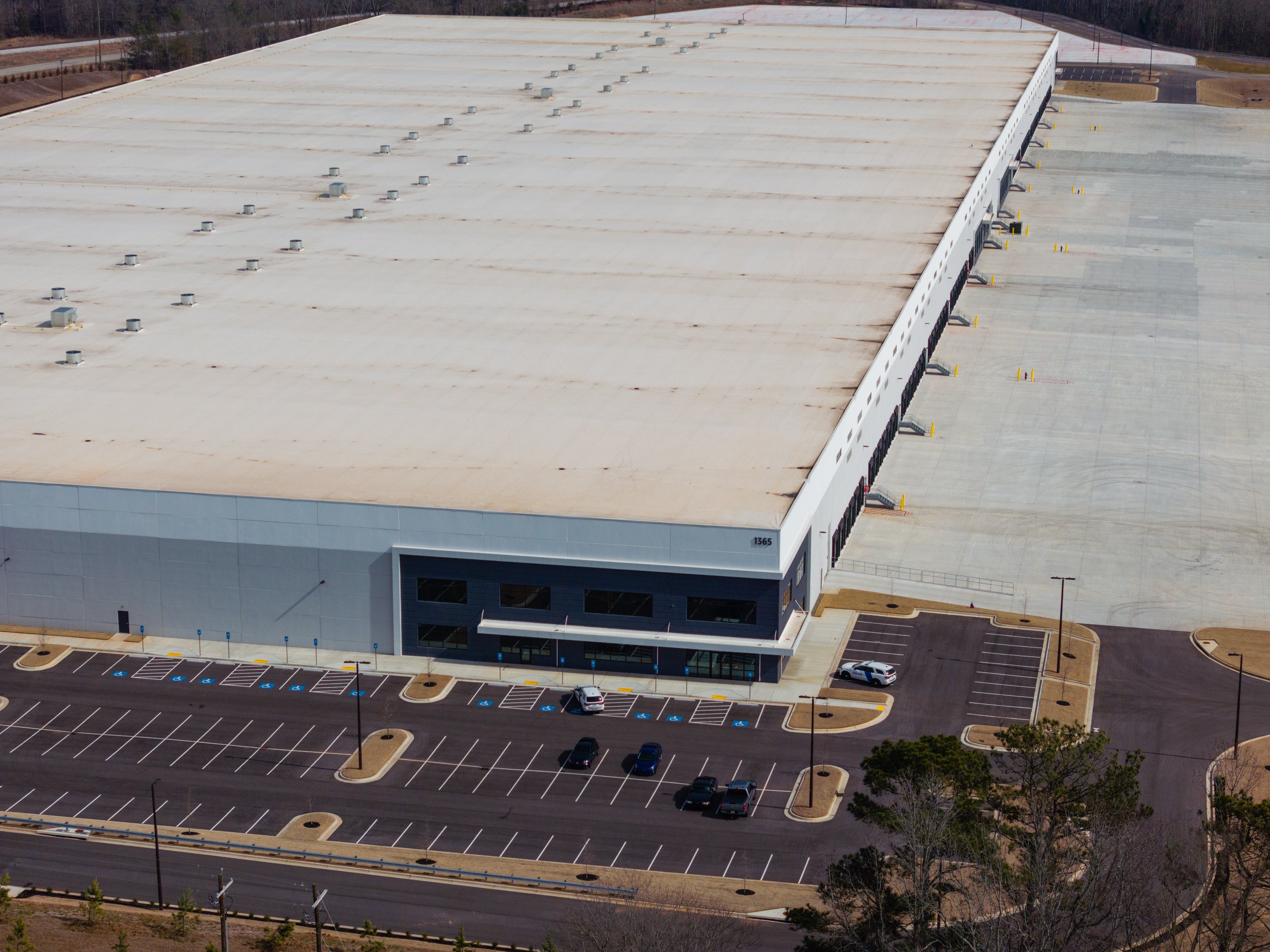
Resistance efforts are evident nationwide but yield mixed results; ICE recently invested nearly $130 million in a warehouse outside Atlanta as part of Georgia’s extensive immigration detention network. Local officials are already expressing regret over this decision.
“This is not something our city can support,” Social Circle City Manager Eric Taylor remarked. “The building was not designed for human habitation; it’s merely a shell.”