Trump Family's Crypto Venture Faces Investor Uproar Amid Allegations
Investors are expressing outrage over the Trump family's cryptocurrency initiative, claiming recent actions have set the stage for potential exploitation.
World Liberty Financial, a cryptocurrency venture co-founded by members of President Trump’s family alongside special envoy Steve Witkoff, is under fire for allegedly implementing controls that allow insiders to freeze investor funds.
Billionaire investor Justin Sun, who invested tens of millions into World Liberty during its early stages, described the project as “a trap masquerading as a door” in a post on X this past Sunday.
Sun has spearheaded the backlash against the project’s controversial decision to use its own WLFI tokens as collateral for a $75 million loan. Critics argue this strategy could enable World Liberty to withdraw cash ahead of a significant token unlock, which may flood the market with new supply and drive prices down.
The WLFI token has already seen a decline of over 50% since part of its supply was made available for trading last year. The price has plummeted approximately 80% from its peak due to the ongoing collateral controversy.
“I have always been a staunch supporter of President Trump and his crypto-friendly policies,” Sun stated, recalling a dinner with the president last year. He asserted that it was “never disclosed to me or any investor” that World Liberty allegedly “secretly embedded a backdoor blacklist function in the smart contract deploying the WLFI token.”
Sun further claimed that the company included a contractual provision granting it “unilateral power to freeze, restrict, or even effectively confiscate the property rights of any token holder—without notice, without reason, and without any avenue for recourse.”
“This is the antithesis of decentralization. It is a trap masquerading as a door,” he added, accusing World Liberty of treating the crypto community as “a personal ATM” in a follow-up post.
In response, WLFI appeared to threaten legal action against Sun. The company posted on X: “Does anyone still believe @justinsuntron?”
“Justin’s favorite move is playing the victim while making baseless allegations to cover up his own misconduct. Same playbook, different target. WLFI isn’t the first. We have the contracts. We have the evidence. We have the truth. See you in court, pal.”
Sun is not alone in his criticism. Morten Christensen, another investor and operator of AirdropAlert.com, remarked, “As a project, using your own token as collateral for loans is very bad. It puts fear, doubt, and anger in investors’ minds.”
Crypto influencer Nick O’Neill simplified the situation in a video posted to X on April 10, stating, “Trump’s crypto project just used its own made-up token to drain $150 million from investors.”
He emphasized that this apparent maneuver makes it “nearly impossible for regular depositors to withdraw their money.”
O’Neill elaborated that World Liberty deposited 3 billion tokens into Dolomite, a lending protocol. Notably, Dolomite’s co-founder, Cory Caplan, also serves as World Liberty’s chief technology officer.
“To make matters worse, Dolomite is not some random platform. It’s co-founded by a literal advisor to World Liberty Fi, and their depositors are getting locked out—mostly everyday users who lent real dollars expecting to earn yield and leave whenever they want,” O’Neill explained. “The Trump family literally drained the entire pool using their made-up token.”
He likened the entire operation to “a presidential scale extraction scheme.”
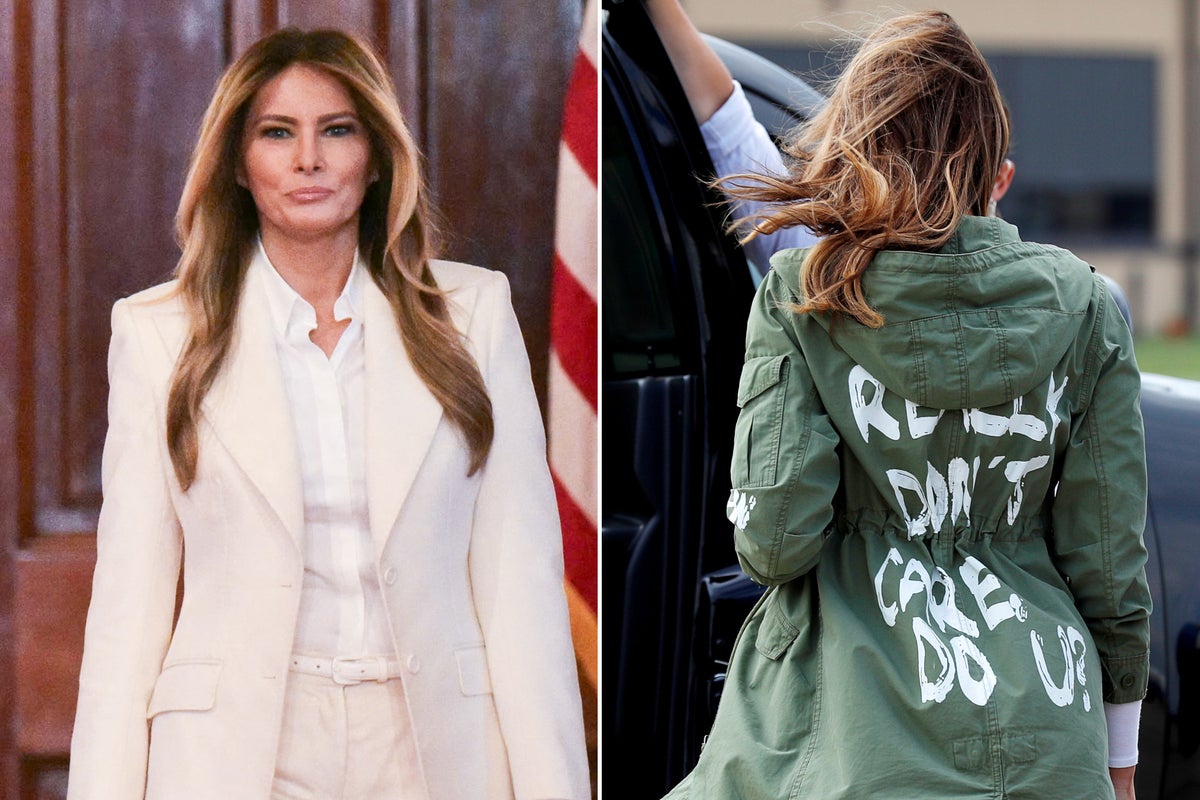
One crypto enthusiast humorously noted that the unfolding saga was “making Melania coin look good,” referencing the first lady’s poorly received venture into cryptocurrency.
In an official statement, WLFI spokesperson David Wachsman countered investor concerns. “It would be completely false to suggest that World Liberty is ‘exiting’ any positions: instead, we’re doubling down based on our roadmap,” he asserted.
Wachsman claimed that the company had already repaid $25 million on the loan. “We are committed to sound risk management and continuously evaluate our positions and collateral structure, which is why we have already paid back 33 percent,” he stated.
Sun has been approached for further comment.