India Halts Crucial Trade Mission to US Amid Trump Tariff Turmoil
India has called off a pivotal trade mission to the United States, originally set to commence on Monday, in light of a recent Supreme Court ruling that dismantled much of Donald Trump’s tariff framework.
The three-day visit aimed to finalize an anticipated interim trade agreement between the two nations, but plans were scrapped after the court's decision on Friday deemed critical aspects of Trump’s tariff policies improperly enacted under emergency powers.
Officials involved in the discussions indicated that the trip to Washington will be rescheduled, allowing both countries to evaluate the ramifications of the ruling and its potential effects on the evolving trade deal.
“The decision to defer the visit was taken after discussions between officials of the two countries,” a source, who requested anonymity, revealed. “No new date for the visit has been decided.”
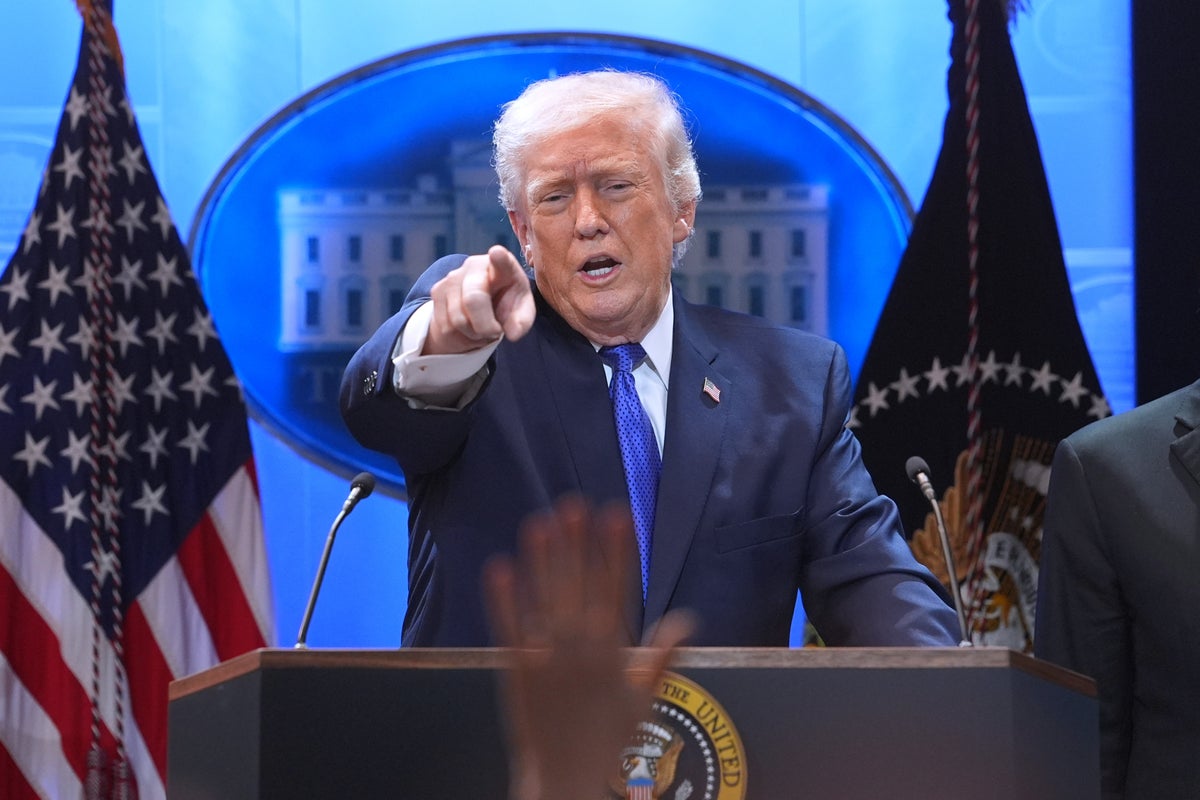
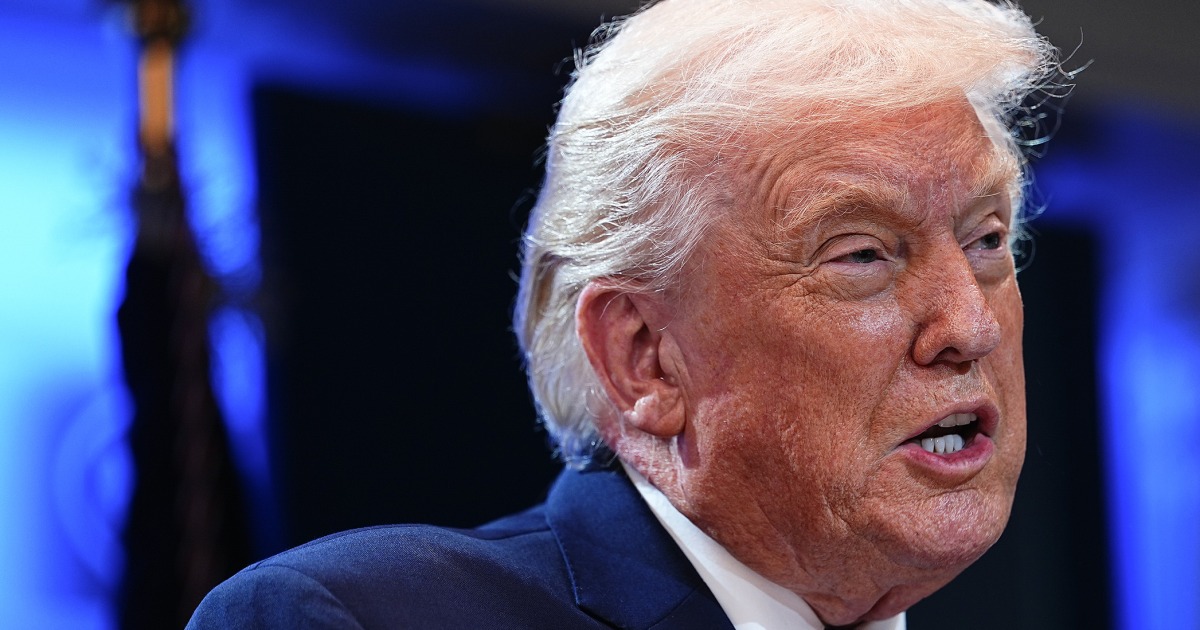
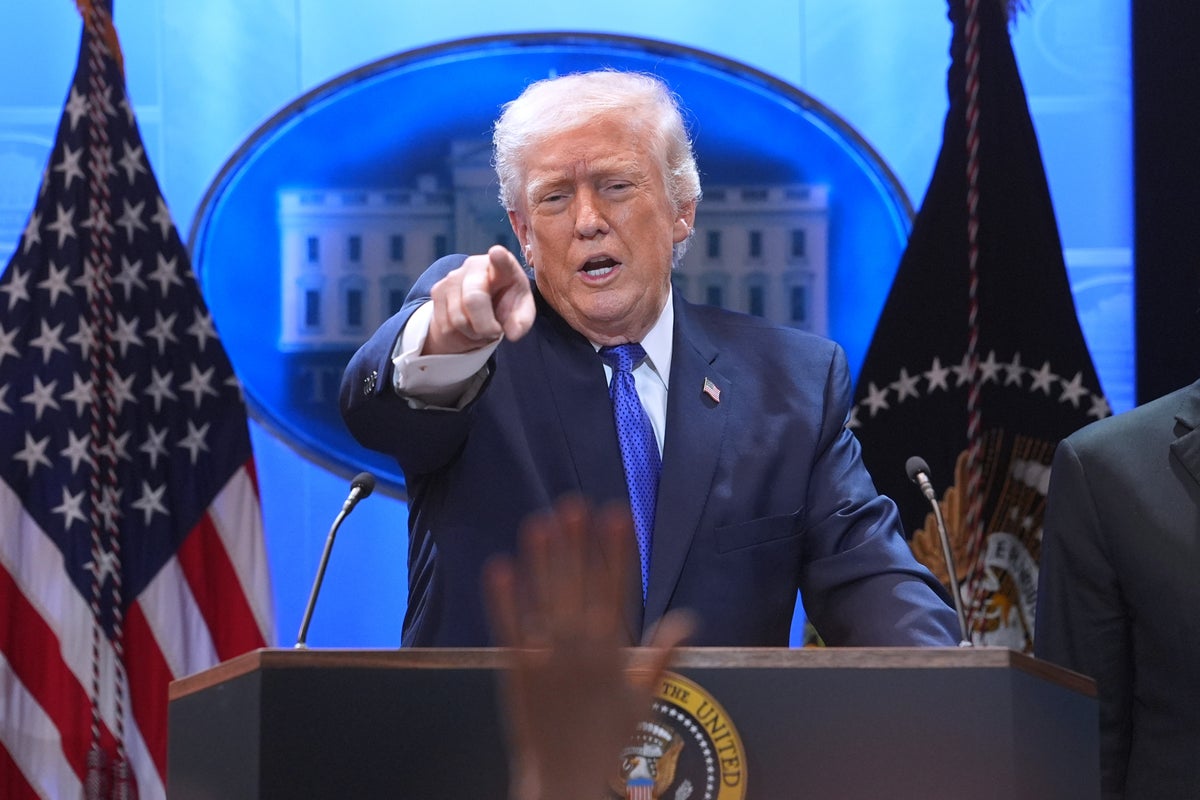
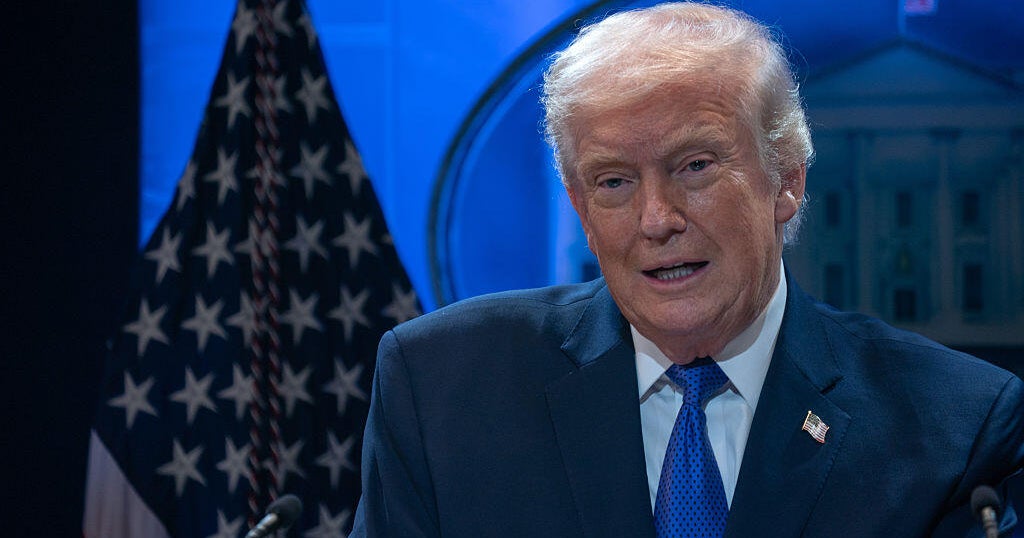
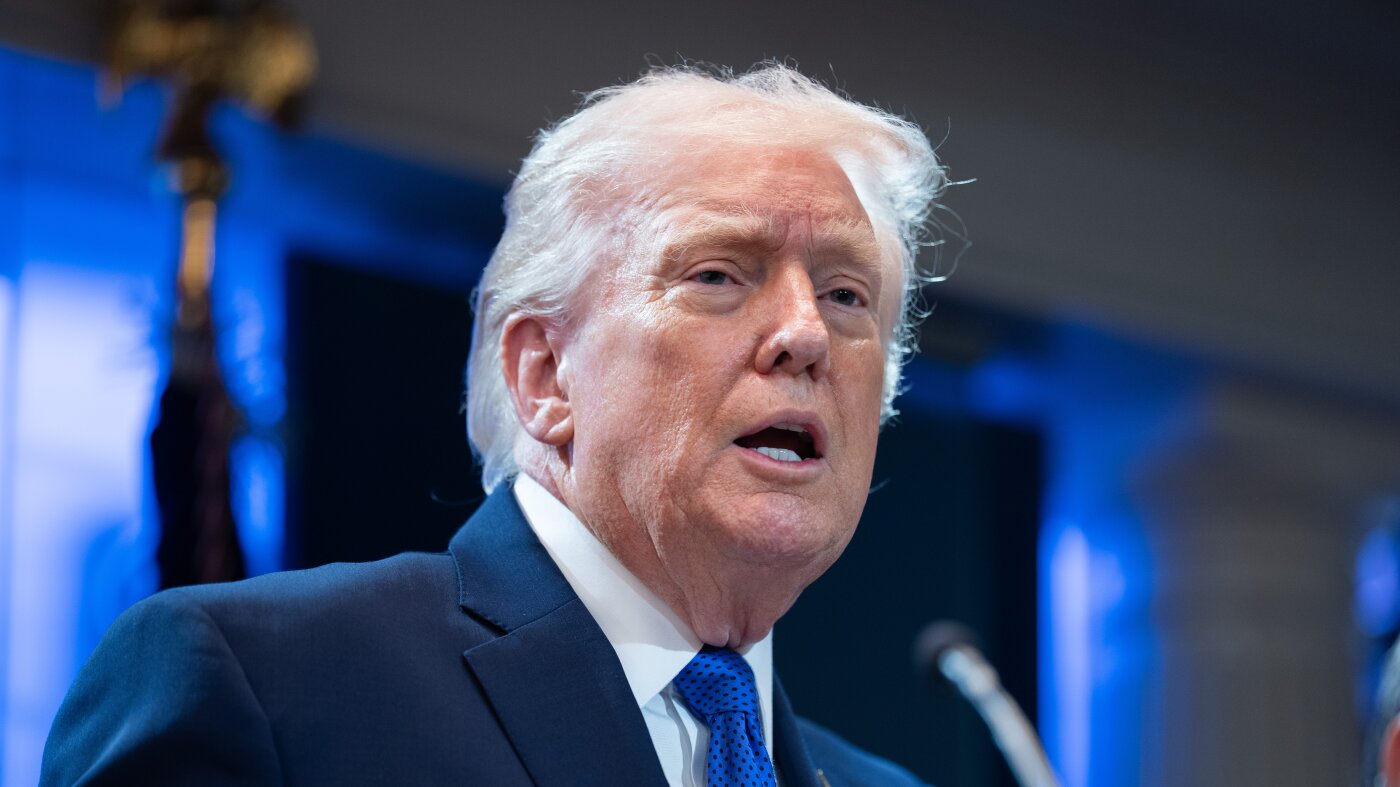
In a related development, Trump announced plans for a new global tariff regime utilizing alternative powers, initially proposing a 10 percent levy, which he later escalated to 15 percent.
This Supreme Court ruling has raised questions about the legal foundation for various tariffs established during Trump’s second term and has disrupted ongoing trade negotiations with other nations.
Under the previous tariff structure, Indian products faced a 10 percent duty, which was subsequently increased to 25 percent. At one point, an additional 25 percent penalty linked to India’s oil purchases from Russia pushed effective tariffs on certain goods as high as 50 percent.
On February 3, Trump claimed via social media that he and Indian Prime Minister Narendra Modi had reached an agreement that would reduce American tariffs on Indian goods from 25 percent to 18 percent.
He also stated that Modi had consented to halt Russian oil imports, which would lead to the lifting of the punitive 25 percent tariff. However, skepticism arose due to the lack of detailed information regarding this agreement and its purported arrangement over a phone call.
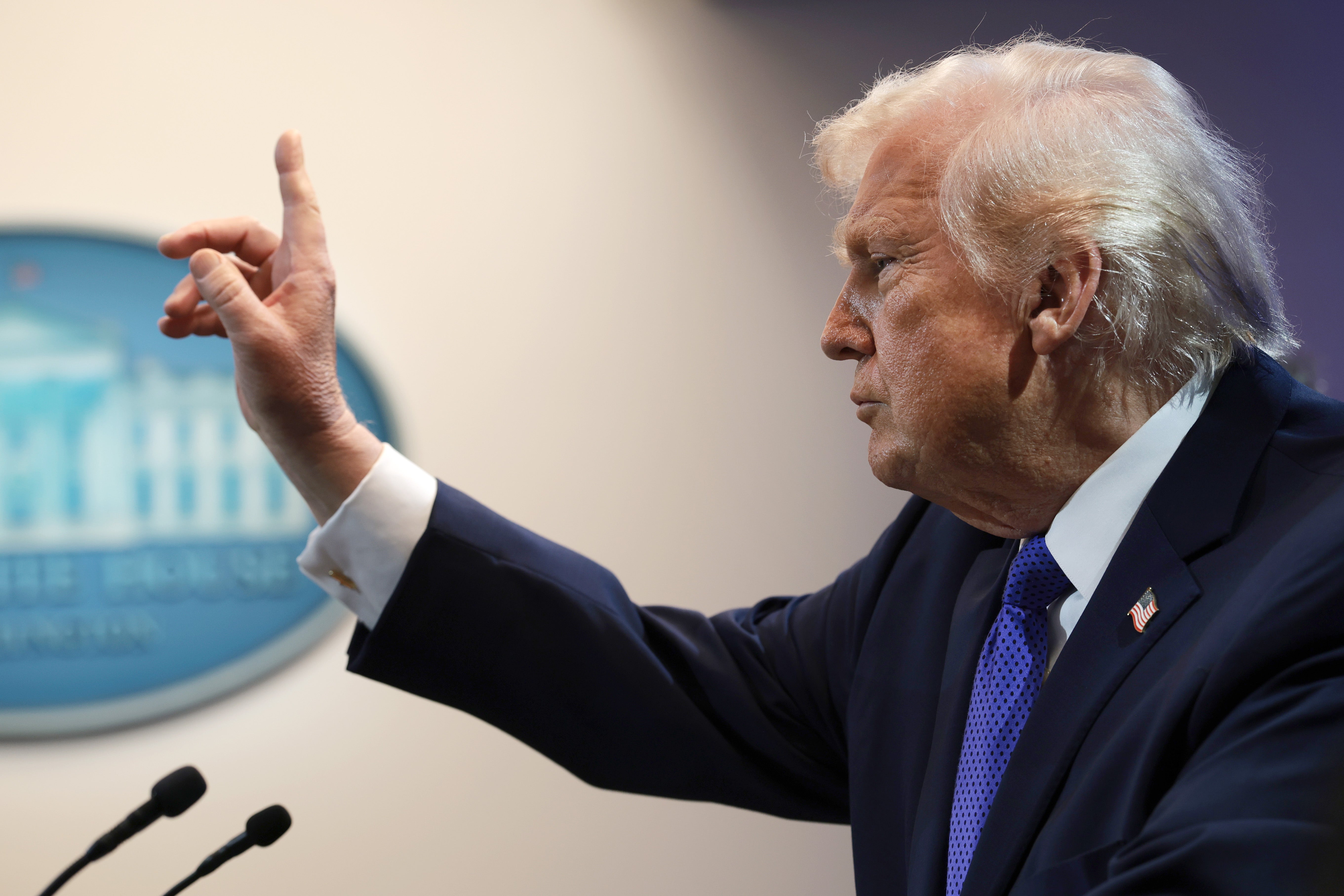
India has not made any public commitment to cease Russian oil purchases, leading analysts to view the outcome as more of a preliminary framework than a definitive trade deal.
The Supreme Court's ruling is expected to have global repercussions, coinciding with sensitive trade negotiations between the Trump administration and China.
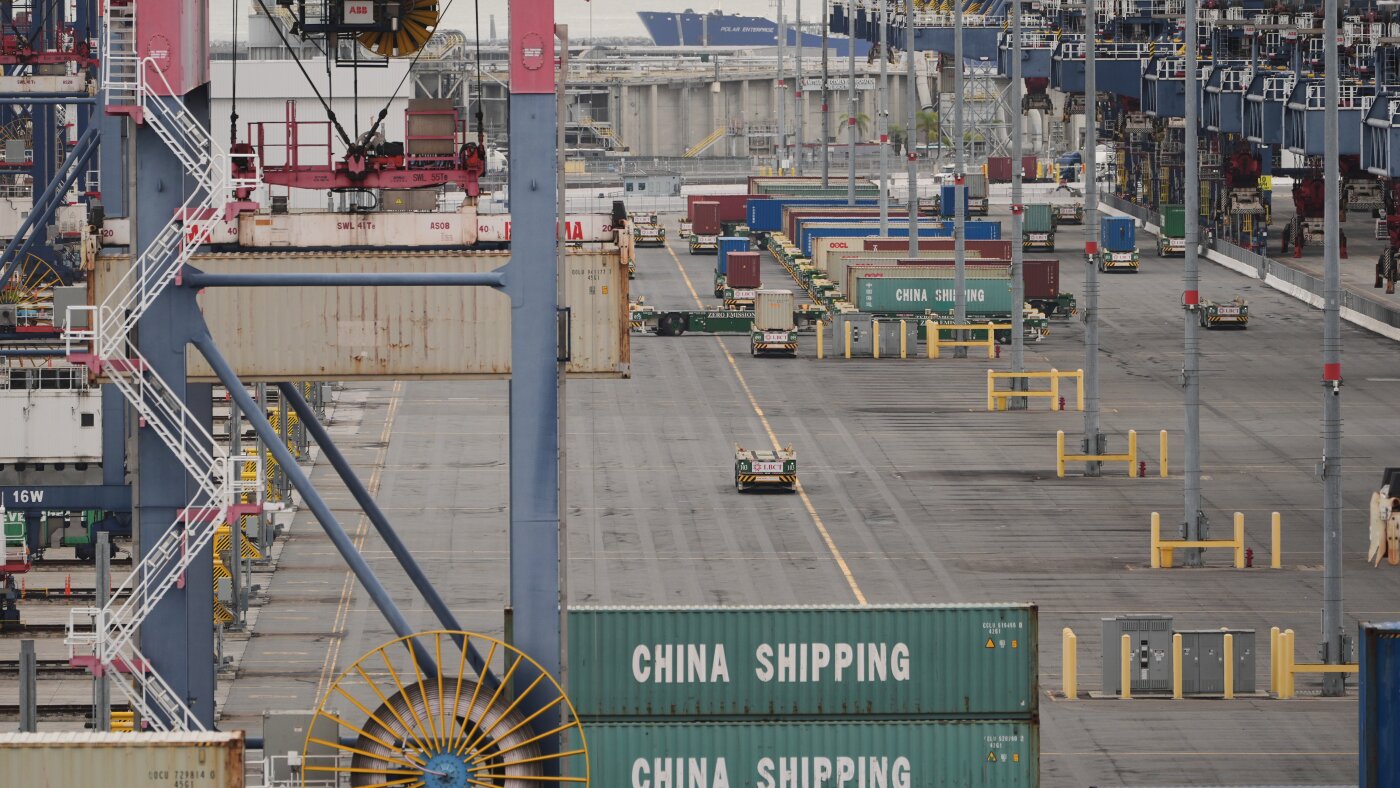
Trump’s original tariff strategy imposed duties of up to 25 percent on approximately $250 billion worth of Chinese imports, alongside 7.5 percent tariffs on an additional $110 billion in goods. In retaliation, China enacted tariffs of up to 25 percent on around $110 billion of US exports, particularly targeting agricultural products like soybeans, and lodged complaints with the World Trade Organization.
Some analysts propose that this ruling could alter the dynamics of the ongoing dispute, especially with Trump scheduled to visit China from March 31 to April 2 for discussions with President Xi Jinping regarding a bilateral agreement. While this decision may seem to bolster Beijing’s position, others anticipate that both parties will maintain a fragile truce until then.
“It will give China a moral boost in their negotiations with Trump’s team ahead of the summit, but they are prepared for the scenario that nothing actually changes in reality,” stated Sun Yun, director of the China program at a Washington-based think tank.
“In general, I think it will just bring in a new period of high uncertainty in world trade, as everybody tries to figure out what the US tariff policy will be going forward,” remarked Varg Folkman, an analyst at a European think tank. “In the end it’s going to look pretty much the same.”