


Iran Dismisses U.S. Ceasefire Proposal as Trump Threatens to Target Key Infrastructure
A man navigates through the rubble of buildings devastated by airstrikes in Tehran, remnants of a joint U.S.-Israeli military campaign that has left its mark on the city.
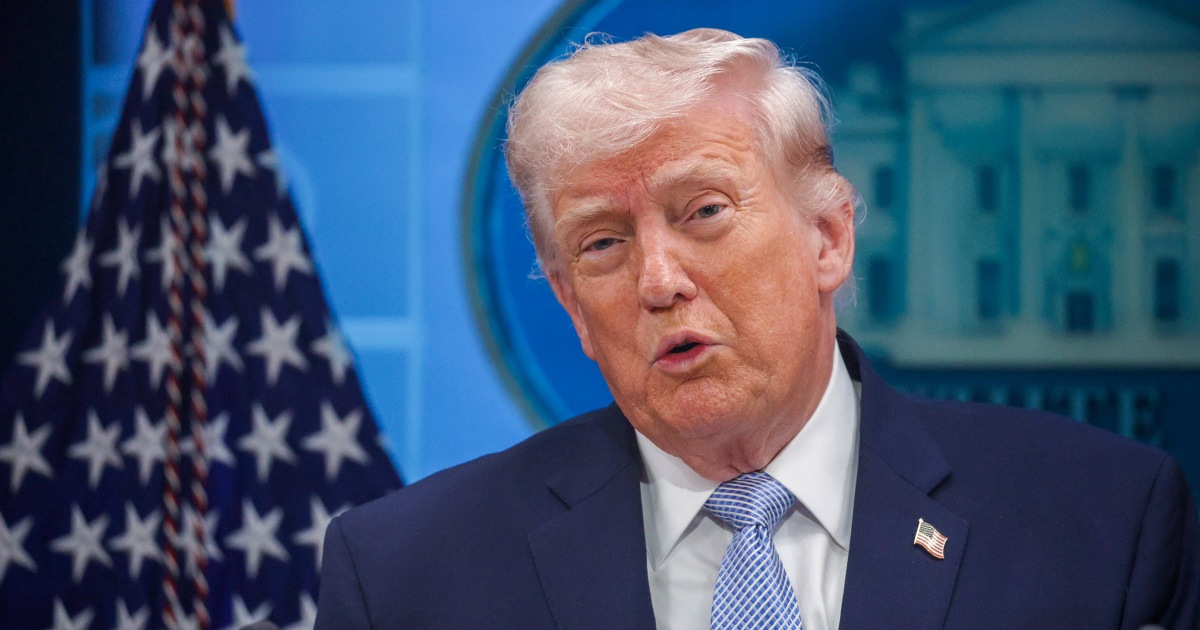
In a bold move, Iran's state media announced the rejection of a U.S. proposal for a temporary ceasefire, instead advocating for a permanent cessation of hostilities. This comes as President Trump reiterated his threats to bomb Iranian bridges and power plants unless the country reopens the vital Strait of Hormuz.
Legal experts assert that targeting civilian infrastructure, which does not contribute to military objectives, constitutes a war crime under both international and U.S. law.
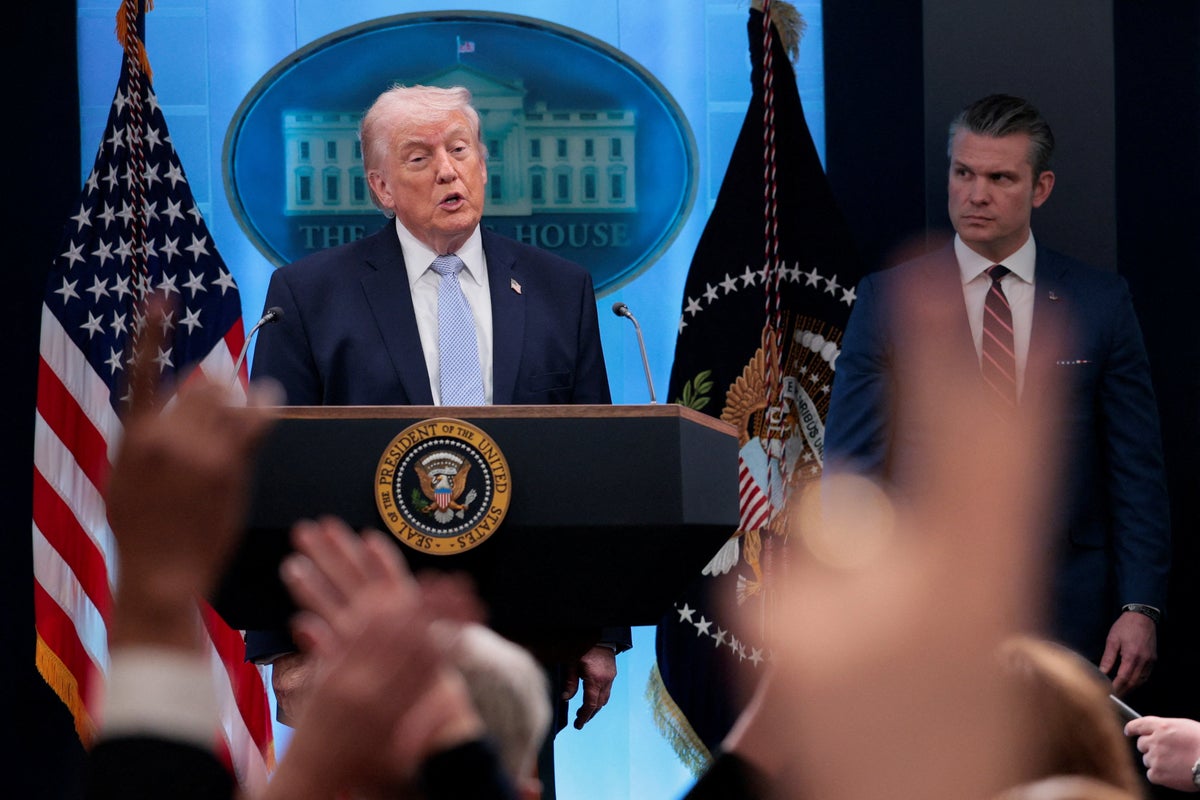
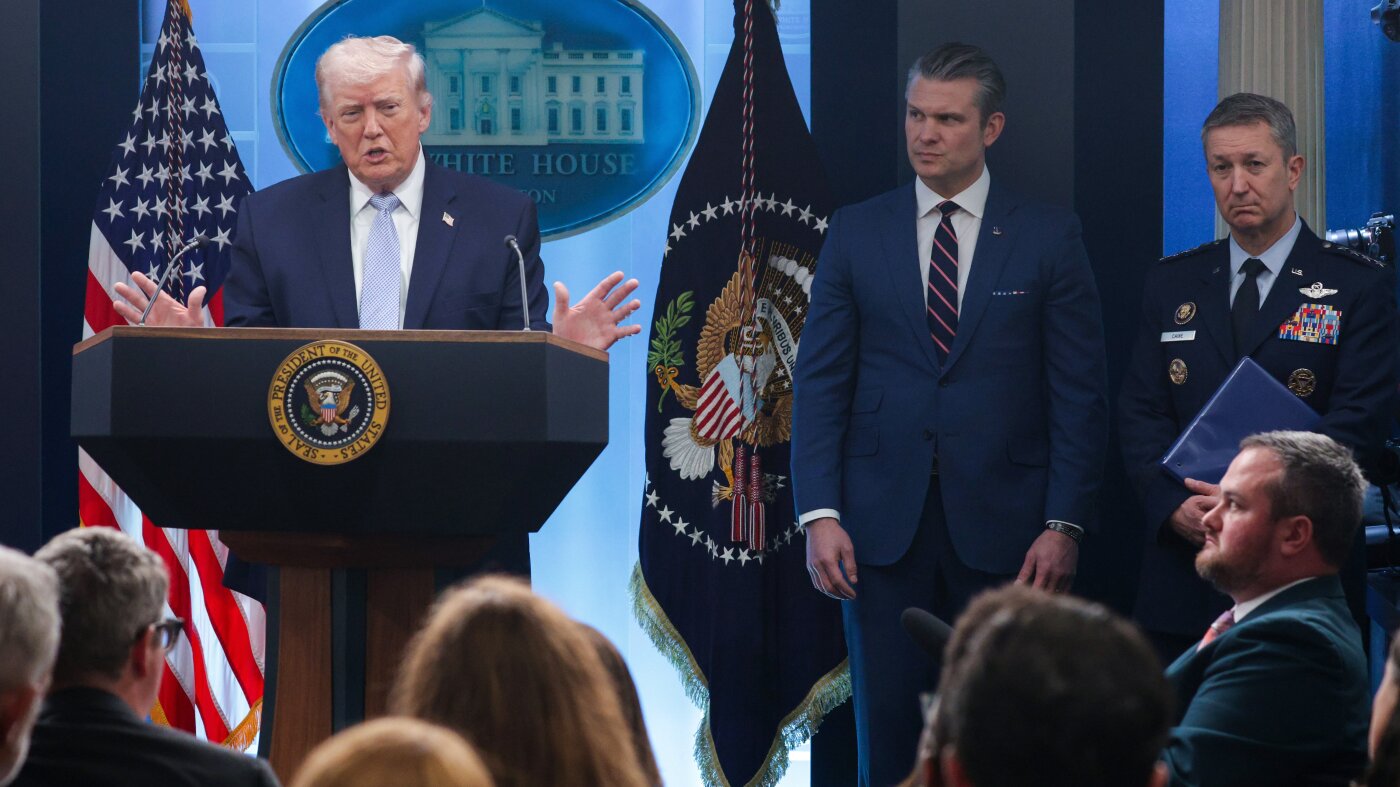
When pressed by reporters about the potential for committing war crimes, Trump responded, "No. I hope I don't have to do it," expressing a belief that the Iranian populace would endure further U.S. bombardment in pursuit of freedom.
Iranian officials swiftly condemned Trump's remarks, labeling them as threats of atrocities.

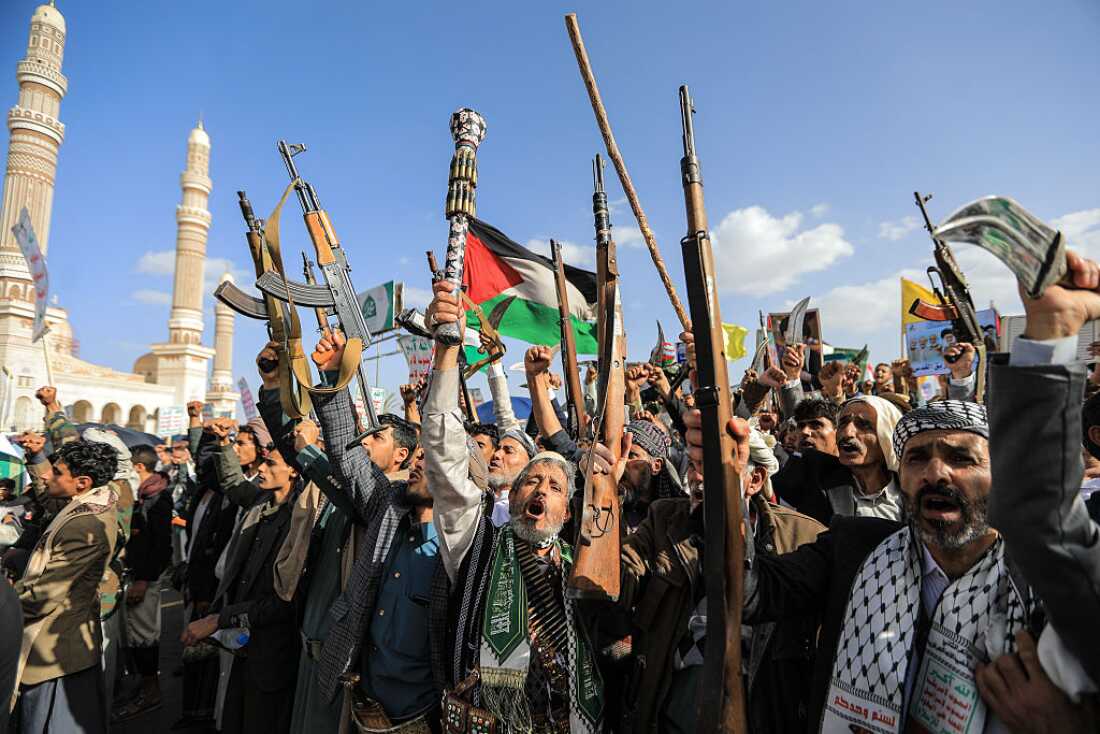
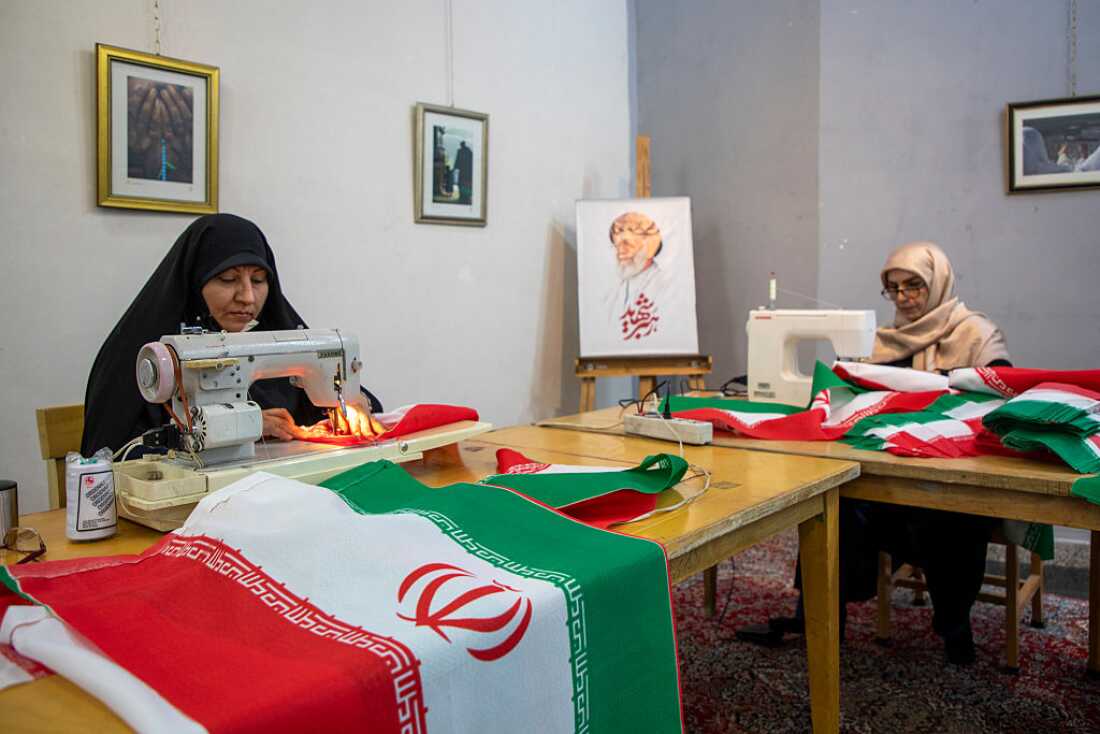
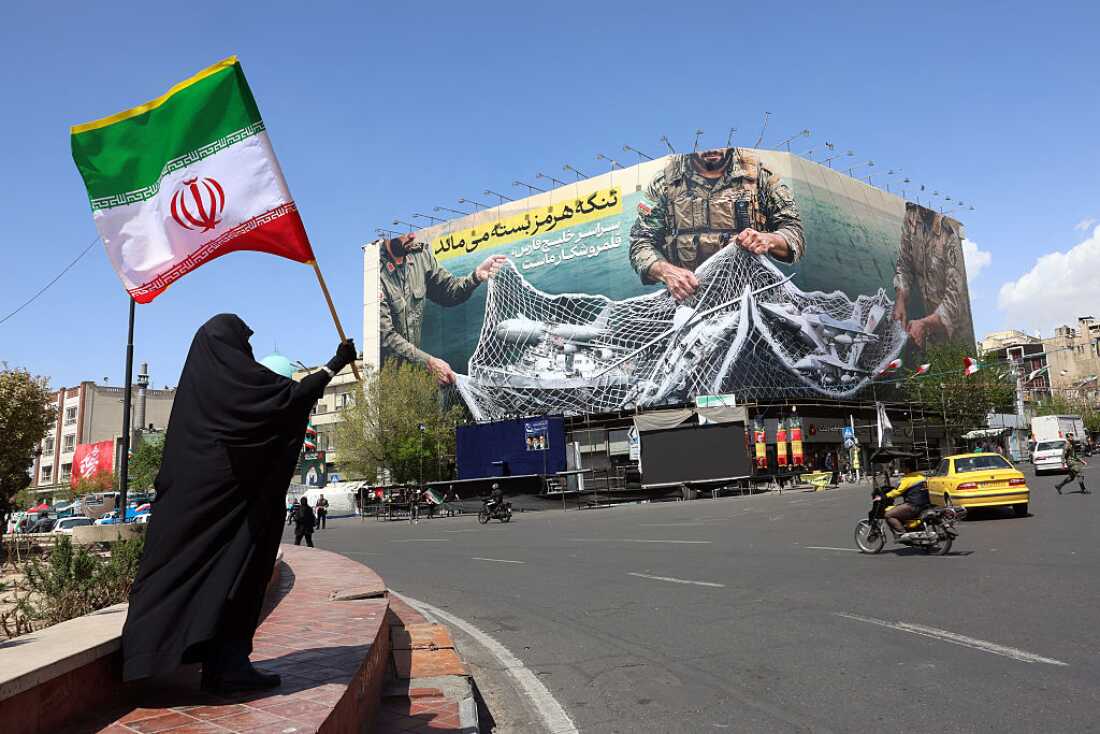
Meanwhile, volunteers in Tehran have taken to sewing Iranian flags, distributing up to 5,000 daily as a show of national pride amidst the turmoil.
Updates on the ongoing conflict reveal that diplomatic efforts are still underway, with no consensus reached between the U.S. and Iran regarding a ceasefire. Iran's state news agency IRNA reported that it communicated through Pakistani officials its desire for a permanent end to hostilities, demanding the lifting of sanctions and cessation of regional conflicts.
Trump acknowledged the ceasefire proposal during a press briefing on the White House South Lawn, deeming it "not good enough, but it's a very significant step."
Efforts led by Pakistan, Egypt, and Turkey aim to negotiate an end to the conflict. Egyptian officials indicated that Iran is amenable to a 45-day ceasefire that would facilitate discussions on reopening the Strait of Hormuz.
António Costa, president of the European Council, praised regional negotiations aimed at peace and urged Iran to halt its attacks on neighboring countries.
Iran's foreign minister engaged in discussions with Qatari Prime Minister Mohammed bin Abdulrahman bin Jassim Al-Thani, emphasizing the necessity for negotiations to stabilize the region and ensure global energy security.
Oman's Foreign Ministry reported that its representatives met with Iranian diplomats to explore options for ensuring safe passage through the Strait of Hormuz amid escalating tensions.
Anwar Gargash, a senior adviser to the UAE leadership, expressed a desire for an end to hostilities but cautioned against solutions that might lead to ongoing instability.
In a provocative social media post, Trump issued a stark warning to Iran: "Tuesday will be Power Plant Day, and Bridge Day, all wrapped up in one, in Iran," demanding the opening of the Strait by a specified deadline.
Iranian officials reacted strongly to Trump's threats. Seyyed Mehdi Tabatabai, spokesperson for Iran's president, characterized Trump's remarks as desperate and angry.
"The Strait of Hormuz will open when all damage from this imposed war is compensated through a new legal regime," he stated.
Iran's Foreign Ministry reiterated its commitment to defending national security and sovereignty. The Iranian Mission to the U.N. accused Trump of inciting terror against civilians and called for international intervention against potential war crimes.
In recent developments, Iran confirmed the death of Maj. Gen. Majid Khademi, intelligence chief of its Revolutionary Guard, with Israel claiming responsibility for the assassination.
Israel's defense minister vowed to continue targeting Iranian leadership while threatening to dismantle Iran's national infrastructure if attacks on Israeli civilians persist.
As Israel intensifies its military operations, it has announced plans to accelerate production of interceptors designed to counter missile threats.
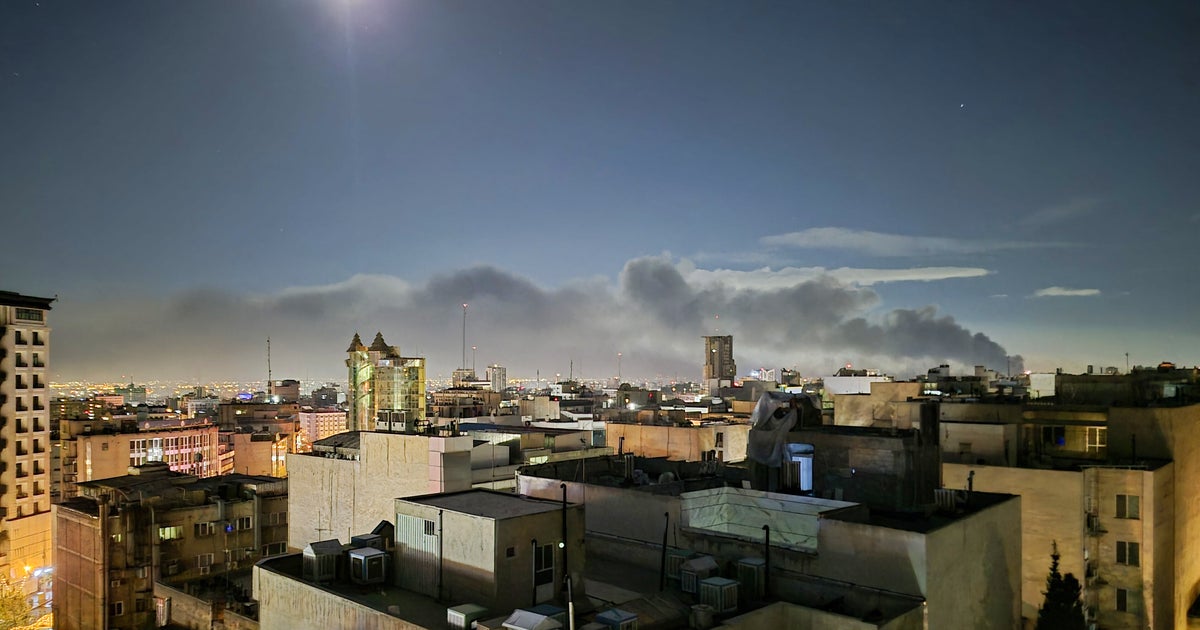
Recent strikes attributed to U.S. and Israeli forces targeted Iran's petrochemical and steel industries, crippling operations linked to missile production.
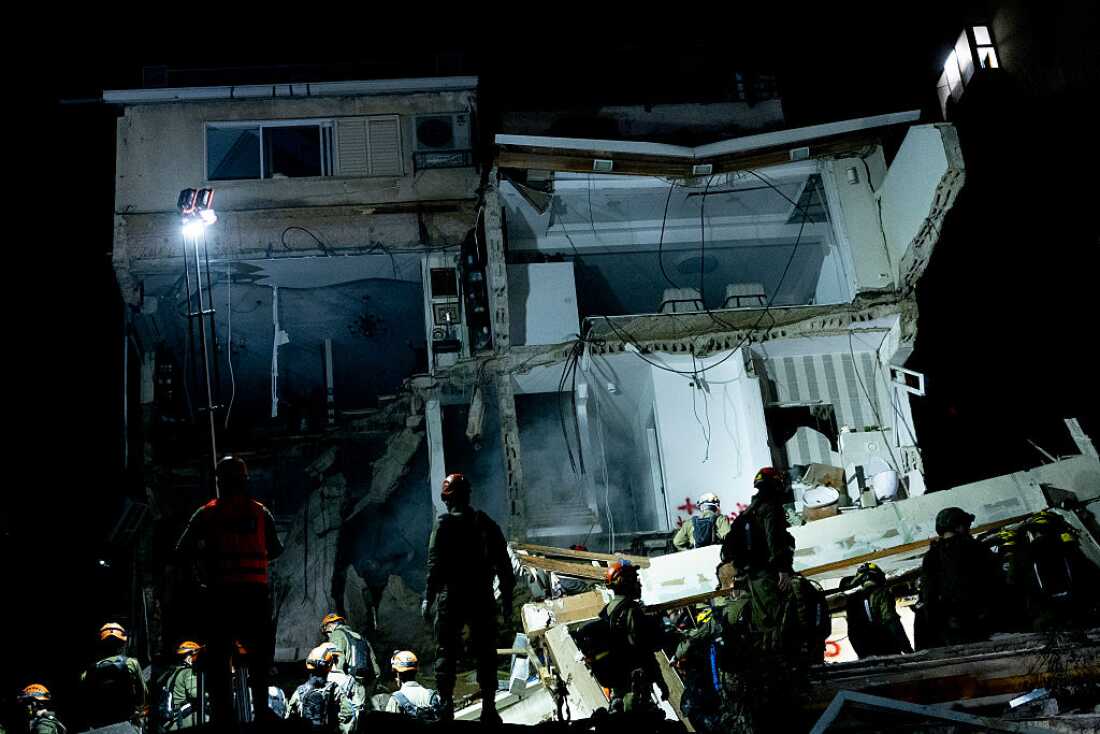
In retaliation, Iran launched missiles and drones at Israeli targets, including oil refineries it claims supply fuel for U.S. military operations. Strikes were reported in Tel Aviv and Haifa, resulting in casualties and damage to civilian infrastructure.
Four individuals lost their lives in Haifa following an Iranian missile strike on a residential building.
Additionally, Iranian drones targeted Kuwait's oil sector complex, causing significant damage and igniting fires at multiple facilities.
The UAE reported intercepting numerous missiles and drones launched by Iran over the weekend, with ongoing efforts to protect critical infrastructure from further attacks.
Aliakbar Velayati, an adviser to Iran's supreme leader, warned that Bab al-Mandeb Strait could become another focal point for conflict if tensions escalate further.
This strategic waterway is crucial for global trade, with approximately 10% of international commerce passing through it.
As the conflict continues, Iranians face an unprecedented internet blackout that has lasted over 38 days—marking the longest nationwide shutdown on record. This has severely limited access to information and communication for many citizens.
The Iranian government has maintained some pro-government narratives online while suppressing dissenting voices. Civil society groups report that this blackout complicates efforts to document human rights violations amid ongoing hostilities.
The situation remains fluid as diplomatic efforts continue amidst escalating military actions across the region.