‘MAHA Moms’ Are Burdened with Increased Responsibilities
“Making America healthy again” is no small feat, and mothers are at the forefront of this initiative.
The MAHA movement, spearheaded by Health Secretary Robert F. Kennedy Jr., has leveraged misinformation to cast a shadow over everyday practices, targeting vaccines, food additives, and household products. The narrative often suggests that health outcomes hinge on personal choices—especially those made by parents for their children.
Recent data reveals that nearly 40% of U.S. parents align themselves with the MAHA movement, with over 80% identifying as Republicans supporting Donald Trump. A smaller faction of MAHA parents may not lean conservative but still express skepticism towards the established medical community.
Since the pandemic, women, particularly mothers, have gravitated towards conservative ideologies, viewing mask and vaccine mandates as infringements on their parental rights. Sociologist Katie Gaddini notes that this shift has empowered mothers while simultaneously confining them to traditional roles.
MAHA moms now embrace a self-appointed role in health and wellness, believing they possess the knowledge necessary to safeguard their families. Under the banner of “medical freedom,” a mother’s responsibility has expanded to encompass all aspects of her children’s health.
These mothers are tasked with researching vaccines, preparing organic meals, and ensuring their homes are free from toxins. Many opt for homeschooling to maintain control over their children’s education.
Gaddini explains that while the MAHA movement empowers women, it also reinforces conventional gender roles. “The MAHA movement demands significant emotional and physical labor from women regarding health and wellness,” she states. “It repeatedly defines what constitutes a good mother.”
In a conversation with Gaddini, she elaborated on the intersection of motherhood and the MAHA movement, highlighting how intensive mothering serves as a gateway into conservative politics.
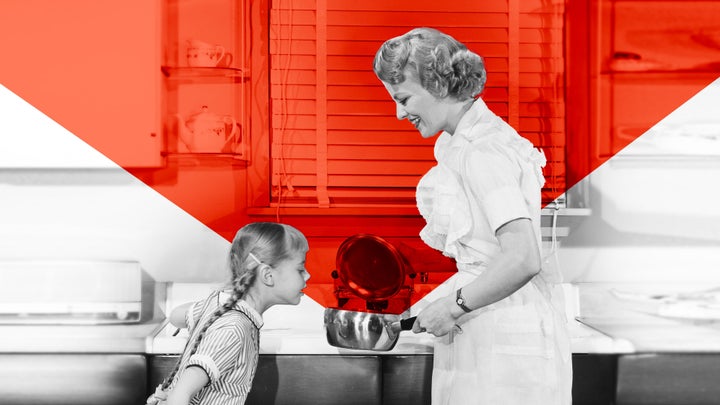
“Many women involved in MAHA identify strongly as mothers,” she observes. “However, the coalition is complex, uniting both liberal women disenchanted with mainstream medicine and conservative Christian homeschoolers.”
This coalition is fragile; historical political divides exist among these women on issues like abortion and reproductive rights. Yet, they unite under a common goal: improving America’s health.
Right-wing women have shifted their focus towards health and wellness since the pandemic, previously uninterested in such matters. Their concerns now extend to food additives and vaccine safety, reflecting a newfound vigilance.
For many conservative Christian women, this focus aligns with their traditional roles as caretakers of home and family. Gaddini shares an anecdote about a Facebook group of conservative moms who began discussing health topics post-pandemic, even debating the type of body wash their husbands should use.
The pandemic served as a pivotal moment for these women, transforming their political engagement. Pre-pandemic concerns centered around immigration and economic issues; now, many are actively participating in political discourse.
Motherhood has become a rallying point for these women, who feel their roles are under siege due to proposed mandates and public health measures. The sense of distrust in media and health officials has fueled their resolve to take charge of their families’ well-being.
As Gaddini notes, “They feel empowered to act as advocates for their children.” This newfound activism is unlikely to wane; many women report a lasting change in their political engagement.
The dynamics of work among these women vary significantly by social class. Working-class women often juggle jobs alongside parenting duties, while middle- and upper-class women frequently identify as stay-at-home or homeschooling moms.
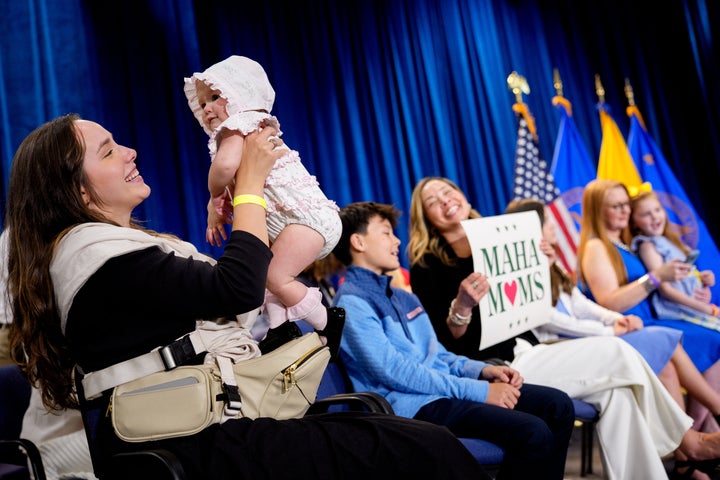
This distinction complicates traditional gender roles. While many conservative Christian women espouse conventional views on gender, the rise of political activism and social media blurs these lines. Influencers like Candace Owens exemplify this trend, balancing motherhood with significant public engagement.
Gaddini points out that social media provides a platform for conservative women to navigate these contradictions. They can present themselves as devoted homemakers while engaging in substantial political work online.
The burden of “making America healthy again” often falls on these mothers—researching vaccines, preparing wholesome meals, and ensuring educational oversight. Yet many do not perceive this as a burden; instead, they embrace it as part of their identity.
“They take pride in their roles,” Gaddini explains. “Every action reinforces their identity as good mothers and wives.”
While the MAHA movement appears to promote traditional gender roles, it simultaneously empowers women to exert influence in public spheres. Many are generating income through their activism.
In her upcoming book “Esther’s Army,” Gaddini identifies common themes among right-wing Christian women: a pervasive sense of being under attack from various societal forces. This feeling intensified during the pandemic, galvanizing many into political action.
The pandemic has reshaped the landscape of U.S. politics in ways that warrant further examination. The transformation among conservative women is profound; they are unlikely to revert to previous apolitical lives.
This interview has been condensed and lightly edited for clarity.