New Revelations Uncover Epstein's Lenient Plea Deal and Jail Privileges
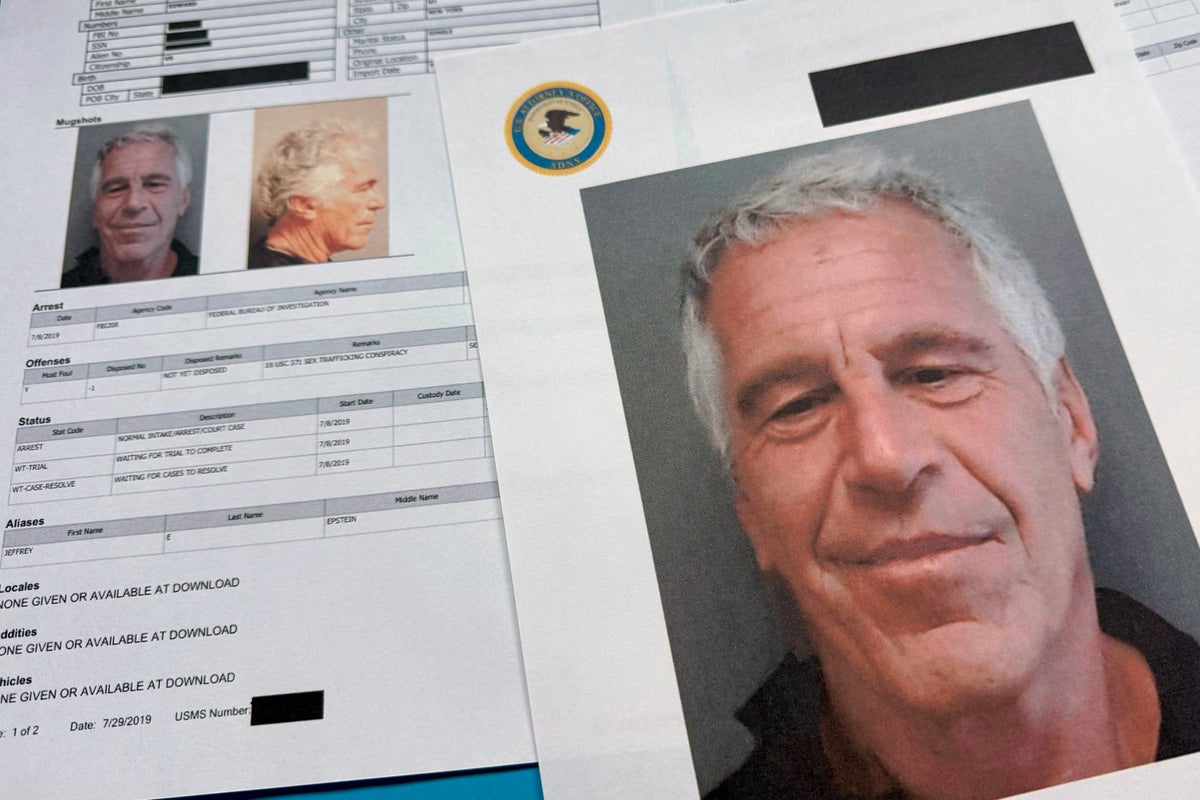
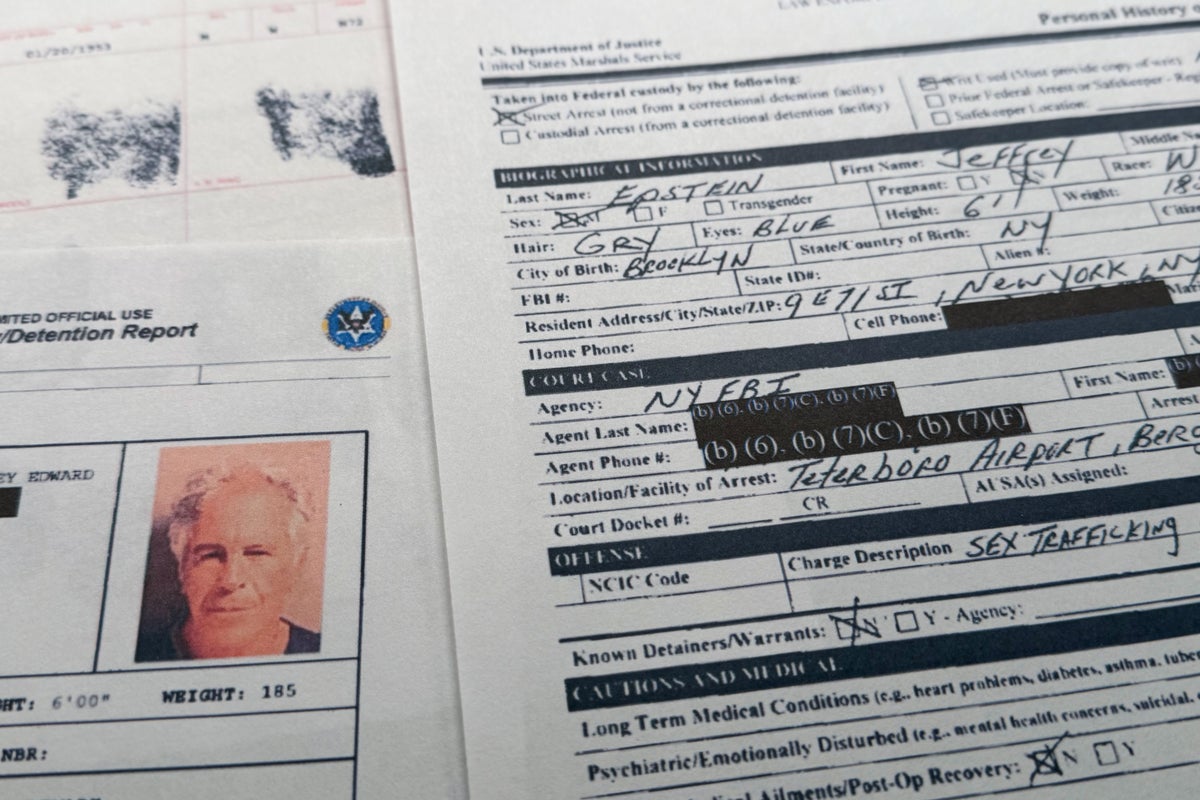
Jeffrey Epstein's 2008 plea deal, which allowed him to plead guilty to soliciting a minor for prostitution, has come under renewed scrutiny as new details emerge from recently released Department of Justice files. The revelations raise significant questions about the nature of his work release arrangement while incarcerated in Florida.
In July 2008, Epstein surrendered to the Palm Beach County Sheriff's office after pleading guilty. Despite numerous accusers, many of whom were minors at the time of the alleged offenses, the federal sex trafficking case against him was effectively sidelined in favor of lesser state charges. Critics have labeled this arrangement a "sweetheart deal," highlighting the disparity in justice for survivors.
After serving less than four months in jail, Epstein was granted a work release program that permitted him to leave custody for up to 16 hours a day, six days a week. This arrangement was ostensibly to allow him to work at the Florida Science Foundation, a charitable organization he had recently established.
For nine months, Epstein's daily routine involved being transported between the jail and his office in downtown West Palm Beach by his bodyguard, Igor Zinoviev. His attorney, Darren Indyke, was designated as his official supervisor. Epstein even arranged for off-duty sheriff's deputies to monitor his activities and provide security at both his office and residence.
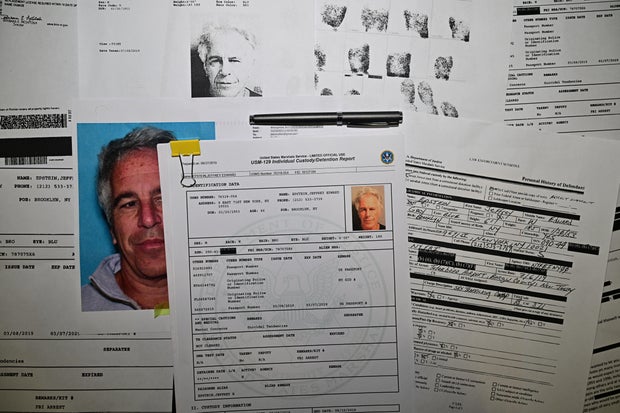
Documents released under the Epstein Files Transparency Act reveal that the SUV used for these trips was equipped with a bed. One woman, who spoke to the FBI, alleged that she engaged in sexual activity with Epstein in the vehicle while it was parked in the jail lot.
This woman, a former model from Slovakia, claimed she was recruited by Epstein's associate Jean-Luc Brunel during her high school years. She met Epstein at a birthday party in 2003 and had been involved with him for several years by the time of his arrest. She was one of four "assistants" granted immunity under a non-prosecution agreement linked to Epstein's plea deal.
Survivors and their legal representatives argue that this case exemplifies the leniency shown towards Epstein, with motivations behind such treatment remaining unclear. Spencer Kuvin, an attorney representing many of Epstein's accusers, noted that the woman's name did not appear on official prison visitor logs obtained during litigation against Epstein. He deposed her in 2010, where she invoked her Fifth Amendment rights during questioning.
"The lack of oversight by local law enforcement is appalling," Kuvin stated. "If these allegations are accurate, it indicates that a sexual predator was allowed to continue his predatory behavior while supposedly in custody." He emphasized that this situation underscores the preferential treatment afforded to Epstein due to his wealth.
Details regarding the SUV surfaced during a 2020 FBI interview related to Ghislaine Maxwell's criminal investigation. The woman described a friendly rapport between Epstein and members of the Palm Beach County Sheriff's Department, noting minimal oversight during his incarceration. She recalled instances where they parked in the prison lot without any intervention from authorities.
In her interviews with federal investigators, she provided extensive accounts of her relationship with Epstein, including claims of engaging in virtual sexual activities while he was incarcerated. Adam Horowitz, another attorney representing Epstein's victims, remarked on how these interviews illustrate the grooming process that enabled Epstein's exploitation of young women.
Additional insights from her FBI interview revealed that Epstein maintained a particularly friendly relationship with one prison guard, who even visited him at home during confinement discussions. She recounted an incident where Epstein hid during a sheriff's inspection and boasted about having an unfriendly probation officer reassigned.
During her visits to the jail, she reported never having to sign in or complete any paperwork. A separate 2019 document from the DOJ included an unverified tip from a former part-time paramedic at the jail, alleging that Epstein had paid for a section of the jail to be reopened for his exclusive use—an act described as "highly unusual preferential treatment."
The Palm Beach Sheriff's Department responded to inquiries by stating they found no evidence supporting these claims. A 2021 report by the Florida Department of Law Enforcement also concluded that there was no indication of bribery or undue influence affecting Epstein's treatment.
"Many survivors have made it clear that Epstein's exploitation did not cease during his time in custody," stated Lauren Hersh, director of World Without Exploitation. "At best, this unusual arrangement reflects law enforcement negligence; more likely, it reveals a system prioritizing accommodation for a predator over justice for survivors."
Despite setbacks, some investigators at the DOJ remained hopeful about pursuing charges against Epstein. "It was a shame. We had a great case," one employee expressed in an unreleased text included in the Epstein files. "I never gave up on it; I kept everything ready... in case the non-prosecution agreement got voided."
Another decade passed before Epstein faced new charges related to trafficking minors in New York. He died in a Manhattan jail cell on August 10, 2019, with his death ruled a suicide.