Pakistan Gears Up for US-Iran Peace Negotiations Amid Heightened Security
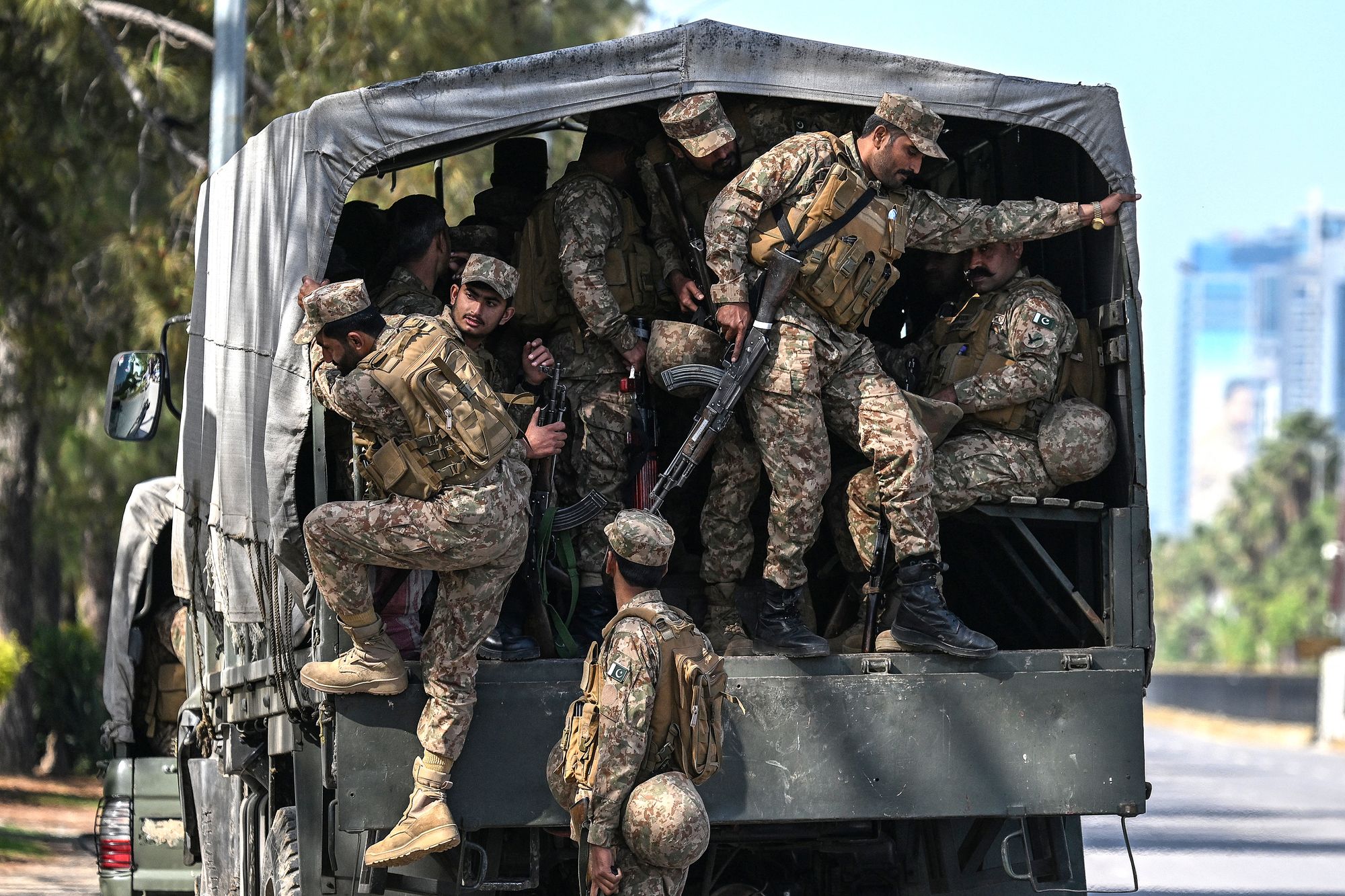
Islamabad transformed into a fortress on Friday, bracing for pivotal negotiations aimed at quelling the US-Israeli conflict with Iran. The Serena Hotel, chosen as the venue for these high-stakes discussions, was surrounded by army and paramilitary forces, while police heightened security measures throughout the capital.
Guests at the luxury hotel received notices to vacate by 5 PM Wednesday, as the government requisitioned the property for what officials termed an “important event” scheduled from that evening until Sunday. This move underscored the urgency and significance of the upcoming talks.
Earlier in the week, Pakistan’s political and military leaders brokered a significant ceasefire between the US and Iran, announced just hours before a deadline set by former President Donald Trump. His ultimatum threatened to obliterate a “whole civilization” unless Iran allowed free passage through the Strait of Hormuz, a vital maritime corridor responsible for transporting a substantial portion of the world’s oil and gas.
Despite the ceasefire, tensions escalated following Israel’s airstrikes on Lebanon, which resulted in numerous casualties. Nevertheless, this truce opened the door for American and Iranian diplomats to convene in Islamabad, aiming to negotiate an end to nearly six weeks of intense conflict.
Analysts describe the task ahead as “mission impossible,” with diplomats facing immense pressure to forge a deal that could stabilize the Middle East and restore confidence in a global economy shaken by disruptions in the Strait of Hormuz.
In anticipation of the talks, the Pakistani government declared Thursday and Friday public holidays, while police enforced strict traffic regulations across Islamabad. “The Red Zone and surrounding areas are closed to all types of traffic except official vehicles. Citizens are requested to avoid unnecessary travel,” city police advised.
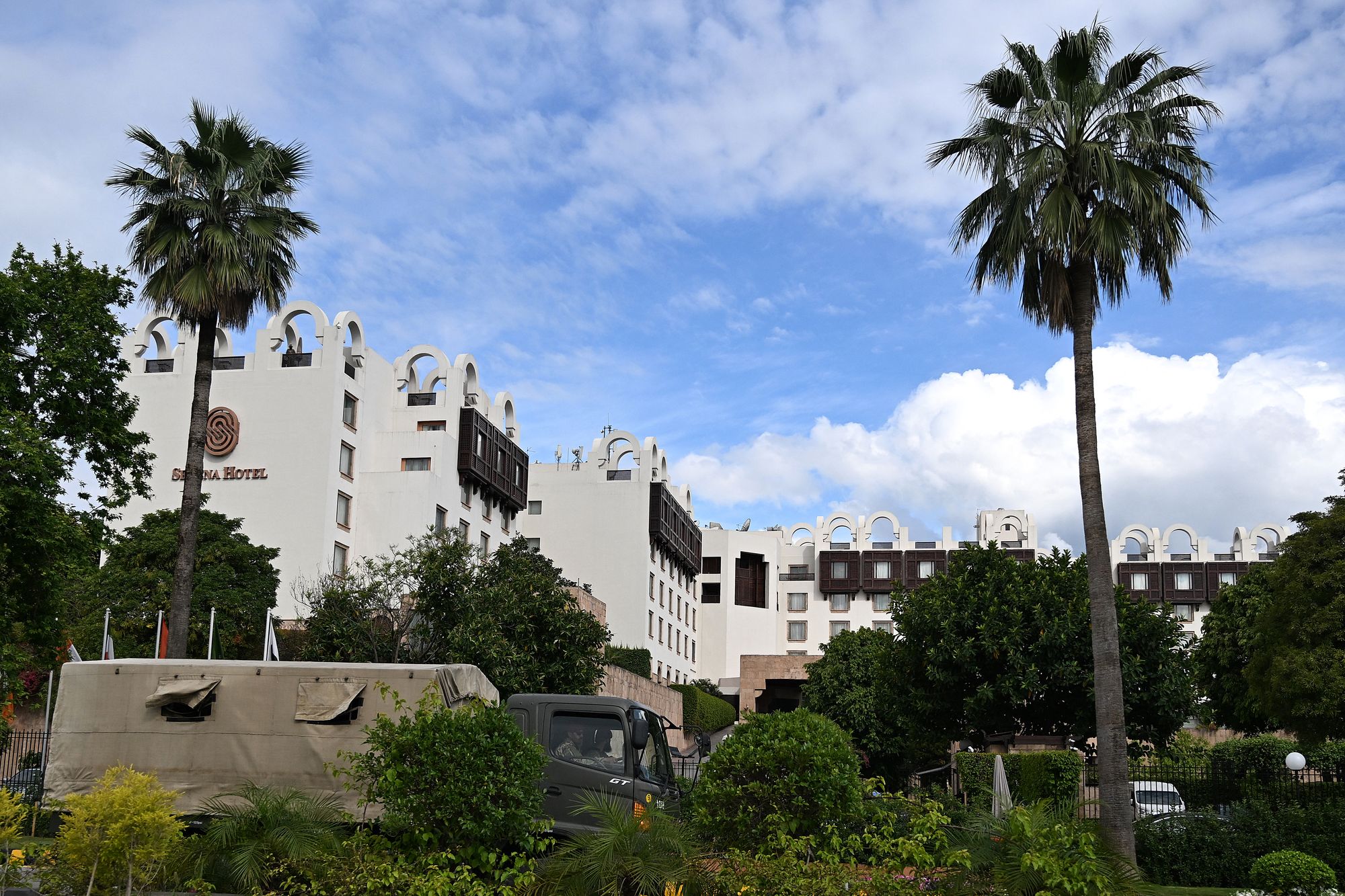
The Red Zone, a significant area housing key government offices and foreign missions, remains under tight security due to ongoing threats of terrorism. A suicide bombing in Islamabad earlier this year highlighted these risks, contributing to heightened tensions with neighboring Afghanistan, which Pakistan accuses of harboring insurgents responsible for attacks on its territory.
“Given those risks, the lack of preparation time, and the high-profile nature of these talks, this is a very challenging visit from a security perspective and speaks to the importance this administration places on the negotiations,” stated Elizabeth Threlkeld, director of the South Asia Program at the Stimson Center.
The US delegation is expected to be led by Vice President JD Vance, while Iran will be represented by Foreign Minister Abbas Araghchi and Parliament Speaker Mohammad Bagher Ghalibaf. Additionally, Gulf nations like Qatar and Saudi Arabia may send representatives to Islamabad for parallel discussions.
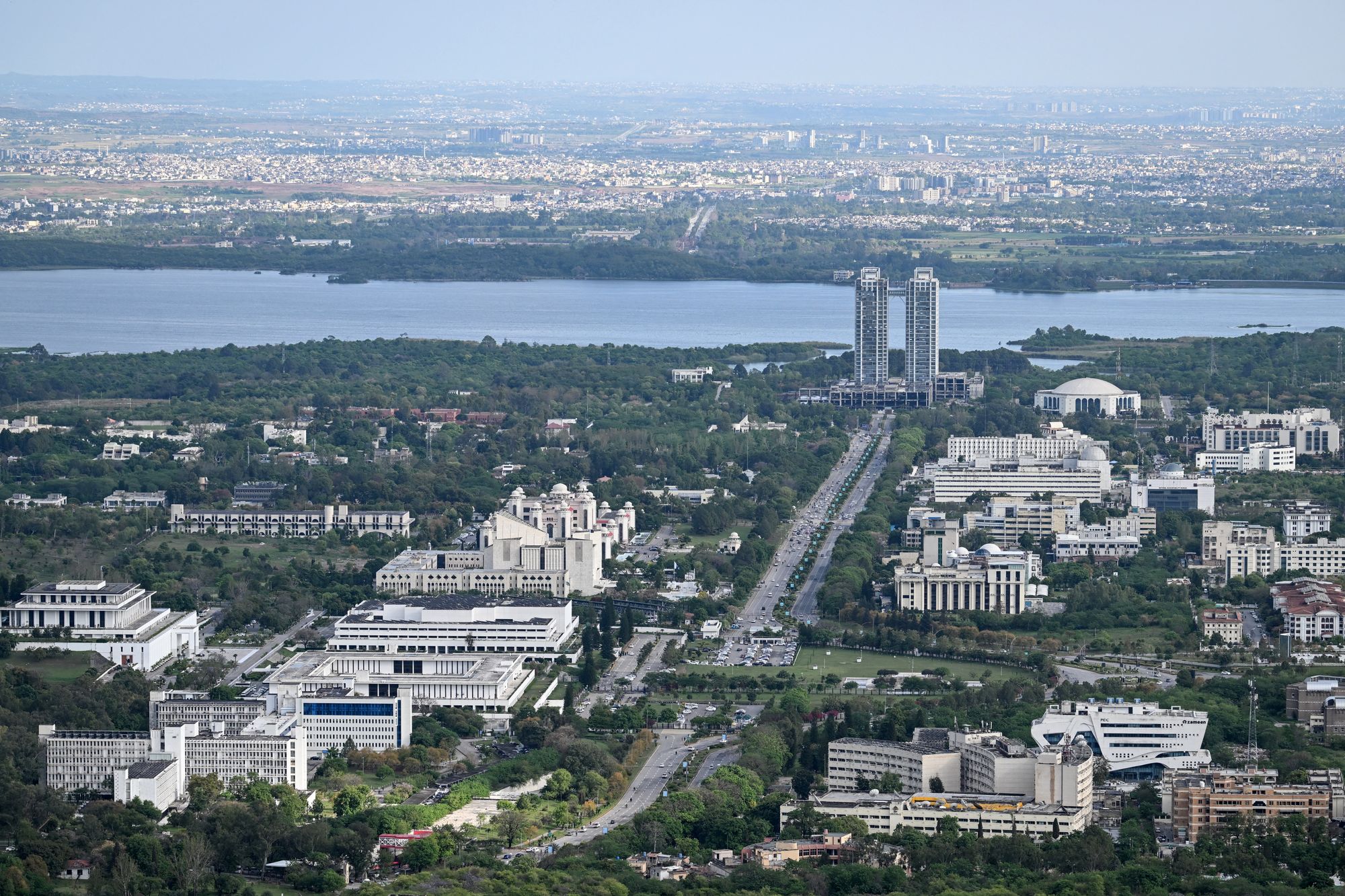
Pakistani Interior Minister Mohsin Naqvi reassured US chargé d’affaires Natalie Baker about comprehensive arrangements for the visiting diplomats. Reports indicate that a 30-member US team is already in Islamabad assessing security protocols.
Security analyst Zahid Hussain emphasized that Pakistan's challenge extends beyond merely safeguarding the venue; it also involves ensuring that external forces do not disrupt diplomatic efforts. “What it lacks is meaningful leverage to compel concessions if the US and Iran are not willing to come to terms,” Threlkeld noted, highlighting Pakistan's limited influence in these negotiations.