Should You Ditch Your HomeGoods Finds? Experts Analyze Viral Lead Testing Video
Scrolling through social media often reveals alarming claims about health risks lurking in everyday items. Recently, a viral video featuring products from HomeGoods has sparked widespread concern over potential lead contamination.
The video, created by an Instagram user known as The Lead Lady, showcases her testing various dishes—teacups, mugs, plates, and bowls—purchased from HomeGoods. With over 15 million views, the footage suggests that several items tested positive for lead using a consumer testing device. However, experts caution that this method lacks precision, and it remains uncertain whether these findings were verified by a more authoritative source. Notably, the user appears to have collaborated with the lead testing device brand for this post.
Expressing her worries about lead exposure standards set by the Environmental Protection Agency, The Lead Lady stated, “My personal experience with lead exposure led me down a much deeper path than I ever expected.” She emphasized her shock at the test results and felt compelled to share her findings.
HomeGoods has yet to respond to inquiries regarding the video. Meanwhile, experts are divided on the validity of the claims made in the viral content. Nevertheless, the public's anxiety about lead's health implications is palpable. Lead exposure can lead to severe health complications, particularly in children. Understanding lead safety and its presence in household items is crucial.
“In the United States, consumer goods really shouldn’t have lead in them,” remarked Dr. Adam Blumenberg, an associate professor of emergency medicine at Columbia University Medical Center. “Yet sometimes they make their way into the marketplace.”
Dr. Diane Calello, medical director at Rutgers New Jersey Medical School, pointed out that common sources of lead exposure include deteriorating lead paint in older homes. “When that starts to peel and create dust, it becomes a risk,” she explained.
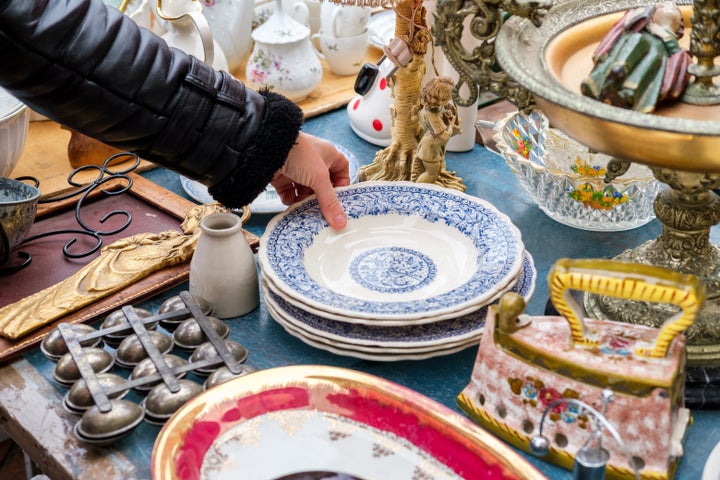
Lead can also be found in pottery and ceramics, either in the paint or glaze. “Contaminated foods can also pose a risk,” Calello added, noting that products may inadvertently reach store shelves if they originate from abroad or are antiques.
View this post on Instagram
“Antique or imported are the two primary things,” Calello noted, emphasizing that most brands adhering to U.S. manufacturing standards typically do not produce lead-containing items.
The NYC Health Department provides resources on ceramics and lead safety, highlighting that traditional or handmade dishware from certain countries may contain high levels of lead. “We actually do occasionally see people getting sick from these,” Blumenberg warned, explaining that acidic foods can leach lead from glazes.
“Lead is ubiquitous in our environment,” Calello stated. “It’s a naturally occurring element.” While we are all exposed to trace amounts of lead, excessive exposure poses significant health risks.
“Being exposed to lead is a health hazard, especially for young kids,” Dr. Matthew Correia from Oregon Health & Science University cautioned. “It can affect intelligence and behavior.”
Lead exposure can also contribute to heart disease and other health issues in adults. In rare cases, extreme lead exposure can be life-threatening, leading to brain swelling and seizures.
Routine lead testing for children is recommended, typically conducted through blood tests at ages one and two. “The blood-lead level is the best way to know if you’ve been exposed,” Calello explained.
If a child’s blood test shows no lead exposure, that’s reassuring; however, even small amounts can necessitate removing the source of exposure. For higher levels, medical intervention may be required.
While lead exposure is a genuine concern, most household products are safe. “Most items we use for food and drink do not contain lead,” Calello reassured.
However, just because a consumer test indicates lead doesn’t mean panic is warranted. The tool used in the viral video lacks government approval for testing lead contamination. “From a regulation standpoint, it’s still kind of in early phases,” Correia noted.
Moreover, it’s unclear if the test results were validated by an official entity like the EPA. “There are more sensitive and reliable measurement methods,” Calello stated regarding the testing tool used in the video.
While consumer tests may suggest lead presence, they do not quantify how much is present or whether it poses a real risk. “There’s a lot more questions than just the ‘yes’ or ‘no’ shown in that video,” Calello added.
Your local public health department is best equipped to determine whether an item contains lead and assess any associated risks.
“Broad strokes advice: purchase from reputable sellers,” Blumenberg advised. While no solution guarantees complete safety, buying new items from trusted sources minimizes risk.
If you suspect an item contains lead, cease using it immediately and consult your local public health department or utilize EPA-approved testing kits.
Consumer test kits can be costly and may not always yield accurate results; thus, professional consultation is recommended.
If a cherished heirloom tests positive for lead, there’s no need to discard it; simply refrain from using it for food or drink. “If there’s any question... just about every region in the United States has a local poison center available 24/7,” Blumenberg said. The toll-free number is 1-800-222-1222.
A professional can provide tailored advice rather than relying solely on social media videos.