Supreme Court's Tariff Ruling Sparks Refund Frenzy Among Companies
Containers tower at the Port of Long Beach, California, as companies scramble for refunds after a landmark Supreme Court ruling on tariffs. The court's decision on Friday dismantled President Trump's significant tariffs, leaving a staggering $133 billion question in its wake: what happens to the import taxes already collected?
With the ruling now in play, businesses are lining up to reclaim their funds. However, the path to refunds is expected to be anything but straightforward. "It's going to be a bumpy ride for a while," remarked trade lawyer Joyce Adetutu from Vinson & Elkins, hinting at the complexities ahead.
The refund process will likely involve a collaboration between the U.S. Customs and Border Protection agency, the specialized Court of International Trade in New York, and various lower courts, according to insights shared by Clark Hill attorneys. "The amount of money is substantial," Adetutu noted, emphasizing the challenges both courts and importers will face.
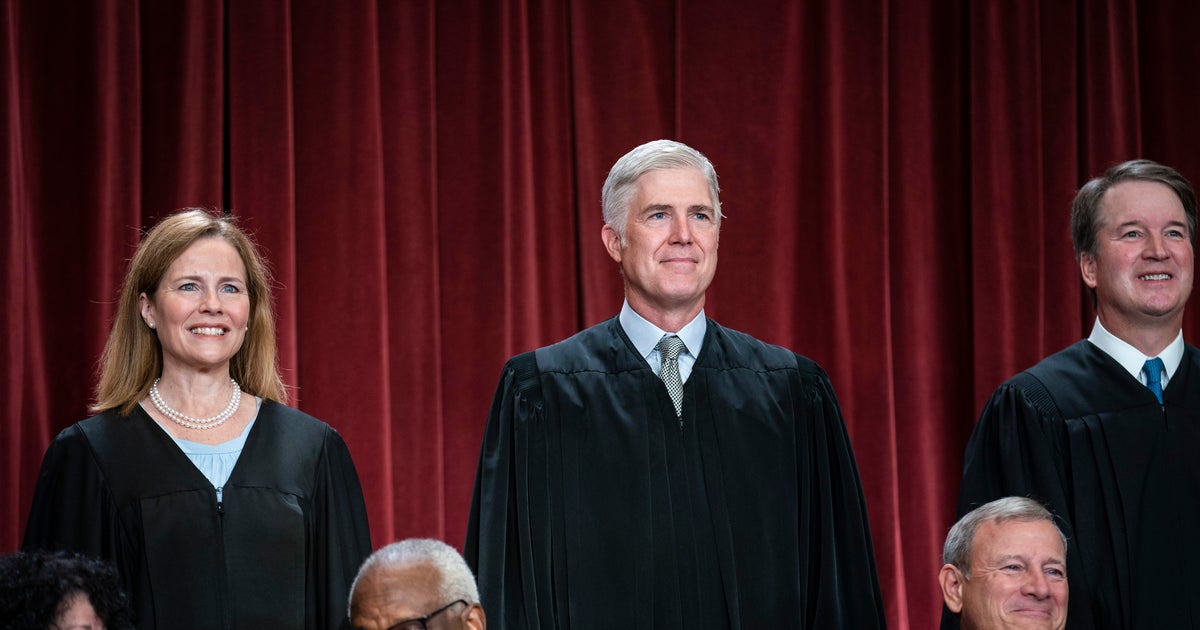
Despite the hurdles, Adetutu expressed optimism about the possibility of refunds, given the Supreme Court's decisive rejection of Trump's tariffs. The court's 6-3 opinion stated that Trump's use of an emergency powers law to impose tariffs was invalid, with two justices appointed by Trump siding with the majority.
Last year, Trump enacted double-digit tariffs on nearly all countries by invoking the 1977 International Emergency Economic Powers Act (IEEPA). The Supreme Court clarified that this law does not grant the president authority to tax imports—a power reserved for Congress.
As of mid-December, the customs agency had amassed $133 billion from IEEPA tariffs. However, consumers may not see refunds for the inflated prices they paid; those funds are more likely to benefit the companies themselves.
Justice Brett Kavanaugh criticized his colleagues for sidestepping the refund issue in his dissenting opinion: "The Court says nothing today about whether, and if so how, the Government should go about returning the billions of dollars that it has collected from importers." He echoed concerns raised during hearings about the potential chaos of the refund process.
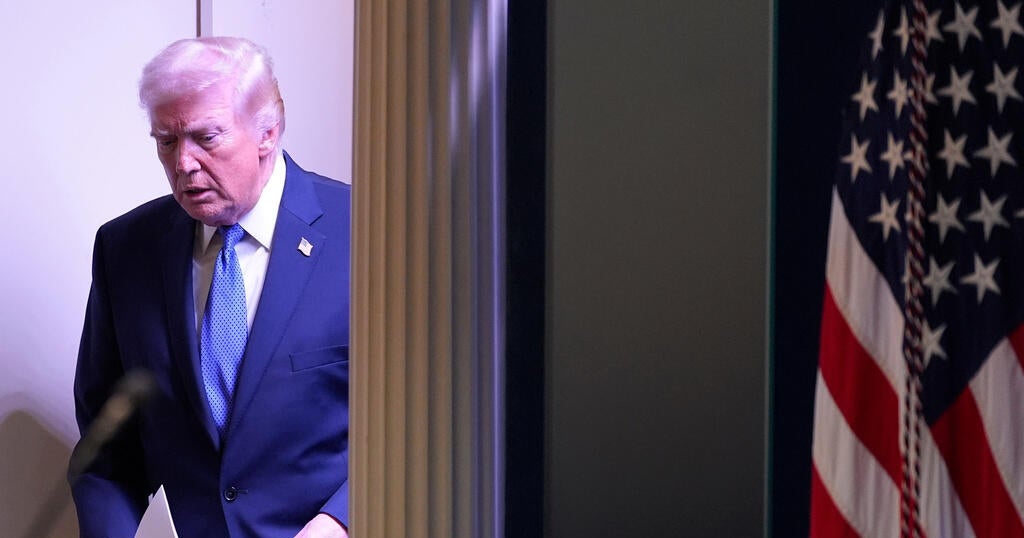
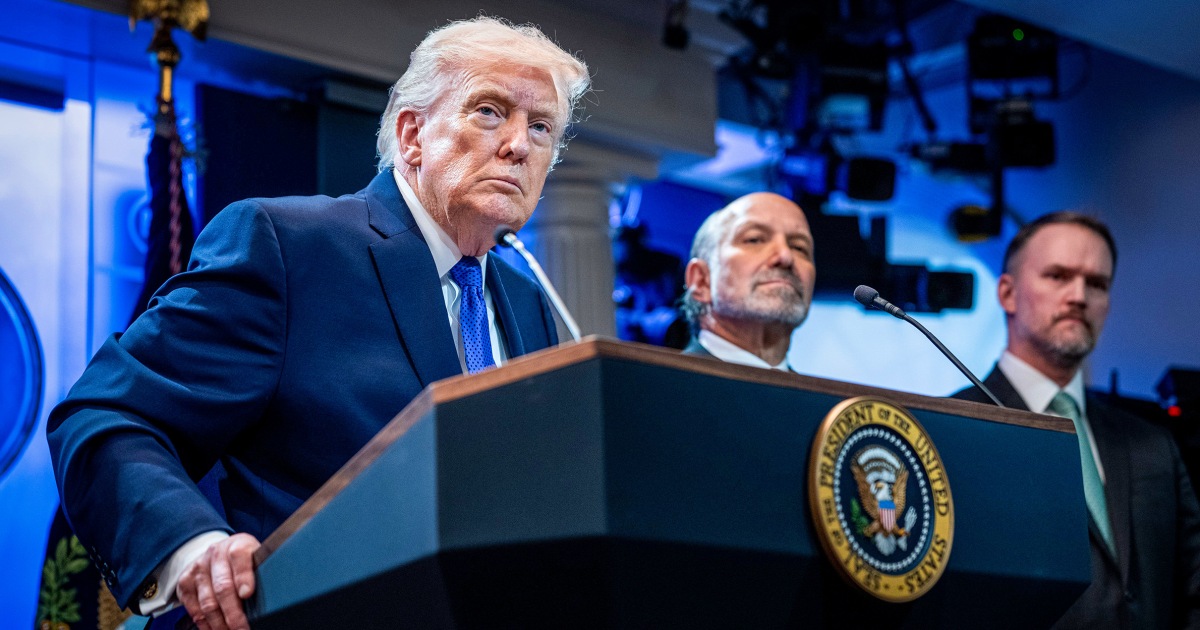
Trump himself weighed in at a press conference, expressing his discontent with the ruling and predicting prolonged litigation: "I guess it has to get litigated for the next two years." He voiced his disappointment with certain justices who ruled against his tariffs, suggesting that legal battles could extend for five years.
The termination of IEEPA tariffs may alleviate some inflationary pressures on the economy. Refunds could stimulate spending and growth, although experts predict modest impacts overall. Many countries still face high tariffs from the U.S., and Trump plans to implement alternative measures in place of IEEPA levies. The rollout of any refunds is expected to take 12 to 18 months, according to TD Securities.

The customs agency has a framework for refunding duties when importers demonstrate errors. Trade lawyer Dave Townsend suggested that this existing system might be adapted to handle refunds for IEEPA tariffs. Historical precedents exist where courts have facilitated refunds in trade cases, such as a harbor maintenance fee deemed unconstitutional in the 1990s.
However, this situation is unprecedented—thousands of importers seeking tens of billions in refunds simultaneously presents unique challenges. "Just because the process is difficult to administer doesn't mean the government has the right to hold on to fees that were collected unlawfully," stated trade lawyer Alexis Early.
Ryan Majerus, a former U.S. trade official, noted uncertainty surrounding how the government will manage refund requests. A streamlined process may emerge, potentially including a dedicated website for claims. Yet Adetutu cautioned that "the government is well-positioned to make this as difficult as possible for importers," possibly shifting much of the burden onto them.
Several companies, including Costco and Revlon, preemptively filed lawsuits seeking refunds even before the Supreme Court's decision, positioning themselves favorably should tariffs be overturned. Legal disputes are anticipated as manufacturers may pursue claims related to refunds given to suppliers who raised raw material prices due to tariffs.
"We may see years of ongoing litigation in multiple jurisdictions," Early predicted. Consumers are unlikely to benefit from significant refunds; attributing higher prices directly to specific tariffs could prove challenging. While pursuing refunds might not be advisable due to potential legal costs, Early acknowledged that "in America, we have the ability to file a lawsuit for anything we want."
Illinois Governor JB Pritzker has demanded a refund on behalf of his state's households, claiming each has lost $1,700 due to tariffs—totaling $8.7 billion. He warned that failure to comply would lead to "further action." Meanwhile, Nevada Treasurer Zach Conine has requested $2.1 billion from the federal government to recover tariff costs incurred by Nevada families.