


Trump Administration Dismisses Newly Appointed Eastern Virginia Prosecutor Hours After Judges' Selection
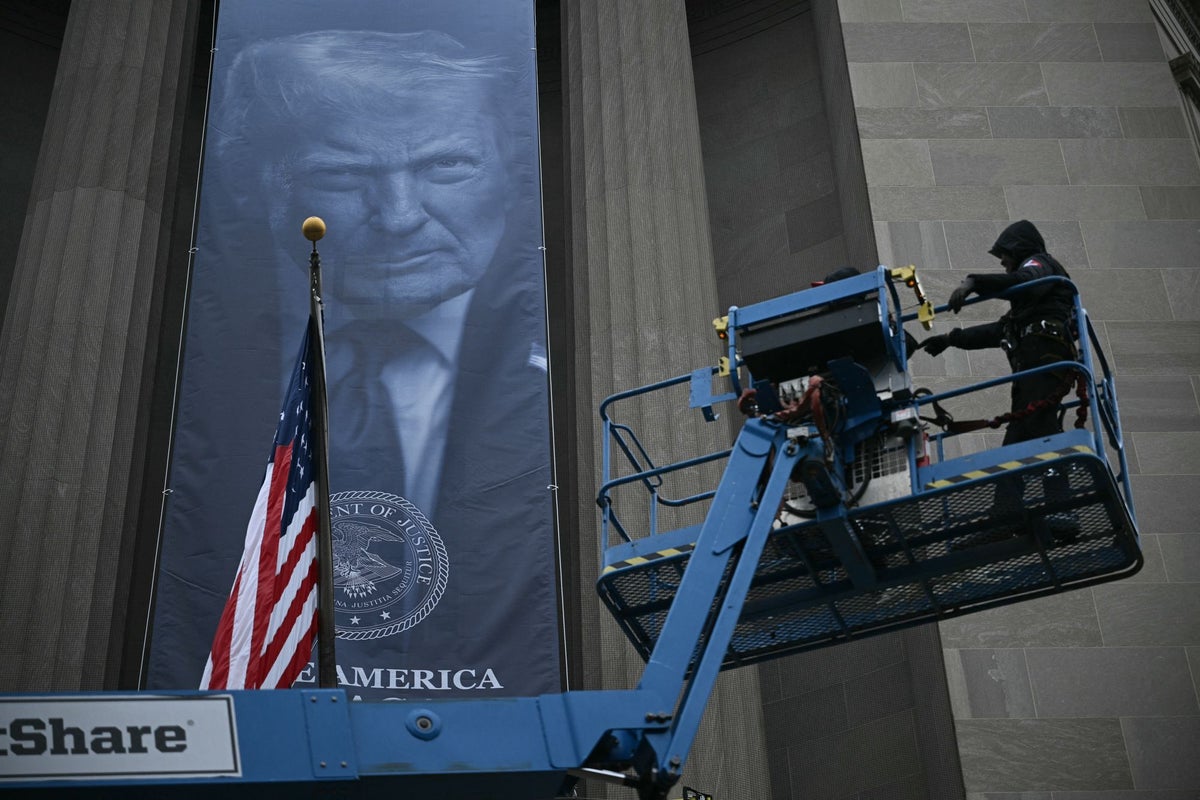
Judges in the Eastern District of Virginia appointed James W. Hundley as interim U.S. attorney on Friday, only for the Trump administration to fire him shortly thereafter. This incident marks a significant escalation in the ongoing conflict between the executive branch and the judiciary regarding the appointment of federal prosecutors.
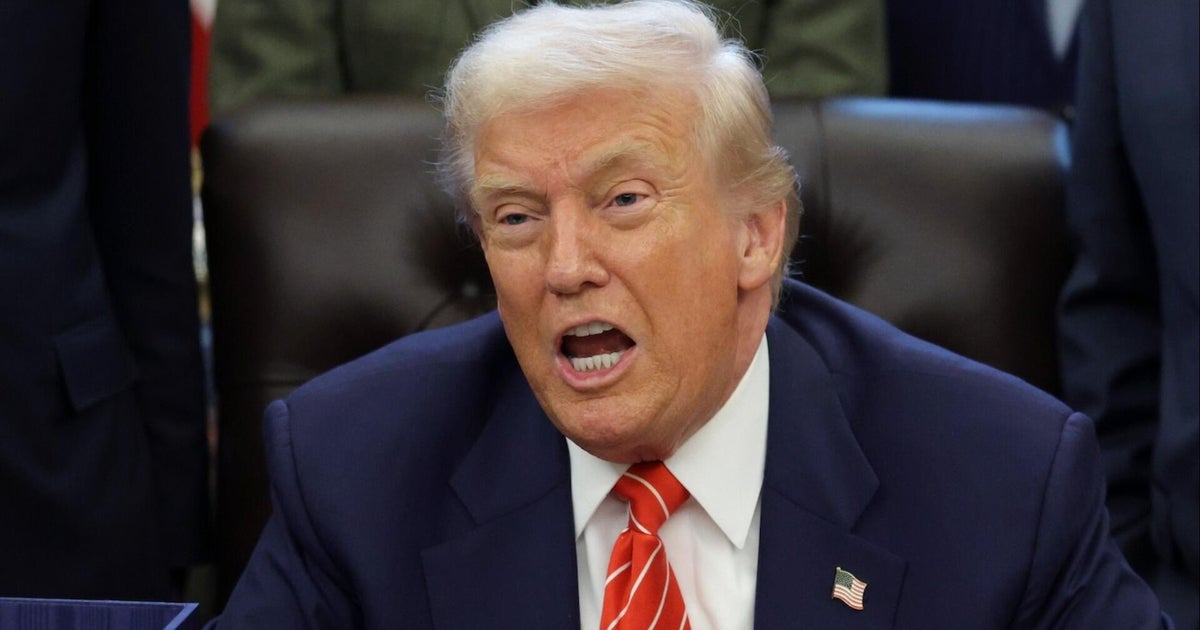
Deputy Attorney General Todd Blanche took to social media to announce Hundley's dismissal, stating, "Here we go again. EDVA judges do not pick our US Attorney. POTUS does. James Hundley, you're fired!" This is the second time this month that a prosecutor selected by federal judges has been abruptly removed from their position.
The judges' decision to appoint Hundley came after concerns about the legality of previous appointments. The Eastern District's leadership has been in turmoil since Erik Siebert resigned in September, following his doubts about evidence related to investigations involving former FBI Director James Comey and New York Attorney General Letitia James.
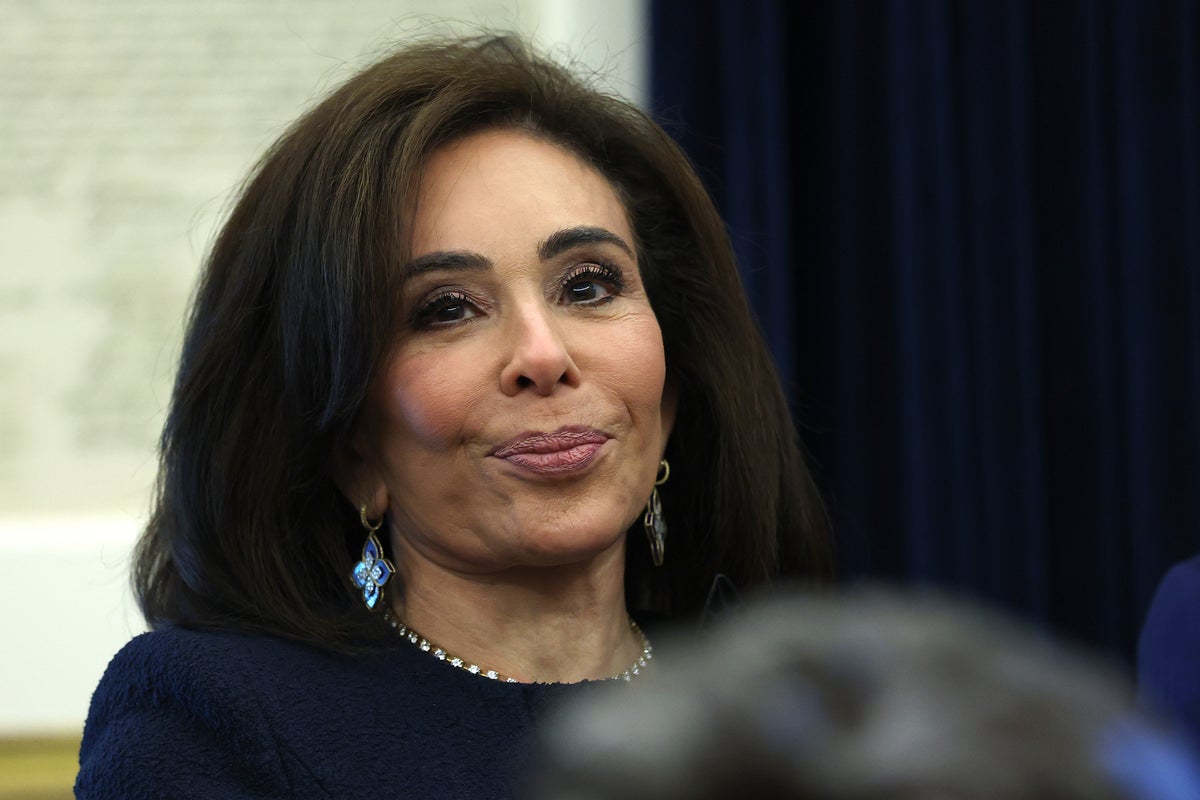
After Siebert's exit, Lindsey Halligan was named interim U.S. attorney but faced scrutiny when she secured grand jury indictments against Comey and James. A judge later invalidated those indictments, ruling that Halligan's appointment was unlawful due to federal regulations limiting interim roles to 120 days.
U.S. District Judge Cameron Currie emphasized that Halligan's tenure exceeded legal limits, as Siebert's appointment had been extended by judges in the district. The Justice Department contends it has the authority to appoint interim U.S. attorneys without Senate confirmation unless explicitly denied by the Senate.
Currie's ruling prompted an appeal from the Justice Department, which has faced backlash for allegedly circumventing the Senate confirmation process for U.S. attorneys. Critics argue that this undermines judicial independence, while the administration maintains that it is exercising its constitutional rights.
In a similar situation last week, a new appointee for the Northern District of New York was also dismissed shortly after being named, with Blanche reiterating that judges do not have the authority to select U.S. attorneys, citing Article II of the Constitution.
The ongoing disputes highlight a broader pattern across multiple states, including New York, New Jersey, California, and Nevada, where federal judges have ruled against Trump administration-appointed temporary U.S. attorneys. The tension between judicial authority and executive power continues to unfold as both sides navigate this contentious landscape.
As this saga develops, it remains to be seen how the administration will respond to ongoing judicial challenges and whether further appointments will face similar fates.