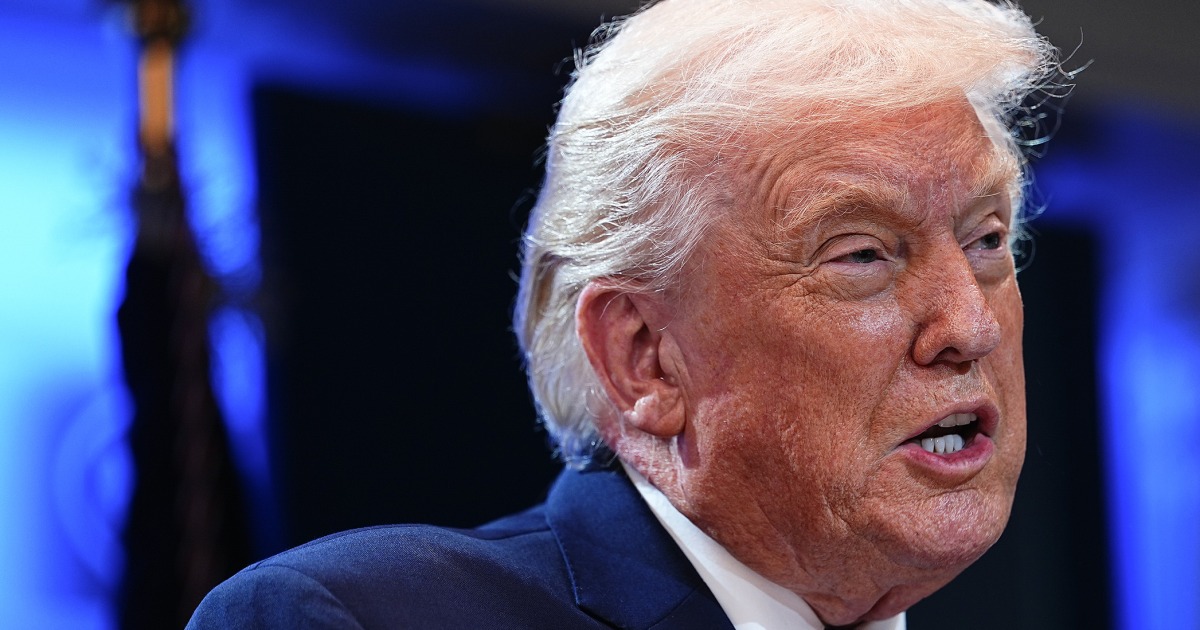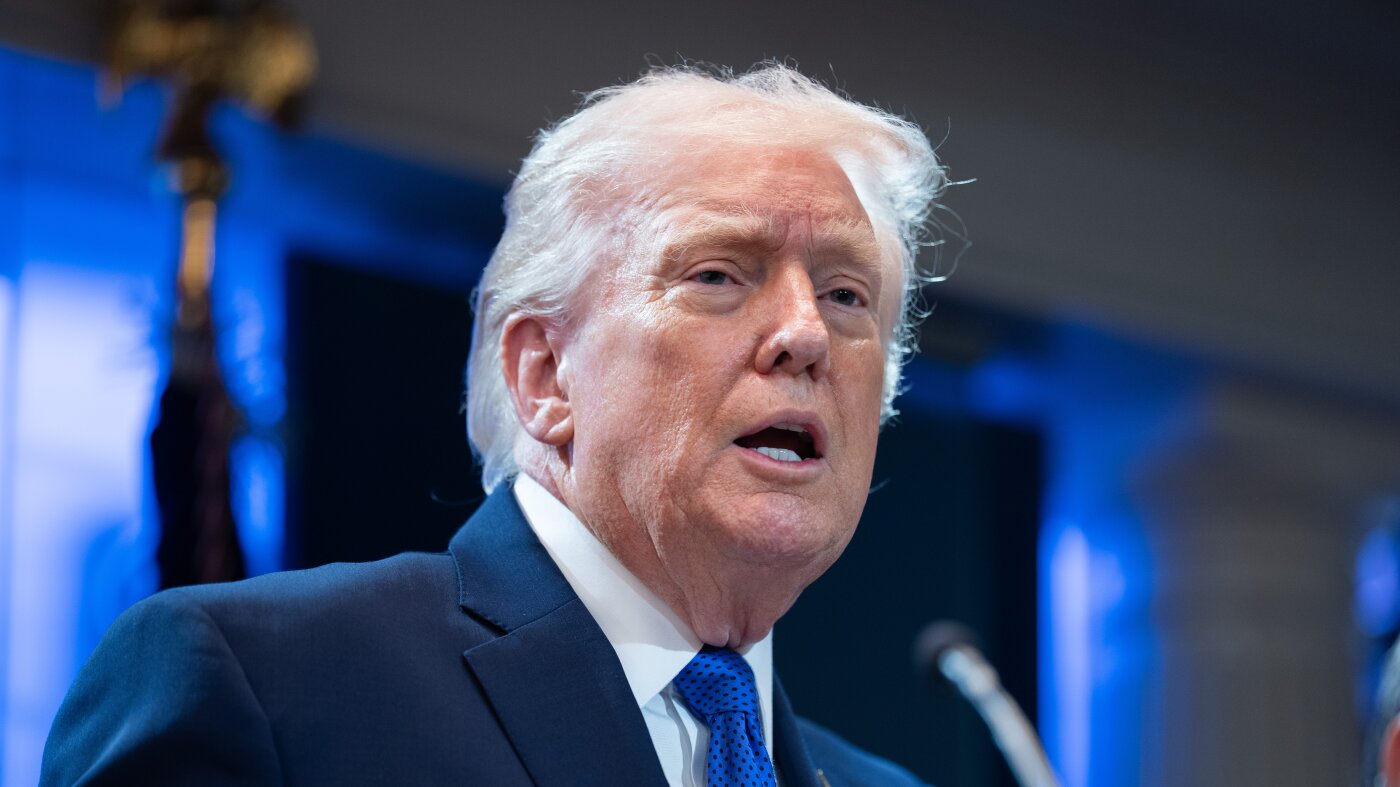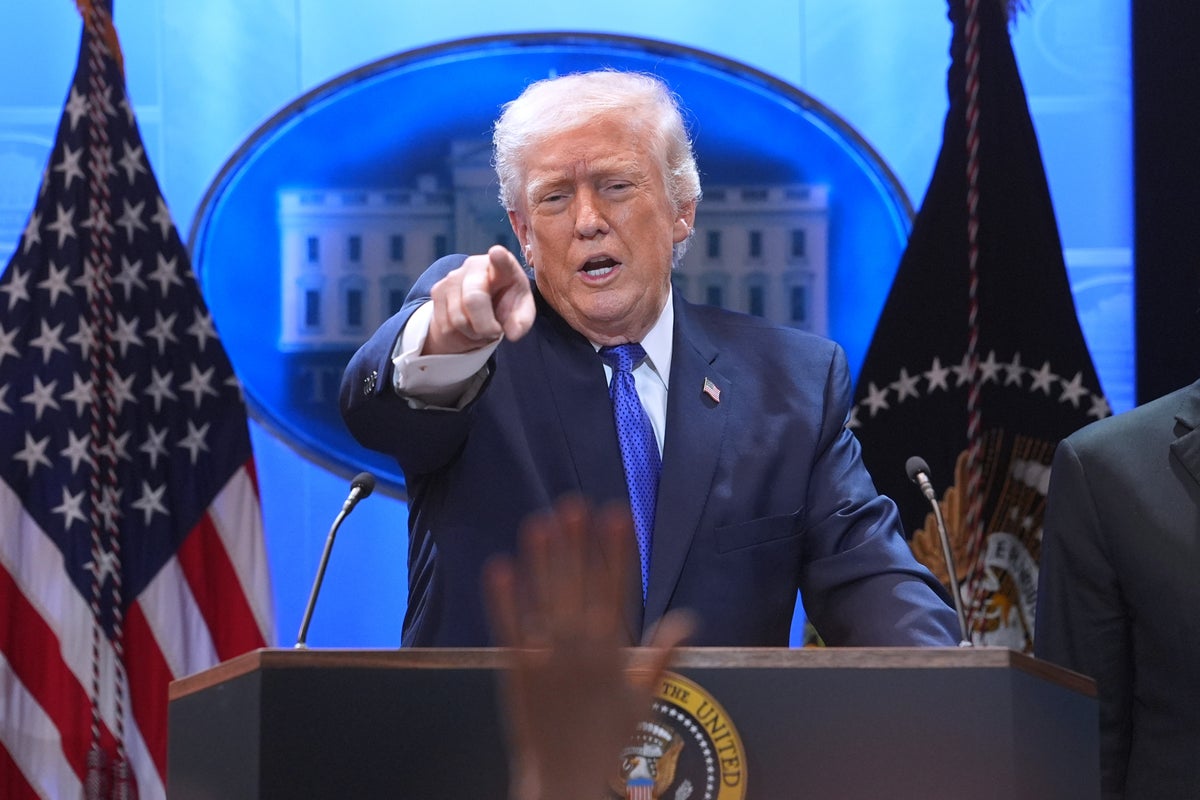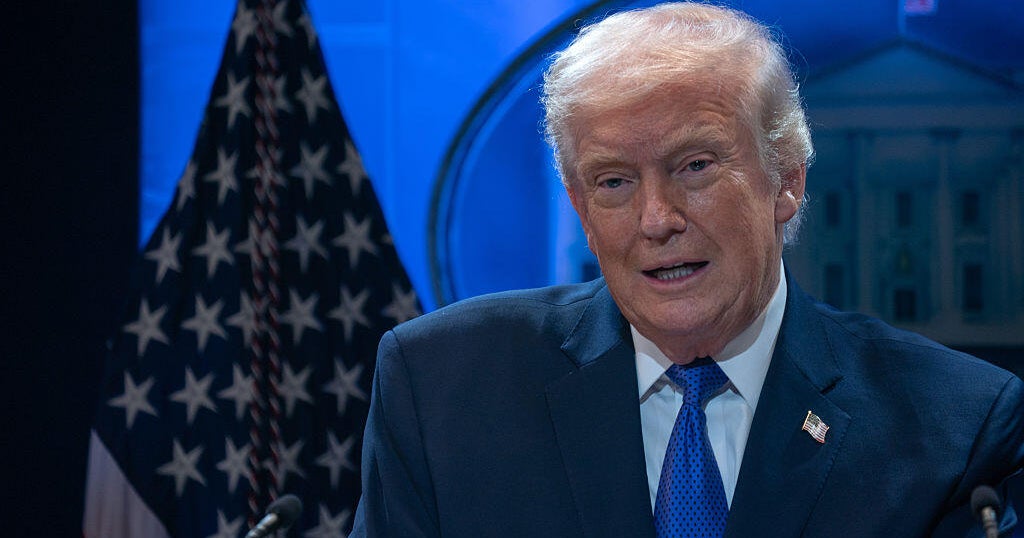

“Effective immediately,” President Trump declared on Saturday, announcing a rise in global tariffs to 15 percent via a post on Truth Social.
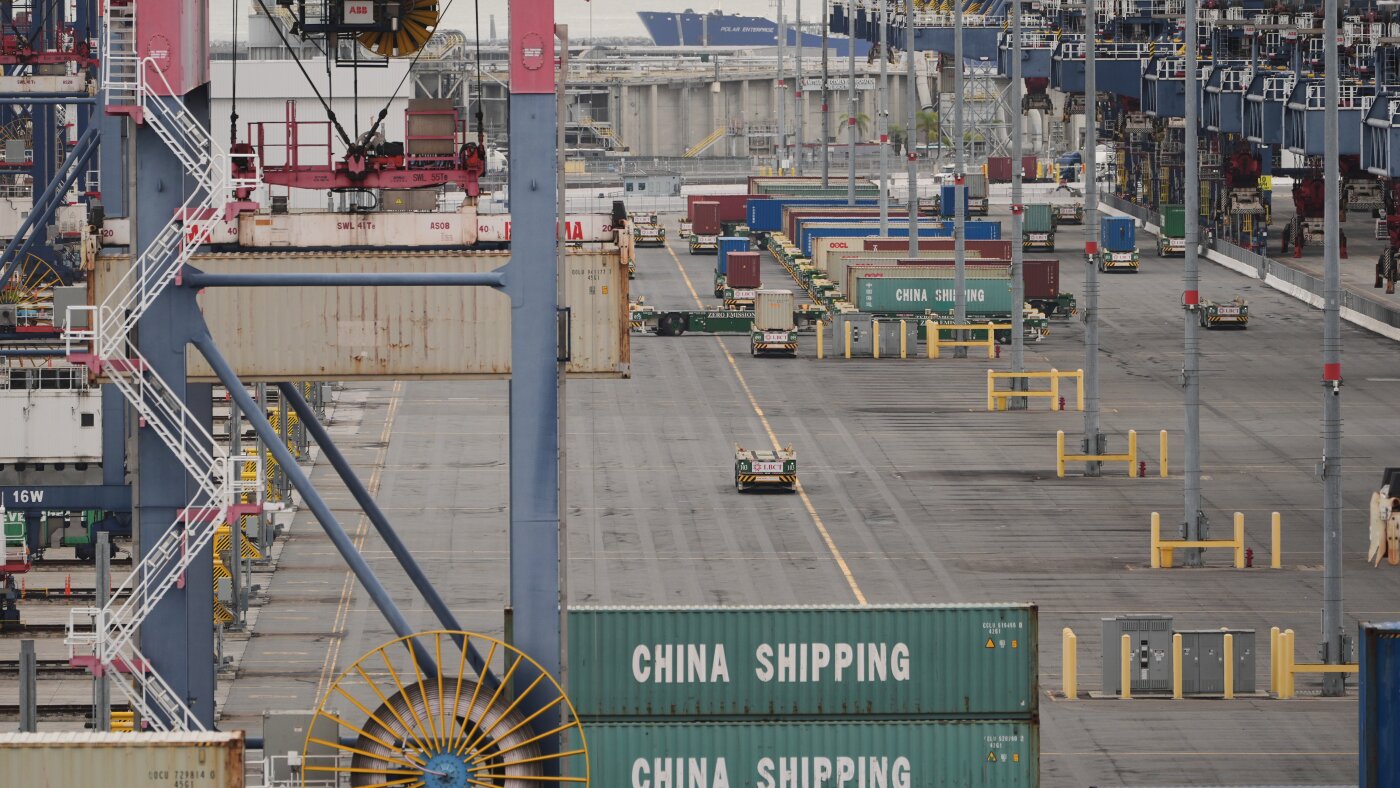
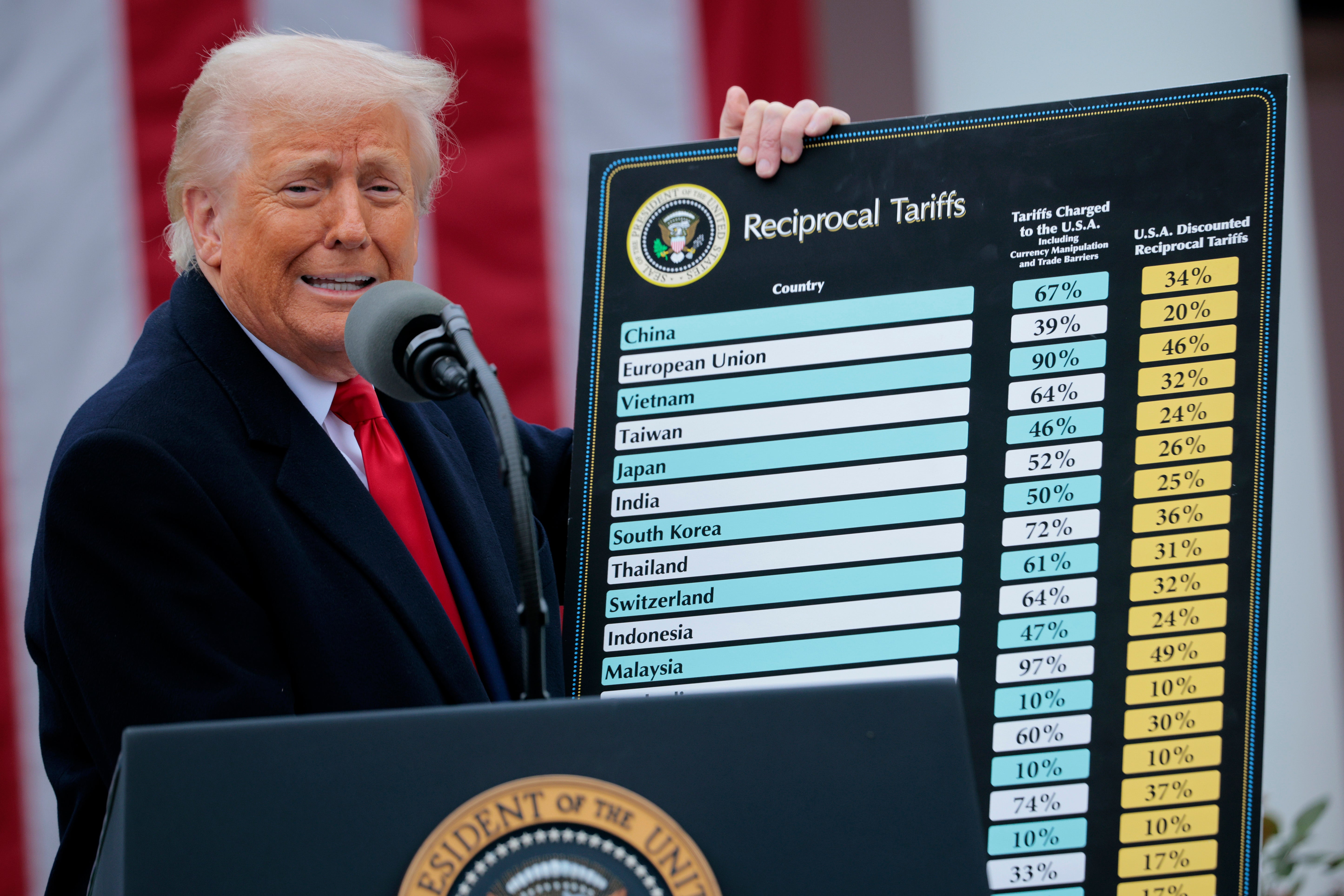
This announcement followed a U.S. Supreme Court ruling on Friday that deemed Trump’s previous global tariffs, enacted under the International Emergency Economic Powers Act, unlawful. The president had previously imposed hefty tariffs, including a staggering 50 percent on India and 34 percent on China, which were later adjusted.
In a heated response from the White House briefing room, Trump expressed his discontent with the Supreme Court's 6-3 decision, labeling it “deeply disappointing” and expressing shame towards the Republican appointees who did not support his policy.
By Friday evening, he took to Truth Social again, announcing an executive order that would allow him to impose a 10 percent tax on imports globally. “It is my Great Honor to have just signed, from the Oval Office, a Global 10% Tariff on all Countries, which will be effective almost immediately,” he stated.
However, less than a day later, Trump escalated the tariffs to 15 percent, citing a “thorough, detailed, and complete review” of the Supreme Court's ruling as justification.
“Let this statement serve as notice that I will be raising the 10% Worldwide Tariff on Countries that have been ‘ripping’ the U.S. off for decades to the legally permissible 15% level,” he proclaimed.
He further emphasized that the Trump Administration would soon announce new tariffs as part of their ongoing effort to “Make America Great Again - GREATER THAN EVER BEFORE!!!”
The White House amplified Trump’s announcement through its official X account on Saturday.
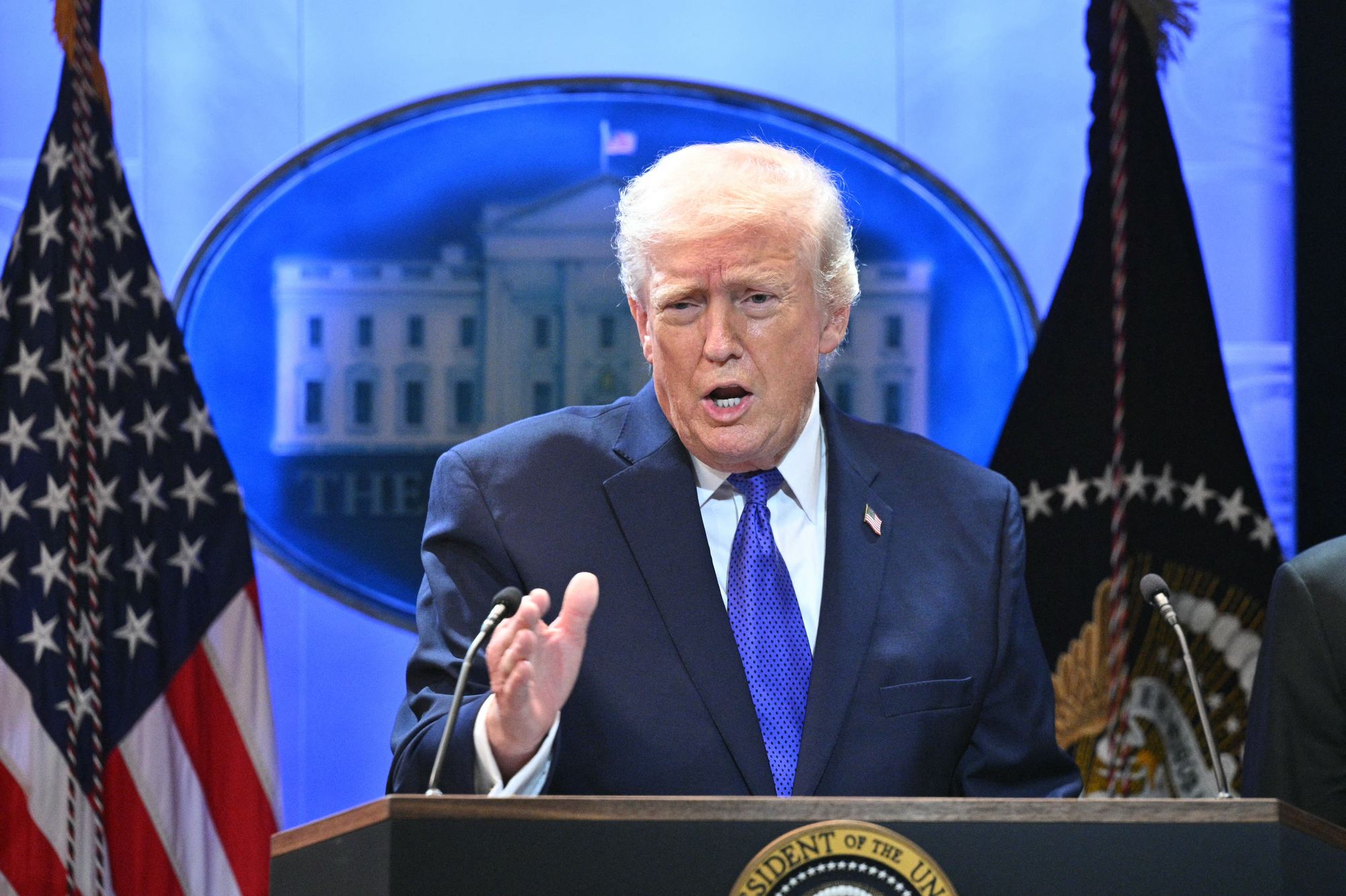
In a separate post, Trump praised Justice Brett Kavanaugh as his “new hero” for siding with him in the court ruling, alongside Justices Clarence Thomas and Samuel Alito.
The announcement of the 15 percent tariffs has left America’s trading partners, including the U.K., in a state of uncertainty.
Will Bain, head of trade policy at the British Chambers of Commerce, criticized the move as “bad for trade, bad for U.S. consumers and businesses,” urging for clarity and stability instead of higher tariffs.
A spokesperson for the U.K. government assured continued support for businesses while they await further details on how the ruling will impact tariffs.
Democrats swiftly condemned Trump’s tariff increase, framing it as a “tax on the American people.” California Governor Gavin Newsom remarked on X that “Donald Trump just announced a NEW 15% TAX on the American people,” asserting that he “does not care about you.”
Massachusetts Senator Elizabeth Warren added her voice to the criticism, stating, “When someone illegally takes your money, that’s called stealing,” accusing Trump of imposing illegal tariffs that have inflated prices across various sectors.
Rep. Ted Lieu of California labeled Trump a “crybaby,” suggesting that the president was retaliating against the Supreme Court’s decision by increasing tariffs.
After the court's ruling, Trump indicated he would utilize the 1974 Trade Act to pursue his tariff agenda. However, this act limits tariffs to a maximum of 15 percent and restricts their duration to 150 days unless Congress intervenes.
Chief Justice John Roberts noted in the ruling that Trump must provide clear congressional authorization for such broad tariff powers.
Conservative Justices Neil Gorsuch and Amy Coney Barrett joined Roberts in ruling against Trump, alongside liberal Justices Sonia Sotomayor, Elena Kagan, and Ketanji Brown Jackson.
Despite anticipating a negative ruling, Trump and his aides had prepared alternative methods for taxing imports—though these options are significantly more limited than his previously asserted powers.
The president has also hinted at invoking Section 338 of the 1930 Tariff Act to impose tariffs as high as 50 percent on imports from countries perceived to discriminate against American products. This section has historical ties to the Smoot-Hawley tariff during the Great Depression but has not been utilized by modern presidents.
The Supreme Court ruling specifically affects tariffs imposed under the 1970s law; however, other tariffs targeting specific sectors like aluminum and steel remain intact from his first term.
Ariana Baio and Andrew Feinberg contributed to this report.