Trump Refuses to Apologize for Controversial Video Featuring Obamas as Apes

President Trump faced intense scrutiny after sharing a video on social media that depicted former President Barack Obama and former First Lady Michelle Obama as cartoon apes. The video, which was removed shortly after its posting late Thursday night, centered on unfounded claims of election fraud from the 2020 presidential election.
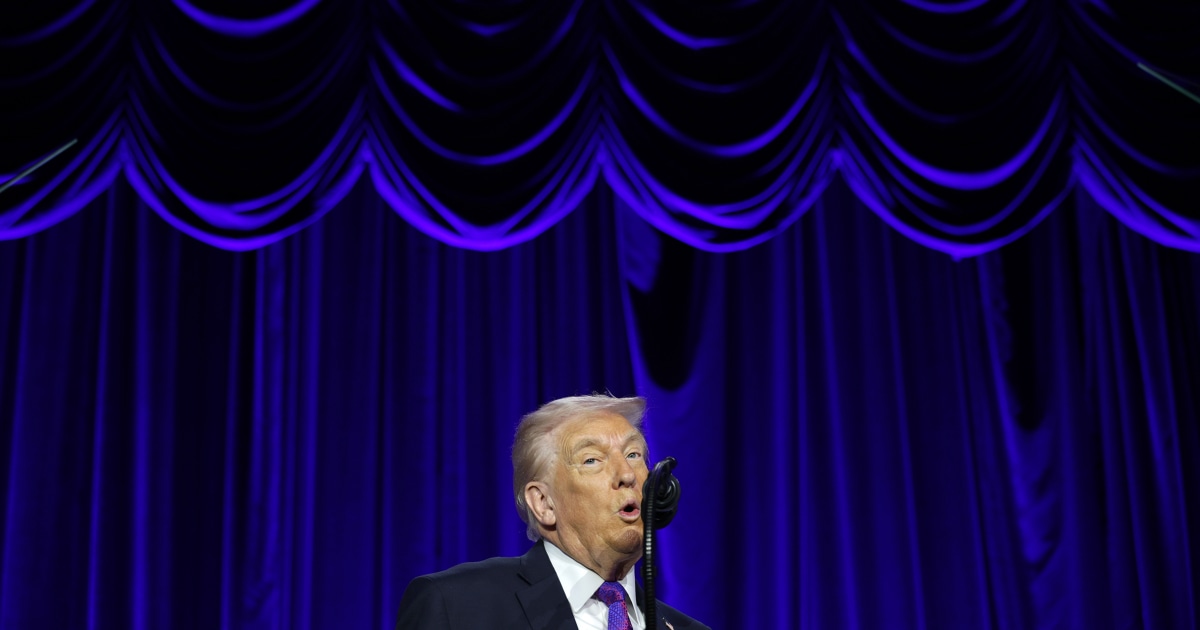
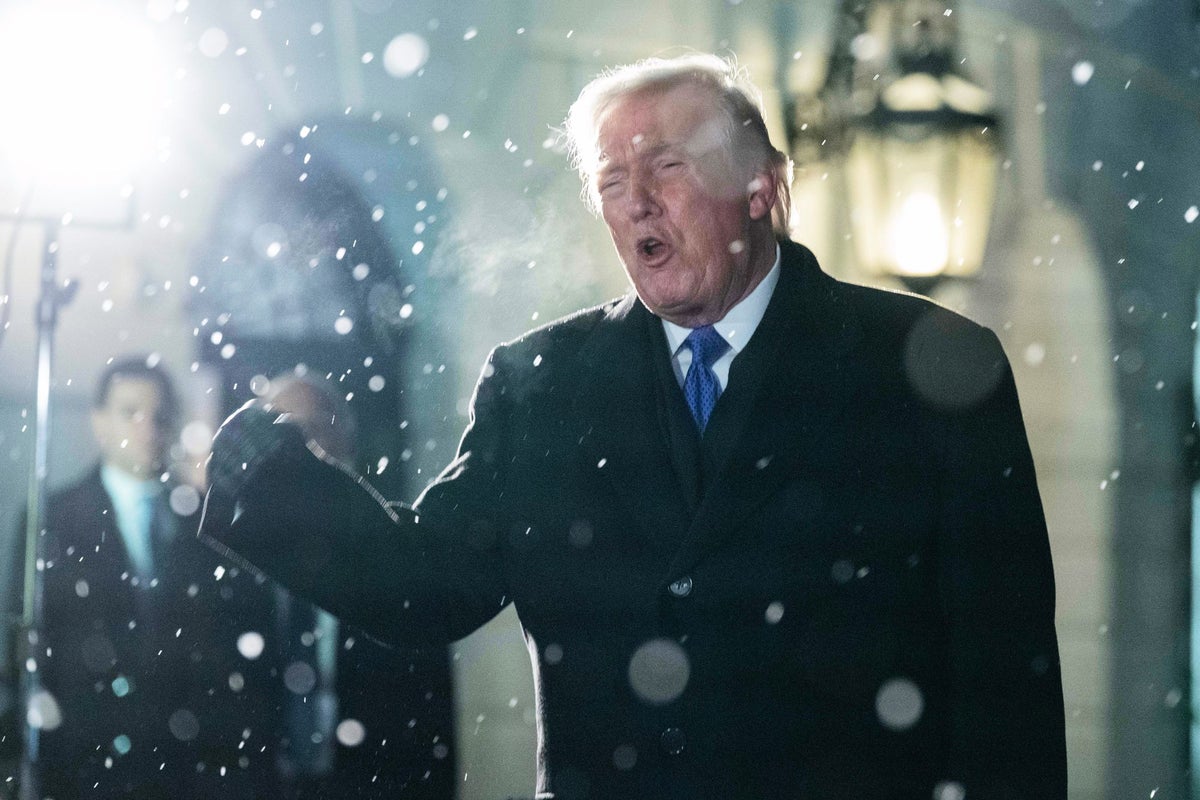
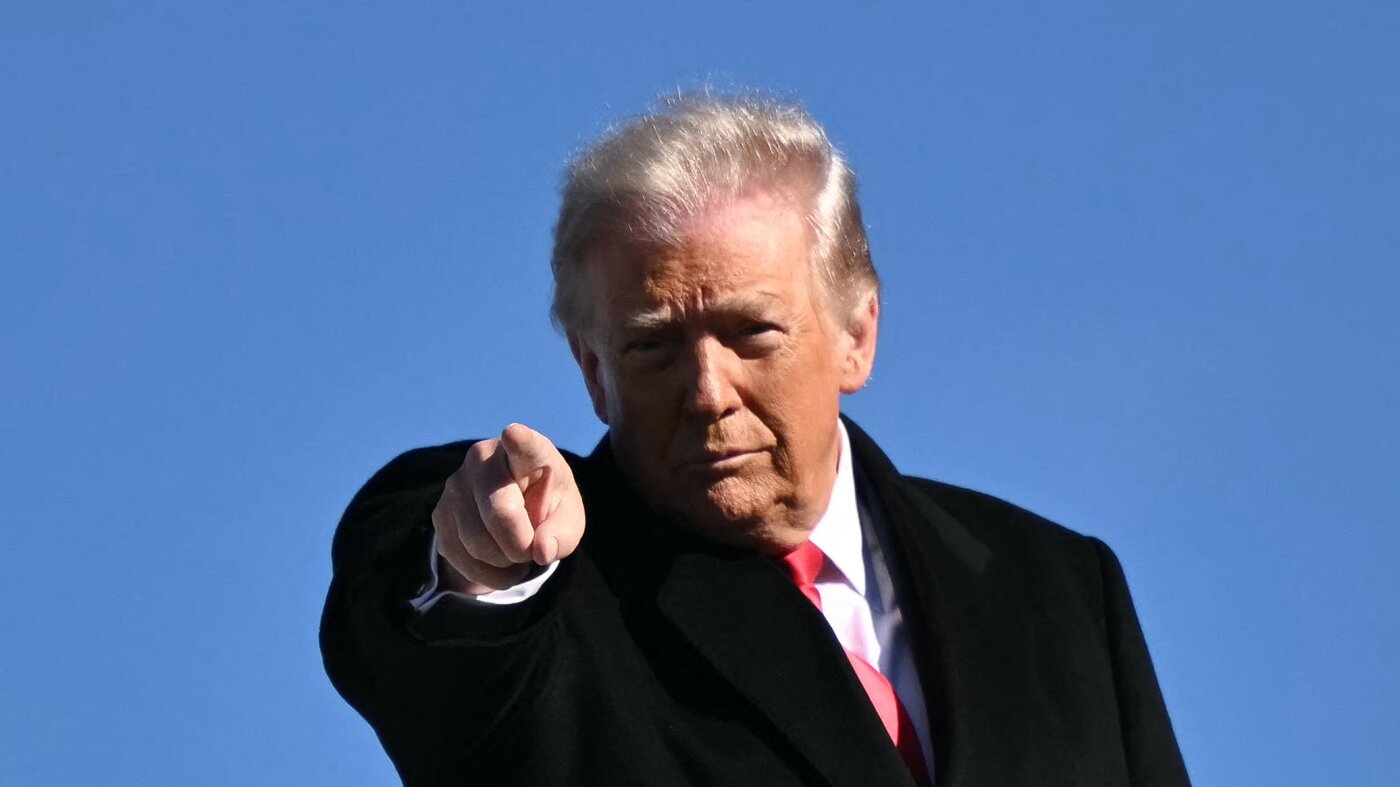
As the video played, it concluded with a jarring image of the Obamas’ faces superimposed on cartoon ape bodies, accompanied by the song “The Lion Sleeps Tonight.” Despite the backlash, Trump stated he would not apologize for the post, asserting, “No, I didn’t make a mistake,” during a conversation with reporters aboard Air Force One.
Initially, the White House defended the video, but it quickly drew condemnation from various quarters, including members of Trump's own party. Republican lawmakers labeled the content “unacceptable” and “racist,” urging Trump to retract the post and issue an apology. The video was taken down just before noon on Friday.
A White House official explained, “A White House staffer erroneously made the post. It has been taken down.” However, when pressed about which staffer was responsible and whether any disciplinary action would be taken, Trump remained evasive.
Trump elaborated on his perspective regarding the video, claiming he only viewed the beginning, which he described as acceptable. “I looked in the first part and it was really about voter fraud in, and the machines, how crooked it is,” he said. “Then I gave it to the people. Generally, they’d look at the whole thing. But I guess somebody didn’t, and they posted.”
The timing of the video’s release coincided with Black History Month, a period dedicated to recognizing the contributions of Black Americans. The imagery invoked long-standing racist stereotypes, particularly given that Barack Obama made history as the first Black president.
White House Press Secretary Karoline Leavitt characterized the incident as a distraction for the media, stating that the video originated from an internet meme portraying Trump as “the King of the Jungle.” She dismissed concerns about its content as “fake outrage.”
Criticism of Trump’s post extended beyond Democrats; several GOP lawmakers expressed their disapproval. South Carolina Senator Tim Scott condemned it as “the most racist thing I’ve seen out of this White House,” while Nebraska Senator Pete Ricketts remarked that even if it was intended as a meme, its racist implications were clear.
Trump acknowledged a conversation with Scott but provided few details. He described Scott as “great” and claimed that Scott understood the situation. However, no apology was offered to Scott or any other critics.
House Minority Leader Hakeem Jeffries labeled Trump “a vile, unhinged and malignant bottom feeder,” questioning why Republican leaders continued to support him. Even after the video’s removal, calls for an apology persisted from various lawmakers.
Mark Burns, a pastor and Trump supporter from South Carolina, stated he advised Trump to fire the staffer responsible for the post. He emphasized that racism must be confronted and accountability is essential for leaders.
In addition to this incident, Trump has faced scrutiny for promoting AI-generated videos targeting political opponents. He has previously shared manipulated clips that have drawn criticism for their offensive content.
In a recent interview, Trump distanced himself from some election conspiracy theories he has previously endorsed, stating he does not believe all of them. His administration has also focused on dismantling diversity initiatives established under previous administrations.
The fallout from this incident highlights ongoing tensions within both parties regarding race and representation in politics. As Trump continues to navigate these controversies, his approach remains a focal point of discussion among lawmakers and constituents alike.