Trump's New Rule Makes It Simpler to Dismiss Federal Employees
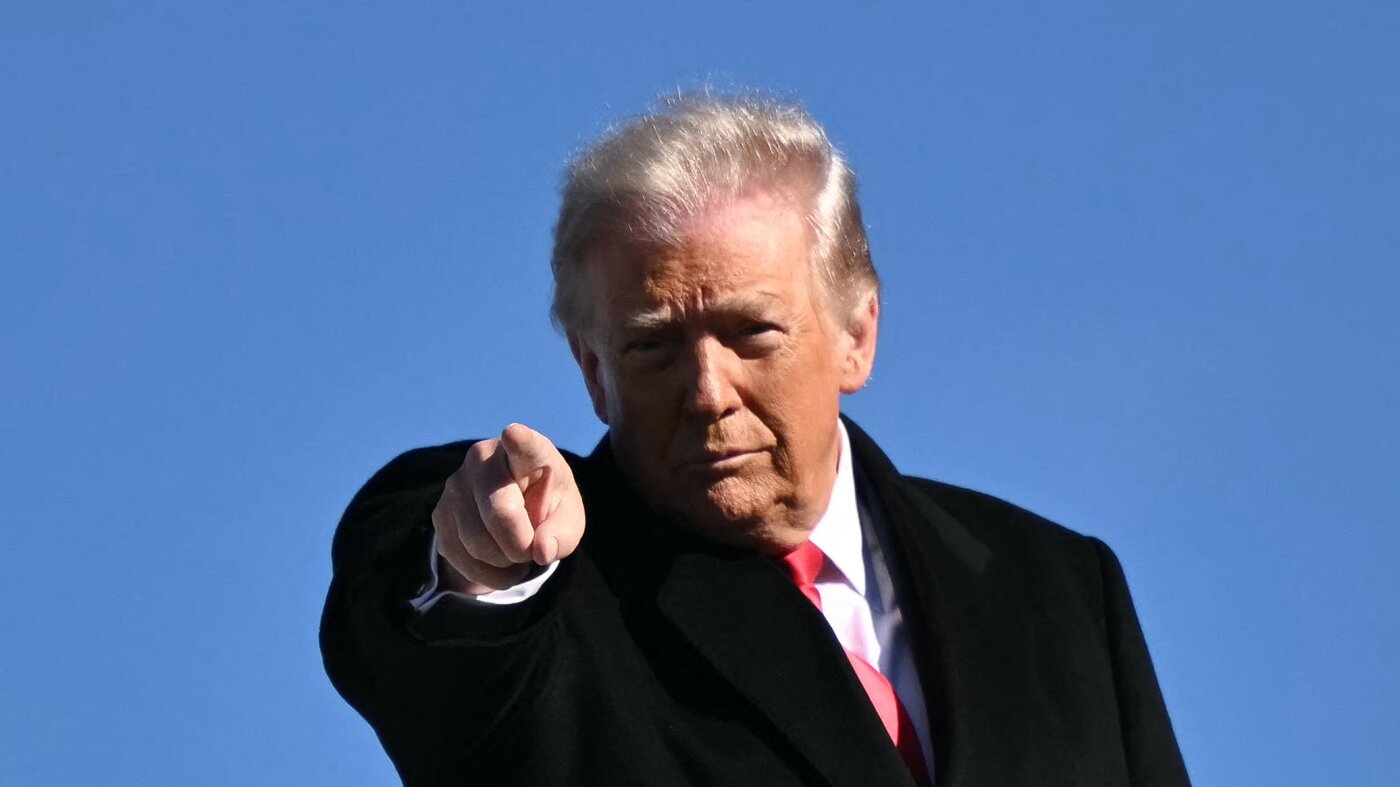
President Trump boarded Air Force One on January 13, signaling a shift in federal employment dynamics.
In October 2020, he proposed a controversial plan aimed at empowering himself to dismiss a significant number of civil servants for any reason that might hinder his agenda. Fast forward five and a half years, and that initiative is now a reality, despite widespread public dissent.
Effective March 9, an undisclosed number of federal employees will lose their job protections, transitioning to at-will status at Trump's discretion. This change stems from a final rule issued by the Office of Personnel Management (OPM), which oversees many human resources functions within the federal government.
The civil service is designed to remain apolitical, ensuring continuity across presidential administrations. However, Trump has demonstrated a readiness to terminate career federal employees he views as political adversaries, particularly those involved in prosecuting the events of January 6.
The newly established rule simplifies the process for firing such personnel. Dubbed "Improving Performance, Accountability and Responsiveness in the Civil Service," it enables the president to categorize federal employees in "policy-influencing" roles under a new designation known as Schedule Policy/Career. OPM estimates that around 50,000 positions could be affected by this reclassification.
While federal agencies will assess their workforces and request OPM's recommendations for reclassifications, the ultimate decision rests with the president.

During the public comment period, OPM received over 40,000 responses, with 94% opposing the rule. The administration attributed much of this backlash to misunderstandings regarding existing federal laws and the rule's intentions.
Proponents of the change argue it is essential for enhancing bureaucratic efficiency and accountability, pointing to perceptions that it is overly difficult to dismiss underperforming employees and allegations of federal workers obstructing Trump's directives.
Critics contend that this rule further enables Trump—and future presidents—to politicize the civil service, posing risks to the American populace. Max Stier, president of the nonpartisan Partnership for Public Service, stated, "Our government needs serious improvements to make it more effective and accountable, but one thing that doesn't need changing is the notion that it exists to serve the American people and not any individual president." He warned that this new designation could facilitate the removal of expert career federal employees who prioritize public service over political loyalty.
Currently, approximately 4,000 political appointees can be dismissed at will—a figure Stier notes is already significantly higher than in other democracies.
The specifics of which positions will be reclassified remain uncertain. The rule targets "policy-influencing positions," which may include supervisors overseeing such roles.
According to OPM, "the vast majority" of those appointed under Schedule Policy/Career will still be shielded from prohibited personnel practices like retaliation against whistleblowers. However, they will lose the ability to file complaints with the Merit Systems Protection Board, which adjudicates employee challenges to such actions. The Office of Special Counsel, responsible for investigating whistleblower complaints, has lost its independent status following Trump's dismissal of its Senate-confirmed leader last year.

While reclassified employees would theoretically retain the right to file discrimination complaints with the Equal Employment Opportunity Commission, the rule clarifies that the president himself is not bound by federal employment anti-discrimination laws.
This rule, first announced last year, is already facing multiple legal challenges, including one from Democracy Forward. This legal organization has initiated several lawsuits aimed at halting Trump's overhaul of federal governance.
Skye Perryman, president and CEO of Democracy Forward, remarked, "This is a deliberate attempt to do through regulation what the law does not allow — strip public servants of their rights and make it easier to fire them for political reasons and harm the American people through doing so." She emphasized their commitment to contesting this power grab effectively.