President Donald Trump’s ambitious initiative to finance a new $400 million ballroom at the White House through private donations is now under scrutiny, as a federal judge prepares to rule on the legality of this fundraising approach. The outcome could potentially derail the entire project.
U.S. District Judge Richard Leon is expected to deliver a ruling this month regarding a lawsuit initiated by the National Trust for Historic Preservation last December, which seeks to halt the ballroom's construction. The Washington Post reports that Leon has expressed concerns about whether the administration can legitimately bypass congressional approval through private fundraising.
Trump maintains that relying on private donations alleviates the financial burden on taxpayers. However, critics argue that this strategy raises significant transparency issues regarding the funding sources for the expansion.
Democratic lawmakers and watchdog organizations have voiced their apprehensions about the arrangement, which depends heavily on contributions from large corporations. These donations are funneled through a nonprofit intermediary, which has reportedly profited from millions in fees, as highlighted by recent investigations.
The list of donors includes major players in the tech industry such as Amazon, Apple, Google, HP, and Microsoft, alongside other notable companies like Coinbase, Lockheed Martin, Palantir Technologies, and T-Mobile. Despite this extensive network of contributors, many have opted not to disclose their donation amounts. The watchdog group Citizens for Responsibility and Ethics in Washington (CREW) has pointed out that at least 22 companies involved have not reported their contributions in lobbying disclosures.
During a January hearing related to the lawsuit, Judge Leon articulated his doubts about proceeding without explicit congressional authorization. He questioned whether Trump had the legal authority to dismantle the East Wing and construct a ballroom in its place without oversight from Congress.
.jpg)
Senator Elizabeth Warren has called on the Trust for the National Mall, the nonprofit overseeing the fundraising efforts, to clarify its role and provide transparency regarding the donations received. The organization has refrained from disclosing specific details about contributions but stated that it collects a management fee ranging from 2 to 2.5 percent of each donation, which they claim is standard practice.
The White House has not disclosed how much funding has been secured for the project, which has seen its estimated cost double from an initial $200 million last summer. White House spokesman Davis Ingle remarked, “President Trump is generously donating his time and resources to build a beautiful White House ballroom, a project which past presidents only dreamed about.” He added that since announcing this plan, the White House has received numerous inquiries from Americans and companies eager to contribute.
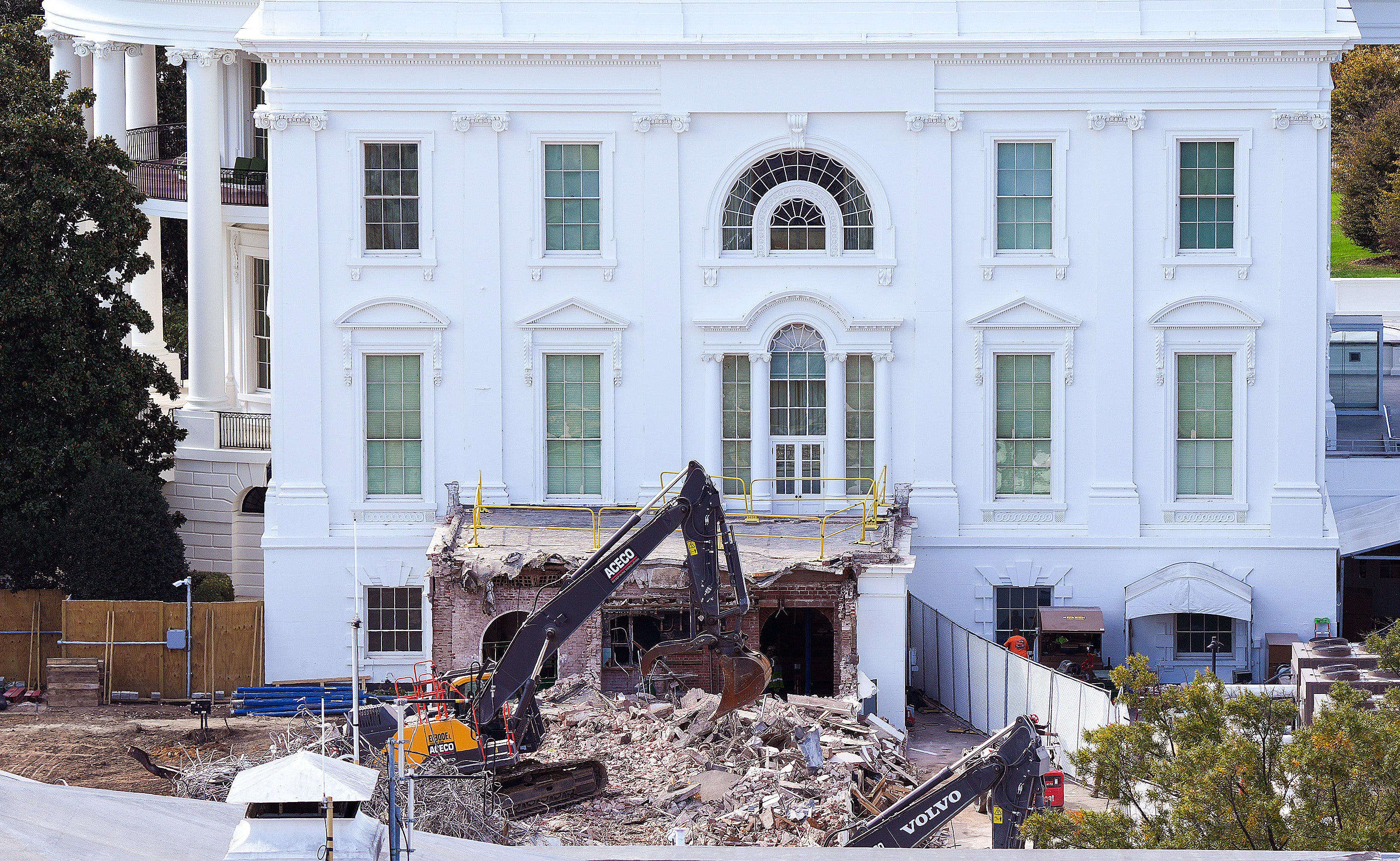
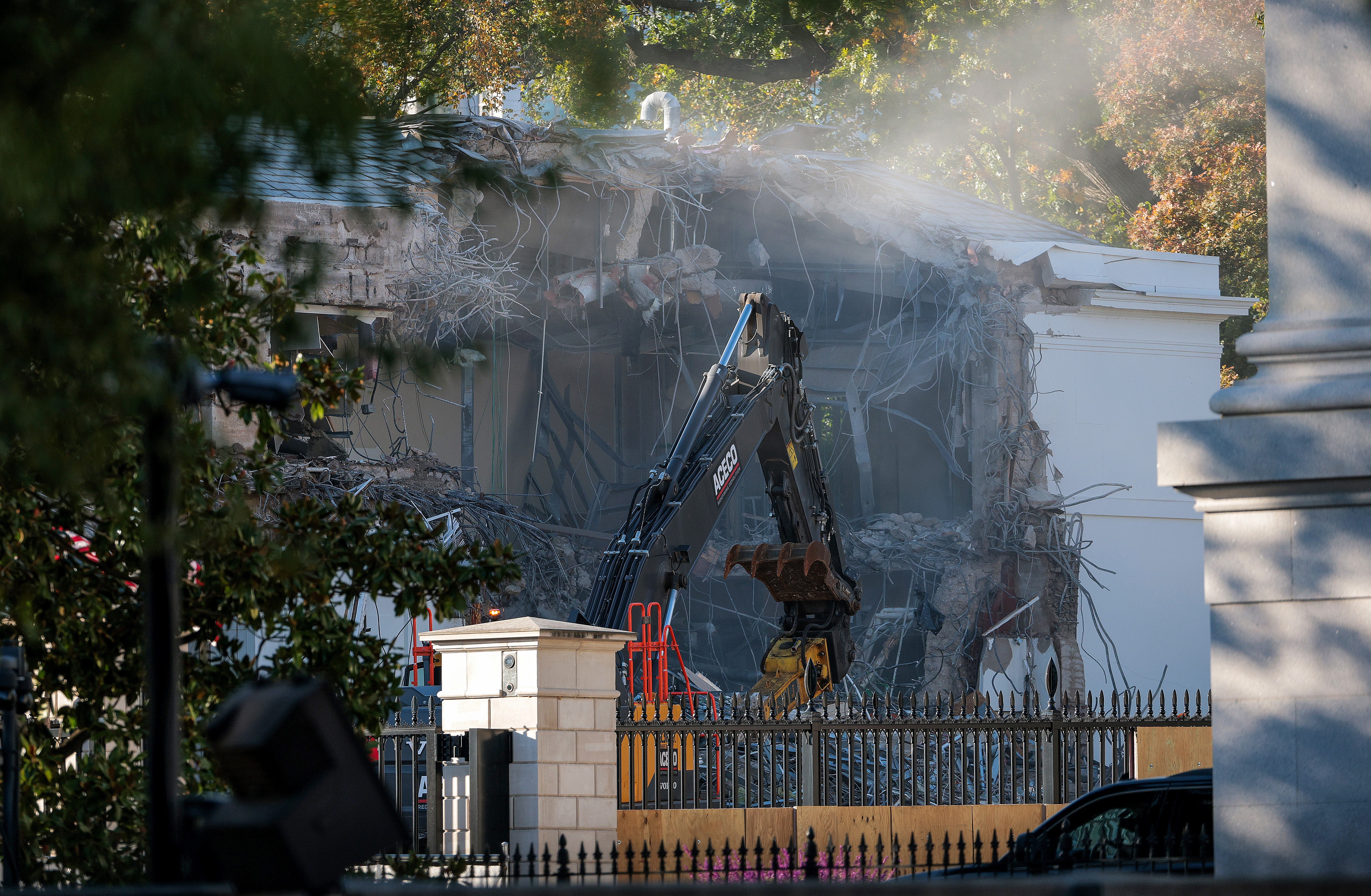
In October, Trump hosted an extravagant gala dinner for sponsors in the East Room of the White House during the longest government shutdown in U.S. history, which lasted 43 days. Following the announcement of plans to replace the East Wing with a new ballroom, demolition commenced without a comprehensive public review process. The proposed ballroom is set to span approximately 90,000 square feet and will include a new office for the First Lady, a movie theater, and a commercial kitchen.
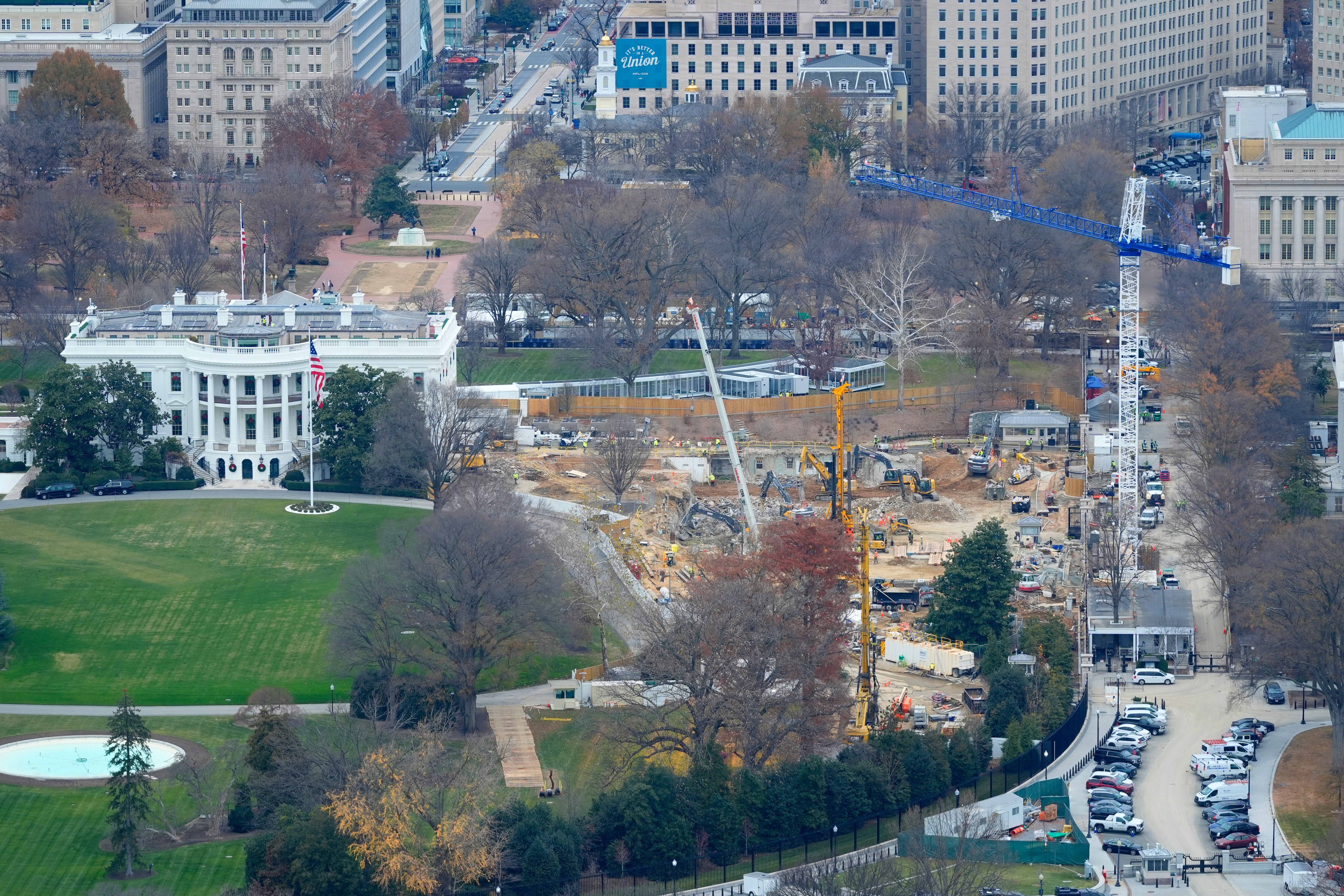
The lawsuit filed in December asserts that “no president is legally allowed to tear down portions of the White House without any review whatsoever — not President Trump, not President Joe Biden, and not anyone else.”
Despite these legal challenges, Judge Leon declined to immediately halt construction in December. The Trump administration's Department of Justice is actively working to ensure that construction continues unimpeded. A recent DOJ filing requested that any injunction against construction be stayed due to alleged “national security” concerns.
The administration argues that halting construction would jeopardize the safety of the President and others residing or working in the White House, as attested by the Secret Service. Furthermore, they plan to submit an additional classified statement from the Secret Service to bolster their claim that stopping construction poses a national security risk and undermines public interest.
This filing follows Judge Leon's initial skepticism regarding Trump’s assertion that private donations could be used to fund the ballroom’s construction without congressional oversight.